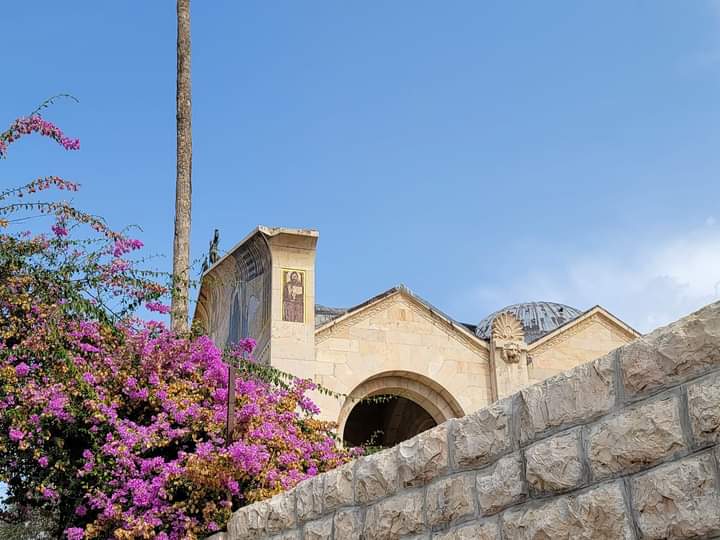
Jerusalem
Where ancient history meets three faiths in sacred stones
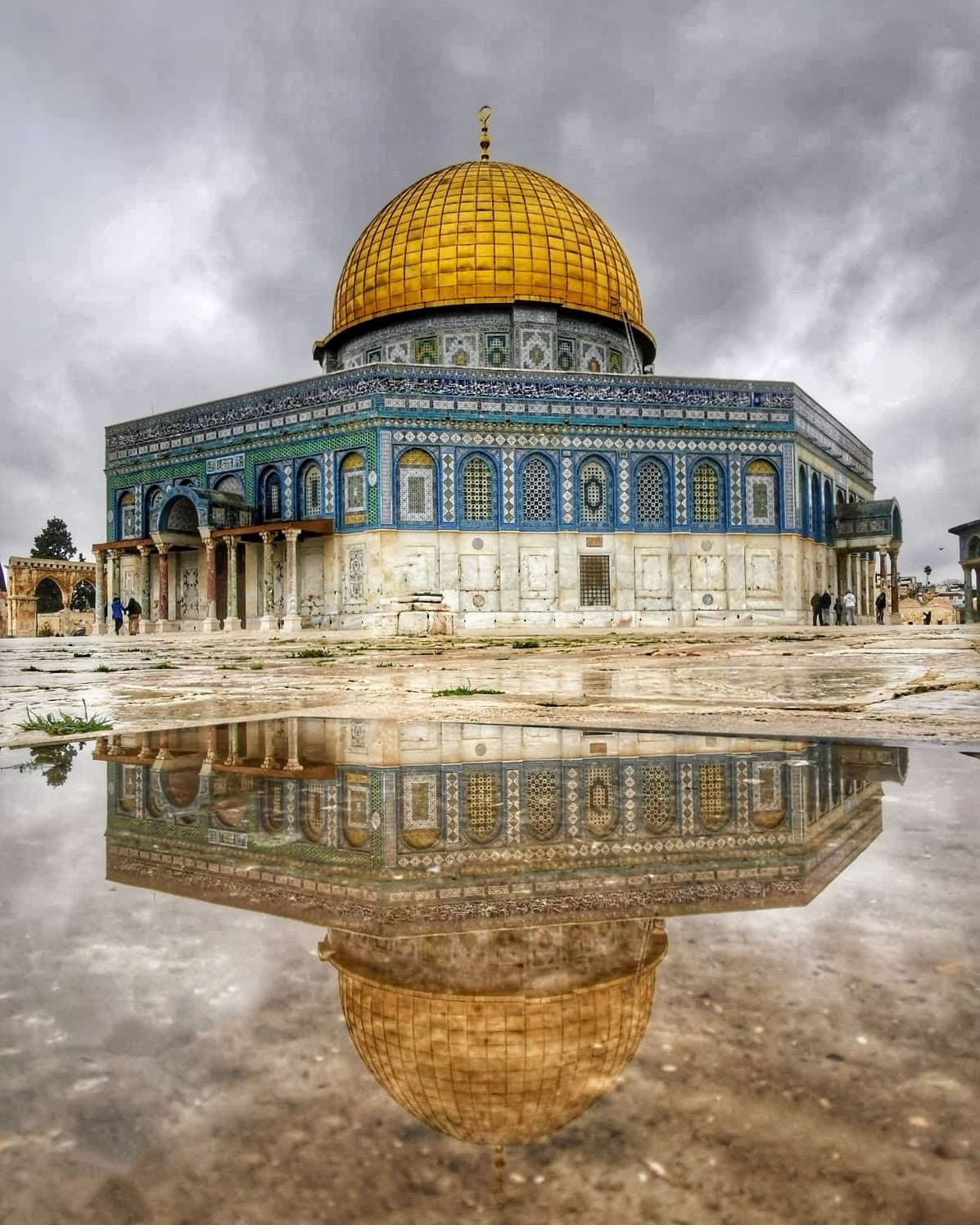
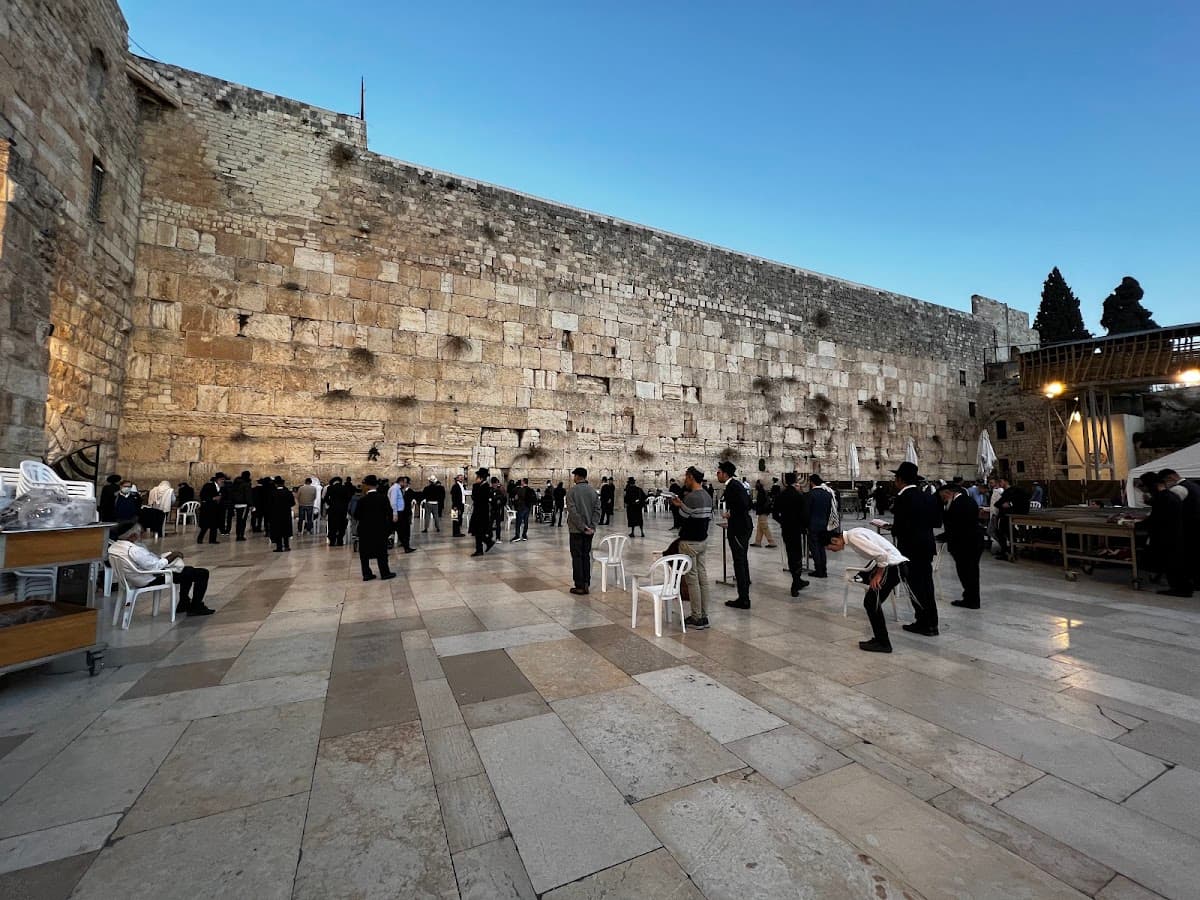
Jerusalem hits different. This isn't just another Middle Eastern city with old buildings and good hummus (though it has both). Here, every stone tells a story that spans millennia, and you'll walk the same paths as prophets, kings, and pilgrims. The Western Wall, Church of the Holy Sepulchre, and Dome of the Rock sit within minutes of each other in the Old City. But Jerusalem isn't frozen in time. Venture to Mahane Yehuda Market on a Friday afternoon, and you'll find modern Israelis shopping for Shabbat dinner while techno music pumps from hidden bars. The city demands patience – security lines are real, crowds can overwhelm, and the political situation adds complexity. Yet few places on earth offer such profound spiritual weight alongside world-class restaurants and a surprisingly vibrant nightlife scene.
Best Months
MAR · APR · MAY · OCT · NOV
~24°C · high crowds
Culture & Context
"Jerusalem sits at the intersection of three Abrahamic religions — Judaism, Christianity, and Islam — each with active communities, living traditions, and deeply held territorial claims.
This isn't a museum city. People are born here, pray here, argue here, and live their lives here amid one of the most contested political situations on earth.
Both Israel and Palestine claim Jerusalem as their capital. Understanding this tension — without taking sides or projecting outside political frameworks onto what you observe — is essential to engaging respectfully with the city. The Jewish calendar governs much of the city's rhythm: Shabbat shuts things down weekly, major holidays reshape the entire character of the streets, and the cycles of prayer at the Western Wall are a constant backdrop.
The Muslim call to prayer marks the hours in the Muslim Quarter and East Jerusalem. Christian pilgrims walk the Via Dolorosa daily. All of this happens simultaneously, often within meters of each other.
Jerusalem rewards slowness and curiosity over checklist tourism. The history compressed into the Old City's one square kilometer is staggering — but the living city around it is equally worth paying attention to.
Local Customs
Shabbat (Friday sundown to Saturday night) shuts down much of the city.
Many restaurants, shops, and ALL public transport stop. Taxis still operate but are harder to find and more expensive.
Plan ahead — this catches tourists off guard constantly.. Dress modestly for religious sites. Shoulders and knees should be covered for both men and women at the Western Wall, churches, and mosques.
Keep a light scarf or a pull-on skirt in your daypack — you'll need it more than once.. At the Western Wall, men and women pray in separate sections. Photography is allowed but not during Shabbat or Jewish holidays.
Even if you're not religious, approach with quiet and respect.. Do not photograph people — especially Ultra-Orthodox Jews — without asking. In the Mea Shearim neighborhood (north of Jaffa Street), tourists are asked to behave very discreetly.
Group tours are unwelcome there. Solo respectful wandering is fine.. Tap water in Jerusalem is safe to drink.
Don't waste money on bottled water — locals don't.. At restaurants, ask for 'mayim' (water) specifically — you'll get tap water free. Ordering bottled water without asking can add unexpected costs to your bill..
Israelis can seem blunt and direct. Don't mistake it for rudeness — it's just the local communication style. Push back gently if a vendor is haggling and they'll respect you for it..
The shuk (Mahane Yehuda Market) operates at its best chaos on Friday mornings before Shabbat. It slows dramatically by afternoon and is essentially closed Saturday. Thursday evenings the market transforms into a bar and live music scene..
Temple Mount (Haram al-Sharif) has strict visiting hours for non-Muslims: 8–11am and 2–4:30pm, Sunday through Thursday only. Closed Fridays and Saturdays. Entry is via the wooden bridge in the Western Wall Plaza — bring ID and expect a queue..
Many religious sites require men to cover their heads. Kippot (small head coverings) are usually available for free at the entrance to Jewish sites.
Safety
">>>> IMPORTANT 2026 UPDATE: The security situation in Israel has been significantly elevated in 2026.
On February 27, 2026, the U.S.
State Department authorized the departure of non-emergency government personnel from Israel and issued a Level 3 'Reconsider Travel' advisory. This follows US-Israel joint military operations (Operation Roaring Lion) against Iran, which triggered sustained ballistic missile and drone responses targeting central Israel. Ben Gurion Airport experienced closures starting February 28, 2026, and major international airlines including Lufthansa and easyJet suspended routes.
Ben Gurion has since resumed limited commercial flights as of March 2026, primarily on Israeli carriers (El Al, Arkia, Israir). CHECK CURRENT FLIGHT STATUS BEFORE BOOKING. The UK FCDO advises against all travel to Israel and the Palestinian Territories as of early 2026.
Canada advises avoiding all travel to Jerusalem due to ongoing military activity. Gaza is Level 4: Do Not Travel. Northern Israel within 4km of the Lebanese/Syrian borders is also Level 4.
WHAT THIS MEANS FOR TOURISTS: Jerusalem itself and major tourist sites remain under heightened but functional security. The main tourist areas have historically remained calmer than border regions. However, rocket and missile alerts can occur without warning anywhere in the country.
Download the Israeli Home Front Command app (free on Android/Apple) for real-time alerts. Enroll in the US State Department STEP program if you're American. Have a clear plan for the nearest shelter wherever you stay.
Do not travel to the West Bank casually. Emergency numbers: Police 100, Ambulance 101, Fire 102.
Getting Around
"Jerusalem has a functional and relatively affordable public transport network, though it's built for residents, not tourists, so some sites aren't well-served.
The Jerusalem Light Rail connects the Old City area, Mahane Yehuda Market, the central bus station, and Mamilla Mall — get a Rav-Kav card (reloadable transit card) or use the Moovit app to pay directly from your phone. Buses cover areas the tram doesn't reach, especially outlying neighborhoods.
There is NO public transport on Shabbat (Friday sundown to Saturday night) — plan around this. For Shabbat trips, you'll need taxis. Download the Gett app (Israeli ride-hailing, more reliable than hailing on the street) before arrival.
Between Jerusalem and Tel Aviv: the high-speed train from Yitzhak Navon Station runs the route in approximately 34 minutes and connects to Ben Gurion Airport — far better than sitting in traffic on the highway. For exploring outside the city (Dead Sea, Masada, Galilee), renting a car is practical but parking in Jerusalem itself is a nightmare and expensive. Book car rentals through Israeli websites ending in .
co.il to ensure all compulsory insurance is included. Sheruts (shared minivan taxis) operate between major cities and are cheaper than regular taxis, departing when full.
Useful for the Tel Aviv–Jerusalem run on Shabbat when trains are suspended.
Useful Phrases
Explore Destinations

Explore the Region
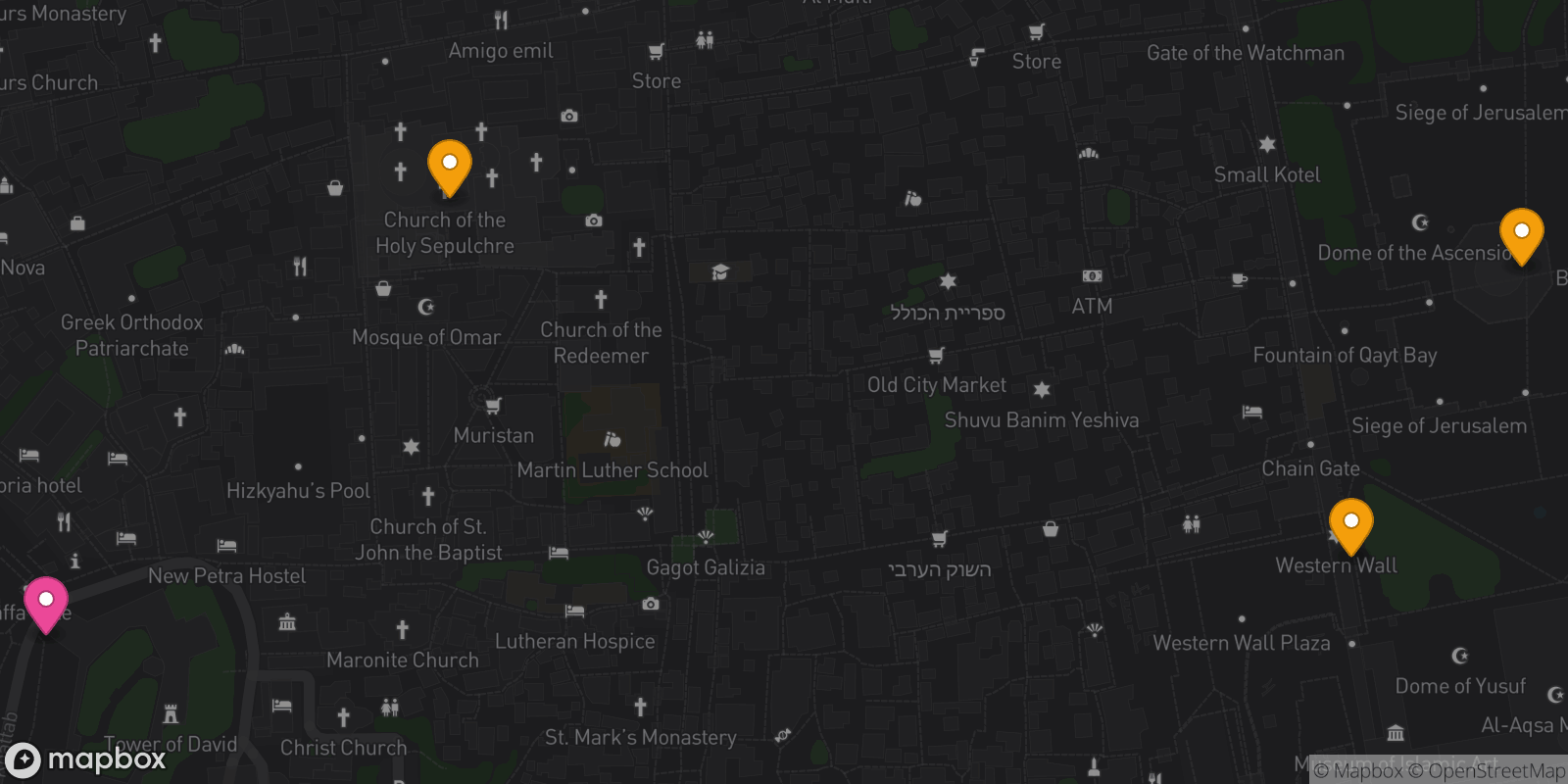
Jerusalem Itineraries
View all
Seven Luminous Days in Jerusalem’s Sacred Stone Labyrinth
Week · $$$

Three Luminous Days in Jerusalem’s Old Stones & Desert Air
Weekend · $$$
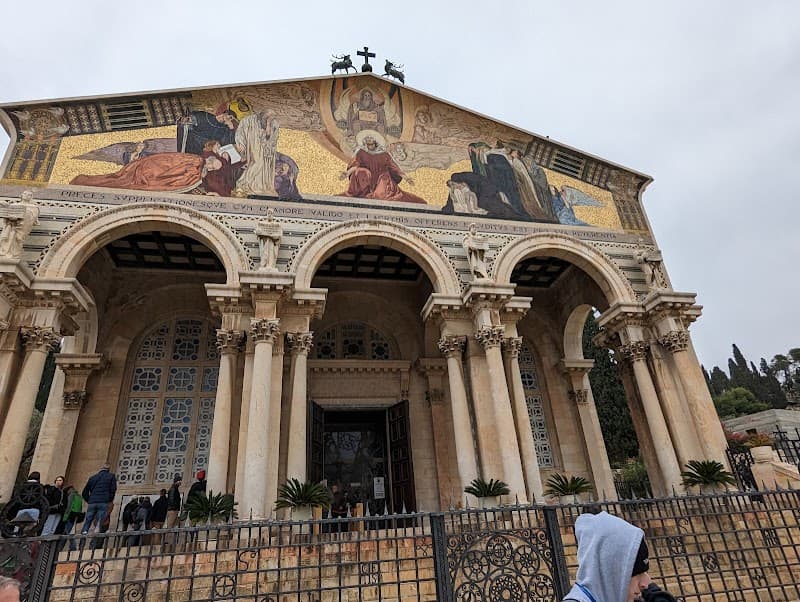
Seven Romantic Days in Jerusalem’s Ancient Stone & Green Shade
Week · $$$
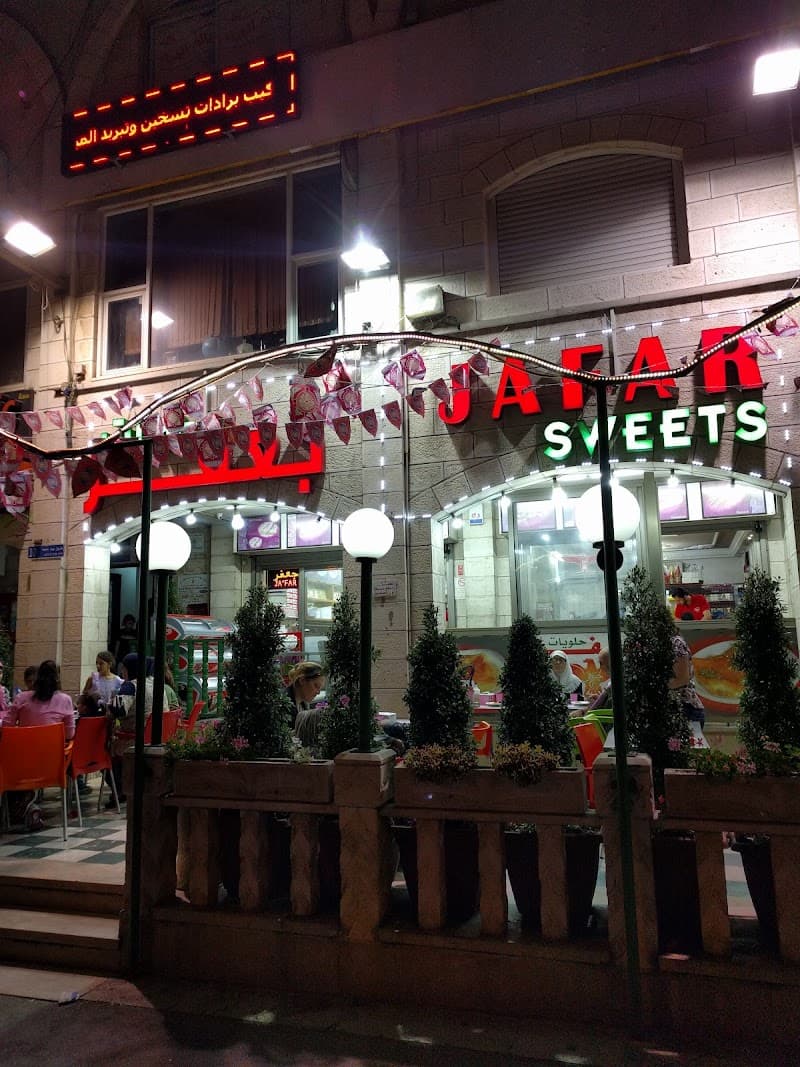
Hidden Gardens & Stone Alleys: A Romantic Jerusalem Escape
Weekend · $$$
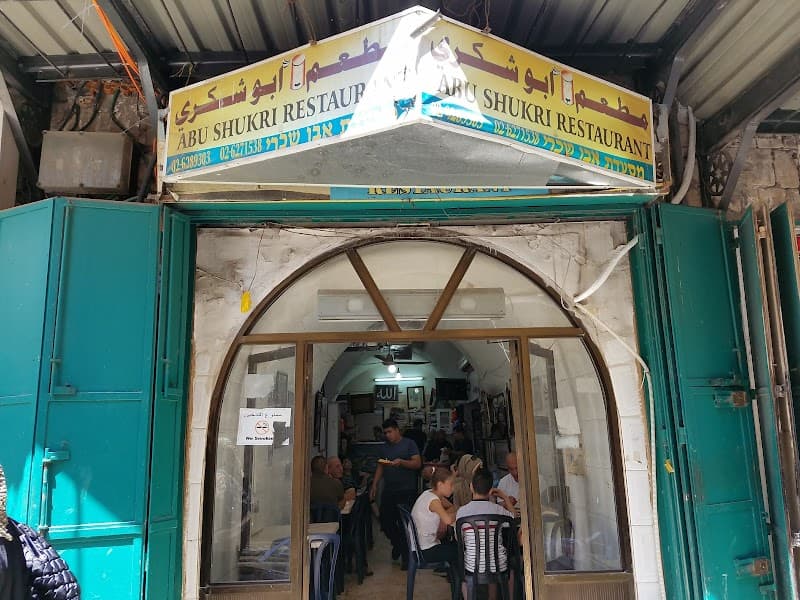
Seven Soulful Days in Jerusalem’s Living History
Week · $$$
Jerusalem Jungle-Style Family Weekend of History and Fun
Weekend · $$$
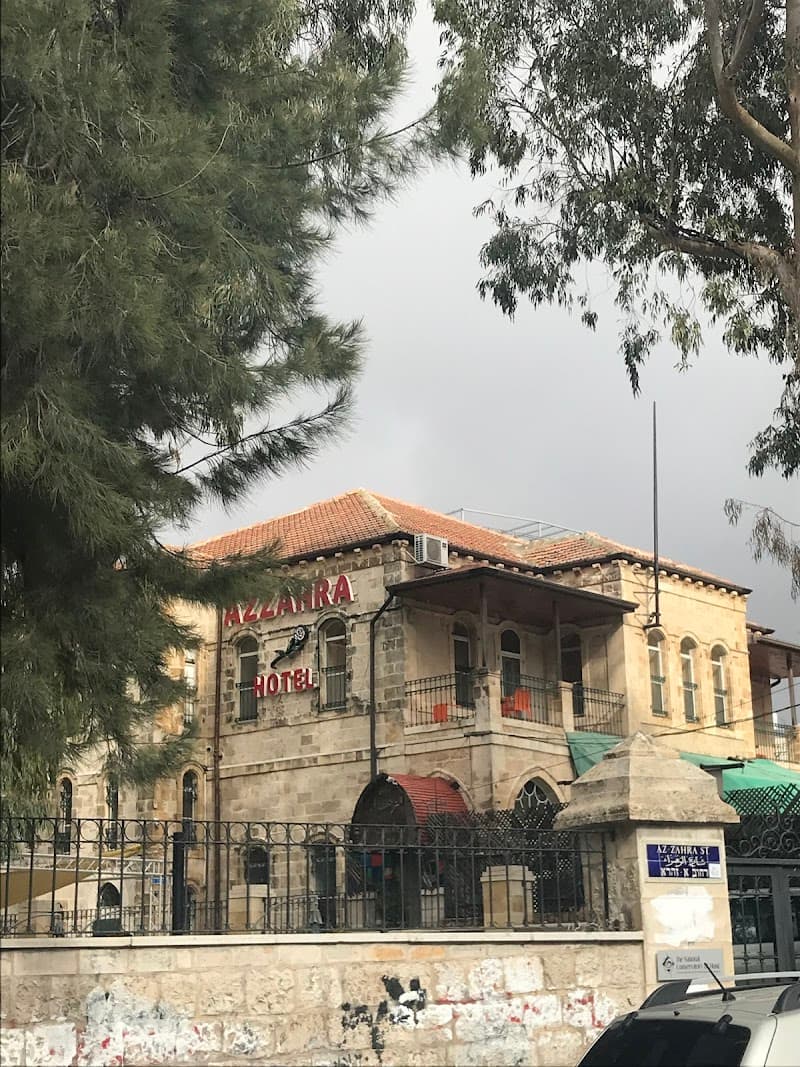
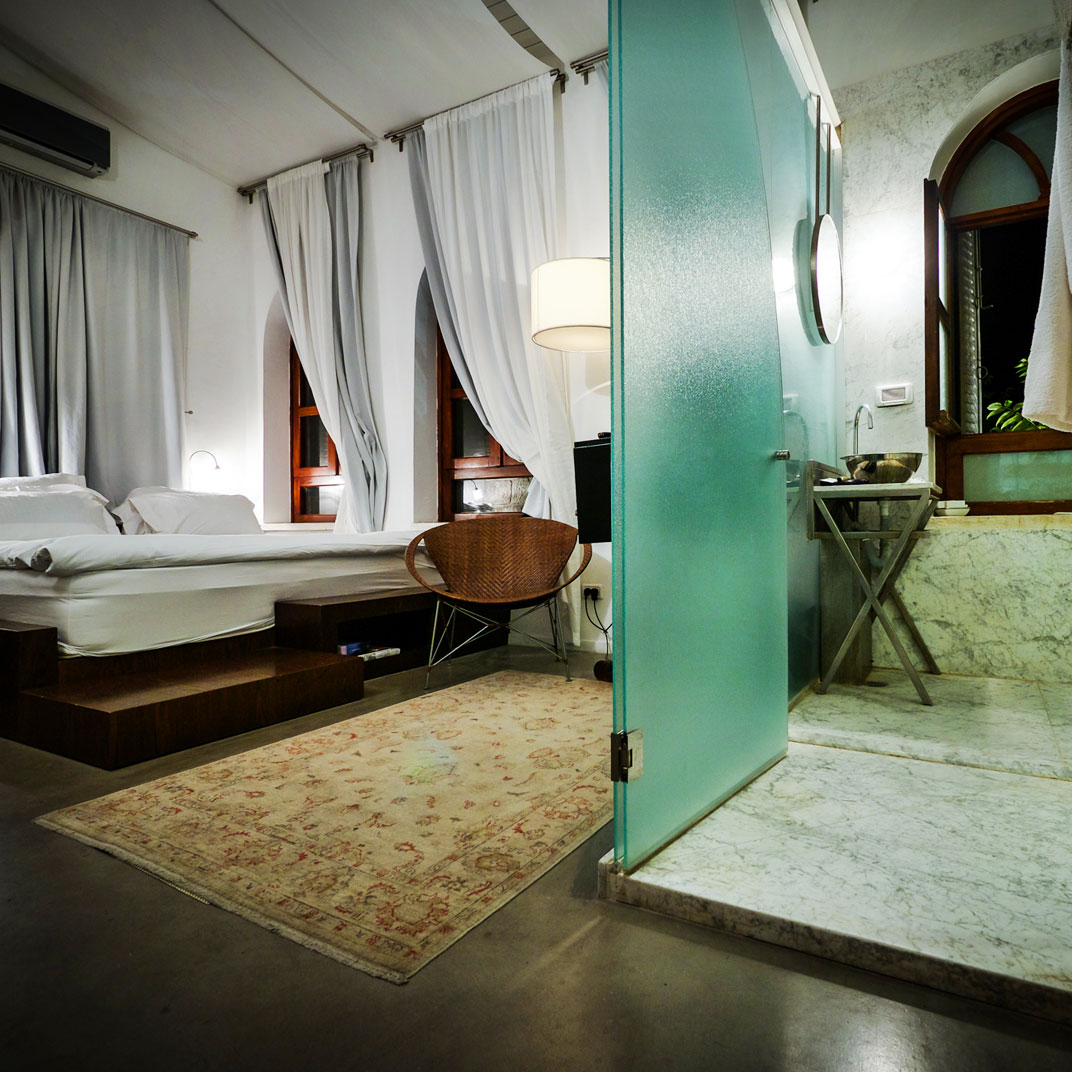
Where to Stay in Jerusalem
1 recommended properties
Things to Do in Jerusalem
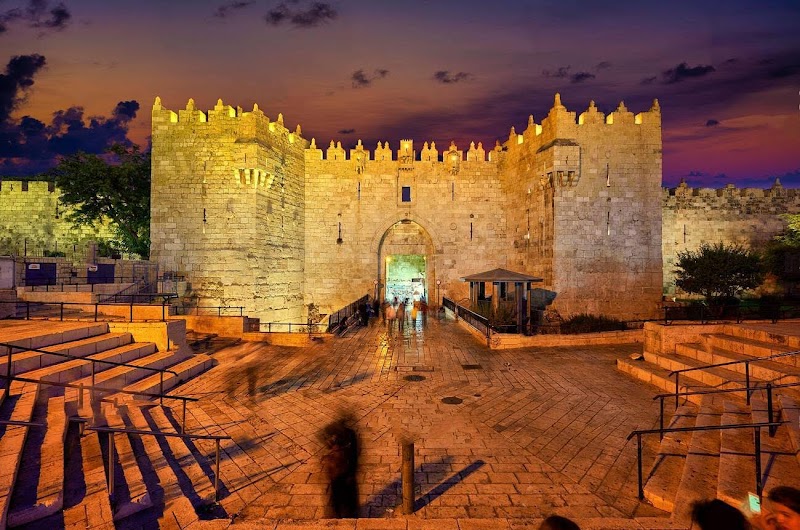
Old City Orientation Walk via Damascus Gate
Old City – Muslim Quarter · 90 min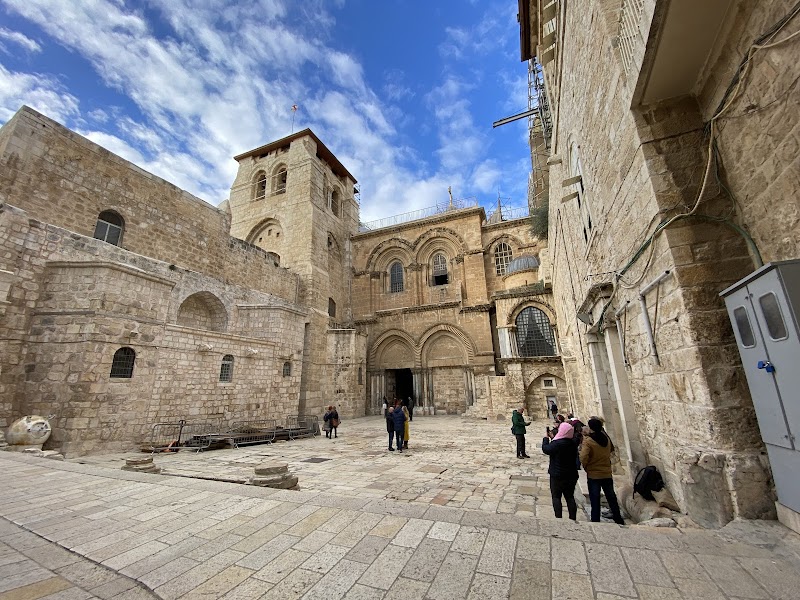
Church of the Holy Sepulchre
Old City – Christian Quarter · 90 min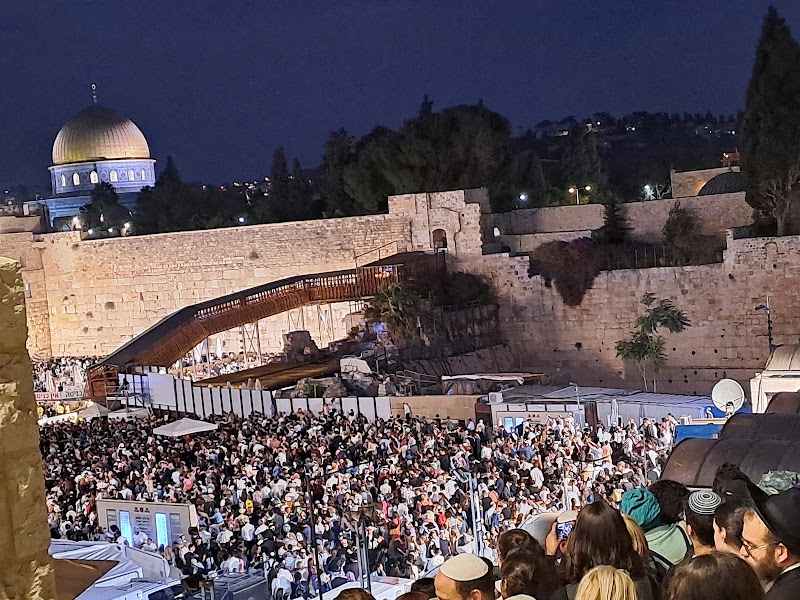
Western Wall Plaza
Old City – Jewish Quarter · 60 minMoney-Saving Tips
- 1.Many Old City attractions are free – walking the ramparts costs 16 shekels but offers incredible views
- 2.Mahane Yehuda vendors offer free samples, especially late Friday when they want to clear inventory
- 3.Buy a Rav-Kav card for public transport – saves money over individual tickets and works on buses and light rail
- 4.Lunch portions at restaurants are often huge – consider sharing or ordering appetizers instead
- 5.Free walking tours operate daily from Jaffa Gate, though tips are expected
- 6.Shop for souvenirs in East Jerusalem's markets rather than Old City tourist shops for better prices
- 7.Many museums offer student discounts with international student ID cards
- 8.Supermarkets like Rami Levy offer much cheaper snacks and drinks than tourist area shops
Travel Tips
- •Dress modestly when visiting religious sites – cover shoulders and knees, carry a scarf for head covering
- •Security checks at major sites can take 30+ minutes during busy periods – plan extra time
- •Download offline maps – GPS works poorly in Old City's narrow alleys
- •Carry cash – many small vendors and some restaurants don't accept cards
- •Friday afternoon and Saturday have limited public transport and closed businesses due to Shabbat
- •Learn basic Hebrew phrases – most locals speak English but appreciate the effort
- •Bring comfortable walking shoes with good grip – Old City stones get slippery when wet
- •Keep your passport handy – some religious sites require ID for entry
- •Respect photography restrictions at religious sites – ask before taking photos of people
- •Stay hydrated – Jerusalem's dry climate and walking on hills can be dehydrating