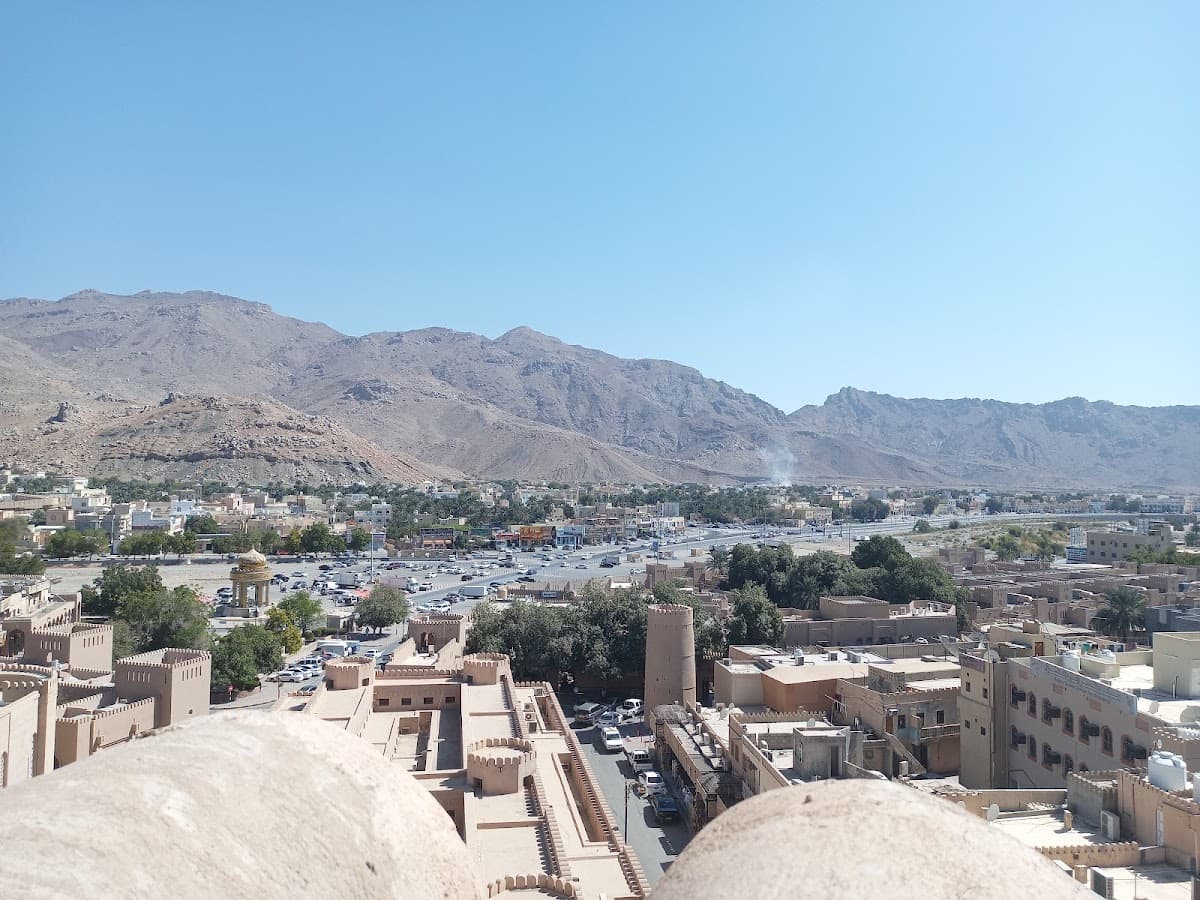
Nizwa
Oman's ancient capital showcasing authentic Arabian heritage
Nizwa feels like stepping into another century. This former capital of Oman sits at the base of the Hajar Mountains, where date palm oases meet ancient mud-brick buildings and the call to prayer echoes off fortress walls. The massive 17th-century fort dominates the skyline, while the traditional souk below buzzes with silver traders and frankincense sellers who've worked these stalls for generations.
But here's what makes Nizwa special: it's not trying to be anything other than itself. No glitzy malls or international hotel chains. Just authentic Omani life playing out in the shadow of one of Arabia's most impressive fortresses. The Friday goat market still draws Bedouins from across the region, and the date harvest follows rhythms unchanged for centuries.
Best Months
JAN · FEB · MAR · OCT · NOV · DEC
~30°C · high crowds
Culture & Context
PEARL OF ISLAM
Nizwa was Oman's capital multiple times over the centuries — most recently between 1913 and 1957 — and the city carries that weight seriously. Locals call it the "Pearl of Islam," and it was once a major center of Islamic learning and trade. Just fifty years ago it was so conservative that the British explorer Wilfred Thesiger was warned not to enter.
It's opened up enormously since then, but this is still a more traditional city than Muscat. The Friday Goat Market is a genuine weekly institution, not a performance for tourists. Shopkeepers won't chase you down or pressure you to buy — the market primarily serves the local community, and visitors are welcome as long as they respect that.
Dress modestly, behave quietly, and you'll be treated with extraordinary warmth. Showing frustration or raising your voice in public can actually constitute a legal offense in Oman. The country practices a tolerant form of Islam, but social conservatism in Nizwa is real and genuine.
Local Customs
PATIENCE IS REQUIRED
Dress modestly everywhere outside your hotel. Cover shoulders and knees. Women don't need to wear a headscarf in public, but bring one for mosque visits.
Men should skip the shorts.. Greet people with 'As-salamu alaykum' — it's the standard opener and Omanis genuinely appreciate the effort, even if your pronunciation is rough.. Always ask permission before photographing people, especially women.
Many Omani women prefer not to be photographed at all. A refusal is a refusal — accept it gracefully.. Never photograph military facilities, government buildings, airports, or border areas.
This is a law, not a suggestion.. Use your right hand for eating, receiving items, and passing things. The left hand is considered unclean in Islamic culture..
Pointing with your index finger is considered rude. Use an open hand with palm facing up instead.. Alcohol is only served in licensed hotels and restaurants.
Public intoxication is illegal. Don't try to bring alcohol into non-licensed spaces.. During Ramadan, no eating, drinking, smoking, or playing loud music in public during daylight hours.
This applies to non-Muslims too, and violations can result in fines.. Showing open frustration, raising your voice, or making offensive gestures in public can be enough for a formal complaint to be filed. Seriously — patience is not just politeness here, it's practical..
The car park in front of Nizwa Souq sits in a wadi (dry river bed). If there's rain in the mountains, flash floods can sweep cars away. Check local weather and ask your accommodation about safe parking..
Drones are illegal to fly without an official permit. Don't risk it.. LGBTQ+ travelers should be aware that homosexuality is illegal in Oman and punishable by law.
Same-sex couples should be very discreet about any displays of affection.
Safety
VERY SAFE
Nizwa is genuinely one of the safest cities you're likely to visit. Crime is rare, harassment is almost unheard of, and the overall feeling on the street — even at night — is calm and secure. Emergency number is 9999 for police, ambulance, or fire.
A few real things to watch out for: the car park in front of the souq sits in a wadi bed, and flash floods caused by mountain rains (even if it's dry in Nizwa itself) can sweep cars away without warning — always check with your accommodation about safe parking. Summer heat can hit 49°C (120°F), which is serious and can become dangerous quickly. Carry water, wear a hat, and plan heavy outdoor activity for morning hours.
If you're driving into the mountains toward Jebel Akhdar or Jebel Shams, a 4WD is required — rental companies will turn you back at the checkpoint if you don't have one. Avoid driving outside cities after dark due to camels wandering onto unlit roads. LGBTQ+ travelers face genuine legal risk in Oman — homosexuality is illegal and enforced.
Drone use without an official permit is also illegal and can result in fines or confiscation. Solo female travelers generally report feeling very safe and respected, but modest dress makes things smoother everywhere.
Getting Around
RENT A CAR
Look, Nizwa without a car is a frustrating experience. The historic center — the fort, souq, and old town — is walkable once you're there. But to reach Nizwa from Muscat, and to explore anything beyond the city itself, you need wheels.
Road 21 (the Muscat Expressway heading inland) gets you there in about 90 minutes from the capital on a well-maintained, clearly signed highway. Rental cars from Muscat are the standard move. Budget around 15–25 OMR per day for a standard car, more for a 4WD (which you'll need for Jebel Akhdar, Jebel Shams, and most mountain or desert detours).
Taxis exist in Nizwa but don't use meters — agree on the fare before you get in. The OTaxi app works and is more reliable for pricing. For the Oman Across the Ages Museum or farther destinations like Al Hoota Cave, drive or book a local guide.
The state-run Mwasalat bus service runs between Muscat and Nizwa, making it an option for budget travelers without a car, but the timetable is limited. Parking outside the souq is free and large, but note the flash flood risk mentioned in safety. On Fridays it fills early — arrive before 7:30am for the goat market or walk in from further away.
Useful Phrases
Where to Stay in Nizwa
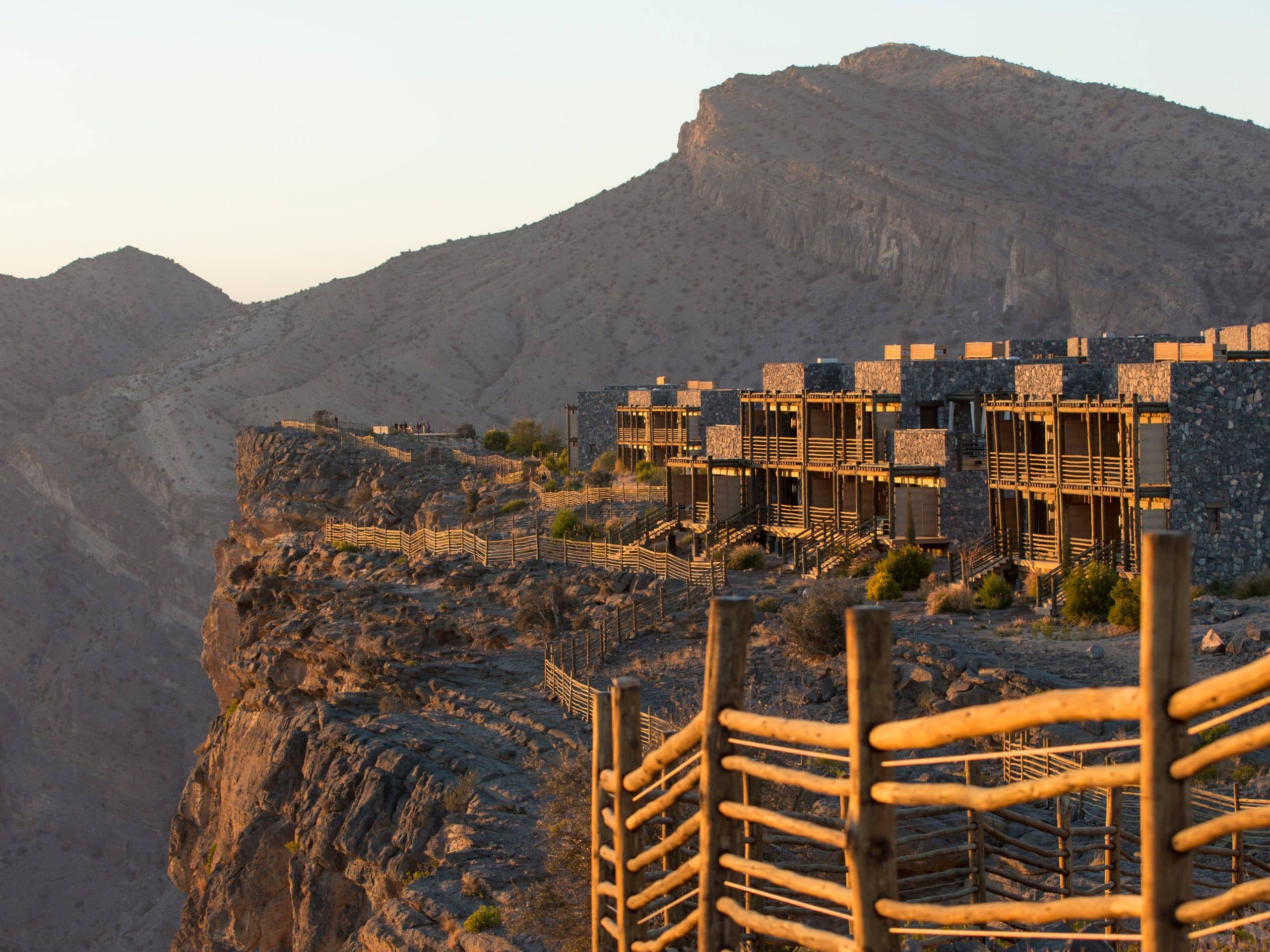
1 recommended properties
Money-Saving Tips
- 1.The Friday goat market is free entertainment—arrive by 7am for the most activity
- 2.Bargain in the silver souk but expect to pay around 70% of the initial asking price
- 3.Shared taxis to nearby villages cost 2-3 OMR per person, much cheaper than private rides
- 4.Many mosques and the fort exterior are free to explore—only interior fort access costs 5 OMR
- 5.Local restaurants in the souk charge 3-4 OMR for full meals versus 15+ OMR at hotels
- 6.Frankincense prices vary wildly—compare several stalls before buying
- 7.Petrol is heavily subsidized in Oman, making rental cars very economical for day trips
Travel Tips
- •Dress conservatively—long pants and covered shoulders, especially when visiting mosques
- •Learn basic Arabic greetings—locals appreciate the effort and it opens doors
- •Carry cash—many souk vendors don't accept cards
- •Friday prayers close many businesses 11:30am-1pm, plan around this
- •The fort museum closes at 4pm, visit early to avoid disappointment
- •Wadi trips require closed shoes—flip flops won't work on rocky terrain
- •Download offline maps—cell coverage gets spotty in mountain day trip areas
- •Respect photography rules—ask before photographing people, avoid military areas