
Bandung
Java's cool mountain city of art and fashion
Forget Jakarta's sweltering heat and Bali's tourist crowds. Bandung sits pretty in West Java's mountains at 768 meters above sea level, where the air stays cool and the creative energy runs hot. This is Indonesia's answer to Portland or Berlin — a city where young designers open boutiques next to traditional warungs, where street art covers colonial buildings, and where you can score designer knockoffs for pennies on the dollar.
The locals call it Paris van Java, and while that's a stretch, there's definitely something European about sipping coffee in Dago while watching students from the nearby Institut Teknologi Bandung debate art and politics. The city moves at a different pace than the rest of Indonesia. Slower. More thoughtful. And significantly cooler, both temperature-wise and culturally.
Best Months
APR – SEP
~29°C · moderate crowds
Culture & Context
SUNDANESE WARMTH & YOUTH
Bandung sits about 150km southeast of Jakarta in the hills of West Java, at roughly 750 meters above sea level. That elevation matters more than you'd think. It's measurably cooler than the capital, which explains why every Jakartan with a car seems to show up here on Friday evening. Expect gridlock. The Dutch loved it here too, and they left behind solid art deco architecture along Jalan Asia Afrika and Jalan Braga — that's where the "Paris of Java" nickname came from. Don't get too carried away with the comparison.
The city is deeply Sundanese. That's not just a demographic fact; it shapes how people talk, what they eat, and how strangers treat you. The Sundanese have a reputation for warmth that's actually earned. People here are generally patient, hospitable, and genuinely curious about foreign visitors (you'll get plenty of photo requests). Bandung is also a major university city, home to ITB (Institut Teknologi Bandung) and several other colleges, which keeps the energy young and the café culture genuinely good. The food is a different beast from the rest of Java — Sundanese cooking runs toward fresh vegetables, peanut sauce, and fish preparations. It's lighter and often less chili-heavy than Javanese food, though you can still find plenty of fire if that's what you want.
Local Customs
MODEST DRESS REQUIRED
Bandung, like most of West Java, has an overwhelmingly Muslim population. Dress modestly outside tourist zones — shoulders and knees covered is a baseline, especially when entering mosques or local markets.. During Ramadan (check the local calendar — 2027 Ramadan falls roughly February-March), avoid eating, drinking, or smoking in public during daytime hours, including in your car.
It's respectful and expected.. The Sundanese greeting culture is warm but formal in traditional settings. Using even one or two Sundanese words earns you genuine goodwill — not performative tourist brownie points, actual warmth..
Weekends are brutal. Jakartans flood the city every Friday evening. If you're visiting Kawah Putih or Tangkuban Perahu on a Saturday or Sunday, book private transport early and go at opening time (around 7am) to avoid the tour bus crowds..
Bargaining is expected at traditional markets and with angkot drivers if you're going off-route. At factory outlets and mall stores, prices are fixed. Don't haggle at a Gap outlet..
Remove shoes before entering homes and some traditional spaces. Wait to be invited before sitting or eating. These small cues matter here..
Tap water is not potable anywhere in Bandung. Buy bottled water or use a filtered bottle. This is non-negotiable.
Safety
WATCH TOURIST PRICING
Bandung is generally safe and violent crime against tourists is rare. Physical attacks are uncommon. That said, there are real annoyances to know about. Tourist overpricing is the primary issue — vendors in popular areas like Jalan Braga, near the Train Station, and in Lembang regularly charge foreigners multiples of the local price. The fix is simple: use Grab or Gojek instead of street taxis, and check prices at a local warung before buying from tourist stalls.
Pickpocketing happens but isn't rampant. Stay alert in crowded markets and bazaars. Keep your phone in a front pocket and don't flash expensive cameras in dense crowds.
At night, avoid Cicendo and Kiaracondong districts — higher crime rates there compared to the tourist center. Elsewhere, the main nighttime hazard is poor street lighting and a near-total absence of sidewalks, not people. Walk cautiously near roads after dark.
Tap water is not safe to drink anywhere in the city. The city sits in a seismically active volcanic zone — occasional earthquake tremors are normal and local authorities monitor volcanic activity around Tangkuban Perahu. Check current volcano status before day trips. Keep travel insurance that covers natural disasters and medical evacuation; local hospitals handle routine care fine but serious emergencies are a different situation.
Getting Around
GRAB BEATS GRIDLOCK
Getting to Bandung is easy. The train from Gambir Station in Jakarta takes about 3 hours and is the sensible choice — comfortable, air-conditioned, and it gives you views of the hills as you arrive. The Argo Parahyangan service runs multiple daily departures. Husein Sastranegara International Airport (BDO) handles domestic flights on AirAsia, Garuda, and Lion Air, plus some international routes. It's a small airport, tarmac boarding, no fuss.
Inside Bandung is where things get messy. Traffic is genuinely bad, especially on weekends when the Jakarta crowd arrives en masse. The angkot system (small colored minibuses) is the local way to get around. Fares are IDR 7,000 per trip and they run on set routes — flagged down like a taxi from the street. If you don't know the routes, Grab and Gojek are the practical alternatives. Both apps work well here and drivers are generally reliable. Avoid flagging down unmetered street taxis — overcharging tourists is a documented issue, particularly near Bandung Train Station, Jalan Braga, and Lembang.
For day trips to Kawah Putih (1.5-2 hours south) or Tangkuban Perahu (about 30km north), renting a private car with a driver for the day runs IDR 400,000-600,000 and is the cleanest option. Public transport to these spots is technically possible but involves multiple transfers and hours of faff. Solo travelers who want to save money often hire a motorcycle guide through their hostel or book a group tour from the city center.
Useful Phrases
Bandung Itineraries
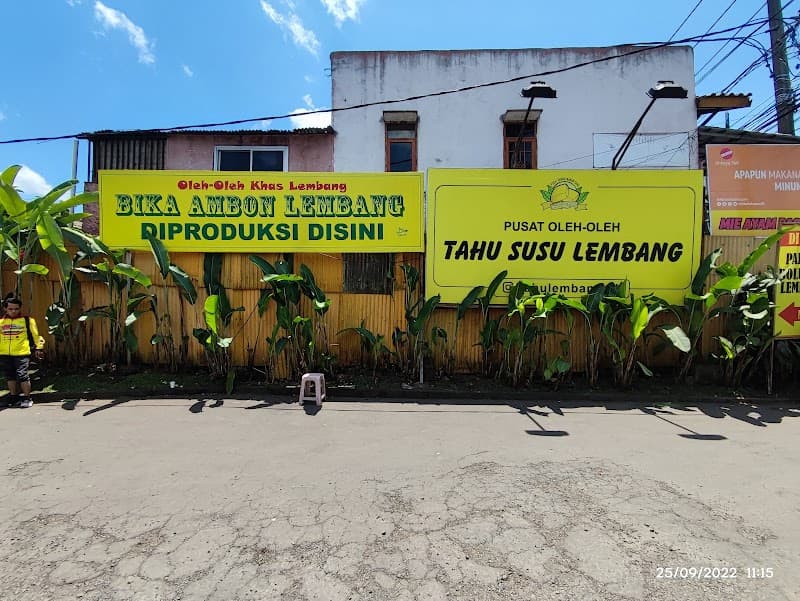
Where to Stay in Bandung
1 recommended properties
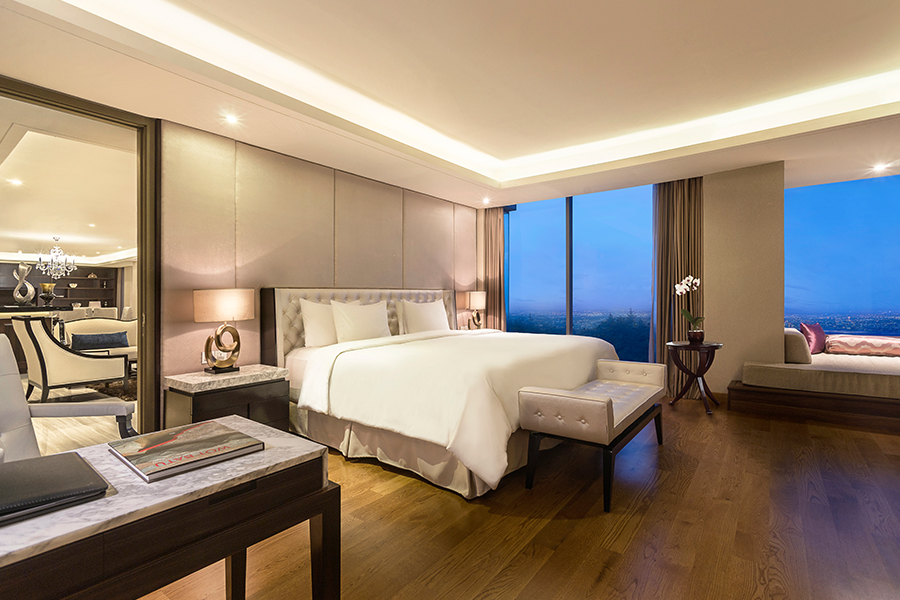
Things to Do in Bandung
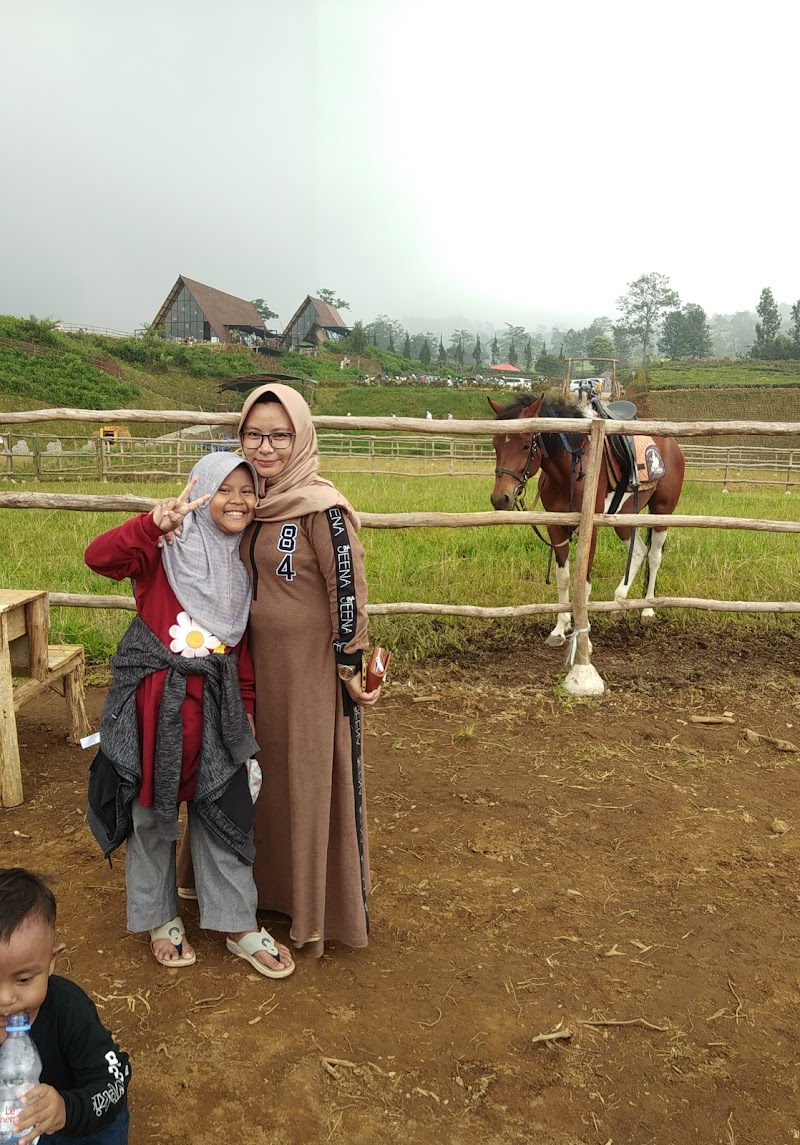
De' Ranch
Lembang · 120 min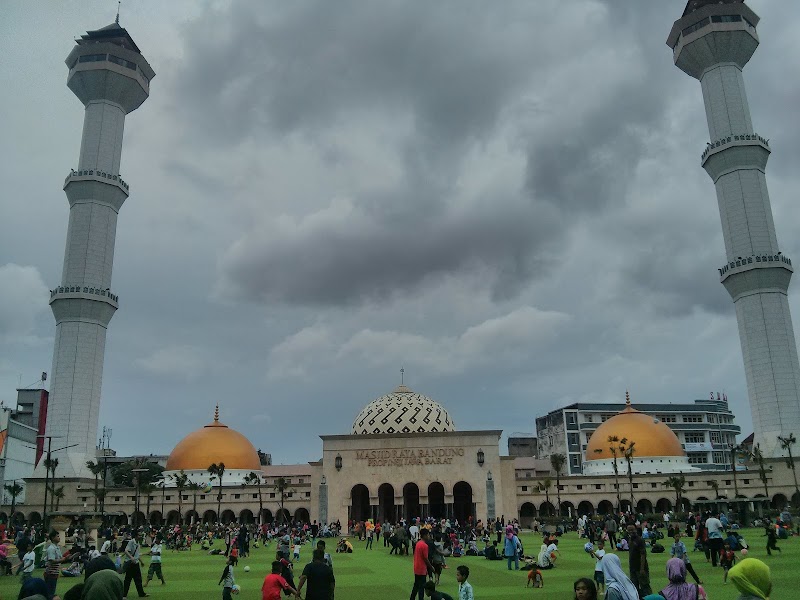
Alun-Alun Bandung & Street Market
City Center · 90 min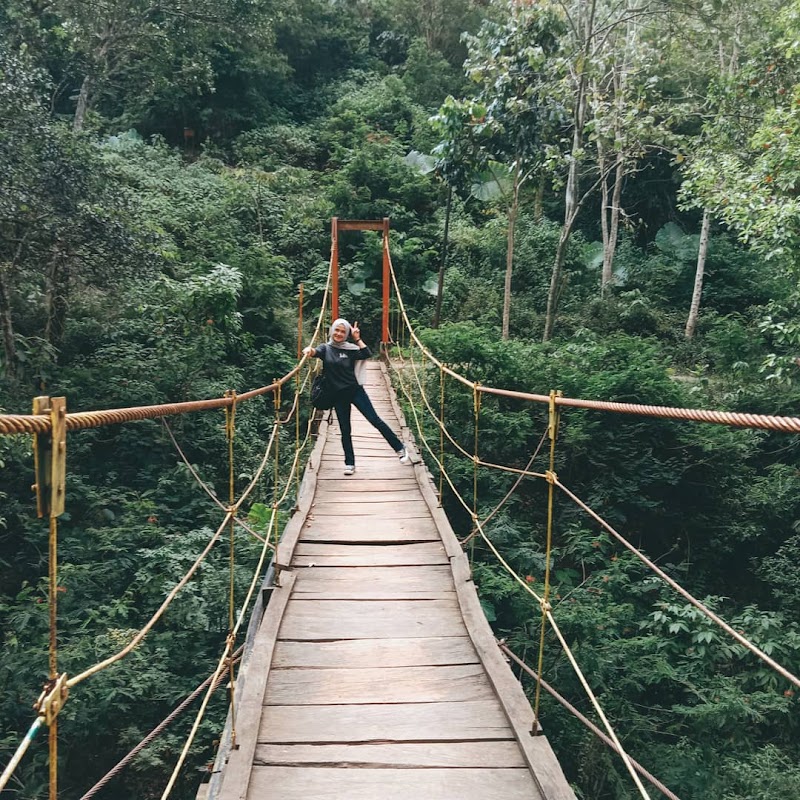
Tahura Djuanda
Dago · 120 minMoney-Saving Tips
- 1.Factory outlets offer genuine discounts on local brands, but 'designer' items are usually high-quality fakes
- 2.Eat at warungs rather than restaurants — a full meal costs 20,000-30,000 rupiah vs 100,000+ at tourist places
- 3.Avoid weekends when Jakarta residents visit — hotel prices double and restaurant portions shrink
- 4.Negotiate motorcycle rental prices, especially for multi-day rentals — daily rates drop to 40,000 rupiah
- 5.Buy coffee beans directly from roasters like Anomali — much cheaper than hotel gift shops
- 6.Street food around universities costs half what you'll pay in tourist areas like Cihampelas Walk
Travel Tips
- •Pack layers — mountain weather changes quickly, especially during rainy season
- •Download offline maps — GPS signal gets spotty in the mountains around tea plantations
- •Learn basic Sundanese greetings — locals appreciate the effort more than standard Indonesian
- •Bring cash — many smaller shops and warungs don't accept cards or mobile payments
- •Book accommodation midweek — weekend rates can triple, especially in Lembang
- •Try the local coffee before buying beans to take home — roasting styles vary dramatically between shops