
Chiang Rai
Golden Triangle's artistic soul reveals Thailand's creative edge
Chiang Rai isn't trying to compete with its famous southern neighbor Chiang Mai. And that's exactly what makes it special. This northern Thai city sits in the heart of the Golden Triangle, where Thailand meets Myanmar and Laos, but its real draw isn't geography—it's art. Contemporary temples that look like they belong in a sci-fi movie sit alongside traditional Lanna architecture. Local artists have turned abandoned buildings into galleries. The White Temple (Wat Rong Khun) gets all the Instagram attention, but the Blue Temple and Black House are equally mind-bending. Beyond the temples, you'll find hill tribe villages, tea plantations that stretch to the horizon, and some of the best boat trips in Southeast Asia. The city moves at a different pace than Bangkok or Phuket. Here, you can actually hear yourself think.
Best Months
JAN · FEB · MAR · NOV · DEC
~30°C · peak crowds
Culture & Context
LANNA IDENTITY, ARTISTIC SOUL
Chiang Rai sits at Thailand's far northern tip, close to the borders with both Laos and Myanmar. That geography matters. It was founded in 1262 by King Mengrai, the same ruler who went on to build Chiang Mai and unify the Lanna Kingdom.
The city carries that Lanna identity strongly — the architecture, the food, the festivals, and even the dialect differ noticeably from Bangkok's Central Thai culture. The mountains here aren't scenery; they're home to multiple hill tribe communities including the Akha and Karen, who have lived in these ranges for generations. Two National Artists from Chiang Rai have shaped its modern identity more than any city planner could: Chalermchai Kositpipat built the White Temple as an ongoing artistic statement about Buddhist purity, and the late Thawan Duchanee created the Black House (Baan Dam) as its philosophical opposite, a dark meditation on death and the physical world.
These two sites alone tell you everything you need to know about how Chiang Rai thinks about itself. The city is also in the heart of the Golden Triangle, an area historically associated with opium production. That era is mostly over, replaced by tea, coffee, and tourism, but the history is woven into the landscape and the museums.
Local Customs
WAI & TEMPLE RESPECT
Do the wai. When greeting someone, press your palms together at chest height and give a slight bow. The higher your hands, the more respect you're showing.
You don't need to perfect it, but making the effort goes a long way.. Cover up at temples. Shoulders and knees must be covered at Wat Rong Khun, the Blue Temple, and every other religious site.
A lightweight scarf costs about 100 baht at most markets and solves the problem instantly. Don't be the person in a basketball tank getting turned away at the gate.. Remove shoes before entering any temple hall.
Not all tourists do this, and it creates real friction with locals. The sign is usually at the top of the stairs. Just take them off..
Don't touch monks and don't hand objects directly to them if you're a woman. If you want to offer something, place it within reach or hand it to a man who can pass it along.. Ask before photographing people, especially at hill tribe villages and when monks are present.
Some people have traditional beliefs about photography. A nod and a gesture of your camera is enough to ask. Respect a no..
Never criticize or make jokes about the Thai royal family. The lèse-majesté law is enforced and penalties are serious. This is not a gray area..
Don't hand money or sweets directly to children at hill tribe villages. It can create dependency and undermine community structures. If you want to contribute, buy from adult artisans instead..
Speak quietly in temple grounds. The clock tower area at night and the Night Bazaar can get loud, but the moment you step into a wat, drop the volume.. Thailand is still very much a cash-first country in Chiang Rai specifically.
Carry baht, especially in smaller denominations, for markets and street stalls.
Safety
VERY SAFE, SMART PRECAUTIONS
Chiang Rai is genuinely one of the safer cities in Southeast Asia. The crime index sits at 11.89 with a Safety Index of 88.
11, and most visitors have zero issues. Violent crime against tourists is rare. That said, a few things to know: Petty theft and pickpocketing do happen, most often around the Night Bazaar and Clock Tower area during busy evenings.
Keep your phone off café tables when you're not looking at it. The most common scam is the 'White Temple is closed today' tuk-tuk redirect, where a driver insists the temple is shut and offers to take you somewhere scenic that ends at an overpriced gem shop. Ignore it.
Confirm temple hours at the gate. Don't use visa-run minivan services that collect your passport before the border — extend your visa at the immigration office on Phahonyothin Road instead. For medical care, Overway Hospital on Singhaclai Road handles emergencies and accepts credit cards.
Pharmacies carry antibiotics and rehydration salts without prescriptions. Bars on Jet Yod Soi 2 close at midnight; anything happening after that is unofficial and unregulated. Rural roads toward Doi Mae Salong and hill tribe villages can be risky at night due to poor lighting and stray dogs.
Do those drives in daylight. The Golden Triangle tourist area is safe; don't wander toward unmarked border crossings. Tourist Police can be reached at 1155.
Getting Around
GRAB & MOTORBIKES
Getting here is easy enough. Flights from Bangkok to Mae Fah Luang Chiang Rai International Airport (CEI) take about 1.5 hours.
In 2026, one-way fares range from 1,000 to 3,000 baht if booked early, and there are 10-15 daily departures from Bangkok, so last-minute tickets often exist. Direct flights from Phuket run Monday, Wednesday, and Friday on Thai Vietjet Air. The bus from Chiang Mai takes 3-4 hours and costs around 400-700 baht depending on whether you take a regular bus or a faster minivan — both arrive at Terminal 1 right in the city center, walkable from most guesthouses.
There is no train to Chiang Rai, though a Den Chai to Chiang Khong railway line is in development and being tracked by the city. Once in Chiang Rai, Grab is the most reliable option for getting around (the airport taxi to downtown costs about 200 baht, roughly 25 minutes). Songthaews (red shared pickup trucks) cover local routes cheaply.
Renting a motorbike gives you the most flexibility for day trips to the White Temple, Blue Temple, and tea plantations. Budget roughly 150-250 baht per day for a scooter rental, plus fuel. Make sure you have the right license and insurance.
Useful Phrases
Chiang Rai Itineraries
View all
7 Days in Chiang Rai’s Wild Green North
Week · $$$
Jungle Wild Temples & Tea Fields in Chiang Rai
Weekend · $$$
7 Romantic Jungle-Wild Days in Chiang Rai
Week · $$$

Chiang Rai Jungle Romance: Temples, Waterfalls & Tea Hills
Weekend · $$$
7 Days in Chiang Rai: Jungle Temples & Family Adventures
Week · $$$

Jungle Wild Family Escape in Chiang Rai
Weekend · $$$
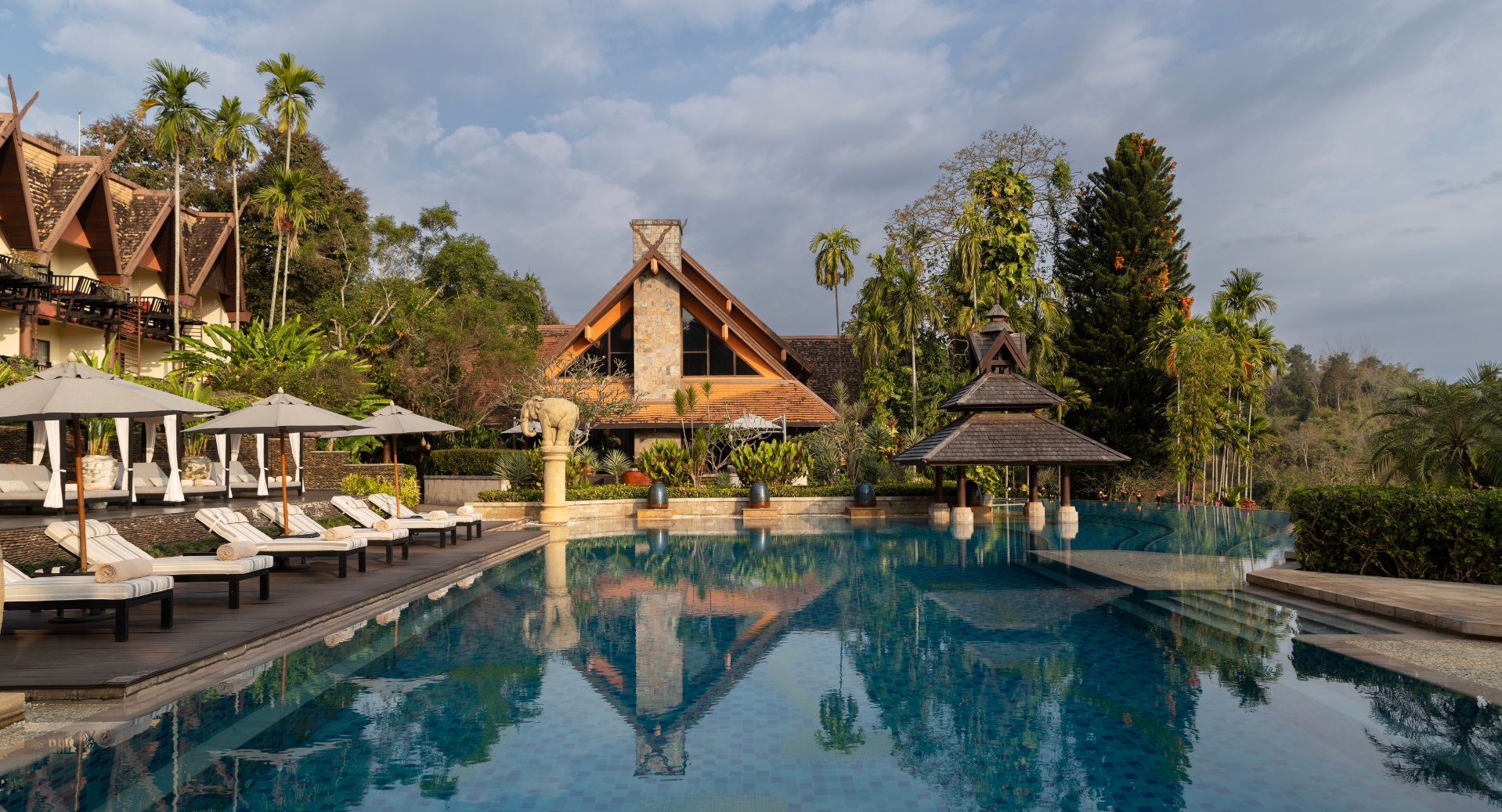
Where to Stay in Chiang Rai
5 recommended properties
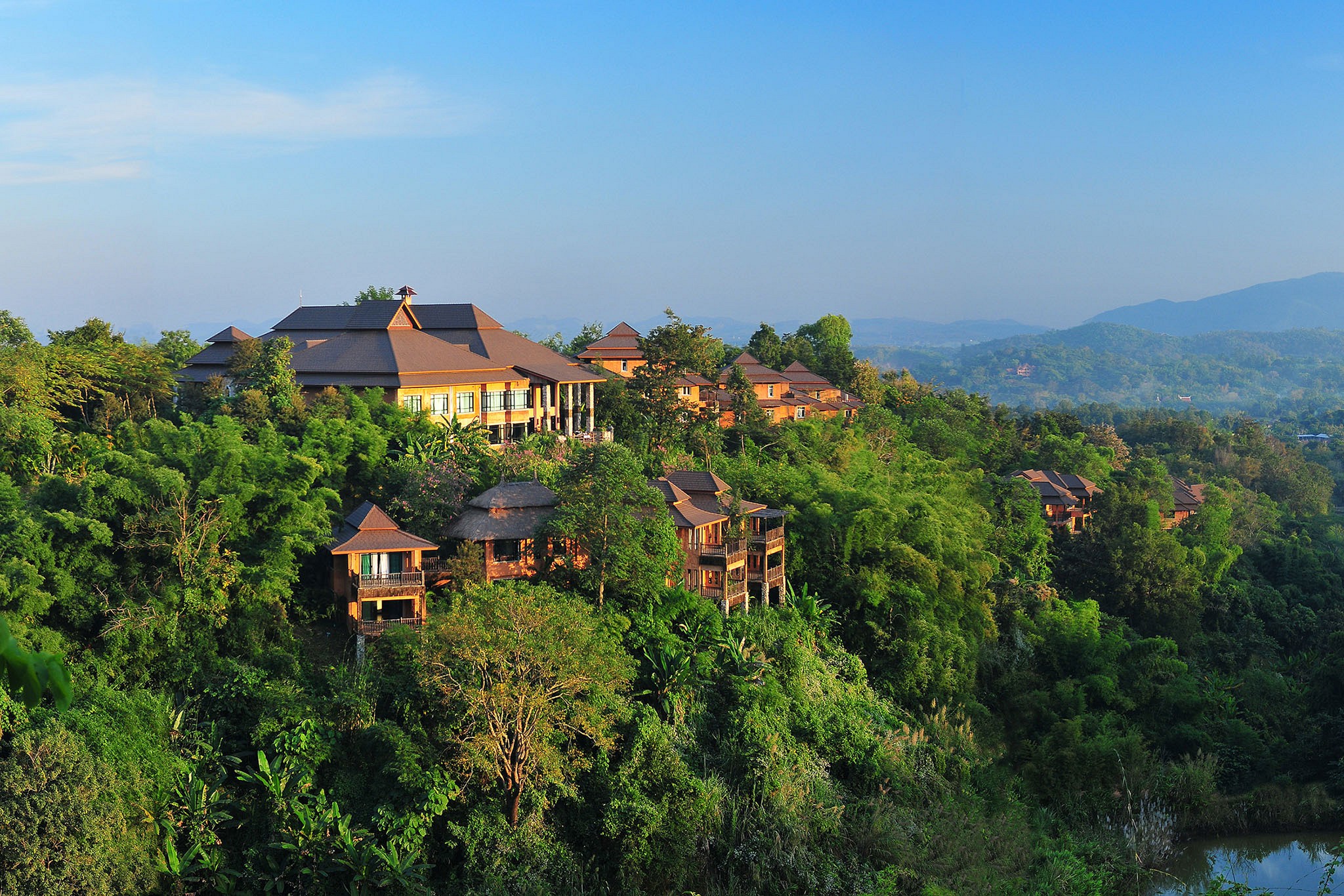
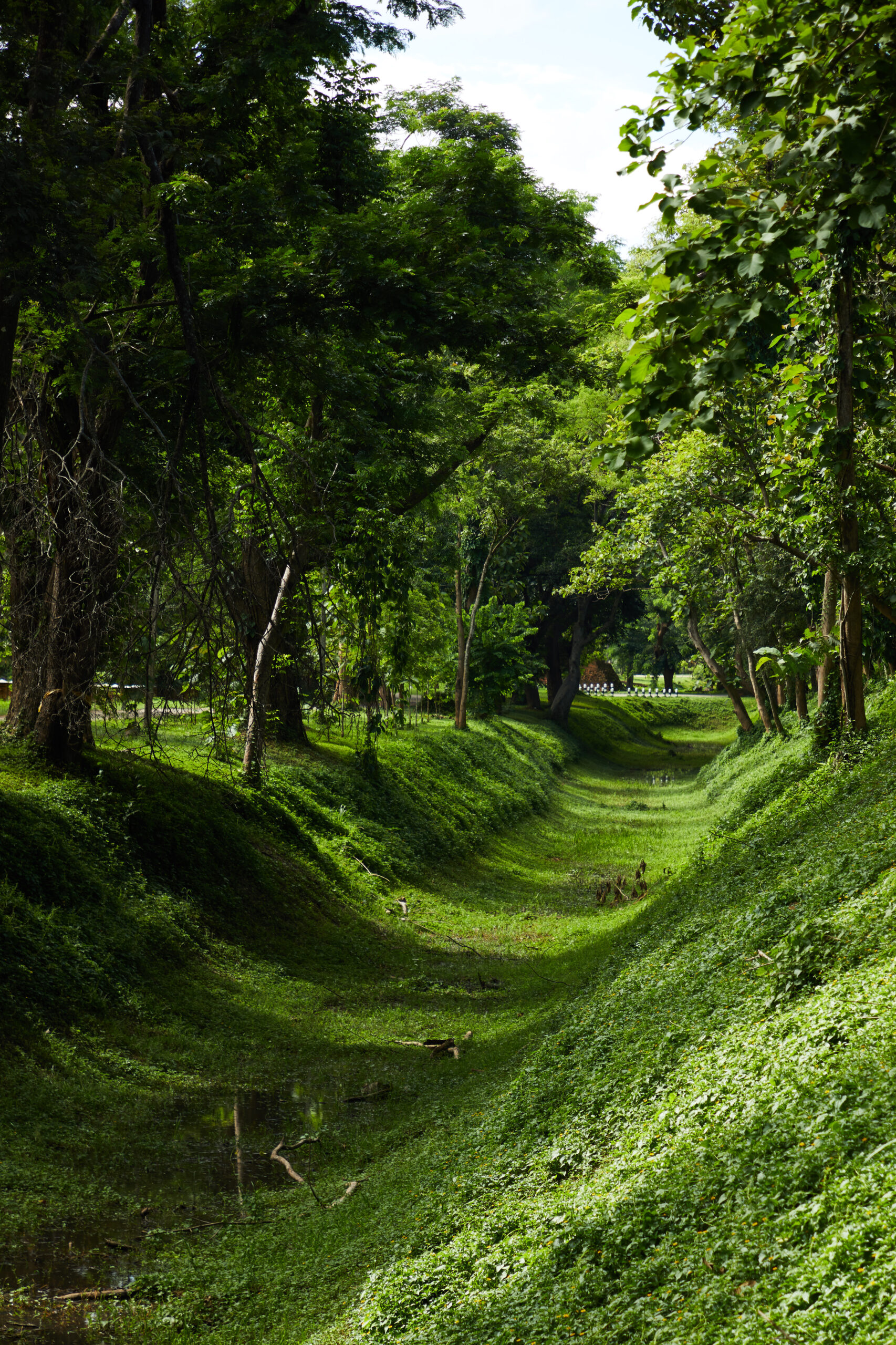
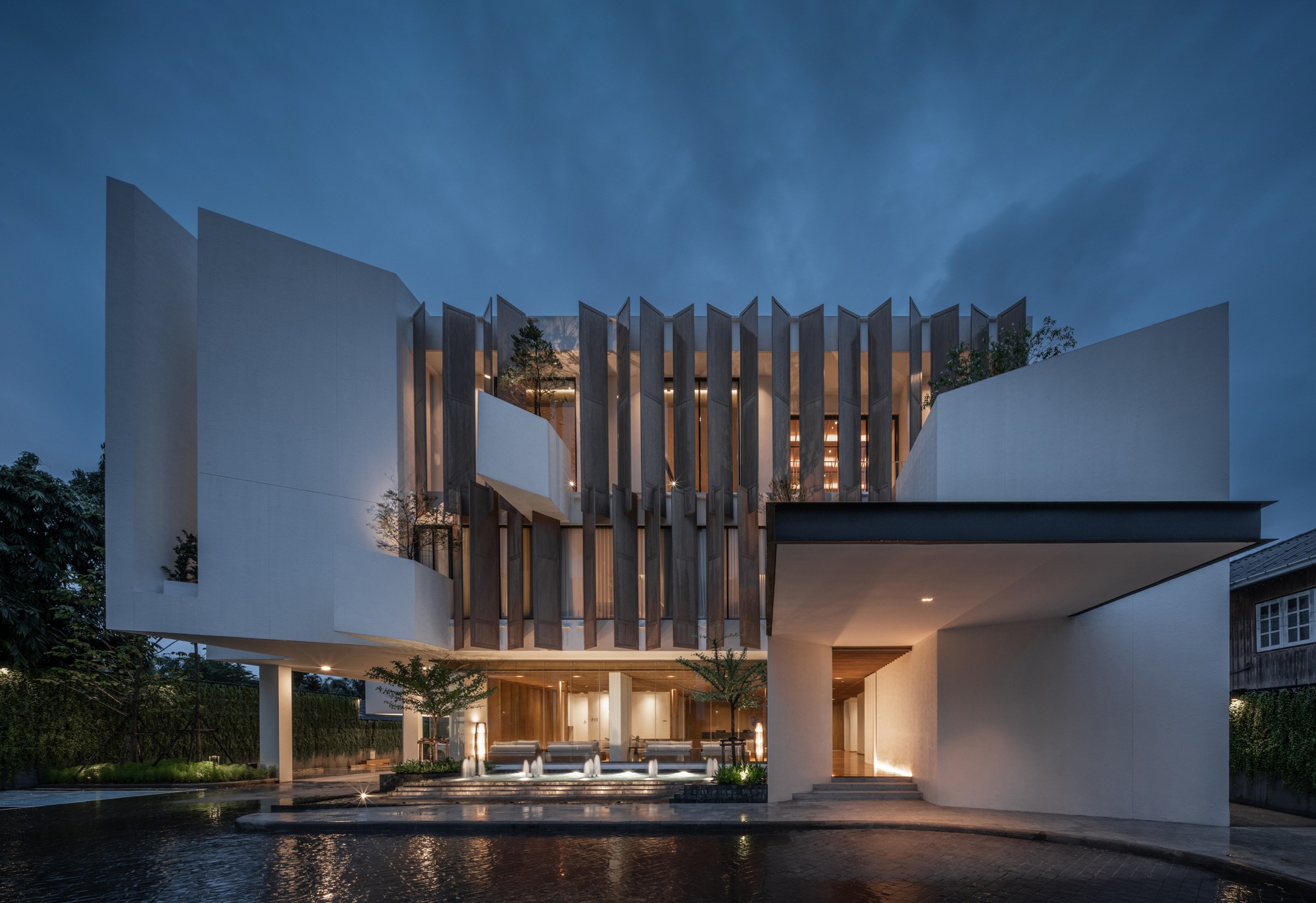
Things to Do in Chiang Rai
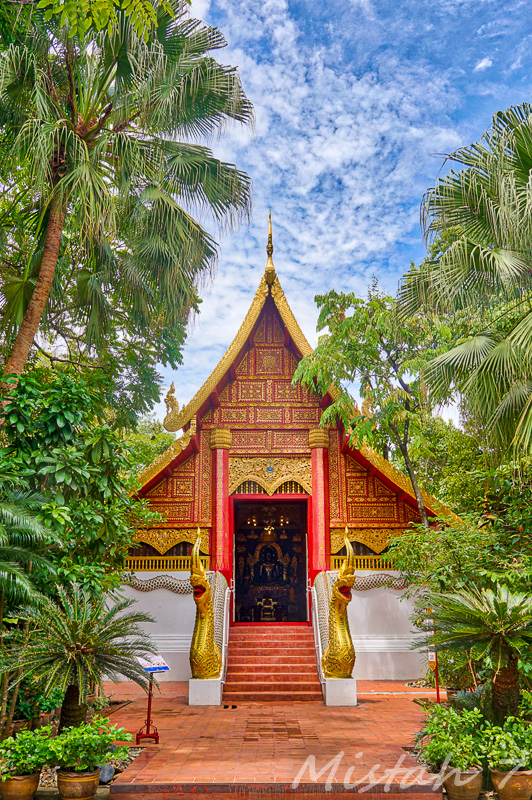
Wat Phra Kaew (Central Emerald Buddha Temple)
City Center / Wat Phra Kaew Area · 60 min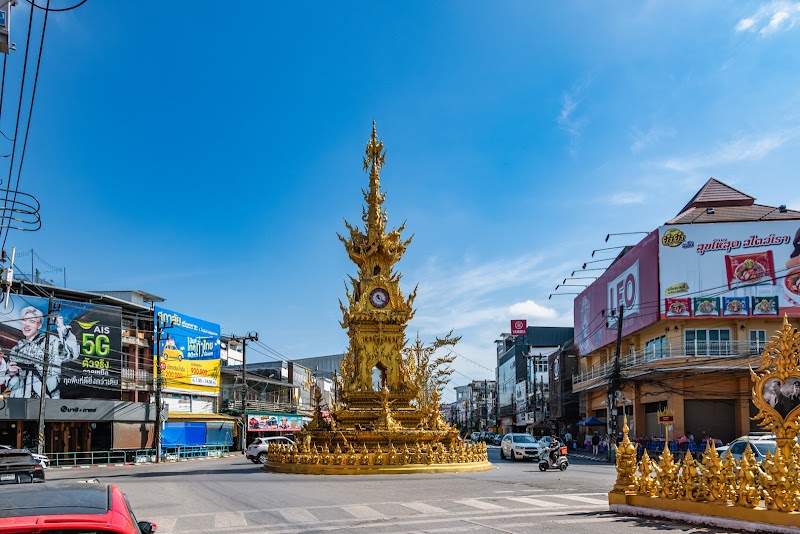
Chiang Rai Clock Tower & Surrounding Streets
Clock Tower / City Center · 45 min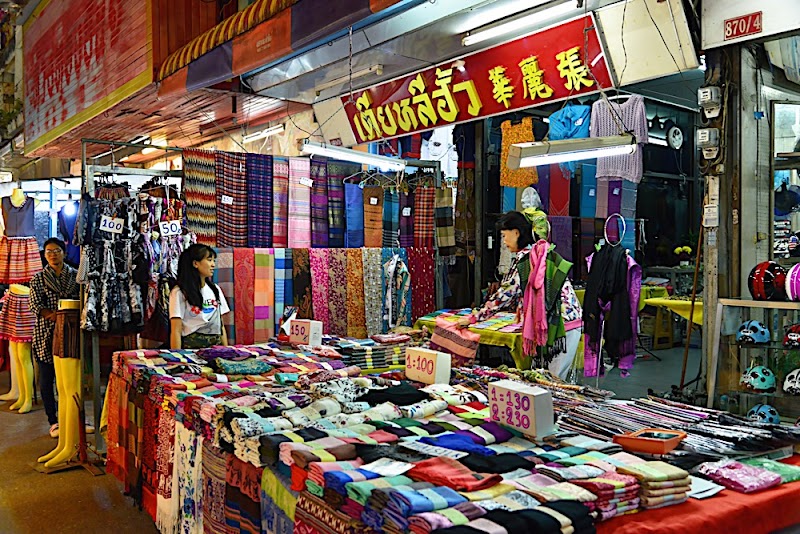
Chiang Rai Night Bazaar
Chiang Rai Night Bazaar / City Center · 120 minMoney-Saving Tips
- 1.Rent a scooter for multiple days—daily rates drop from 300 to 200 baht after day three
- 2.Visit temples early morning (6-8 AM) to avoid entrance fees at some smaller temples and tour groups
- 3.Eat at local markets instead of tourist restaurants—meals cost 40-80 baht vs 150-300 baht
- 4.Book accommodation during rainy season (June-October) for 40% lower rates with same quality
- 5.Buy coffee directly from hill tribe villages—1kg of premium beans costs 400 baht vs 800 in the city
- 6.Use songthaews (red trucks) instead of private taxis for day trips—negotiate group rates for 1,500 baht vs 3,000
- 7.Shop at Saturday Night Market for souvenirs—prices are 50% lower than hotel gift shops
Travel Tips
- •Download offline maps—cell service gets spotty in mountain areas between temples
- •Bring layers—December and January nights drop to 10°C while days reach 25°C
- •Learn basic Thai numbers—many vendors in hill tribe villages don't speak English
- •Carry cash—most temples, markets, and local restaurants don't accept cards
- •Respect photography rules—some temple areas prohibit photos, especially inside buildings
- •Start temple visits early—White Temple gets packed with tour buses after 9 AM
- •Pack mosquito repellent for evening market visits—dengue cases spike during rainy season
- •Book Mae Salong accommodation in advance—only a few guesthouses exist in this mountain town
- •Try local specialties like khao soi and sai ua—northern Thai cuisine differs significantly from central Thai food