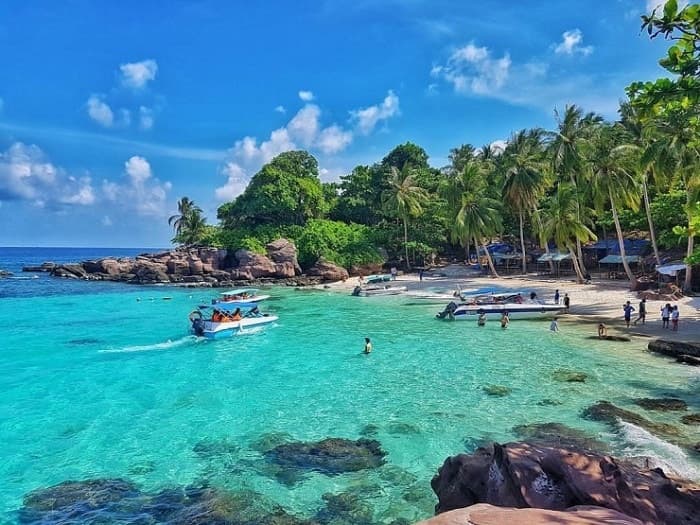
Phu Quoc
Vietnam's largest island paradise with pristine beaches and pepper farms
Phu Quoc sits in the Gulf of Thailand like Vietnam's answer to the Maldives, but with way better food and half the price. This teardrop-shaped island stretches 50 kilometers north to south, packed with white sand beaches that actually live up to the Instagram photos. You'll find pepper plantations that have been here for centuries, fish sauce factories that smell exactly like you'd expect, and resorts that range from backpacker-friendly to jaw-droppingly luxurious. The island's gotten more developed since the international airport opened, but venture beyond the main drag in Duong Dong and you'll still find fishing villages where life moves at coconut-palm speed.
Best Months
JAN · FEB · MAR · APR · NOV · DEC
~31°C · moderate crowds
Culture & Context
FISHING HERITAGE MEETS RESORTS
Phu Quoc is Vietnamese at its core, but it's gone through a decade of fast-track development that's layered a heavy international resort veneer on top. The island sits closer to Cambodia (4 km at its nearest point) than it does to the Vietnamese mainland (45 km), and that geographic isolation shaped a distinct local culture around fishing, pepper farming, and fish sauce production. The famous Phu Quoc fish sauce (nuoc mam) is still made here and locals are genuinely proud of it.
So are the pepper farmers in the interior, who have been growing black pepper for centuries. Buddhism is central to daily life. Pagodas like Su Muon and Sung Hung hold regular ceremonies and the Dinh Cau Temple at the river mouth in Duong Dong is where fishermen pay respects to Thien Hau, their patron goddess, before heading out to sea.
It's worth showing up there around sunrise to watch that happen. The island is technically a Special Economic Zone, which is why many nationalities can enter visa-free directly. That status has also funneled extraordinary investment into the south end of the island, transforming it from quiet fishing territory into a sprawling resort complex in under a decade.
Some locals are adapting and thriving. Others have been quietly pushed further north. Dress modestly at religious sites, remove shoes before entering temples, and skip the public affection in conservative village areas.
Local Customs
SHOES OFF, ALWAYS
Remove your shoes before entering temples, pagodas, and many local homes. This is non-negotiable — just look for the pile of sandals at the entrance.. Bargaining is expected at traditional markets like Duong Dong Market and among street vendors.
At restaurants with printed menus, the prices are fixed. Don't confuse the two.. Tipping isn't mandatory but is genuinely appreciated at local restaurants and by tour guides.
Rounding up is the norm, not a formal percentage.. Dress modestly when visiting religious sites. Shoulders and knees covered.
You'll see vendors near popular temples selling cover-up wraps for exactly this reason.. Don't point your feet toward altars or Buddha images inside temples. Sit cross-legged or kneel instead..
Greet older locals with a slight head bow — it costs nothing and earns a lot of goodwill.. Do not drink tap water anywhere on the island. Every guesthouse and resort provides bottled water.
Buy in bulk at convenience stores — it's far cheaper than grabbing individual bottles at tourist spots.
Safety
MOTORBIKES & MARKET SENSE
Phu Quoc is generally safe and violent crime against tourists is extremely rare. The island even has a dedicated tourist rapid response team available 24/7. That said, it's not risk-free.
Here's what actually matters: Motorbikes are the biggest real hazard. Most tourist injuries on the island involve them. Secondary roads outside Duong Dong have potholes, loose gravel, poor lighting, and no guardrails in spots.
Never ride at night on unlit roads, especially after drinking. Always wear a helmet (it's legally required and actually important). Use Grab for transparent, metered pricing instead of flagging down traditional taxis, some of whom conveniently forget how meters work.
At markets, vendors routinely quote higher prices to foreign faces — that's just how markets work, not a scam. Negotiate politely and check a few stalls before committing. Watch out for motorbike rental shops that claim pre-existing damage was caused by you on return — photograph the bike thoroughly before you ride off.
Book accommodation through Booking.com, Agoda, or directly with hotels. A wave of fake hotel websites and unofficial apps has caused booking nightmares for some visitors, particularly around peak holidays.
Don't drink tap water. Swim only in designated areas during the rainy season (May–October) when currents can be unexpectedly strong. The island has two reliable hospitals: Vinmec Phu Quoc International Hospital (Long Beach area) and Phu Quoc General Hospital.
Getting Around
FLY OR FERRY IN
Flying in is the fastest and most reliable option. Domestic flights from Ho Chi Minh City take about 1 hour 20 minutes with multiple daily departures, and budget fares start around $30–70 USD. From Hanoi it's about 2.
5 hours. Airlines operating the route include Vietnam Airlines, VietJet, Bamboo Airways, and Sun Phu Quoc Airways. In March 2026, Phu Quoc International Airport (PQC) launched a major infrastructure upgrade including biometric immigration gates that cut processing time from 18 to 6 minutes per traveler, plus 15 new international routes.
Direct service now runs from Bangkok, Singapore, Kuala Lumpur, Hong Kong, Seoul, and Taipei. If you're coming from the southern Vietnamese mainland, the ferry from Ha Tien to Phu Quoc takes 1.5 hours and costs about $7–12 USD.
From Rach Gia it's 2.5 hours at $9–15 USD. Scenic, but weather-dependent.
On the island, renting a motorbike is the most practical way to get around at 80,000–180,000 VND per day ($3–7). The main north-south highway is well-paved. Side roads are not.
Use Grab for in-town rides, especially at night. Taxis exist but always insist on the meter. The island is 48 km long, so plan your accommodations relative to what you want to do — staying in the far north and trying to visit Sao Beach in the south is a serious time commitment each way.
Useful Phrases
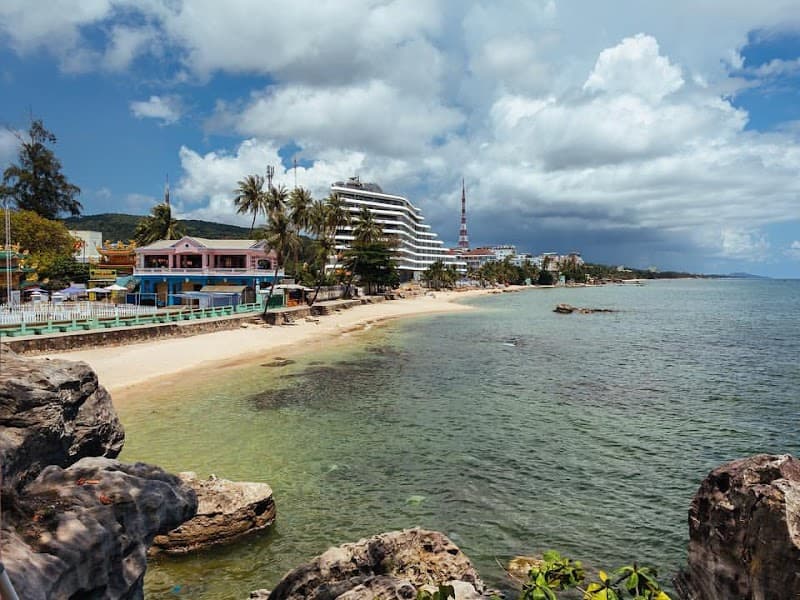
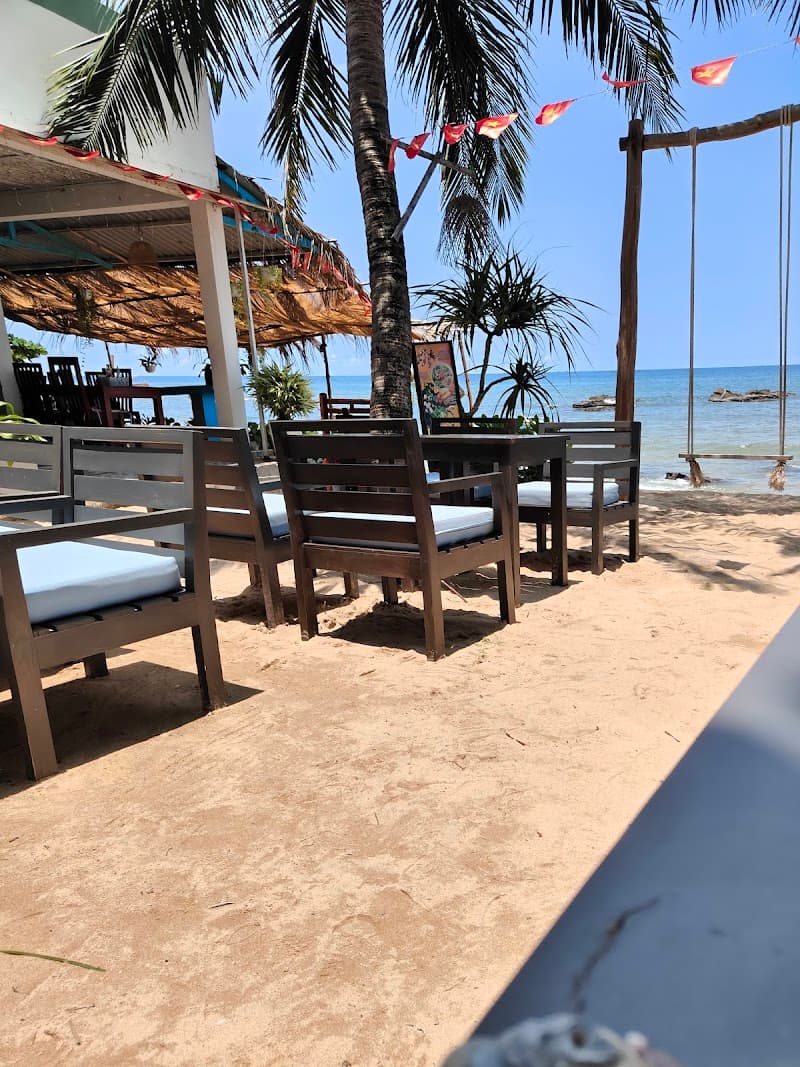
Things to Do in Phu Quoc
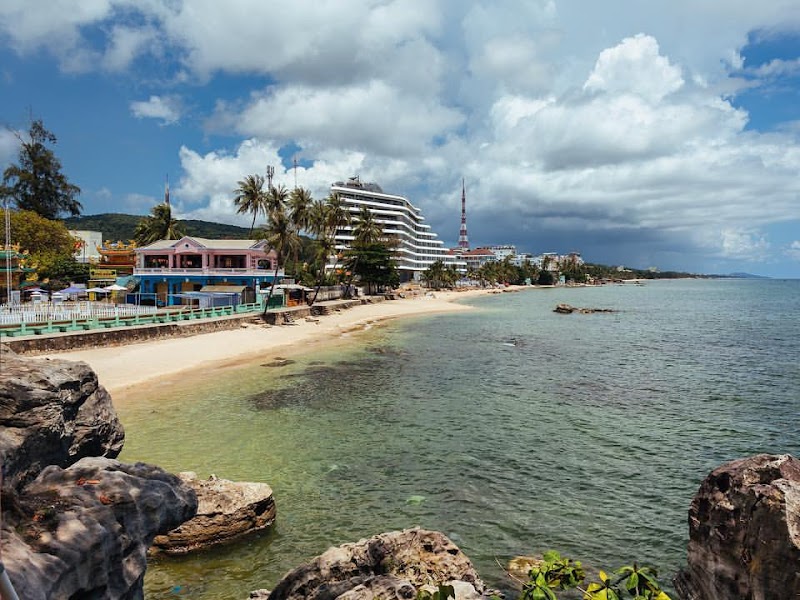
Duong Dong Riverfront Walk
Duong Dong · 60 min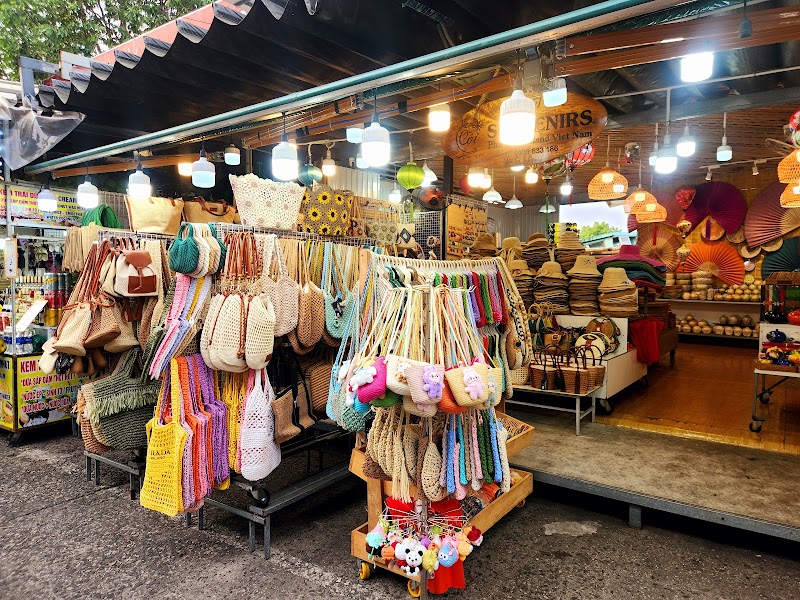
Dinh Cau Night Market (Cho Dem Phu Quoc)
Duong Dong · 120 min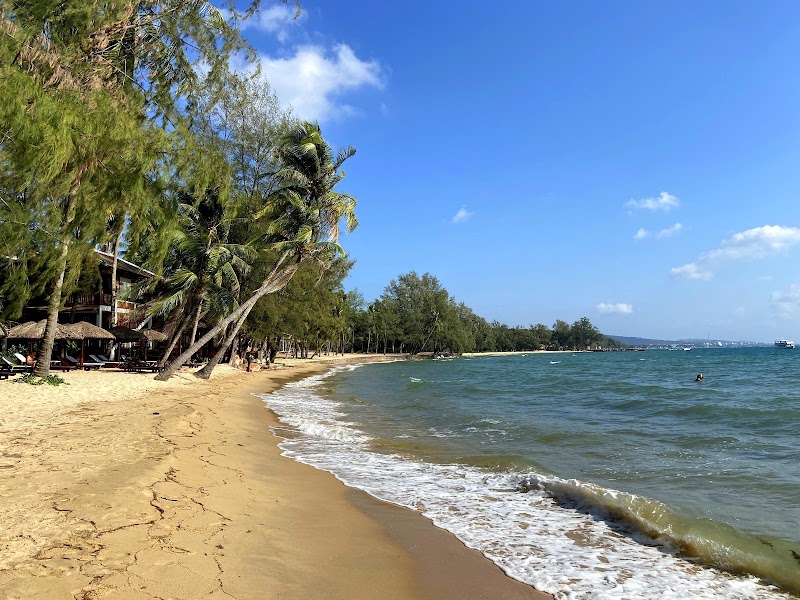
Ong Lang Beach
Ong Lang · 150 minMoney-Saving Tips
- 1.Rent a motorbike for $5/day instead of taking taxis everywhere - you'll save $20-30 daily on transportation
- 2.Eat at local markets rather than beachfront restaurants to cut food costs by 60-70%
- 3.Visit during shoulder season (April or November) for 30-40% lower accommodation rates
- 4.Book domestic flights from Ho Chi Minh City at least 3 weeks ahead to get $50 tickets instead of $80
- 5.Buy pepper and fish sauce directly from producers rather than souvenir shops - same quality, half the price
- 6.Stay in Duong Dong town and bike to beaches instead of beachfront resorts to save $50-100 per night
Travel Tips
- •Download offline maps before exploring - cell coverage gets spotty in the island's interior
- •Pack reef-safe sunscreen as the coral around An Thoi islands is already stressed
- •Bring a waterproof phone case for boat trips and water activities
- •Learn basic Vietnamese numbers to negotiate better prices at markets
- •Book cable car tickets online to skip the often 30-minute queues
- •Keep your passport handy - some activities require ID verification on the spot
- •Wear closed shoes when visiting pepper farms to protect against fire ants
- •Carry cash as many local restaurants and activities don't accept cards