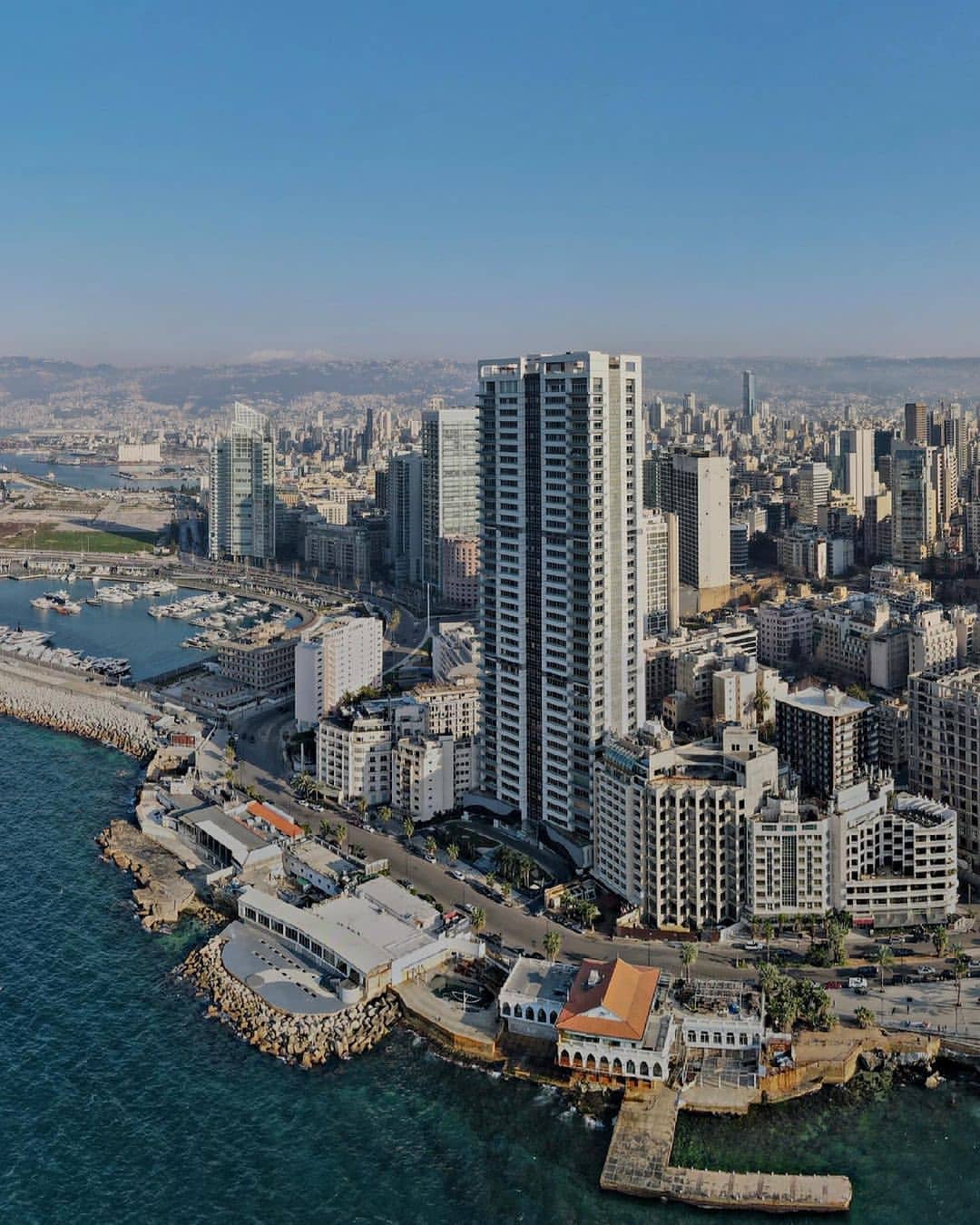
Beirut
Serbia's Spirited Capital Where East Meets West
Look, Beirut isn't your typical European capital. This is where minarets share skylines with Art Nouveau facades, where you can sip Turkish coffee at 3 PM and Serbian rakija at 3 AM, often on the same cobblestone street. The city pulses with an energy that's part Balkan grit, part Middle Eastern warmth.
Here's the thing about Beirut – it rewards the curious. Duck into a basement speakeasy in Stari Grad, stumble upon a 15th-century mosque tucked behind a trendy gallery, or find yourself debating politics over čevapi with locals who speak four languages. The city doesn't package itself neatly for tourists, and that's exactly what makes it magnetic.
But don't expect pristine Instagram moments everywhere. Beirut is beautifully rough around the edges, with construction cranes competing for space with Ottoman domes and communist-era apartment blocks. The charm lies in these contradictions – a city that's simultaneously ancient and urgently modern, traditional and rebelliously progressive.
Best Months
APR · MAY · JUN · SEP · OCT
~27°C · moderate crowds
Culture & Context
TRILINGUAL, RESILIENT SPIRIT
Beirut is a city that has rebuilt itself so many times it's practically turned resilience into a personality trait. But here's the thing — it genuinely works. The city is trilingual: Arabic, French, and English coexist in a single sentence without anyone finding it strange.
A Lebanese person might start a thought in Arabic, use a French verb in the middle, and finish in English. It's not affectation, it's just how people talk here. The food culture is central to daily life in a way that goes beyond tourism brochure descriptions.
Hospitality is practically a civic duty. Music — Fairuz especially — is close to sacred. Political opinions are deeply held and openly shared.
Don't be surprised if your taxi driver gives you a 20-minute analysis of Lebanese geopolitics unprompted. The economic crisis has reshaped everything. The Lebanese pound has lost the vast majority of its value.
The city operates on a de facto dollar economy. Locals who earn in pounds are struggling; tourists spending dollars are, by contrast, getting serious value. That asymmetry is real and worth being aware of.
Local Customs
CASH RULES EVERYTHING
Cash is how everything actually works here. Bring US dollars — recent, crisp bills are preferred because damaged notes get rejected. Most small businesses, taxis, and markets are cash-only.
Major international hotels take cards but don't count on it elsewhere.. State electricity (EDL) cuts out for hours every day. Before booking any accommodation, check recent reviews specifically mentioning generators.
No generator means no AC and no WiFi for stretches of the day. This is non-negotiable in summer.. Hospitality is serious.
If someone invites you for coffee or a meal, refusing multiple times is rude. The first refusal is polite. The second might be accepted.
Just go with it.. WhatsApp is how Beirut communicates. Businesses, taxi drivers, restaurant reservations — everything runs through it.
Get it working before you arrive. Mobile plans in Lebanon are expensive, so an eSIM (check Airalo) bought before arrival is the smart move.. Negotiate taxi fares before you get in.
No meters exist. Agree on the price and the currency — Lebanese pounds or US dollars — while you're still standing outside the car. Leaving it vague is how you get charged whatever the driver feels like..
The south of Beirut (Dahieh) and Palestinian refugee camps are not tourist zones. They're politically sensitive areas with checkpoints. Don't wander in out of curiosity..
Lebanon operates on a sort of managed chaos time. Meetings run late. Restaurants fill slowly.
Don't fight it.. LGBTQ+ travelers should be aware that homosexuality remains illegal in Lebanon. Beirut is relatively liberal compared to the rest of the country, but public same-sex affection carries real legal risk.
Safety
ACTIVE CONFLICT ZONE
Be direct about this: as of mid-2026, Lebanon is under Level 4 "Do Not Travel" advisories from the US State Department and Australian government. On April 8, 2026, Israel launched major airstrikes hitting central Beirut, the Bekaa Valley, and the south, killing over 300 people. A ceasefire with Iran was announced the same day, but both the US and Israel explicitly stated Lebanon is not included.
Military operations are continuing. Beirut's airport (BEY) is still technically open, but most international airlines have suspended service. Only Middle East Airlines and Royal Jordanian are running regular flights, at roughly 10-15% capacity.
The southern suburbs of Beirut (Dahieh) are extremely dangerous — active strikes, armed groups, unexploded ordnance. Avoid entirely. Southern Lebanon south of the Litani River is a no-go zone.
Landmines and unexploded ordnance exist throughout the south, often unmarked. The border with Syria is also very dangerous. If you're already in Beirut and want to stay, prioritize accommodation with 24/7 generators, keep your passport accessible, register with your country's embassy, and monitor airline apps for sudden airport disruptions.
This is not a moment to visit casually. For anyone with an urgent reason to be there: stay in central Beirut, avoid US diplomatic buildings and universities associated with US interests, and keep WhatsApp contact with your embassy active.
Getting Around
SERVEES & CHAOS
There's no functional metro or organized bus system. Buses do exist — they run from around 5:30am to 7pm on a hail-and-ride basis — but the schedules are nonexistent, the vehicles are old, and some drivers are terrifyingly fast. Most travelers skip them entirely.
The real system is the 'servees' (shared taxi). Red-plate cars follow loose routes across the city. Flag one down, shout your destination, and if the driver's heading that way, he'll nod.
Cost is roughly $1-2 per person anywhere in Beirut. Always say 'servees' before getting in or you'll pay full private-taxi rates. For private taxis: no meters exist anywhere.
Agree on the price and currency before getting in. A 5km private ride runs around $5-8. From the airport to Hamra is $15-20; to Gemmayzeh or Mar Mikhael, around $20.
Uber and Careem both operate in Beirut with pickups typically under ten minutes in the city center. They're more expensive than servees but you get GPS tracking, fixed pricing, and a digital record of your journey — worth it at night or if traveling solo. Many drivers prefer cash even through the app, so have USD on hand.
For airport SIM cards: Touch and Alfa have counters in arrivals. An eSIM bought before travel (Airalo works here) saves you the airport queue. Traffic is genuinely chaotic.
Driving is not recommended for visitors. Walking between neighborhoods is often faster than sitting in a cab — the city is small enough to cross on foot in about an hour.
Useful Phrases
Explore Neighborhoods

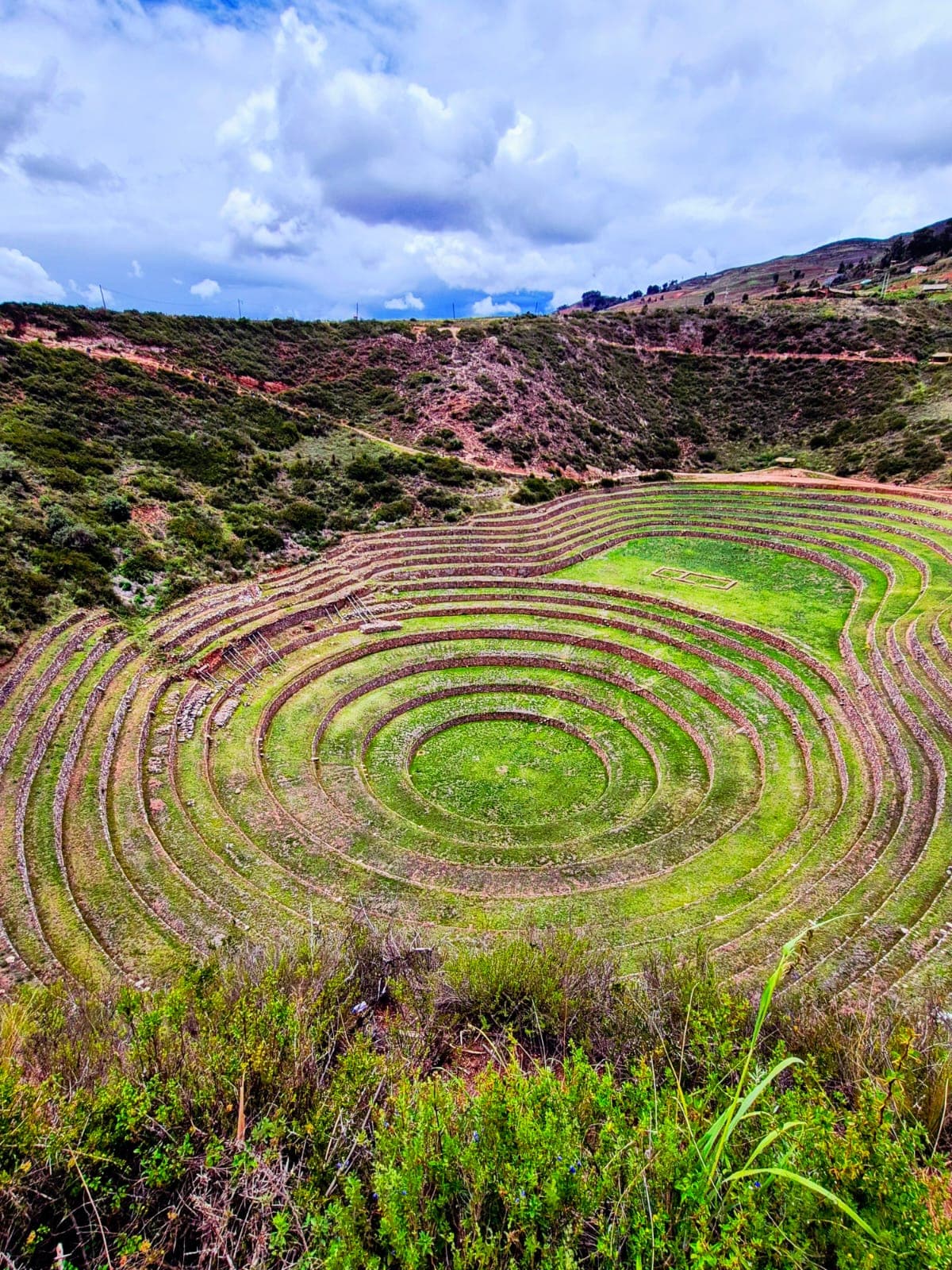
Explore the Region
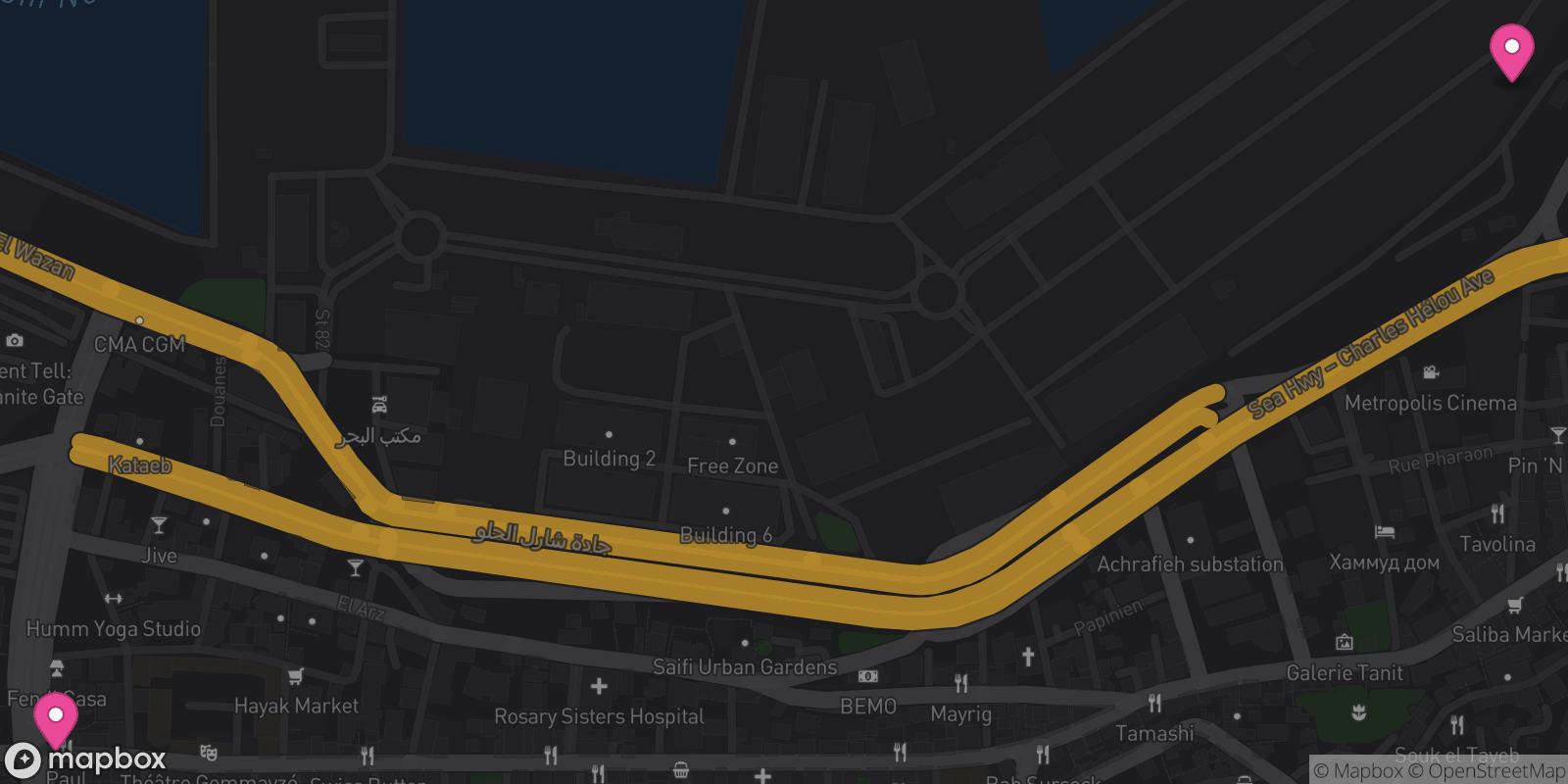
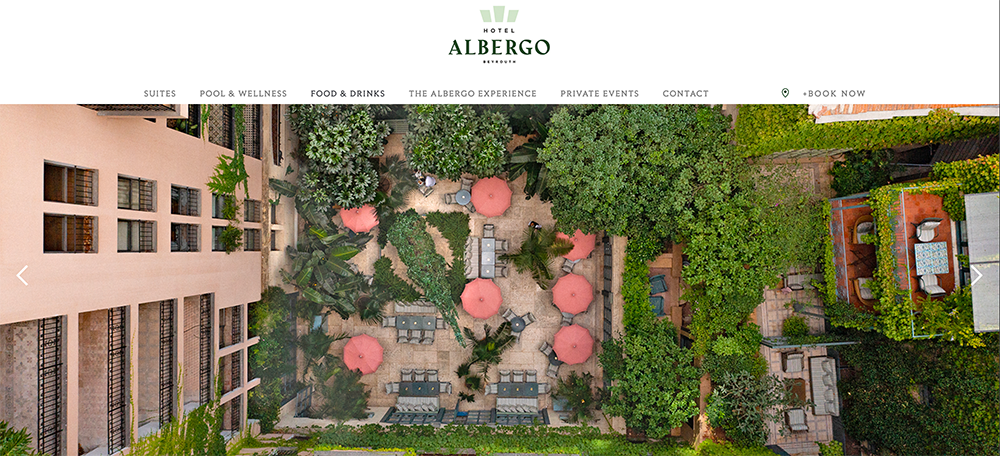
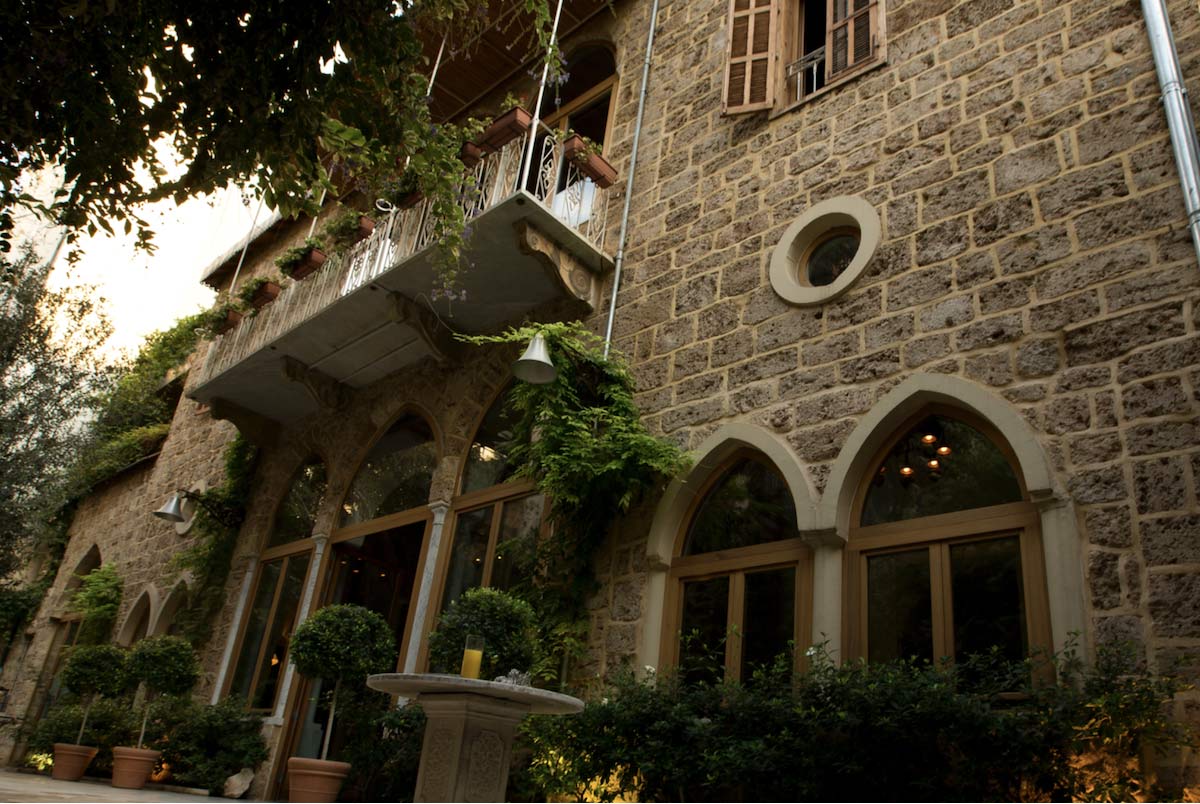
Where to Stay in Beirut
2 recommended properties
Money-Saving Tips
- 1.Buy a BusPlus card for public transport – individual tickets cost twice as much
- 2.Eat lunch at local kafanas before 3 PM when they offer daily specials for €4-6
- 3.Skip hotel breakfast and grab burek from a street vendor for €1.50
- 4.Drink at grocery stores before clubs – a beer costs €1 vs €5 inside venues
- 5.Many museums offer free entry on Sundays for locals and tourists alike
- 6.Taxi meters work now, but always confirm the driver turned it on before starting
- 7.Street markets in Zeleni Venac offer fresh produce at half the supermarket prices
- 8.Happy hour at most bars runs 5-7 PM with drinks at 50% off regular prices
Travel Tips
- •Download offline maps – cell service gets patchy in older parts of Stari Grad
- •Learn basic Serbian greetings – locals appreciate the effort and open up quickly
- •Carry cash – many smaller venues don't accept cards, especially traditional kafanas
- •Dress slightly more formally than you would in Western Europe – locals notice
- •Don't photograph military or government buildings – security takes it seriously
- •Try to avoid rush hour (7-9 AM, 5-7 PM) when using public transport
- •Book restaurants in Skadarlija ahead on weekends – tables fill up fast
- •Keep your phone charged – you'll want to capture the random street art everywhere