
Christchurch
New Zealand's resilient garden city rising from renewal
Christchurch isn't the same city it was fifteen years ago. And that's exactly why you should visit. New Zealand's second-largest city has rebuilt itself from the ground up, creating something remarkable in the process. Modern architecture sits alongside century-old gardens. Food trucks serve Korean tacos next to award-winning fine dining. The Avon River still winds through the center, but now it's flanked by pop-up bars and street art that tells stories of resilience. Look, this isn't your typical tourist destination. Christchurch earned its stripes the hard way, and the result is a city that feels both brand new and deeply rooted. The earthquakes of 2010 and 2011 devastated the downtown core, but they also created space for innovation. Today, you'll find shipping container malls, earthquake-proof buildings that look like art installations, and a community spirit that's infectious. The Canterbury Plains stretch endlessly to the west, while the Port Hills rise to the south. It's a city that knows how to appreciate what it has.
Best Months
JAN · FEB · MAR · APR · DEC
~21°C · high crowds
Culture & Context
EARTHQUAKE-REBUILT GARDEN CITY
Christchurch (called Ōtautahi in te reo Māori) is New Zealand's second-largest city and the South Island's main hub, with around 400,000 people. Locals still call it the "Garden City," and honestly, it fits. Hagley Park alone is bigger than Central Park.
But here's the thing: this place has a dual identity. Half of it is brand-new, rebuilt from scratch after the devastating 2010–2011 earthquake sequence that killed 182 people and wiped out huge chunks of the city centre. The other half still carries the old bones, heritage facades, and the Anglican Cathedral that still sits in Cathedral Square in various states of restoration.
That tension is visible everywhere. You'll walk from a sleek glass library (Tūranga) to an empty lot to a Victorian stone building in about three minutes. The rebuild isn't finished, and locals are blunt about that.
The city is drier and sunnier than Auckland and Wellington, with a real four-season climate. Winters bring genuine frost. The connection to Antarctica is more than geographic: Christchurch is literally the gateway city for most Antarctic expeditions, and you can feel it in the scientific and adventurous culture of the place.
Māori language and culture are woven into daily life, with te reo words appearing on street signs, in place names, and in everyday conversation. The city's Māori name, Ōtautahi, is increasingly used alongside Christchurch in official contexts. Expect outdoorsy, direct, and unpretentious locals.
They're proud of how far the city has come, but they won't oversell it to you.
Local Customs
NO TIPPING, LAYERS ALWAYS
No tipping is expected at restaurants, cafés, or bars. Prices include tax. What's on the menu is what you pay.
If you leave a few coins it's appreciated but not assumed.. New Zealand drives on the left. If you're renting a car, this is your most significant safety adjustment.
Give yourself a full day before attempting narrow Canterbury back roads.. New Zealand's biosecurity laws are strict and enforced with real fines. Declare all food, plant material, and outdoor equipment at customs.
Officers will check, and the DOC (Department of Conservation) takes it seriously.. Māori culture and te reo Māori language are active parts of daily Christchurch life, not a tourist display. Pronounce place names correctly — Ōtautahi, Ōtākaro (the Avon River), Tūranga.
Locals notice and appreciate the effort.. The concept of 'she'll be right' extends into how businesses operate — opening hours can be flexible, especially at smaller cafés and independent stores. Don't assume a place is open just because Google says so..
The Riverside Market on Oxford Terrace is the social hub of the CBD. Friday morning is peak dumpling time — queues form early and the best stalls sell out by 1pm. Go by 10am if you want options..
Christchurch weather changes fast. A clear Canterbury morning can become a cold southerly wind by afternoon. Locals carry layers even in summer.
Take this seriously if you're heading up the Port Hills or into Banks Peninsula.. Alcohol is sold from licensed supermarkets and bottle stores (liquor shops), not general dairies. Sunday trading hours can be shorter.
Most bars and pubs close around 2–3am on weekends.
Safety
WATCH YOUR CAR
Christchurch is a low-risk destination by any global standard. New Zealand ranked third in the 2025 Global Peace Index, and most visits are completely trouble-free. The main practical risks are boring but real: petty theft, car break-ins, and late-night situational awareness.
Don't leave anything visible in your parked car. This is the single biggest practical tip for Christchurch and New Zealand broadly. Scenic lookouts, trailheads, and beach car parks are popular targets for smash-and-grabs.
Daytime safety is high across most of the city — around 80% of residents and visitors say they feel completely safe during daylight. Nighttime is a different story in some pockets. Eastern suburbs (Aranui, Phillipstown) see higher crime rates than tourist areas and the CBD. After dark in the central city, stick to well-lit streets and populated areas. Keep your drinks in sight at bars and clubs.
Earthquakes are a real background consideration. Christchurch sits in an active seismic zone. Download the GeoNet app, note the emergency exits in your accommodation, and know that locals take earthquake preparedness seriously (with good reason). The city has rebuilt to modern seismic standards, but being prepared is just sensible.
Christchurch has a place in the world's memory from the 2019 mosque attacks. New Zealand's current terrorism threat level is classified as "possible" — meaning an attack is considered possible, not likely or expected. Day-to-day street safety remains genuinely low-risk.
Emergency number: 111 (police, fire, ambulance). For non-urgent police matters: 105.
Getting Around
WALKABLE, FLAT, CYCLED
Getting around Christchurch is genuinely easy. The city is flat, well-planned, and increasingly cycle-friendly, with extensive separated bike lanes built into the post-earthquake rebuild. Most major attractions sit inside the Four Avenues — the square boundary of the city centre — so walking covers a lot of ground.
The Metro bus network runs 29 routes and covers everything from the CBD to the airport, Sumner, and outer suburbs. The big news as of late 2025: you can now tap on with a contactless credit card, debit card, Apple Pay, or Google Pay through the new national Motu Move system. Cash fares are NZD $4.00 — use contactless instead. For regular use, a MetroCard (buy at the Bus Interchange on the corner of Lichfield Street and Colombo Street, cost NZD $10 to buy plus minimum NZD $10 credit) saves you at least 25%. Kids under 5 ride free.
For event nights at One New Zealand Stadium, Metro now runs a dedicated Event Direct shuttle service. Worth booking in advance for big shows.
Airport connections run on Route 29 — buses every 10 minutes on weekdays, every 15 minutes on weekends. Board from the northern end of International Arrivals (near Door 9 by the Novotel). Note: MetroCards aren't sold at the airport, so either tap your phone or have NZD $4 cash ready on arrival.
The Black Cat Ferry connects Lyttelton to Diamond Harbour. Adults pay NZD $5 contactless. Worth it as a half-day trip, not just transport.
Cycling is genuinely viable for short trips within the city. Rideshare is available but surge pricing after late-night events is real — the stadium area gets expensive fast after 9pm. And if you're renting a car, remember New Zealand drives on the left.
Useful Phrases
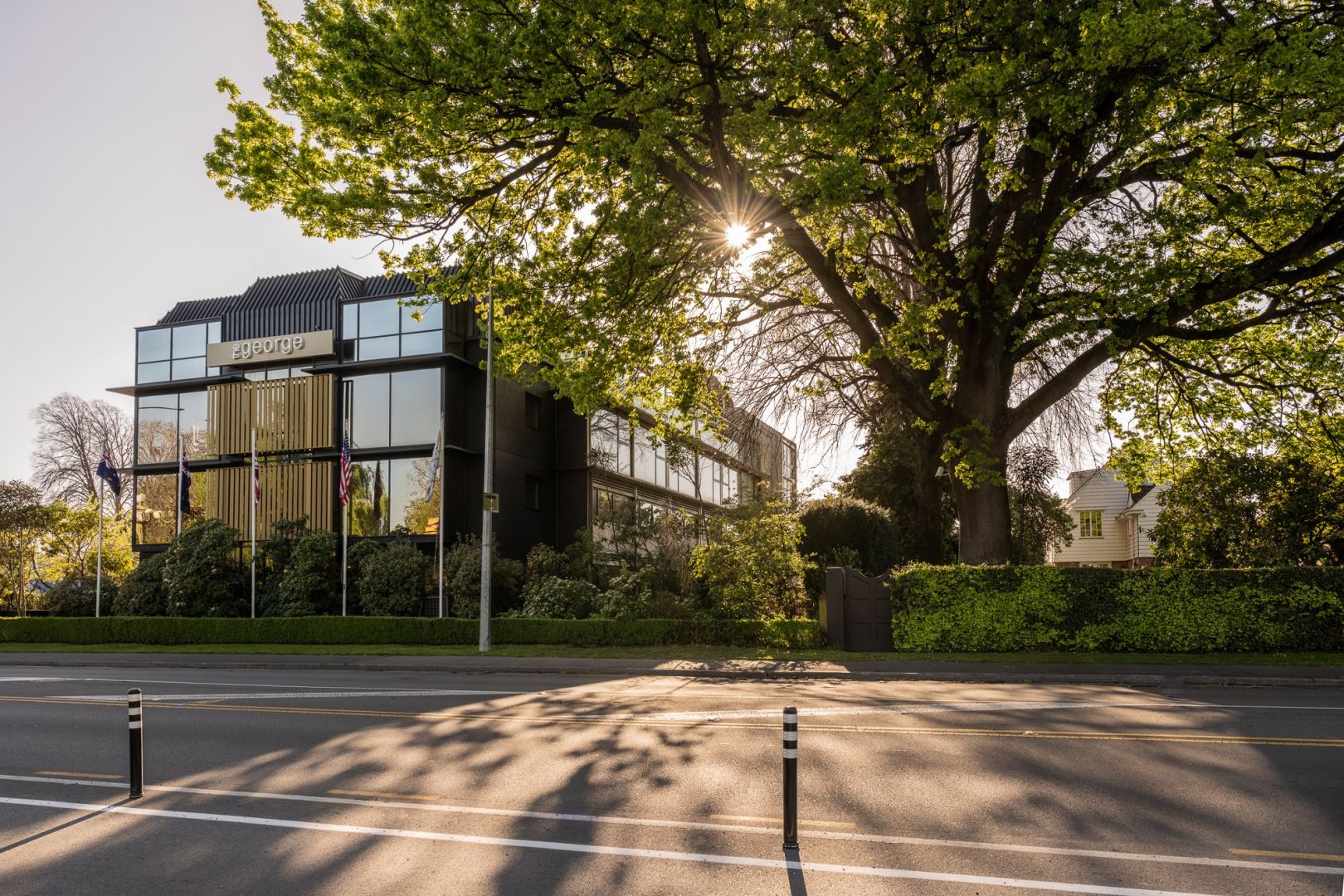
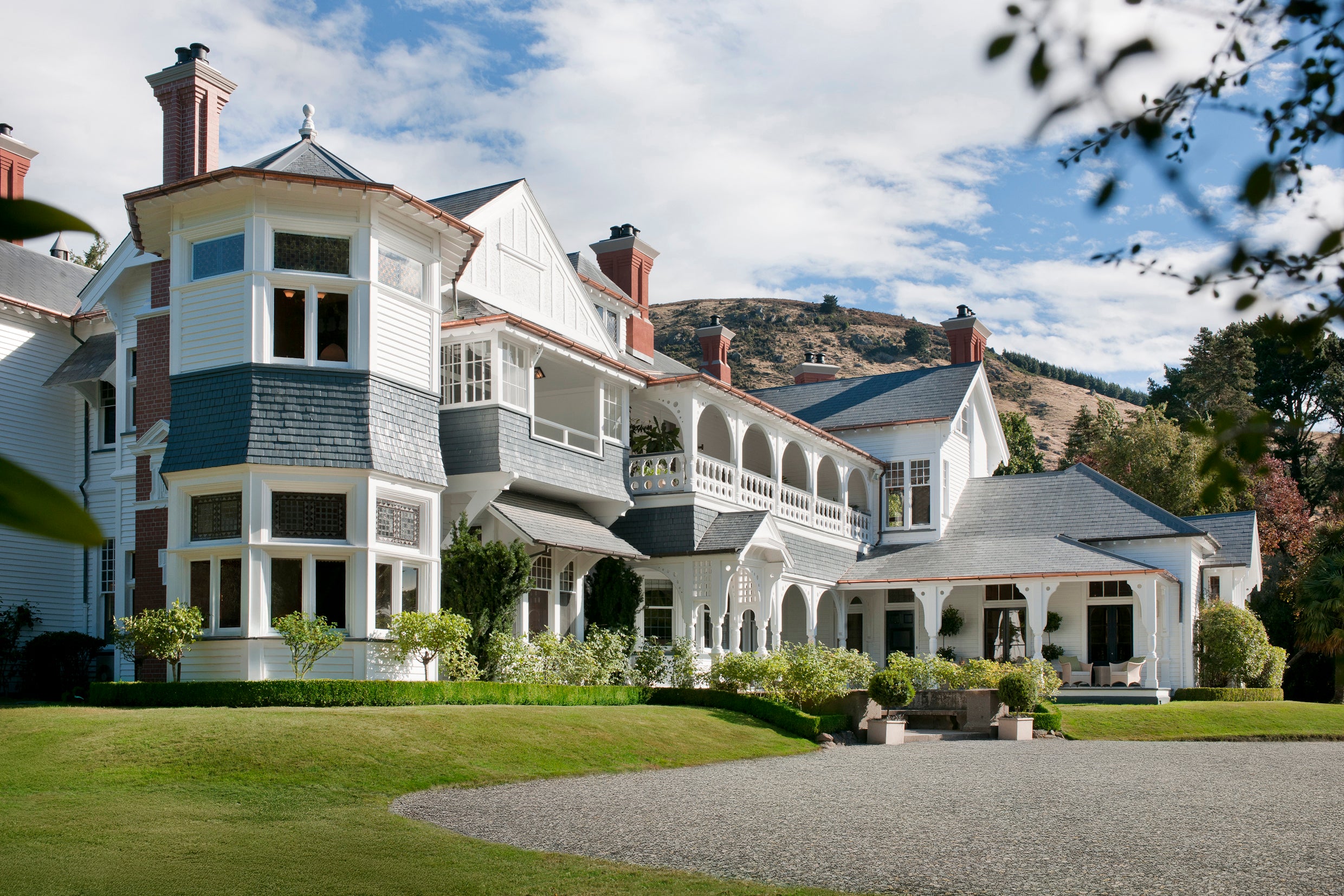
Where to Stay in Christchurch
2 recommended properties
Money-Saving Tips
- 1.Book accommodation outside school holidays (mid-December to early February) to save 30-40% on hotel rates
- 2.Buy a Metro Day Pass for $8.50 instead of paying per ride – it pays for itself after 3 bus trips
- 3.Shop at Pak'nSave Moorhouse for groceries instead of tourist-focused New World stores to cut food costs in half
- 4.Many museums and galleries offer free admission on certain days – Canterbury Museum is always free
- 5.Rent bikes from local shops ($25/day) rather than tourist operators ($45/day) for the same quality equipment
- 6.Happy hour runs 4-6 PM at most bars with $5-7 beers instead of regular $10+ prices
Travel Tips
- •Download the MetroInfo app for real-time bus tracking – printed timetables are often outdated
- •Carry a light jacket year-round – Canterbury weather changes quickly, especially near the coast
- •Book earthquake tour experiences in advance – they're popular and spots fill up during peak season
- •The rebuild continues throughout the city, so check road closures before driving to specific attractions
- •Tap water is excellent quality straight from the tap – no need to buy bottled water
- •Most cafes and restaurants close early on Sundays (around 3 PM) so plan weekend meals accordingly
- •The Antarctic Centre offers discounts for online bookings made 48+ hours in advance
- •Parking meters don't operate on Sundays, making it the best day to drive around the central city
Frequently Asked Questions
Explore Christchurch
BUILD YOUR
CHRISTCHURCH PLAN
Insider picks, smart timing, and a plan ready when you are.
Start Planning