Colombo
Sri Lankan Gateway Blending Colonial Heritage with Modern Tropical Dynamism
Colombo doesn't try to be pretty in the postcard way. Instead, it hits you with the real stuff – tuk-tuks weaving through colonial buildings, curry steam rising from street corners, and that particular energy of a city caught between centuries. This is Sri Lanka's gateway, where Dutch forts meet glass towers and every meal costs less than your morning coffee back home.
The city sprawls along the Indian Ocean, mixing Pettah's chaotic markets with Cinnamon Gardens' leafy streets. You'll find Buddhist temples next to mosques, cricket matches in Galle Face Green, and some of the best hoppers outside someone's grandmother's kitchen. It's not always smooth – the traffic is legendary, the monsoons are real, and the heat can flatten you. But that's exactly why it works.
Best Months
JAN · FEB · MAR · JUL · AUG · DEC
~31°C · moderate crowds
Culture & Context
COLONIAL LAYERS, MODERN BUZZ
Colombo is Sri Lanka's commercial and financial engine, shaped by three waves of colonial rule — Portuguese, then Dutch, then British — on top of a foundation that's been trading for over 2,000 years. That layering shows up everywhere: a red-and-white candy-striped mosque sits next to a colonial-era Dutch church. Buddhist temples share blocks with Hindu kovils.
The city runs on Sinhala and Tamil, but English works fine in most restaurants, shops, and anywhere that sees tourists. People are genuinely warm. Tipping is not required but is deeply appreciated given how low local wages are.
Dress modestly when entering any religious site — shoulders and knees covered, shoes off (even outdoors at some temples). Bring flip-flops specifically for this. And look, don't drink the tap water.
It's chlorinated and regulated but can upset foreign stomachs — stick to bottled or filtered. The city runs hot and humid year-round, so wear light, breathable clothes. Colombo is buzzing with a young creative class right now: homegrown chefs, bartenders, and entrepreneurs doing interesting things with local spirits and native produce.
Think cocktails made from once-overlooked local ingredients, alfresco brunches mixing Thai and Sri Lankan flavors.
Local Customs
AYUBOWAN & FLIP-FLOPS
Ayubowan is the traditional Sinhala greeting — palms pressed together, slight bow. It literally means 'May you live long.' Use it when meeting locals and you'll get an immediate warm reaction..
Remove shoes before entering any temple or religious site, even outdoor ones. Bring a pair of flip-flops dedicated to this so you're not walking on hot or dirty ground in socks.. Dress to cover shoulders and knees at religious sites.
Colombo's heat makes you want to wear as little as possible, but sarongs and wraps are sold everywhere near major temples.. At Pettah Market, keep your wallet in a front pocket and your phone close. Petty theft is rare in Colombo generally, but crowded markets are the main exception..
Tuk-tuk drivers in Colombo are known for overcharging tourists more than in other parts of Sri Lanka. Use PickMe or agree on a price before you get in.. Solo female travelers should avoid walking alone at night in less-populated areas.
Colombo is generally safe, but the usual urban caution applies.. Tipping is not compulsory but means a lot — local salaries are genuinely low. Round up, leave something at restaurants, and tip your tuk-tuk driver if they were decent..
Mid-April is when the whole city empties out for Sinhala and Tamil New Year. If you're visiting then, expect businesses closed and a very quiet Colombo.. The Good Market runs on Saturday mornings at the Colombo Race Course — home bakers, boutique owners, and artisans.
Worth building your itinerary around if you're there on a weekend.. Uber sometimes cancels card-payment rides. Cash is king for small restaurants, street vendors, and many tuk-tuk drivers.
Safety
SAFE, WATCH CROWDS
Colombo is genuinely one of the safer capitals in South Asia. Petty crime is rare but not zero — Pettah Market is the main spot to watch your belongings in crowds. A local writer who has lived here for a decade says she has never worried about having her phone or wallet snatched walking around the city.
That said, solo female travelers should avoid walking alone at night in quieter or less-lit areas. Stick to Galle Road, the Galle Face promenade, and well-lit restaurant streets at night and you'll be fine. Don't drink the tap water — it's regulated and chlorinated, but foreign stomachs often react badly.
Bottled water is cheap everywhere. Carry insect repellent, especially during monsoon season (May–October) when mosquitoes are more active. Keep small-denomination LKR notes on you at all times — markets, tuk-tuks, and small restaurants are cash only, and getting change for large notes can be a whole negotiation.
Getting Around
PICKME & TRAINS
Getting in: Bandaranaike International Airport is in Katunayake, about an hour's drive from the city center. The blue Colombo Express Bus costs ~500 LKR, runs every 30 minutes from 5:30am to 8:30pm, and stops at Central Bus Stand, Pettah Fort, and Colombo Fort Station. A taxi runs 6,000–9,000 LKR and is faster if you land late.
Getting around: Download PickMe immediately — it's the dominant local ride-hail app and far more reliable than Uber here. Uber drivers in Colombo frequently cancel card-payment rides or ask for cash only. Tuk-tuks without apps will try to overcharge; use metered or app-based rides.
Local buses are extremely cheap at about 50 LKR per ride but route navigation is confusing without local help. For day trips: Trains run from Colombo Fort Station to Galle, Kandy, and Ella. Book the scenic Kandy-to-Ella route in advance if you want a seat.
The train to Galle is a great day trip option — coastal views the whole way.
Useful Phrases
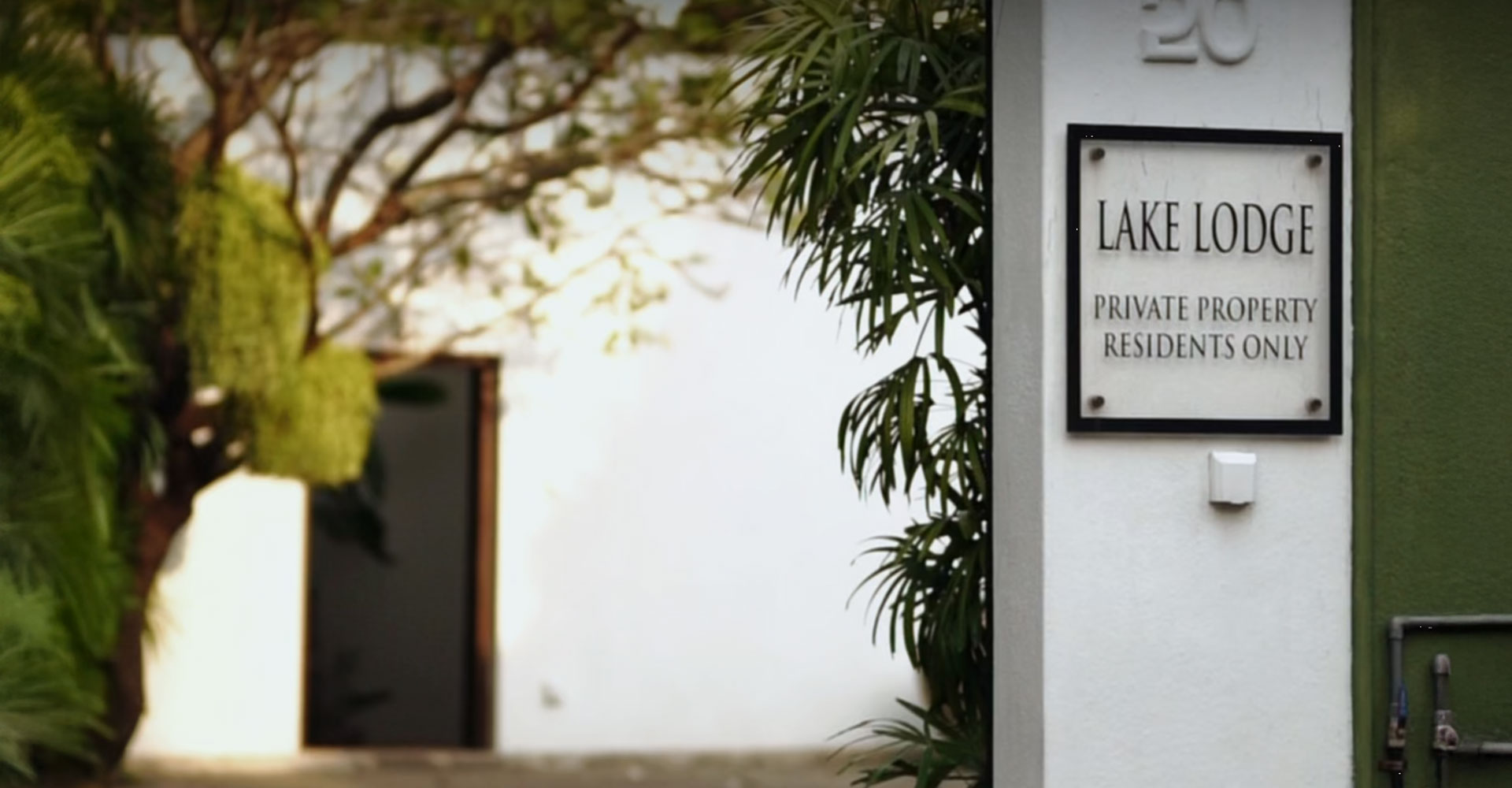
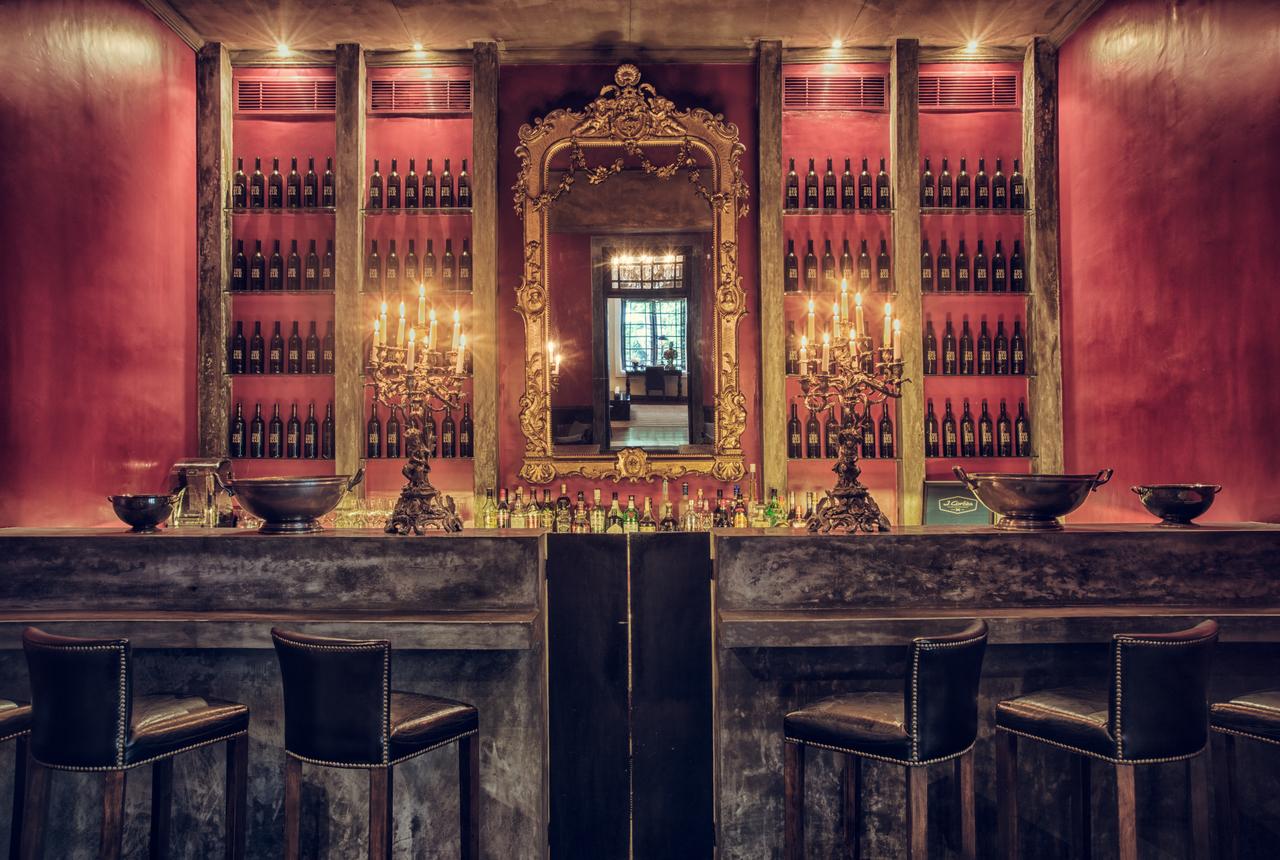
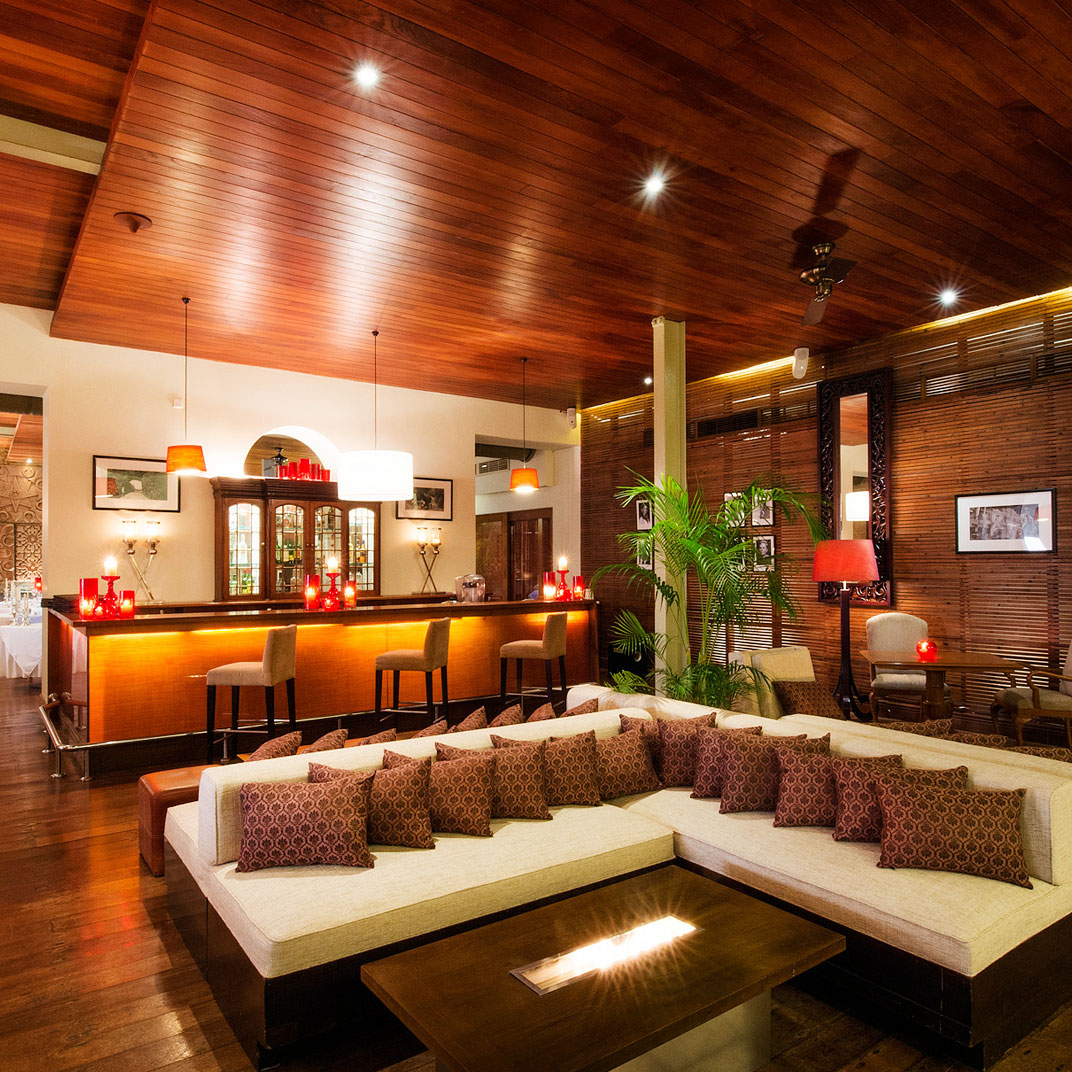
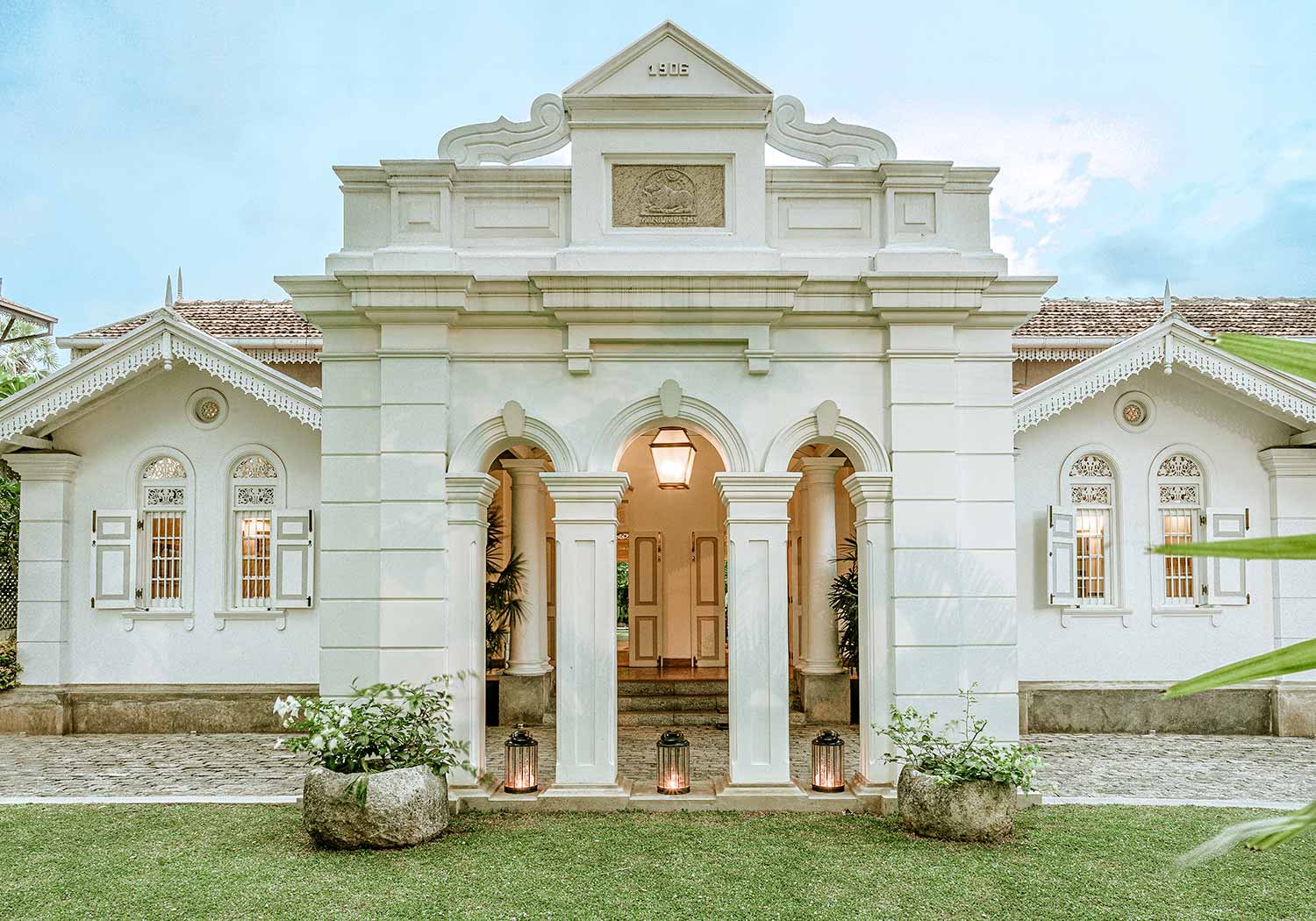
Where to Stay in Colombo
4 recommended properties
Money-Saving Tips
- 1.Negotiate everything except in proper shops and restaurants with printed menus
- 2.ATMs charge 500 LKR withdrawal fees - take out larger amounts less frequently
- 3.Street food costs 50-200 LKR per item, restaurant meals 800-2,000 LKR
- 4.Tuk-tuk rides should cost 100-150 LKR per kilometer - use PickMe app to avoid haggling
- 5.Local buses cost 15-25 LKR anywhere in the city, trains 20-60 LKR to suburbs
- 6.Guesthouses in local neighborhoods cost 1,500-4,000 LKR vs 8,000+ LKR in Fort District
Travel Tips
- •Download PickMe app for reliable tuk-tuk rides with set prices
- •Carry small bills - vendors rarely have change for 5,000 LKR notes
- •Learn basic Sinhala greetings - 'Ayubowan' opens doors and drops prices
- •Dress modestly when visiting temples - cover shoulders and remove shoes
- •Avoid tap water - bottled water costs 60-100 LKR everywhere
- •Monsoon rains come fast and heavy - always carry a small umbrella
- •Cricket matches at R. Premadasa Stadium are cheap entertainment (200-500 LKR)
- •Pettah market closes early on Sundays - plan shopping for weekdays