Split
Ancient Roman Palace Meets Adriatic Beach Paradise
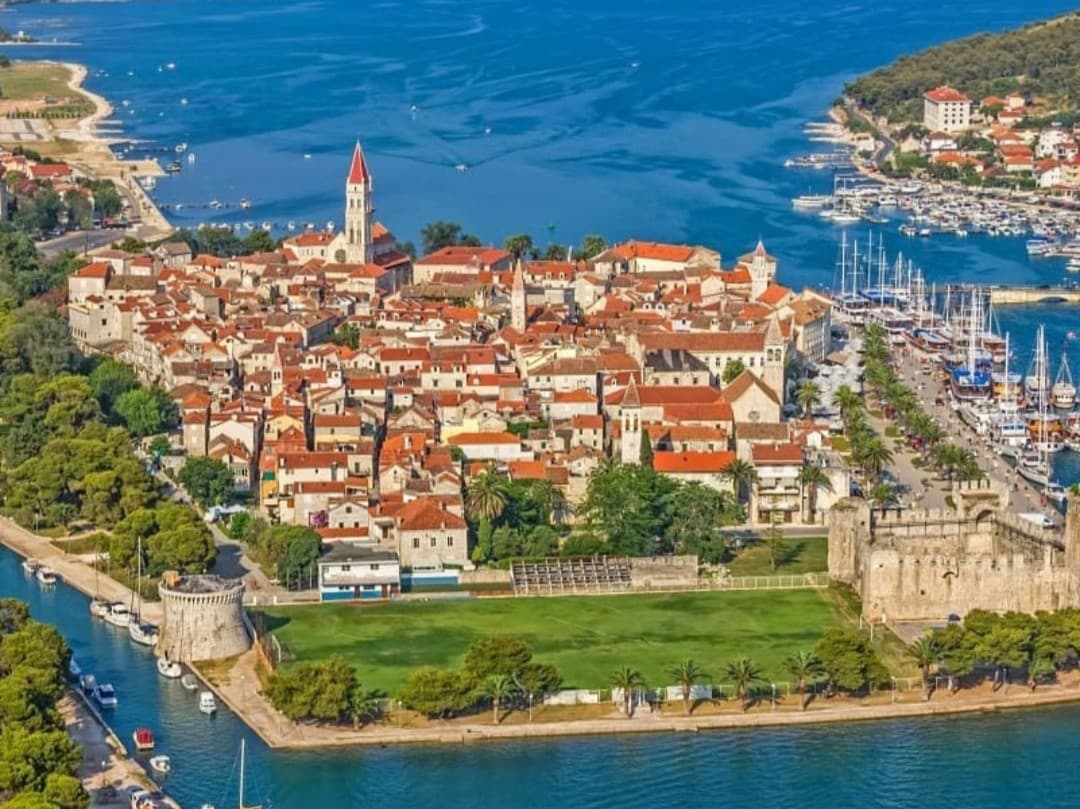
Split pulls off something most cities can't: it makes ancient history feel alive. You'll eat dinner where Roman emperors once walked, then swim in crystal-clear waters five minutes later. This 1,700-year-old palace isn't stuck behind museum glass – it's a living, breathing neighborhood where locals hang laundry from medieval windows and tourists sip coffee in courtyards that predate most European capitals.
The city wraps around Diocletian's Palace like a modern embrace of ancient stone. One moment you're exploring underground cellars that survived the fall of Rome, the next you're on Riva promenade watching superyachts dock against a backdrop of palm trees and limestone walls. Split doesn't try to be anything other than what it is: a Croatian port town that happens to sit on one of the world's best-preserved Roman monuments. And somehow, that's exactly what makes it perfect.
Best Months
MAY – SEP
~28°C · high crowds
Culture & Context
LIVING INSIDE HISTORY
Split is Croatia's second-largest city, home to around 180,000 people, and it functions as a real working city rather than a preserved tourist attraction. Diocletian's Palace is not a museum you visit and leave. It's the actual city center – people live inside it, hang laundry from Roman walls, run corner shops in 4th-century archways, and drink coffee on the Peristyle square. That's the thing that surprises most first-time visitors. The city grew up around and inside this Roman structure over 1,700 years, and the layers of it are visible everywhere. Medieval churches sit on Roman foundations. Renaissance facades abut ancient stone. And a dive bar occupies what used to be an imperial corridor.
Split was an industrial port city for most of the 20th century under Yugoslavia. When that economy collapsed, tourism filled the gap – quickly and imperfectly. Many locals feel squeezed out of the city center by rising rents and short-term rentals. That tension is real. Numbeo user reviews of the city include residents explicitly venting about overtourism. Being an aware, respectful tourist matters here more than in a place that's always been about tourism.
The city's sports identity is fierce. Hajduk Split, the local football club, is a genuine civic institution with passionate, often intense support. The tennis legacy runs deep too – Goran Ivanisevic grew up here and is essentially the patron saint of the city's sporting pride.
Local Customs
EMBRACE FJAKA CULTURE
Fjaka is real. Don't rush the waiter, don't snap your fingers, and don't expect your coffee to arrive in two minutes. Sitting at a café table for two hours over one espresso is perfectly normal behavior.
The waiter will not hover. That's a feature, not a bug.. Tipping around 10% is appreciated and standard at restaurants.
Cash is preferred because most card terminals don't support adding gratuity. For coffee or drinks, rounding up to the nearest euro is the local move.. Don't walk through the Old Town or along the Riva in swimwear or shirtless.
This is now enforced with on-the-spot fines. Pack a cover-up. The same applies inside churches – cover shoulders and knees..
Public drinking in squares and streets is prohibited and can result in fines of up to €700. From September 2026, alcohol sales from retail stores are also restricted during certain hours. Bars and restaurants are fine all night..
Hajduk Split is the local football club. Locals have strong feelings about it. Rival Dinamo Zagreb is universally disliked here.
If you want to make fast friends, bring up Goran Ivanisevic.. The bus from Split to Dubrovnik passes through Bosnia-Herzegovina. Carry your passport even on what feels like a domestic bus journey..
Tap water is safe to drink throughout Split. Fill your bottle at public fountains to save money and skip the plastic.. Don't speak Serbian in the Old Town or conflate Croatian with Serbian culture.
The relationship is complicated and locals notice.
Safety
WATCH BELONGINGS, STAY ALERT
Split is low-risk by most measures. The US State Department and UK Foreign Office both rate Croatia at Level 1 (exercise normal precautions). Violent crime against tourists is rare. The realistic concerns are more practical: petty theft in crowded areas (Riva promenade, ferry terminal, Diocletian's Palace in peak season), occasional overcharging in tourist-facing restaurants, and the chaos of nightlife areas in July and August.
Avoid unofficial taxis approaching you on the street. Use Uber or Bolt, which show you the price before you confirm. If you're using a regular taxi, confirm the fare first and get a receipt. Gentlemen's clubs (strip clubs) have a well-documented history of presenting foreign visitors with wildly inflated bills, sometimes with threats attached. Skip them entirely.
Watch drinks in nightlife areas. The city's massive summer party scene – especially around Ultra Europe week – means drink spiking, while uncommon, does happen in clubs. Standard precautions apply. From September 2026, new city rules restrict retail alcohol sales outside certain hours, part of a broader move to manage public safety around the nightlife scene.
Fines for public drinking, walking in swimwear through the city center, or disorderly behavior can reach €4,000 in Split's historic center. Authorities have increased enforcement in 2026. Don't test this.
Getting Around
WALKABLE, FERRIES ESSENTIAL
The historic center of Split is best on foot. Diocletian's Palace is fully pedestrian, and most key sites are within a 20-minute walk of each other. Good walking shoes are non-negotiable – those ancient limestone streets get slick when wet and are uneven everywhere.
For getting around beyond the center, Promet Split runs the city bus network. Tickets bought at a vending machine or via the Promet Split app cost around €1 per ride; buying from the driver costs €2. Download the app. It also gives real-time tracking and route planning.
Ferries and catamarans depart from the main Split port (Luka Split), a short walk from the Riva. Jadrolinija runs the car ferries, while Krilo and TP Line run faster passenger catamarans. A passenger ferry to Brač runs about €5–€8; the catamaran to Hvar costs €10–€20. Book ahead in July and August – ferries do sell out, especially on summer weekends. Arrive at least 30 minutes early regardless.
Uber and Bolt both operate in Split. Use them over street taxis. There's also a direct shuttle bus from Split Airport (about 24km from center) into the city. From April 2026, United Airlines has a direct flight from New York Newark to Split, removing the need for a European connection for American visitors.
If you're taking the bus to Dubrovnik, bring your passport. The route passes through Bosnia-Herzegovina – a detail that catches people off-guard.
Useful Phrases
Explore Districts

Explore the Region
Split Itineraries
View all
Split Slow Day: Palace, Seaside, and Sunset Drinks
Weekend · $$
Split Adventures: Sea, Stone & Sunset Views
Weekend · $$$
Split Days 4–7: Roman Walls, Wine Bars, and Sea-View Nights
Weekend · $$$
Slow Splitska Culture: Courtyards, Coast & Nightlife
Weekend · $$$
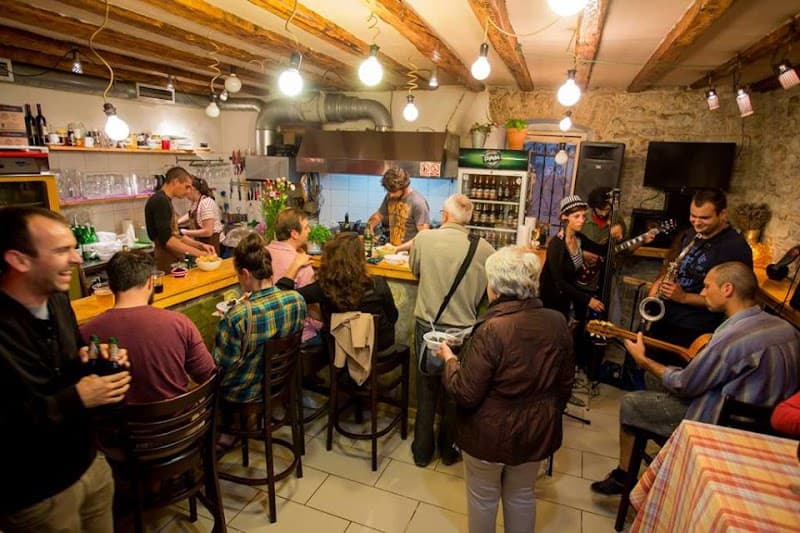
Split Ease: Palace, Park, and Seaside Flavors
Weekend · $$$
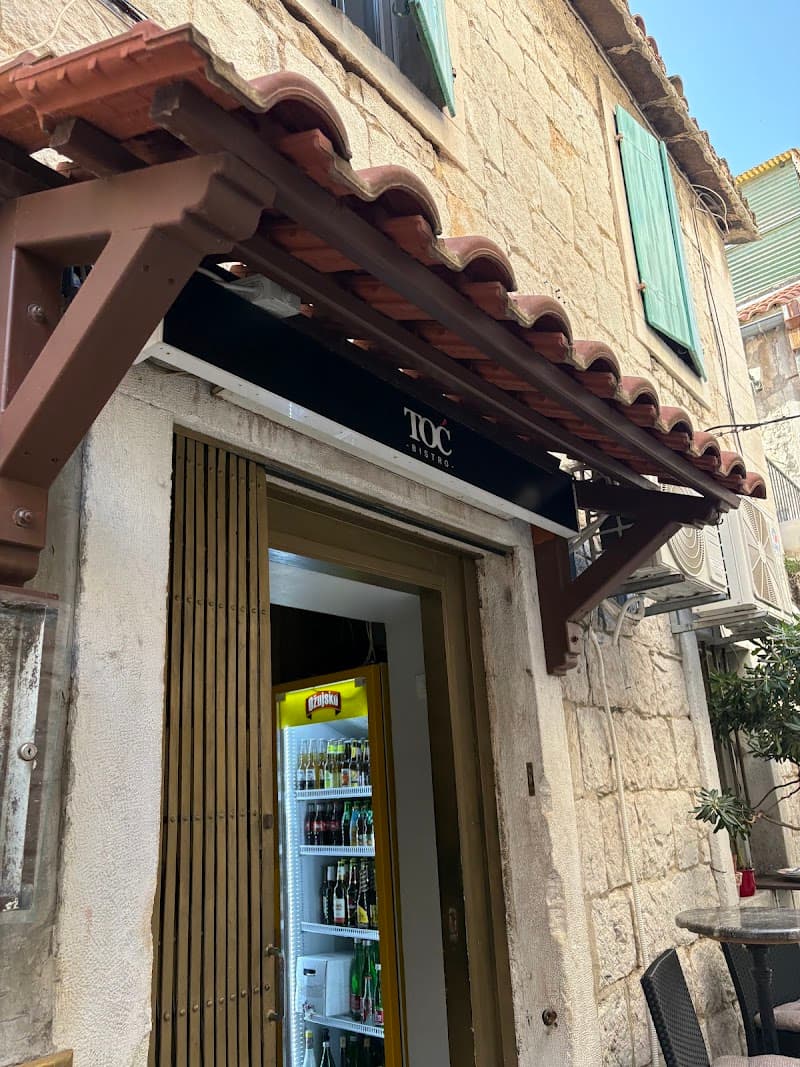
Stone Streets & Sea Views: Split’s Cultural Sweet Spot
Weekend · $$$
Things to Do in Split
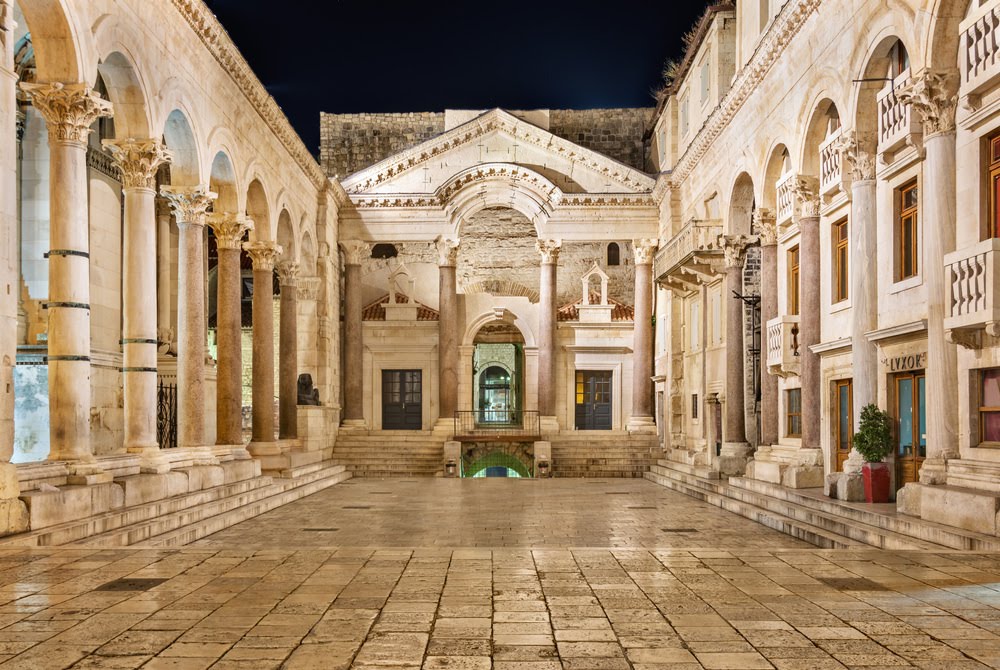
Diocletian's Palace
Old Town · 150 min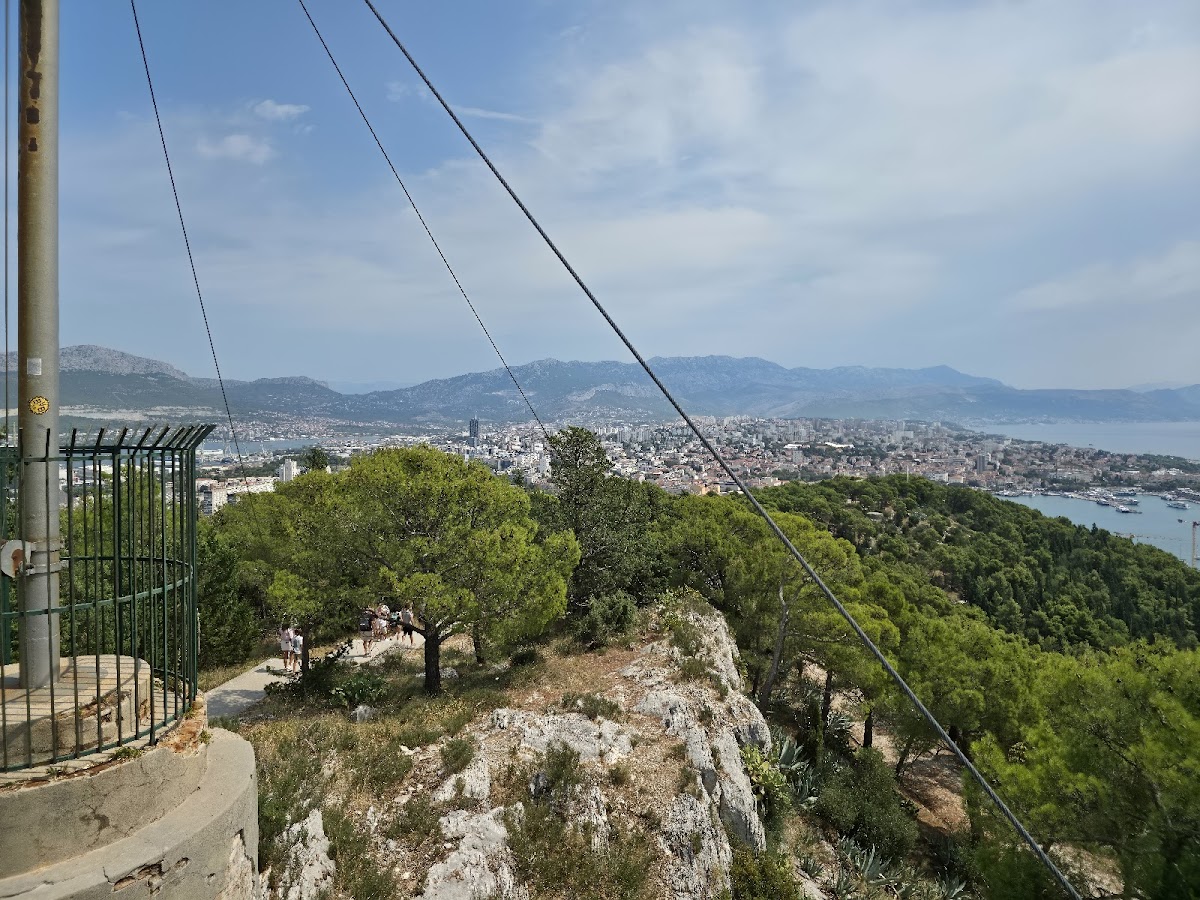
Marjan Park & Viewpoint
Marjan Hill (West of Old Town) · 180 min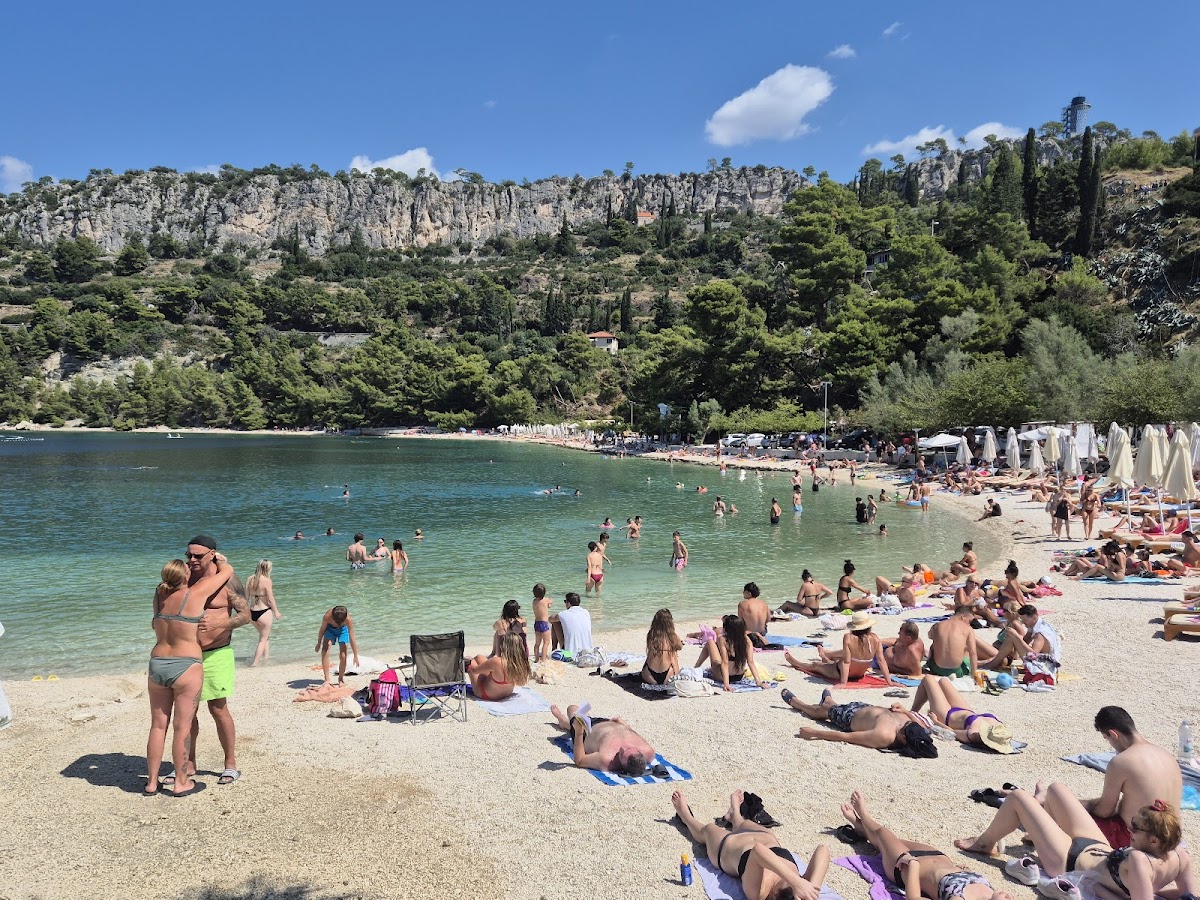
Kašjuni Beach & Coastal Relaxation
Marjan Park / South Coastal Area · 180 minMoney-Saving Tips
- 1.Buy bus tickets from kiosks (8 kuna) instead of drivers (11 kuna) - the savings add up quickly
- 2.Eat lunch at konobas on side streets rather than Riva promenade - same food, half the price
- 3.Book ferry tickets to islands online in advance during summer to avoid sold-out departures
- 4.Shop at Pazar Green Market for fresh produce and local cheese - much cheaper than tourist shops
- 5.Happy hour at beach bars runs 5-7 PM with cocktails around 35 kuna instead of 50+ kuna later
- 6.Free walking tours run daily from Peristil Square - tip your guide instead of paying tour company markup
- 7.Municipal beaches like Bacvice charge no entry fees, while some hotel beaches charge 50+ kuna for non-guests
- 8.Apartment rentals cost less than hotels and include kitchens - cook breakfast to save 100+ kuna daily per person
Travel Tips
- •Wear comfortable walking shoes with good grip - the marble streets in Diocletian's Palace get slippery when wet
- •Bring a refillable water bottle - public fountains throughout the palace provide free drinking water
- •Download offline maps before exploring - GPS signals get wonky inside the thick palace walls
- •Pack earplugs if staying inside the palace walls - sound echoes off stone and carries late into the night
- •Learn basic Croatian greetings - locals appreciate the effort, especially in neighborhood restaurants
- •Carry cash for small purchases - many local shops and markets don't accept cards for amounts under 50 kuna
- •Book restaurant reservations for dinner, especially at popular spots like Villa Spiza that fill up quickly
- •Check ferry schedules twice - island connections can change due to weather, especially during shoulder seasons
- •Respect the palace as a living neighborhood - people actually live in these ancient buildings
- •Visit major sights early morning or late afternoon to avoid cruise ship crowds that peak mid-day