Bucharest
Romania's vibrant capital mixing communist history with nightlife
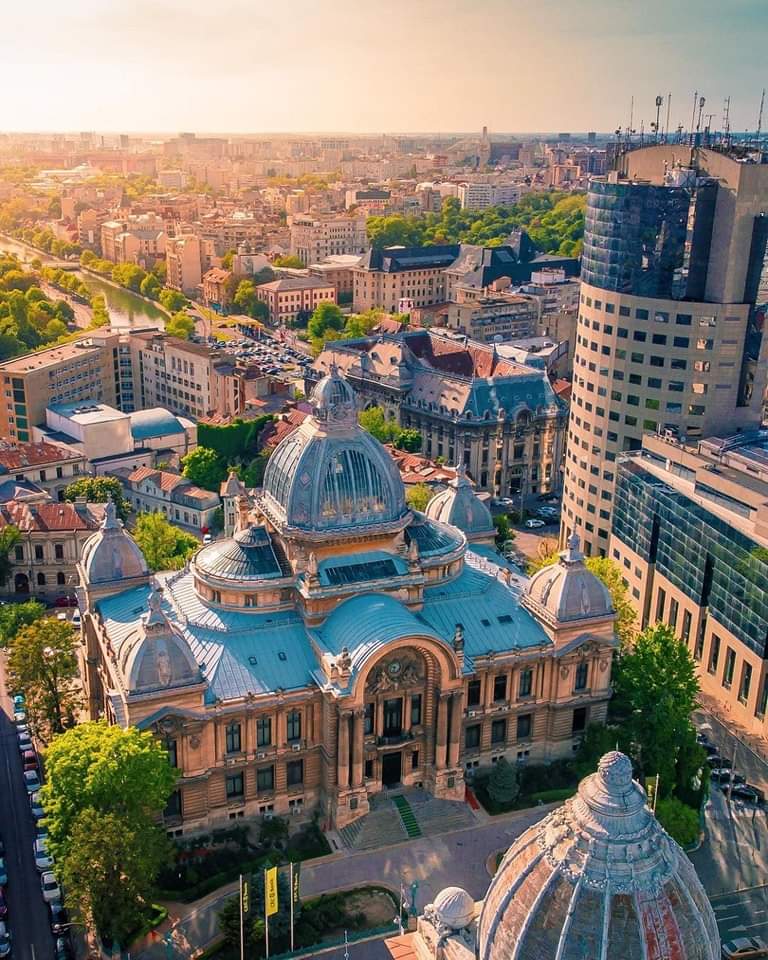
Bucharest hits different than other European capitals. Sure, you'll find grand boulevards and Belle Époque mansions, but this city wears its communist past like a badge of honor. Massive concrete blocks stand next to trendy rooftop bars. Soviet-era architecture houses some of Europe's wildest nightlife. And here's the kicker — your money goes three times further than it would in Paris or Rome.
The Old Town pulses with energy after dark, while Herastrau Park offers quiet mornings by the lake. Romanian cuisine goes way beyond the tourist traps, and locals actually want to chat about their city's transformation. But don't expect everything to run like clockwork — Bucharest operates on its own timeline, and that's part of its charm.
Best Months
APR – SEP
~26°C · moderate crowds
Culture & Context
SOVIET MEETS BELLE ÉPOQUE
Bucharest is a city that keeps surprising you. Belle Époque palaces sit right next to brutalist Soviet apartment blocks, and somehow it works. Nicolae Ceaușescu displaced 40,000 people to build his vision of a new capital in the 1980s, and you feel that history in the wide, imposing boulevards south of Unirii.
But north of there, the city breathes differently: tree-lined streets, early 20th-century villas, good coffee, a music scene that punches above its weight. Romanians are warm and funny once you get past the initial reserve. The younger generation speaks English well.
Older residents often don't, and that's where knowing a few phrases goes a long way. Hospitality is genuine here: if you're invited to someone's home, you will be fed. Tipping is expected at sit-down restaurants (10-15%), and locals prefer you tip in cash even if you pay by card.
The city has moderate seismic risk, and some older buildings still carry earthquake damage markings on their facades, which is worth knowing before you book an apartment in a crumbling-chic building.
Local Customs
BOLT OVER STREET TAXIS
Always use Bolt or Uber instead of hailing a taxi on the street. Street taxis, especially near Gara de Nord, the airport, Old Town, and major shopping centers, have a well-documented history of overcharging with manipulated meters or by claiming they have no change.. Tip 10-15% at sit-down restaurants and tip in cash, even if you pay the bill by card.
Many servers never see card tips. At cafes, rounding up to the nearest 5 or 10 RON is normal.. In Old Town bars, always ask for a menu with prices before ordering.
Some places do not display prices and charge a lot for drinks. Walk away from any spot with aggressive touts outside the door.. Queuing is a loose concept, especially at bus stops.
People may stand very close behind you or simply step in front. At supermarkets and official offices, queues are generally respected. Stay calm..
Saying even a few words in Romanian earns you a noticeably warmer reception. Locals appreciate the effort, and younger Romanians will often happily try to teach you more.. Use ATMs attached to bank branches (Banca Transilvania, BRD, Raiffeisen) rather than standalone machines.
Street-level currency exchange offices near Old Town and Gara de Nord frequently offer terrible rates or have hidden fees.. If someone in plain clothes claims to be a police officer and asks to inspect your wallet, decline and walk to the nearest police station. Fake police encounters are rare but do happen..
Bucharest sits in a seismically active zone with moderate earthquake risk. Some older buildings still carry red disc markers indicating structural vulnerability. This is worth knowing if you're choosing accommodation.
Safety
WATCH YOUR WALLET
Bucharest is genuinely safe for tourists. Violent crime against visitors is rare, and the city scores well on European safety indices. That said, a few things are worth knowing before you arrive.
The biggest practical risk is scams, not violence. Street taxis near Gara de Nord (the main train station), the Old Town, and the airport have a long and well-documented history of manipulated meters and inflated fares. Use Bolt or Uber exclusively. Both apps work well across the city. If you must take a street taxi, use only licensed companies (Meridian Taxi, Cris Taxi, Speed Taxi) and confirm the approximate cost before you get in.
Pickpockets operate in the Old Town, on crowded public transport, and around Gara de Nord. Keep bags zipped and wallets in front pockets. Never flash cash or your phone in crowded areas.
Some Old Town bars don't display prices, then charge aggressively when the bill comes. Always ask for a menu with listed prices before ordering. If a venue has someone physically pulling tourists through the door, walk past.
Currency exchange: only use bank ATMs or bank branch exchange offices. Never exchange on the street.
The Ferentari neighborhood (Sector 5) and some parts of Militari and eastern Pantelimon are generally advised against for tourists. The area immediately around Gara de Nord is worth moving through quickly rather than lingering in, especially at night.
Bucharest sits in a seismically active zone. Some older buildings, particularly those with red circular markers on their facades, have documented structural vulnerabilities from past earthquakes.
Emergency number is 112. English-speaking operators are available.
Getting Around
METRO & BOLT
Bucharest has an extensive public transit network that's cheap and reasonably functional once you understand it.
**Metro**: Five color-coded lines (M1-M5), over 60 stations, runs 5AM to 11PM daily. The M2 Blue Line is the most useful for tourists, hitting Pipera, Aviatorilor, Piața Romană, Universitate, Piața Unirii, and Tineretului. A single ticket costs 5 RON (~€1). Day passes are 14 RON, 72-hour passes 35 RON. Tickets are magnetic cards bought from station kiosks or machines. You can also tap a contactless bank card directly on validators at most stations.
**From the Airport (Henri Coandă / OTP)**: Bus 100 runs 24/7 from the arrivals terminal to Piața Unirii in central Bucharest. A ticket costs 8.5 RON (~€2) and can be paid contactlessly on the bus. The journey takes about 40 minutes. There's also a dedicated airport train to Gara de Nord that runs every 40-60 minutes and takes about 25 minutes. Bolt or Uber from the airport takes around 20 minutes and costs 50-80 RON depending on traffic.
**Night Transport**: After the metro and regular buses stop around 11PM, 24 night bus lines depart from Piața Unirii to major neighborhoods, running roughly every 20-40 minutes until 5AM. Bolt and Uber run 24/7.
**Surface Transit**: Buses, trams, and trolleybuses cover the areas the metro misses. Single 90-minute surface tickets cost 3 RON. Validate your card or ticket every time you board or risk an on-the-spot fine of 80 RON. Use the Info TB app or Google Maps to plan routes.
**Taxis**: Skip them. Use Bolt (usually slightly cheaper) or Uber. Average city rides cost 15-30 RON (€3-6). Bolt is especially popular with locals.
**Traffic**: Bucharest has some of the worst traffic congestion in the EU. During rush hours (7-10AM, 4-8PM), the metro is consistently faster than any car or taxi journey across the center.
Useful Phrases
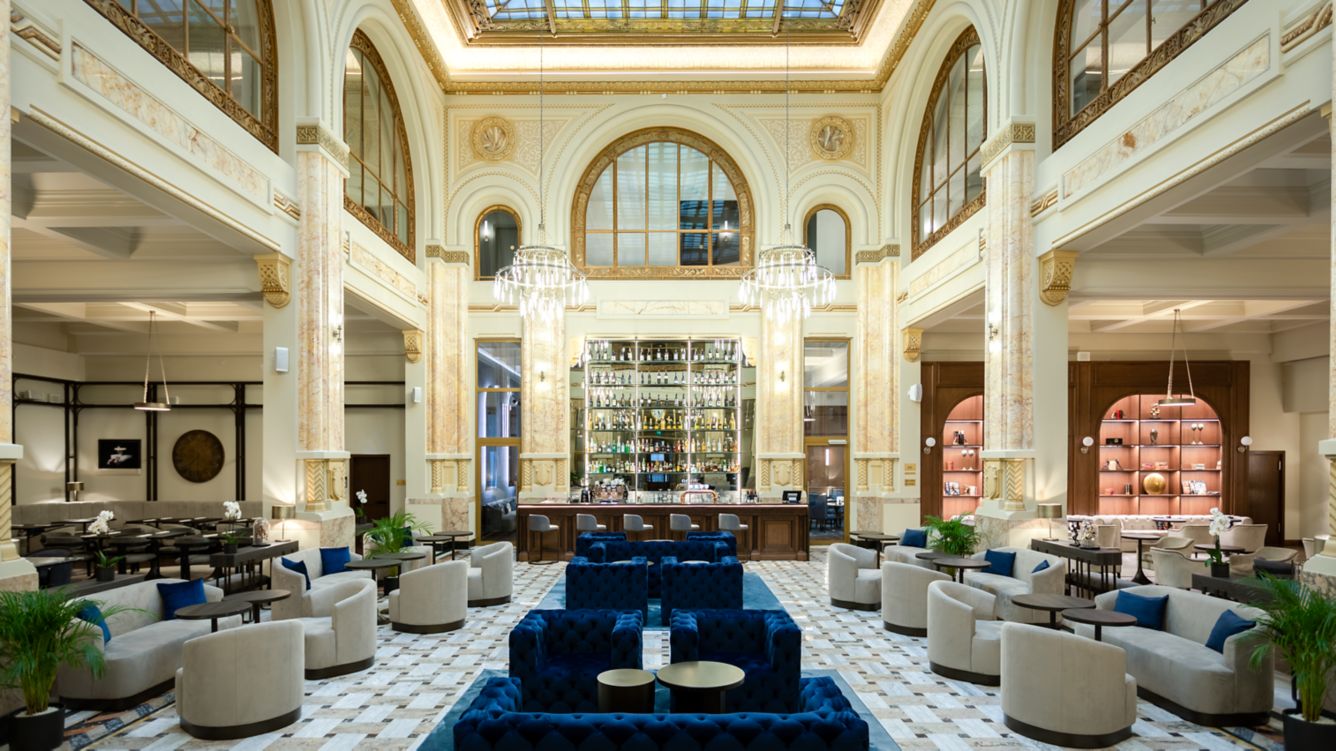
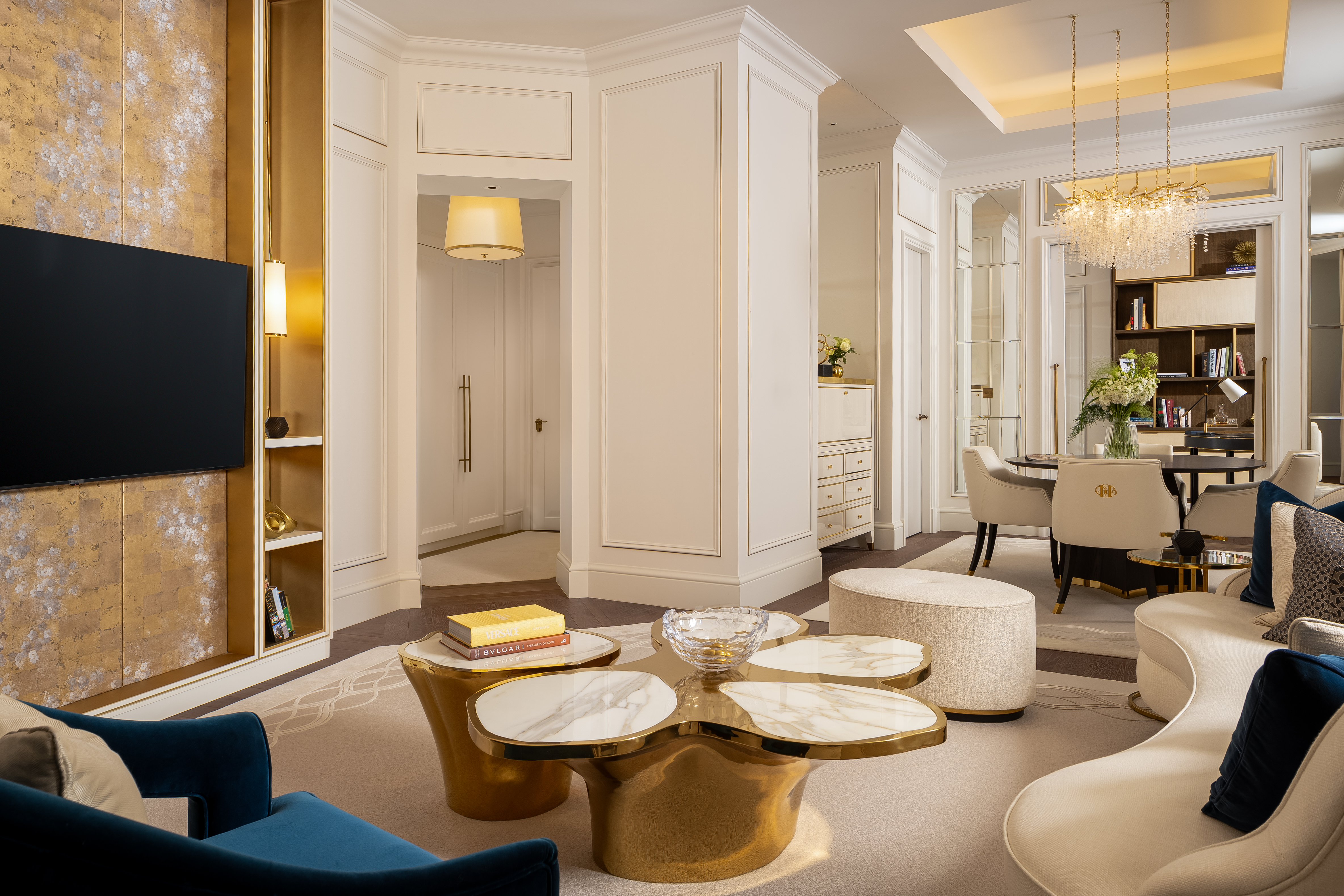
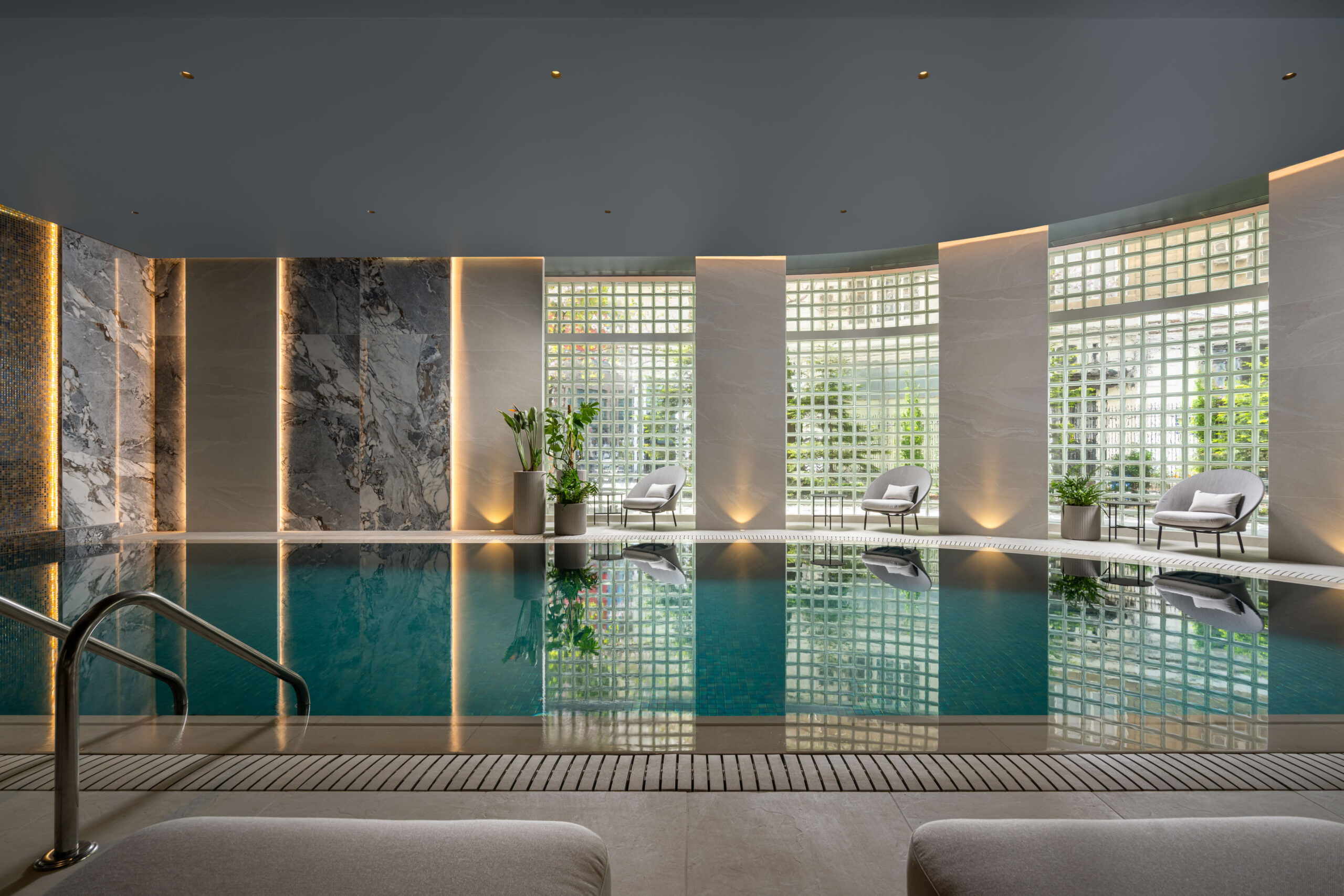
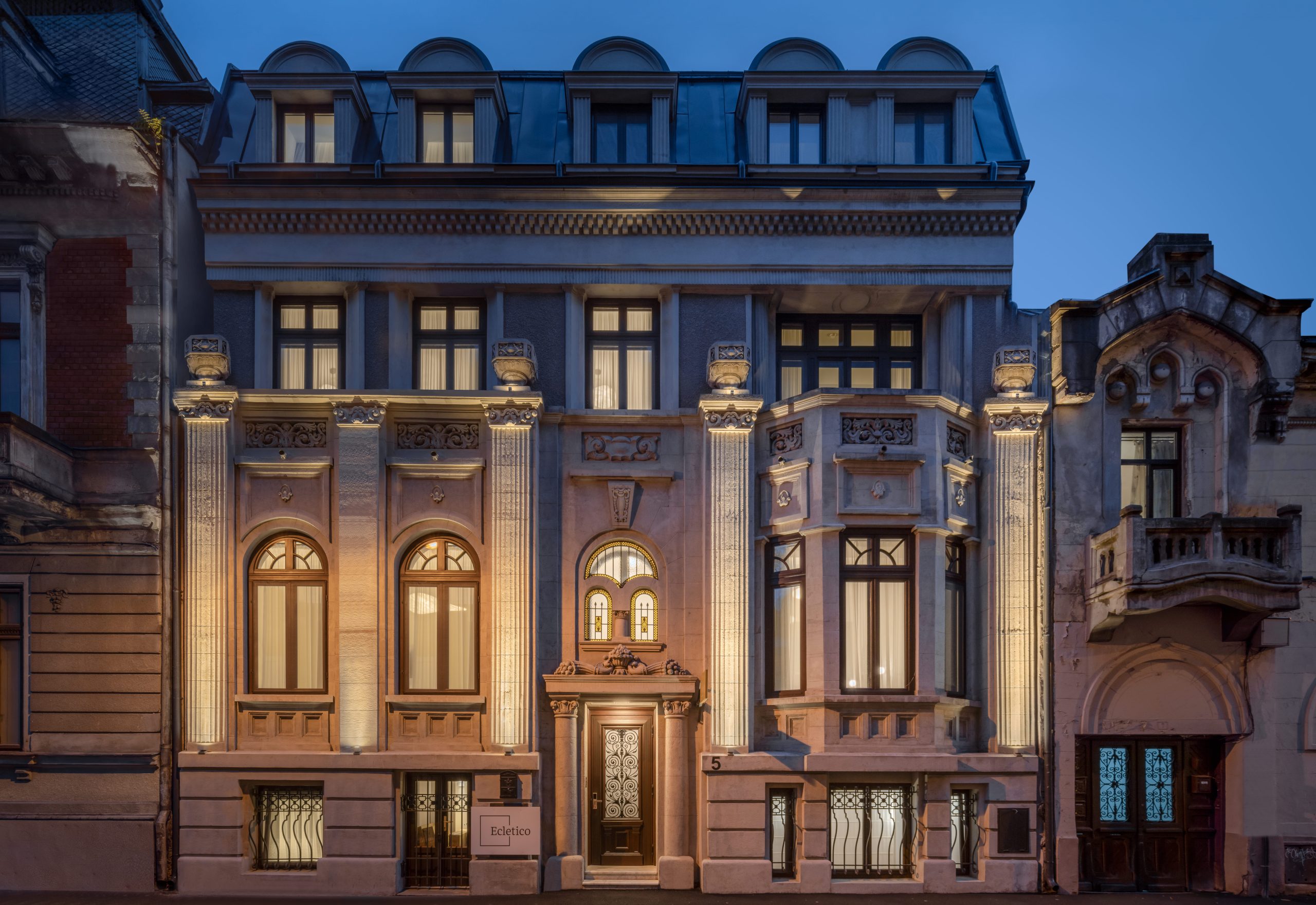
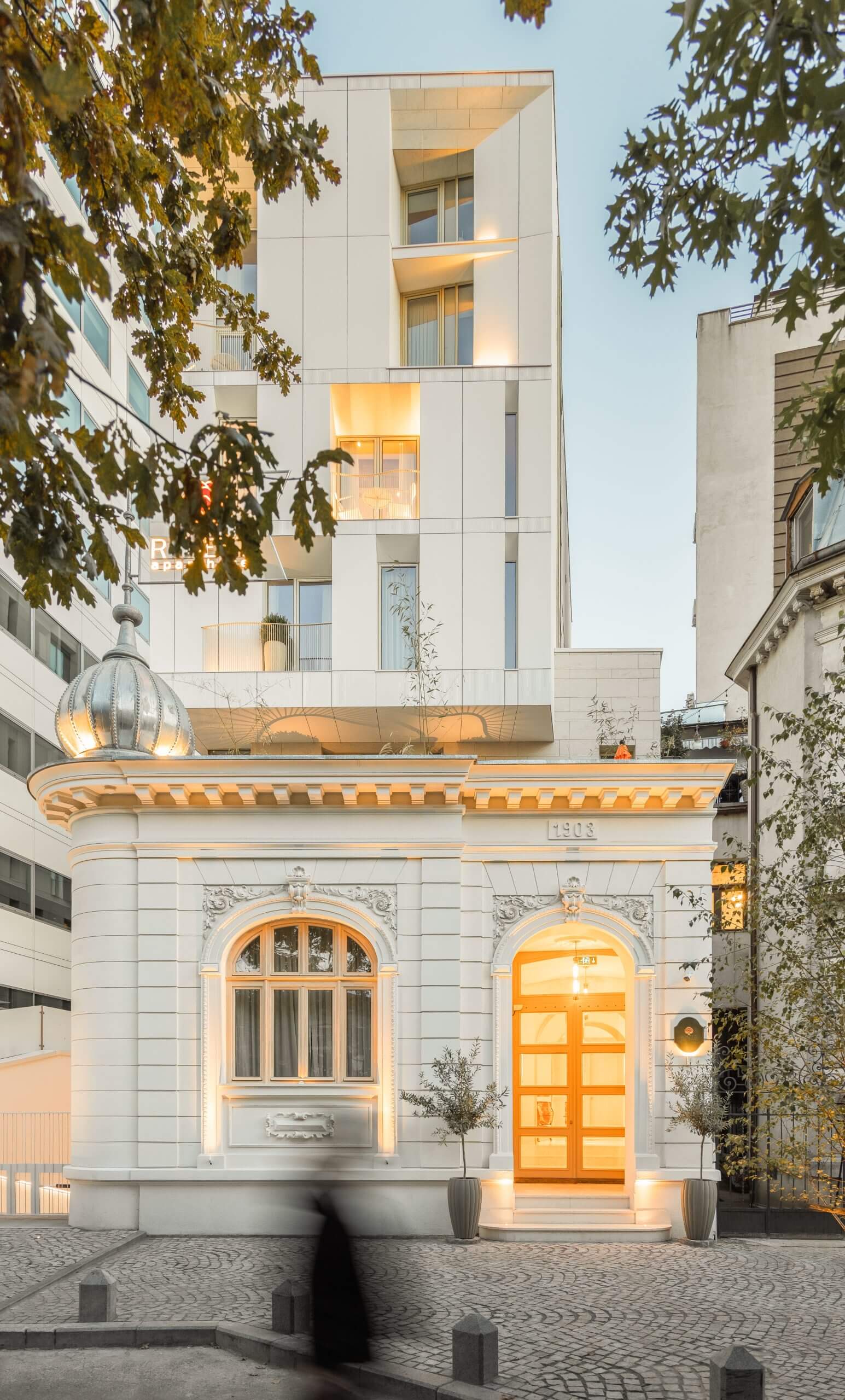
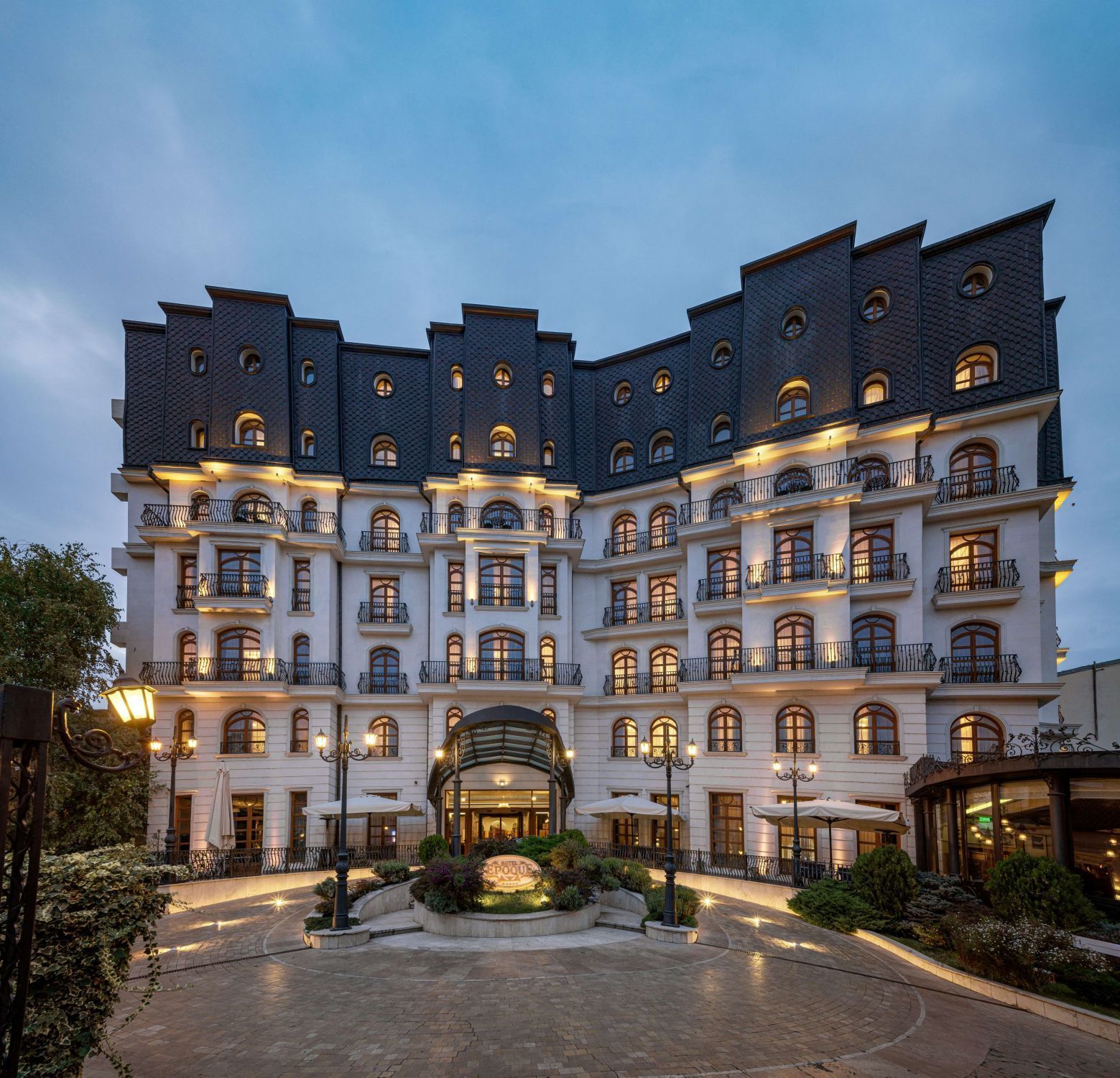
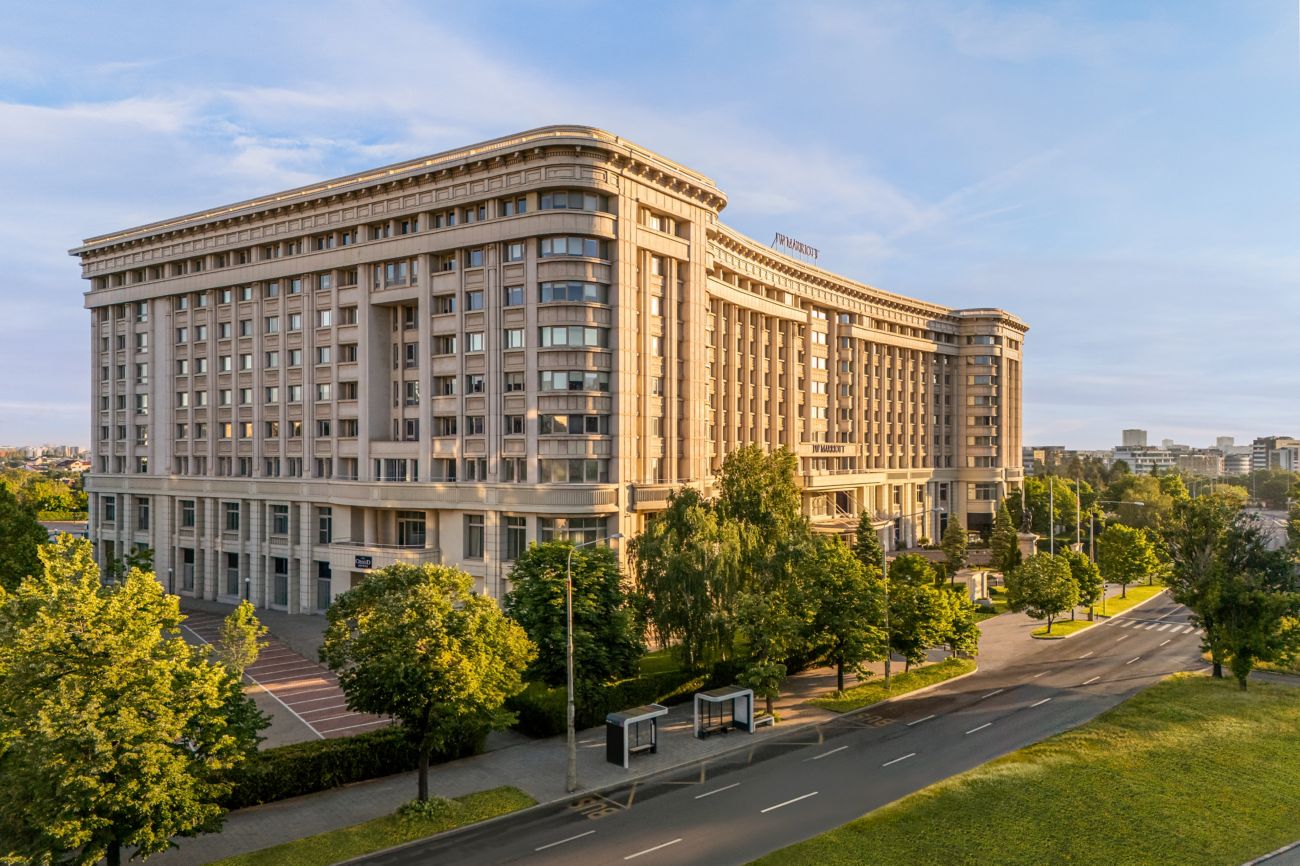
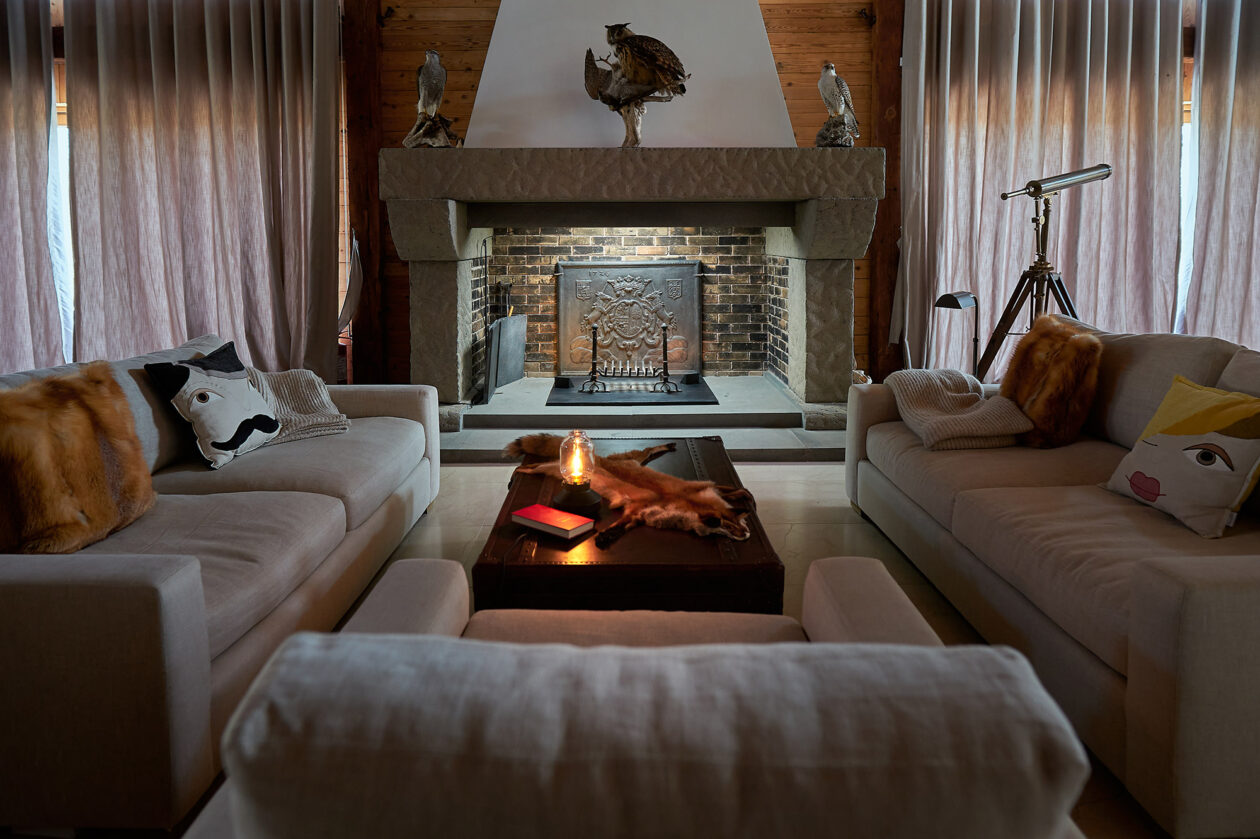
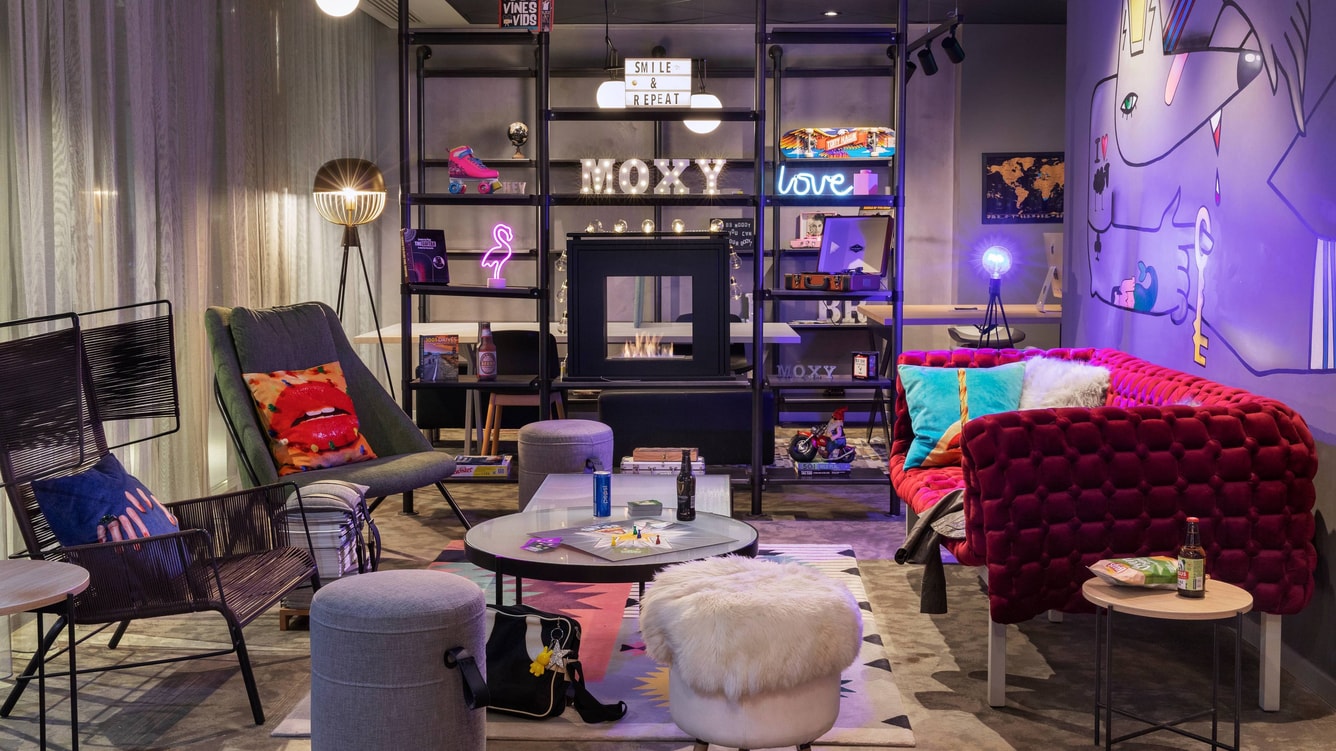
Where to Stay in Bucharest
9 recommended properties
Money-Saving Tips
- 1.Eat lunch at local restaurants instead of tourist areas - meals cost 15-25 lei vs 40-60 lei in Old Town
- 2.Buy metro day passes instead of individual tickets - saves 40% if you're taking 3+ rides
- 3.Shop at Mega Image or Carrefour supermarkets for snacks and drinks - convenience stores charge double
- 4.Book accommodations outside Old Town for 30-50% savings and quieter nights
- 5.Use Uber/Bolt instead of airport taxis - fixed rates vs inflated tourist prices
- 6.Visit museums on first Wednesday of the month for free admission
- 7.Drink local beer and wine - imported alcohol costs 3x more than Romanian brands
Travel Tips
- •Download offline maps - WiFi can be spotty in older parts of the city
- •Learn basic Romanian greetings - locals appreciate the effort and become more helpful
- •Keep cash handy - many small restaurants and bars don't accept cards
- •Dress up for nightlife - Bucharest clubs have stricter door policies than you might expect
- •Book restaurants in advance for weekends - popular spots fill up quickly
- •Pack layers for spring and fall - weather changes dramatically throughout the day
- •Use hotel concierges for club recommendations - they know which venues are currently hot