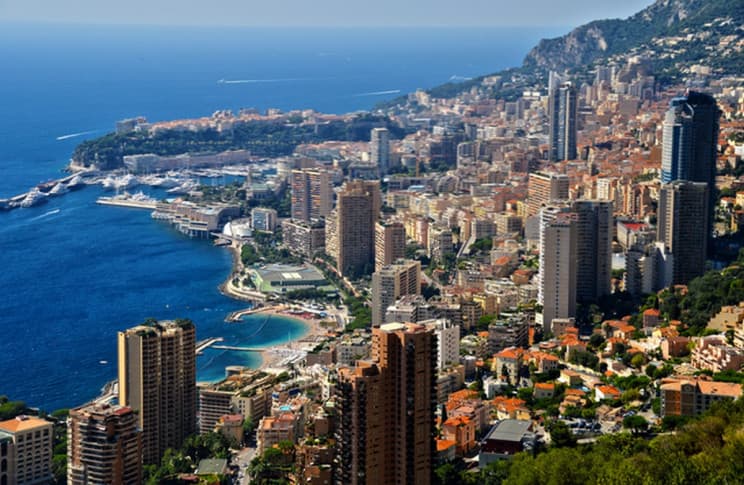
Monaco
Glamorous Mediterranean Playground for the Ultra-Wealthy Elite
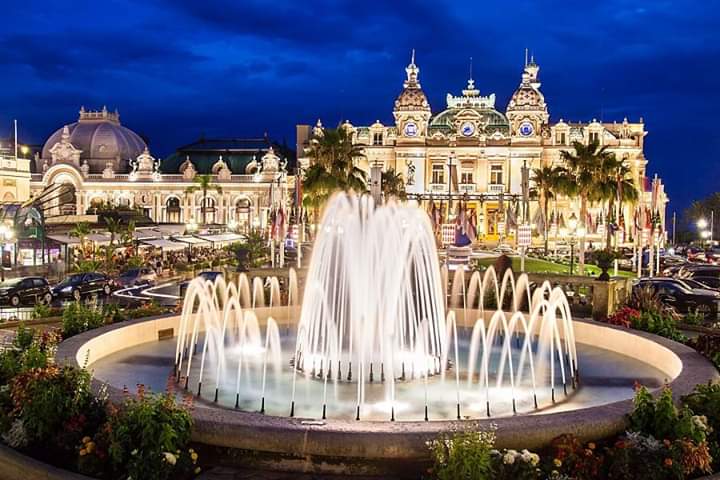
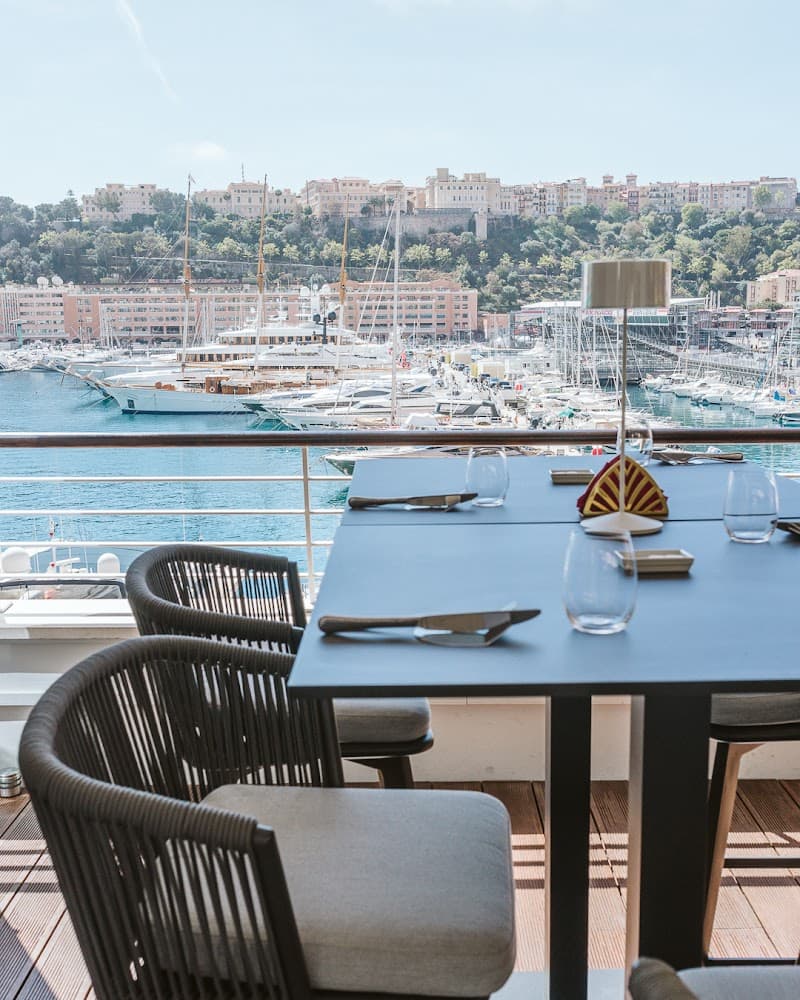
Monaco isn't just small — it's microscopic. You can walk across the entire country in 30 minutes. But here's the thing: every square meter costs more than most people's homes. This is where Russian oligarchs park their superyachts next to tech billionaires, where a coffee costs €12 and nobody blinks. The Casino de Monte-Carlo still draws high rollers in tuxedos, while Formula 1 cars scream through the streets each May. Look, Monaco won't win any awards for authenticity or value. But if you want to see how the other 0.1% lives — even for just a weekend — there's nowhere quite like it.
Culture & Context
WEALTH WITHOUT SHOUTING
Monaco is a sovereign principality of about 2 km² with roughly 39,000 residents from over 140 nationalities — only about 9,500 of whom are actual Monegasques. The Grimaldi family has ruled for 800 years, and that's not just a tourism talking point. It genuinely shapes how the place feels: orderly, traditional, with an emphasis on form and propriety alongside the obvious wealth.
French is the official language and the one you'll actually need, but Monegasque — a dialect derived from Ligurian Italian — appears on street signs in the old town and is spoken by roughly 15% of the population. The country is 95% Roman Catholic, and the Cathedral of Our Lady Immaculate (where Grace Kelly is buried) is an active place of worship, not just an attraction. Monaco's culture sits at a crossroads of French elegance and Italian warmth, with its own overlay of royal tradition and financial discretion.
About a third of residents are millionaires, which creates a very specific social atmosphere: wealth is everywhere but not loudly performed. Reputation here is built on seriousness, loyalty, and discretion rather than conspicuous consumption. The relationship with France is deep but distinct — Monaco coordinates on immigration and defense with France but maintains full sovereignty, its own police force, currency (the euro), and postal system.
Local Customs
DRESS UP, ALWAYS
Dress code is taken seriously. Daytime casual is fine, but evenings — especially in restaurants, casinos, and upscale bars — expect smart attire. Men should have a jacket for dinner.
The Casino de Monte-Carlo enforces a dress code; you will be turned away in shorts and flip-flops.. Greet everyone entering a shop or restaurant with 'Bonjour' (daytime) or 'Bonsoir' (evening). Walking in without acknowledging staff is considered rude, not just awkward.
This is true even in supermarkets.. A firm handshake is standard for first meetings. Among people who know each other, faire la bise (cheek kisses, usually two) is common.
Always use titles and surnames until someone invites you to use their first name.. Tipping is not mandatory — service charges are often included in restaurant bills. But 5–10% is genuinely appreciated for good service.
Never tip aggressively or theatrically; it reads as showy.. Eating while walking is considered impolite. Sit down.
This applies even to ice cream on the street — find a bench.. Monaco has one of the highest police-to-citizen ratios in the world. The Direction de la Sûreté Publique has about 520 officers for roughly 39,000 residents.
Officers are visible everywhere and take public order seriously. Don't jaywalk aggressively, keep noise levels down at night, and don't try to photograph restricted areas during events.. Wearing a bathing suit outside a beach area can result in an actual fine.
Keep a cover-up handy if you're walking from Larvotto to anywhere else.. Privacy and discretion are core Monegasque values. Many high-profile residents live here precisely because Monaco's culture doesn't gawk.
Don't photograph strangers without permission, and don't stare at or approach people who look famous.. The Principality takes its ecological commitments seriously — Prince Albert II has made environmental policy a personal priority. Use the public transport, skip the plastic, and respect the marine environment if you're out on the water..
National Day on November 19 is a genuine local celebration, not a tourist performance. If you're there, attend with respect — it means a lot to Monegasques.
Safety
VIRTUALLY ZERO CRIME
Monaco is one of the safest destinations on earth, full stop. The Numbeo Crime Index rates it at 89.7/100 for safety — among the highest globally.
Violent crime against tourists is virtually nonreported. The Direction de la Sûreté Publique deploys ~520 officers for a population of 39,000, with 24/7 patrol coverage in every district. Every neighborhood rates Level 1 (lowest possible) travel risk.
That said, a few practical notes: Petty theft (pickpocketing, bag snatching) does occur in transit areas and at Nice train station — this is a France/transit issue more than a Monaco issue. Keep valuables secure in busy stations and on trains. Don't leave items unattended on the beach at Larvotto.
Tap water is safe to drink everywhere — restaurants may offer bottled by default at upscale spots, but don't feel pressured to accept it. Before swimming, check beach flags — Mediterranean waters look calm but currents can be unpredictable, jellyfish appear seasonally, and water quality can shift after storms. Larvotto Beach maintains lifeguard presence during swimming season and consistently earns 'Excellent' EU water quality ratings.
During Grand Prix weekend (June 5–7), security checks are active throughout the circuit zone — carry ID and build in extra time for access point queues. Female solo travelers, LGBTQ+ travelers, and families with children can move around Monaco at any hour with confidence. The Princess Grace Hospital offers English-speaking staff and excellent medical care.
Getting Around
TINY, WALKABLE, VERTICAL
Monaco is tiny — just 2 km² — but surprisingly vertical, with steep hills connecting districts. The government actively discourages driving inside the Principality, and honestly, they're right. Here's how to actually get around:
**Getting to Monaco:** Nice Côte d'Azur Airport (NCE) is your gateway, about 22km away. Express Bus 80 runs direct from both airport terminals to Monaco every 45 minutes (8:30am–10pm) for €21. The TER regional train is cheaper at €4–8 and takes 20–35 minutes but requires a connection — get to Nice Saint-Augustin, then tram to Nice-Ville station, then train to Monaco-Monte Carlo. If you want to arrive like a Bond villain, the 7-minute helicopter transfer via Heli Air Monaco costs around €200–250 per person.
**Within Monaco:** Six bus lines cover the Principality and run 7am–9pm, every 10 minutes during peak hours. Single tickets are €2 cash from the driver, or €1.50 by card/Monapass app. The daily pass is €5.50 unlimited. Night buses run until 12:20am weekdays and 4am Friday–Saturday. Download the **Monapass app** — it shows real-time bus times, MonaBike availability, and lets you buy tickets and museum passes.
**Boat Bus (Bateau Bus):** A solar-electric boat shuttle crosses Port Hercule from Quai des États-Unis to the Cruise Terminal every 10 minutes, 8am–8pm. Same fare as a regular bus ticket. The port is wide enough that walking around it feels punishing — use the boat.
**MonaBike:** Electric bike-share stations across Monaco and into surrounding French towns. Bikes are pedal-assisted for the steep climbs. From €1 per station-to-station trip, or €6/month for unlimited use. Practical for short hops between neighborhoods.
**Public Elevators:** Monaco has a network of free public elevators and escalators connecting its vertical districts. These are genuinely useful and often overlooked by visitors — they're marked on the Monapass app.
**Trains beyond Monaco:** Monaco-Monte Carlo station connects the Principality to the French rail network. Nice in 20 minutes (€4–8), Menton in 40 minutes, Cannes in about an hour. Easy day-trip territory.
**During Grand Prix weekend (June 5–7, 2026):** Private vehicles are banned from the circuit zone. Trains from Nice are standing-room only from Thursday June 4. Arrive early, use rail, and book nothing at the last minute. Uber does not operate in Monaco — only licensed local taxis (and they know it, pricing accordingly).
Useful Phrases
Explore Cities
Explore the Region
Monaco Itineraries
View all
Monaco Culture Walk: Palaces, Art, and Old-World Charm
Weekend · $$$
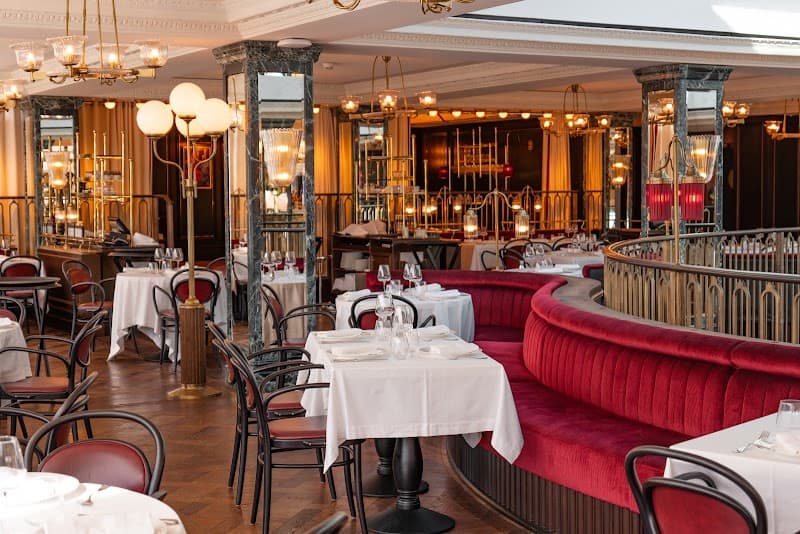
Monte Carlo in Style: A 7-Day Ultra-Luxury Riviera Escape
Week · $$$$$
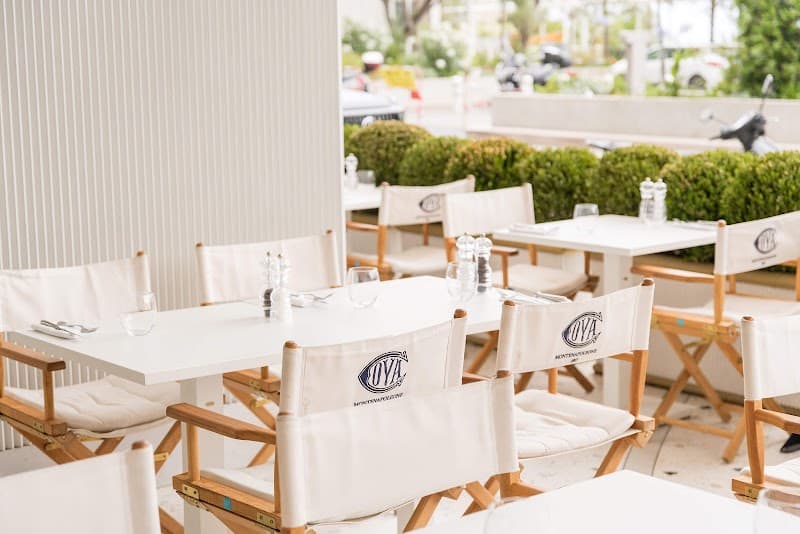
Five Gentle Days in Monaco: Coast, Culture & Calm
Weekend · $$
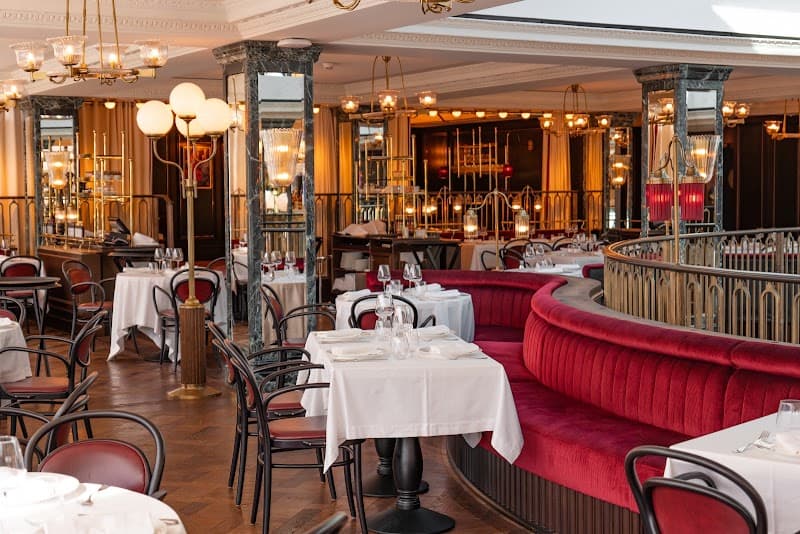
Tropical Glam: A Luxurious Long Weekend in Monaco
Weekend · $$$$$
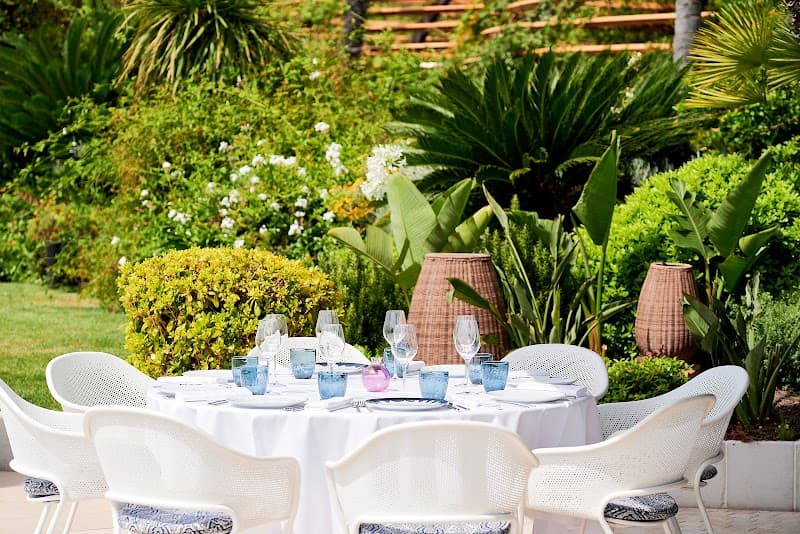
7 Days of Green Glamour in Monte Carlo
Week · $$$
Jungle Luxe Weekend in Monte Carlo
Weekend · $$$
Money-Saving Tips
- 1.Stay in Nice and take the €4.10 train to Monaco — saves hundreds per night
- 2.Use the free Monaco bus system instead of €20 minimum taxi rides
- 3.Eat lunch at restaurants instead of dinner — same food, 30% less cost
- 4.Buy groceries at Monoprix for breakfast and snacks to avoid €12 hotel coffee
- 5.Visit the Casino de Monte-Carlo just to look — entry to gaming rooms costs nothing
- 6.Book restaurants for early dinner (7 PM) to sometimes catch lunch pricing
- 7.Skip the helicopter transfer and take the €10 airport bus to Nice, then train
- 8.Drink at hotel bars during happy hour rather than clubs where beers cost €20
Travel Tips
- •Dress codes are strictly enforced — pack collared shirts and closed shoes
- •The entire country has free WiFi, including all public areas
- •ATMs charge high fees — bring cash or use a no-fee travel card
- •French and English are widely spoken, but learn basic French phrases
- •Book restaurant reservations weeks ahead, especially for Michelin-starred places
- •The Monaco-Monte-Carlo train station has luggage storage for day visits
- •Photography inside the Casino gaming rooms is strictly forbidden
- •Tipping isn't expected but 10% is appreciated at high-end restaurants