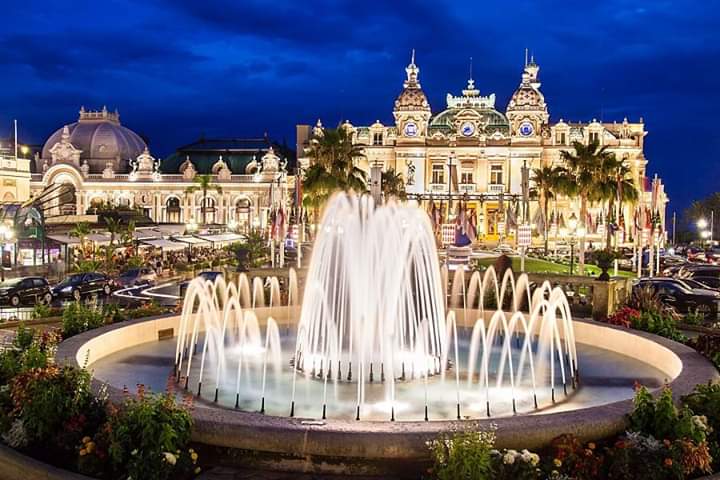
Monte Carlo
Glamorous Mediterranean playground of wealth and luxury
Monte Carlo isn't just a city—it's a state of mind. Here, Ferraris idle at traffic lights while their owners sip champagne at sidewalk cafés. The Mediterranean sparkles beyond manicured gardens, and every corner whispers stories of royalty, racing, and ridiculous wealth. But here's what travel guides won't tell you: Monte Carlo works its magic on everyone, not just billionaires. Sure, a coffee costs €8, but watching superyachts drift past while you drink it? Priceless. This tiny principality packs more glamour per square meter than anywhere else on Earth.
Best Months
APR · MAY · JUN · SEP · OCT
~22°C · moderate crowds
Culture & Context
DRESS CODE ENFORCED
Monaco is a sovereign principality, not part of France — a distinction that matters to locals even though French is the official language, the currency is the euro, and you walk across the border without noticing. The House of Grimaldi has ruled here for over 700 years, making it one of the longest-ruling royal dynasties in the world. That history is genuinely present in daily life: the Changing of the Guard at 11:55am, the National Day on November 19th, the reverence for the royal family.
The principality has a population of around 38,000–40,000 people from over 140 nationalities, with only about 9,500 actual Monegasque citizens (called Monégasques). This makes it one of the most internationally diverse places on Earth relative to its size. French is the official language; English is widely spoken in tourist areas; Italian is common due to geographical proximity; and Monegasque — a Ligurian dialect with Italian roots — is spoken by roughly 15% of the population and appears on street signs in Monaco-Ville.
The culture blends French elegance, Italian warmth, and a distinctly Monegasque sense of pride and discretion. There is no income tax for residents, which draws a significant wealthy expat population and shapes the social atmosphere. Monaco is officially a Roman Catholic state; the Cathedral of Our Lady Immaculate in Monaco-Ville is central to civic and royal life.
Barbajuan (fried ravioli filled with greens and ricotta) is the traditional Monegasque street food — look for it at Marché de la Condamine. Socca (crispy chickpea crêpe) and pissaladière (caramelized-onion flatbread tart) round out the regional street food scene. The Grimaldi Forum, Opéra de Monte-Carlo, and the Monte-Carlo Philharmonic Orchestra (founded 1856) anchor a serious and genuine cultural life that exists well beyond the casino glitz.
Local Customs
BONJOUR FIRST, ALWAYS
French is the official language and locals genuinely appreciate even a basic 'bonjour' and 'merci.' English is widely spoken in tourist areas, but don't assume it everywhere.. Dress code is enforced by law outside beach areas.
Walking barefoot or in swimwear in the streets can get you fined or refused entry to shops. The Monte Carlo Casino has a strict dress code: no shorts, no sportswear, no running shoes, no sleeveless shirts. Men should wear jackets in the evening gaming rooms..
Discretion is a core social value here. Paparazzi behavior is actually prohibited by law. Don't photograph people without permission, especially anyone who looks like they might be famous — they probably are..
Tipping is not expected (service charge is typically included in the bill), but rounding up or leaving 5–10% for excellent service is appreciated. Never tip with white flowers if invited to someone's home — they're associated with funerals.. Punctuality matters.
Whether it's a dinner reservation or a business meeting, being late reads as disrespectful. Monaco runs on a tight schedule.. Sunday is treated as a quiet family day.
Many shops close. Plan accordingly.. The legal gambling age is 18.
And here's a quirk locals find amusing: Monaco residents are NOT allowed to gamble at the Monte Carlo Casino. It's for tourists only. Bring your passport — a driver's license won't get you into the gaming rooms..
Don't make jokes or disrespectful remarks about the royal Grimaldi family. It's taken seriously and can cause real awkwardness with locals.. Smoking bans are strictly enforced throughout public spaces.
Look for designated smoking areas.. Monaco is sovereign — not part of France — despite what maps sometimes suggest. Locals are proud of the distinction.
Don't assume 'it's basically France.
Safety
SURVEILLANCE STATE SAFE
Monte Carlo is one of the safest urban destinations in Europe — full stop. Over 900 HD cameras cover the entire principality, and Monaco fields one of the highest police-to-citizen ratios in the world. Violent crime is essentially nonexistent for tourists.
The real risks are financial, not physical: unofficial taxi offers with vague pricing, inflated event tickets bought from scalpers, and the general ease of spending far more than planned when everything around you costs more than you expect. Confirm prices before accepting any service. At the Monaco-Monte Carlo train station (the main arrival point from Nice), watch your bags — it's one of the few spots where distracted tourists are vulnerable to petty theft.
The station is modern and heavily used, but luggage and phones going missing here is more plausible than anywhere else in the principality. For taxis, look for the official 'Taxi Monaco' sign or book through your hotel concierge. The fleet includes 20 electric taxis for in-principality journeys.
Avoid unmarked vehicles. Women traveling solo report feeling very safe throughout Monaco at all hours, with continuous street lighting and security presence even late at night. One quirky law worth knowing: EU travelers roaming into Monaco on French SIM cards may find their phones connecting to Monaco Telecom, which can trigger international roaming charges even mid-conversation on what they thought was a French network.
Disable international data roaming or manually select a French network if you're using an EU SIM card from a French provider. Emergency number: 112 (operators available in English, French, Italian, and German). Average emergency response time is under 7 minutes.
Getting Around
TRAINS & LIFTS
Monaco is tiny — 2 square kilometers — but the elevation changes are surprisingly steep. Don't underestimate the hills. Legs will do most of the work and the principality is built to be walked, but the seven public elevators and escalators scattered around are genuinely useful (and free).
For buses, the Compagnie des Autobus de Monaco (CAM) runs 7 routes plus express XPRESS lines. Lines 1, 2, 4, and 6 cover the main visitor spots: Monaco-Ville (Le Rocher), the Casino area, Fontvieille, Larvotto beach, and the train station. Night buses N1 and N2 run from 9:30pm, connecting the key districts until the early hours (2:30am on Friday and Saturday).
The on-demand ClicBus electric shuttle operates in residential areas without regular stops — book it via the CAM app, 7am–1:30am. The Monaco-Monte Carlo railway station is underground (inaugurated 1999) near Place Sainte-Dévote, close to Port Hercule. SNCF runs about 100 trains per day.
A TER regional train to Nice takes roughly 20–25 minutes and runs every 15–25 minutes. Nice Côte d'Azur Airport (NCE) is 22km away — train is the smart move. There is no Uber in Monaco.
Official taxis are reliable but expensive, especially around the casino and major hotels. Monaco Prestige is the main taxi operator: +377 93.15.
01.01, 24/7. A fleet of 20 electric taxis covers mostly in-principality journeys.
The electric Bateaubus ferry crosses Port Hercule for €2 — a small delight and also a genuine transport shortcut. MonaBike bicycle sharing costs around €32/month or €2.80 per individual trip — practical for flat routes around Fontvieille and Larvotto but less useful in the hillier Casino district.
No private car is recommended: parking is extremely scarce and expensive (€350–500/month for a garage space). GPS can be unreliable inside Monaco's tunnel network.
Useful Phrases
Monte Carlo Itineraries
View all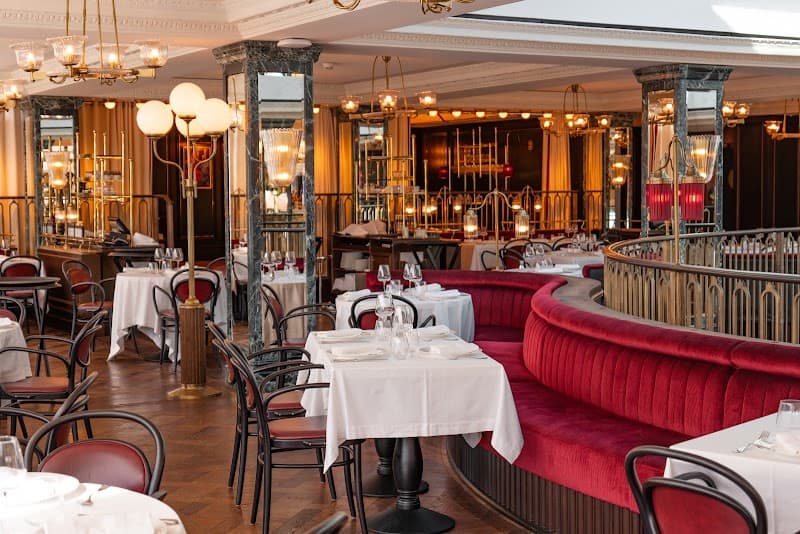
Monte Carlo in Style: A 7-Day Ultra-Luxury Riviera Escape
Week · $$$$$
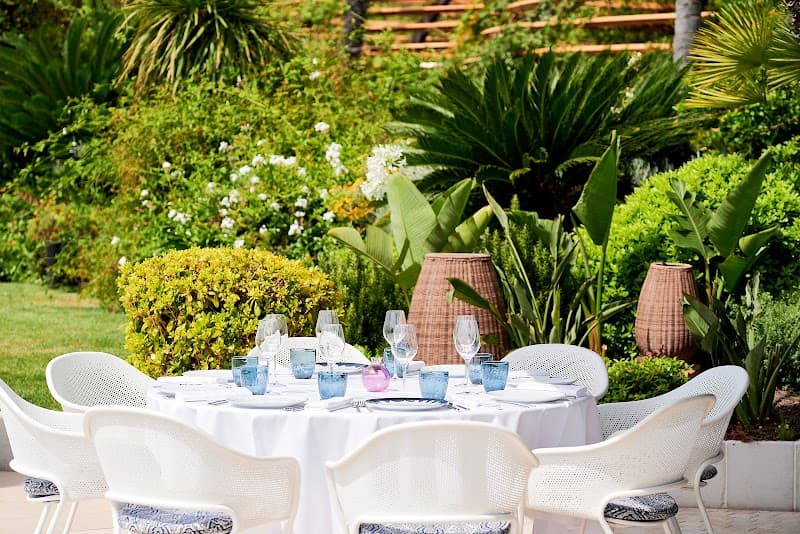
7 Days of Green Glamour in Monte Carlo
Week · $$$
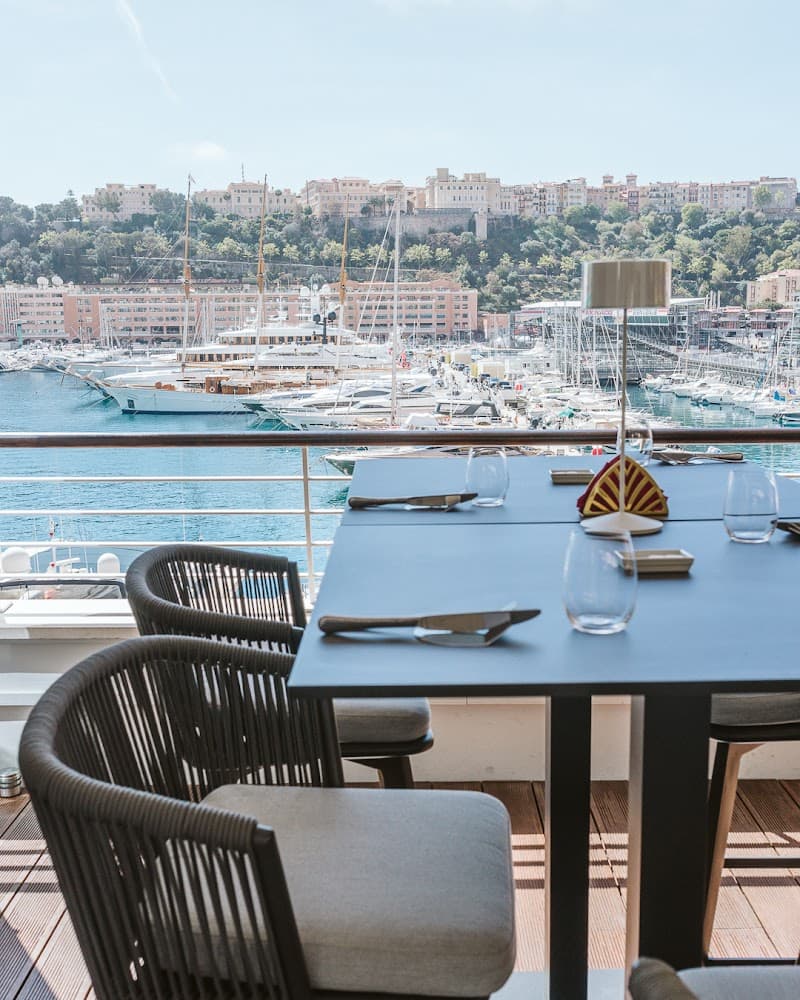
Jungle Luxe Weekend in Monte Carlo
Weekend · $$$
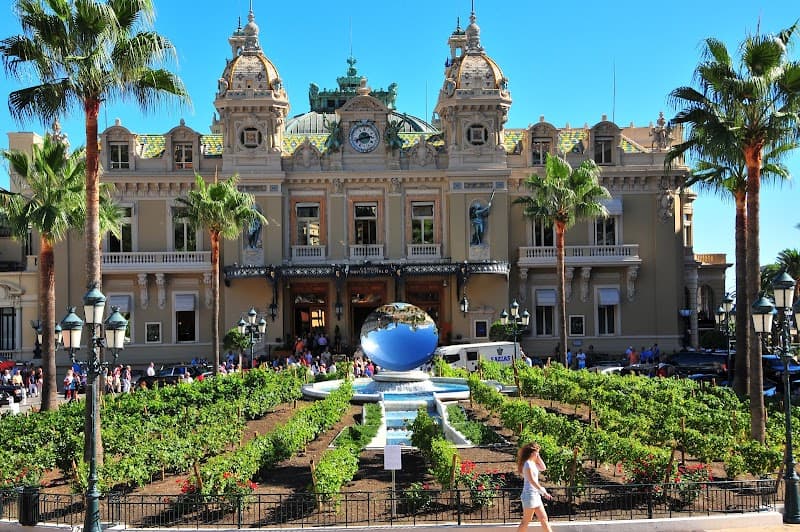
7 Jungle‑Wild Days of Romance in Monte‑Carlo
Week · $$$
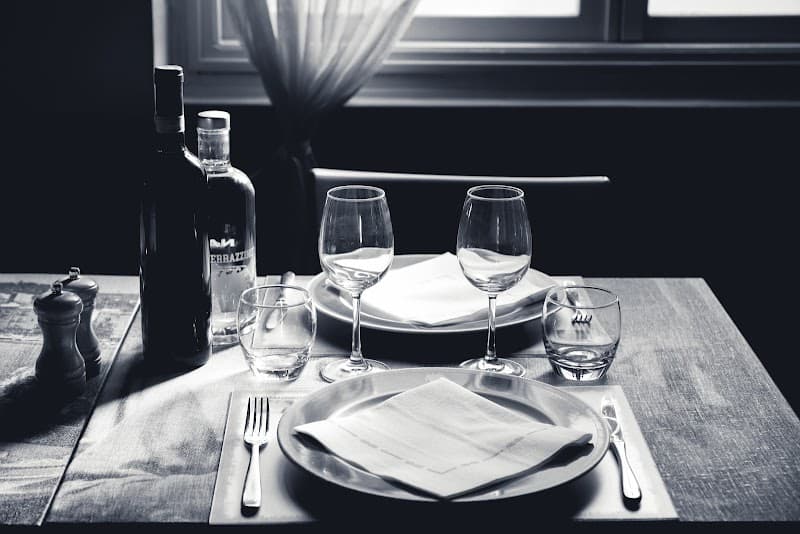
Romantic Jungle Escape on the Riviera in Monte Carlo
Weekend · $$$
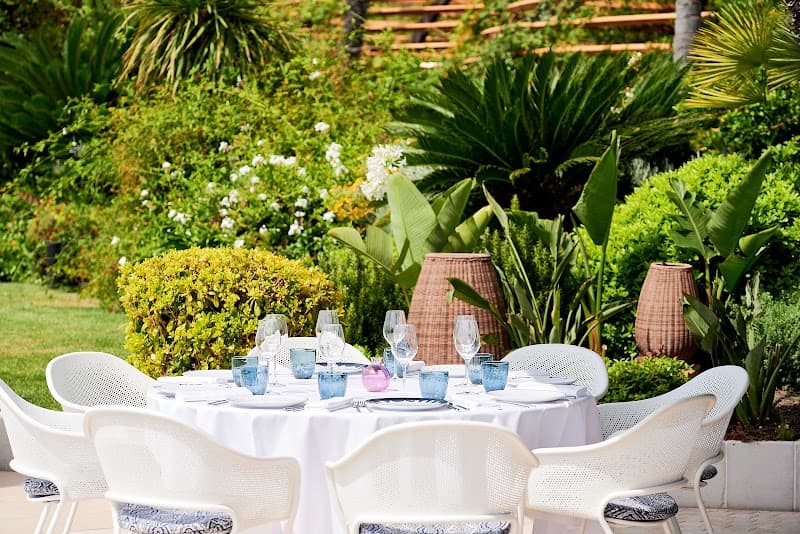
7 Days of Family Fun in Jungle-Chic Monte Carlo
Week · $$$
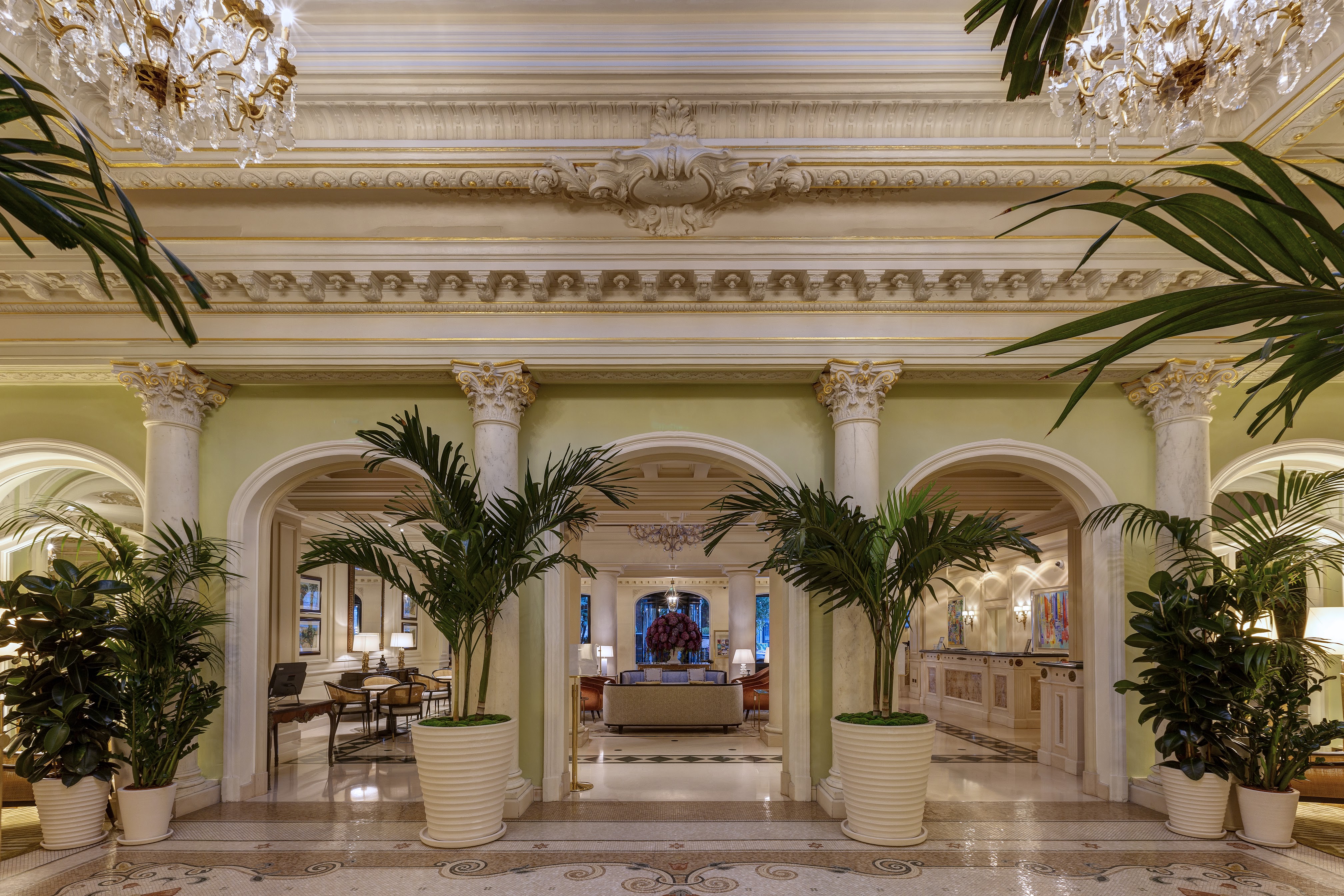
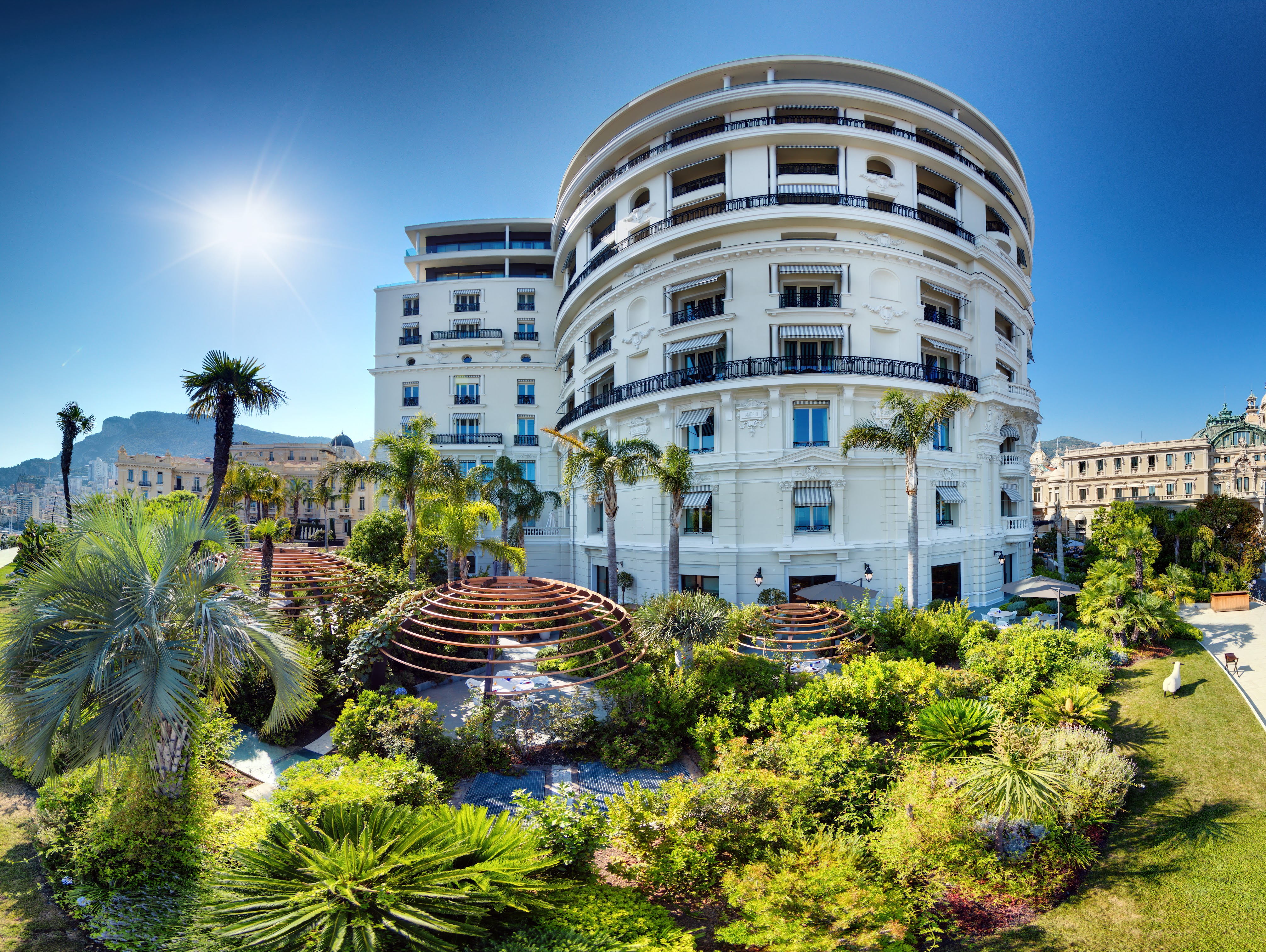
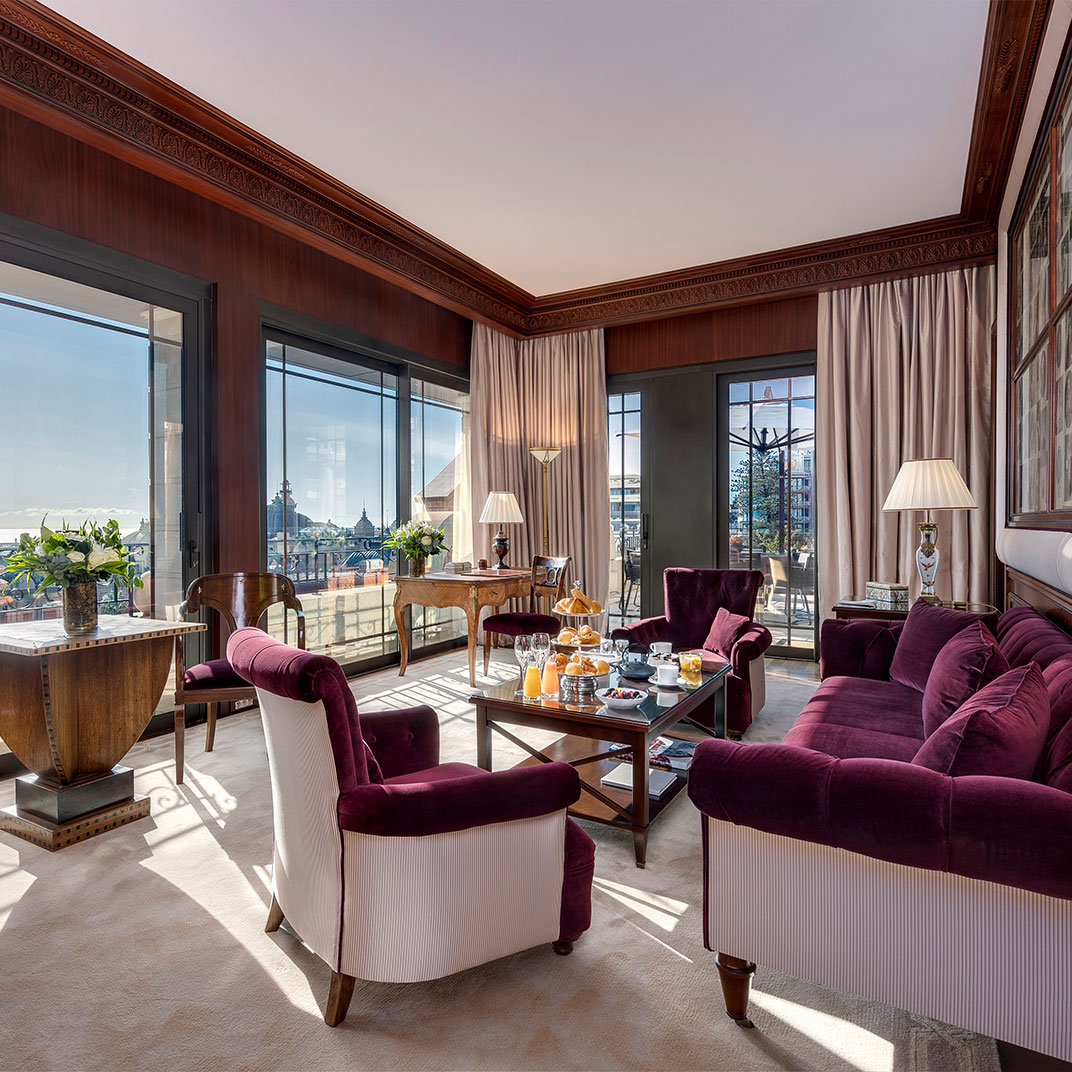
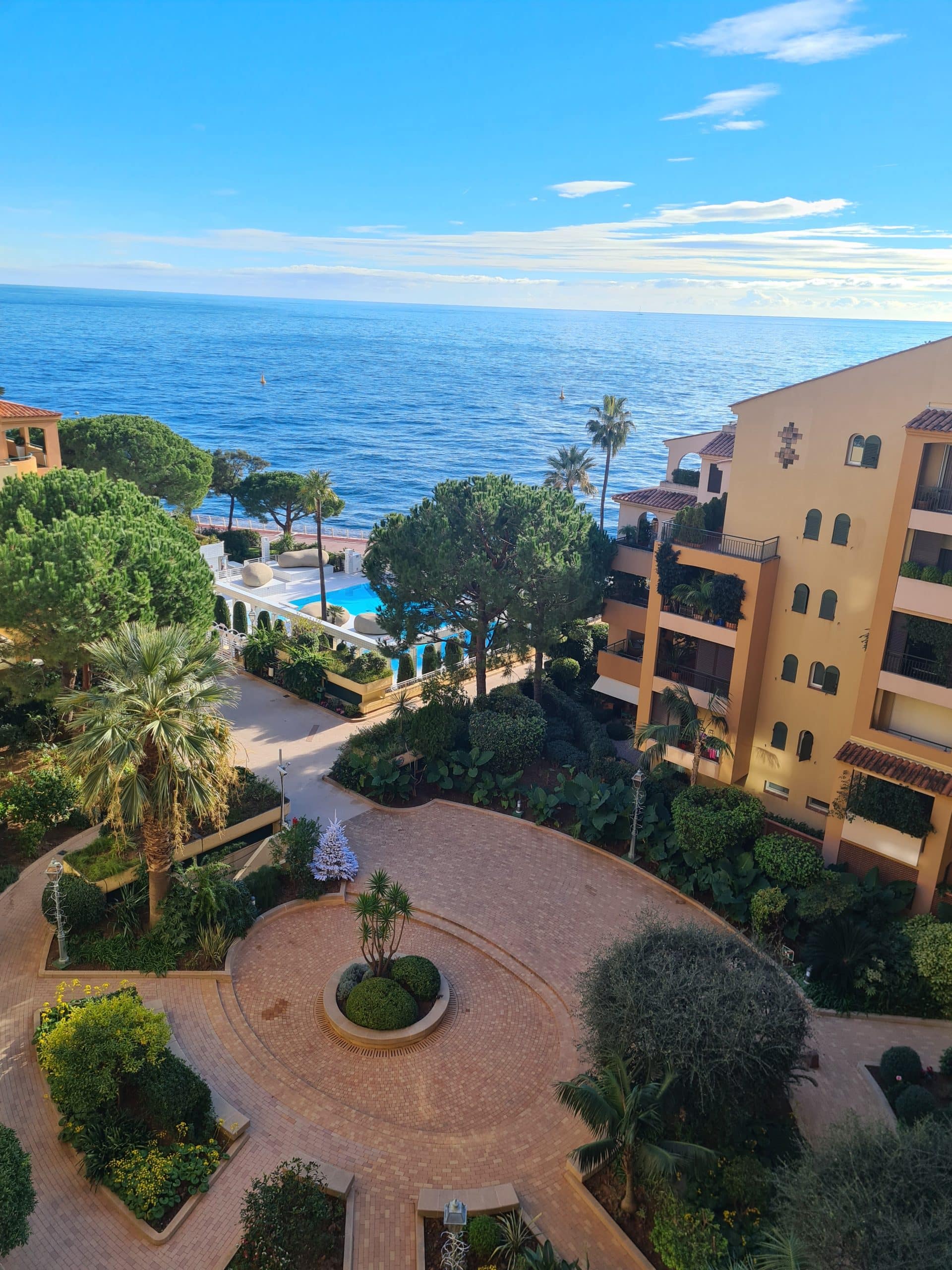
Where to Stay in Monte Carlo
6 recommended properties
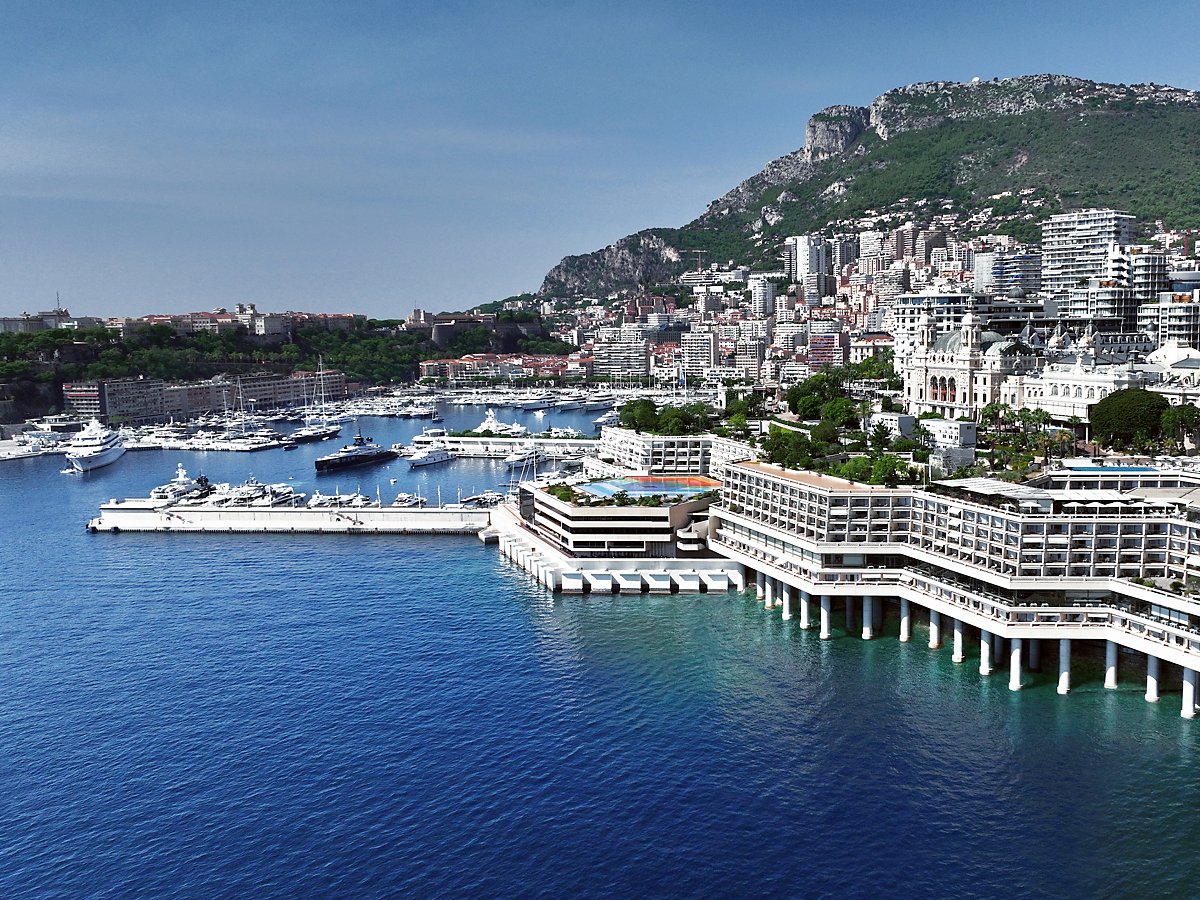
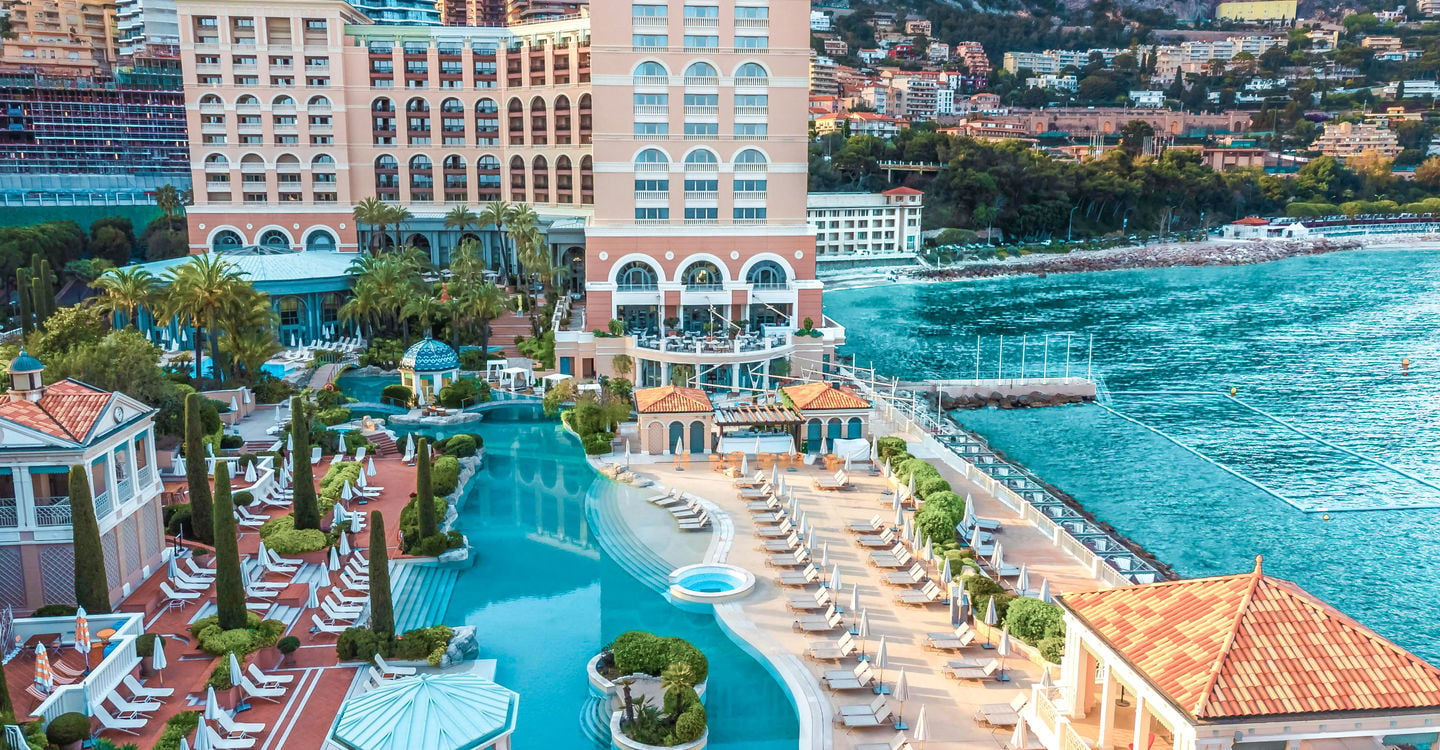
Things to Do in Monte Carlo
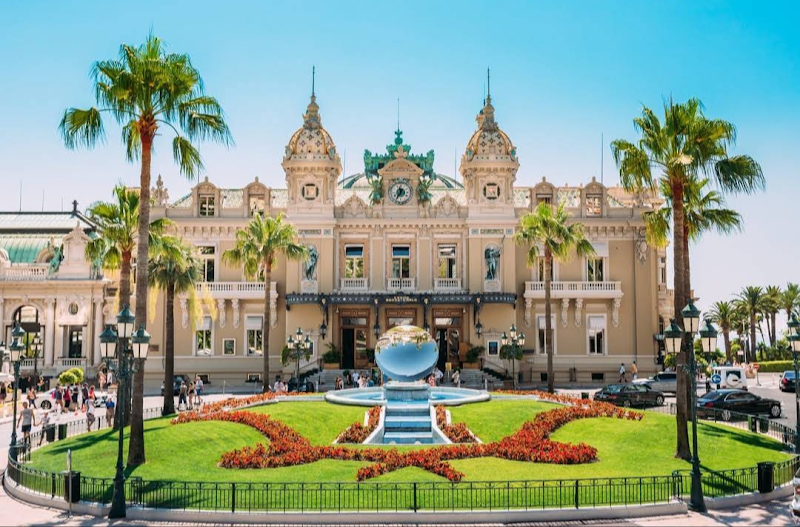
Casino de Monte-Carlo & Casino Square Stroll
Monte-Carlo / Casino Square · 90 min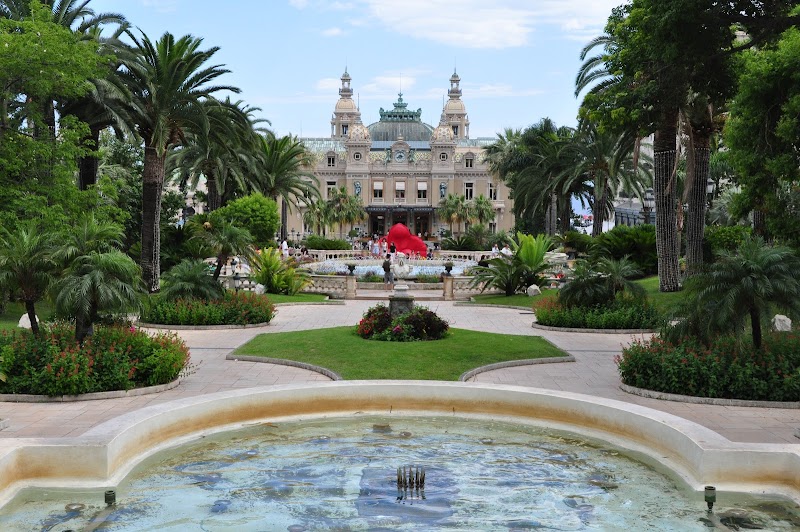
Jardins du Casino & Métropole Shopping Center
Monte-Carlo / Casino & Metropole · 60 min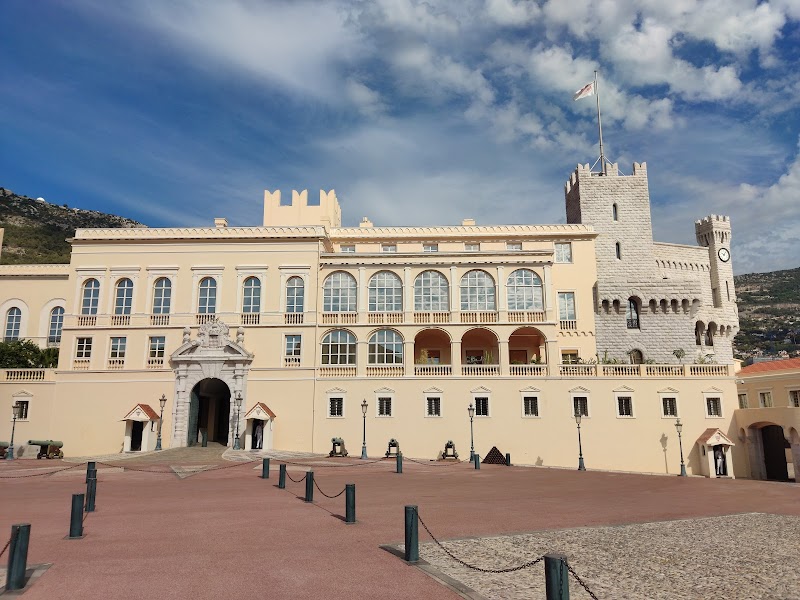
Monaco-Ville Old Town & Prince’s Palace Square
Monaco-Ville (Le Rocher) · 120 minMoney-Saving Tips
- 1.Happy hour at Buddha Bar Monaco (6-8 PM) cuts cocktail prices in half
- 2.Buy bus day passes for €5.50 instead of paying €2 per ride
- 3.Eat lunch at Café de Paris instead of dinner - same terrace, half the price
- 4.Free casino entry if you just want to watch the high-stakes action
- 5.Train from Nice costs €4 vs €100+ taxi ride
- 6.Shop at Monoprix in Monaco-Ville for groceries at almost normal prices
- 7.Palace gardens are free and offer the best views in Monaco
- 8.Many luxury hotels offer free WiFi in their lobbies - perfect for expensive coffee breaks
Travel Tips
- •Dress code matters everywhere - pack at least one formal outfit
- •Credit cards work everywhere, but carry cash for small purchases
- •Learn basic French phrases - locals appreciate the effort
- •Book restaurant reservations weeks in advance, especially for terrace tables
- •The Prince's Palace changing of guard happens daily at 11:55 AM
- •Wear comfortable walking shoes - those hills are no joke
- •Download the Monaco bus app for real-time schedules
- •Avoid driving if possible - parking costs more than most hotel rooms
- •The Monaco-Ville area offers the best photo opportunities
- •Many shops close for lunch from 12-2 PM, plan accordingly