Cinque Terre
Italy's legendary cliffside villages overlooking azure seas
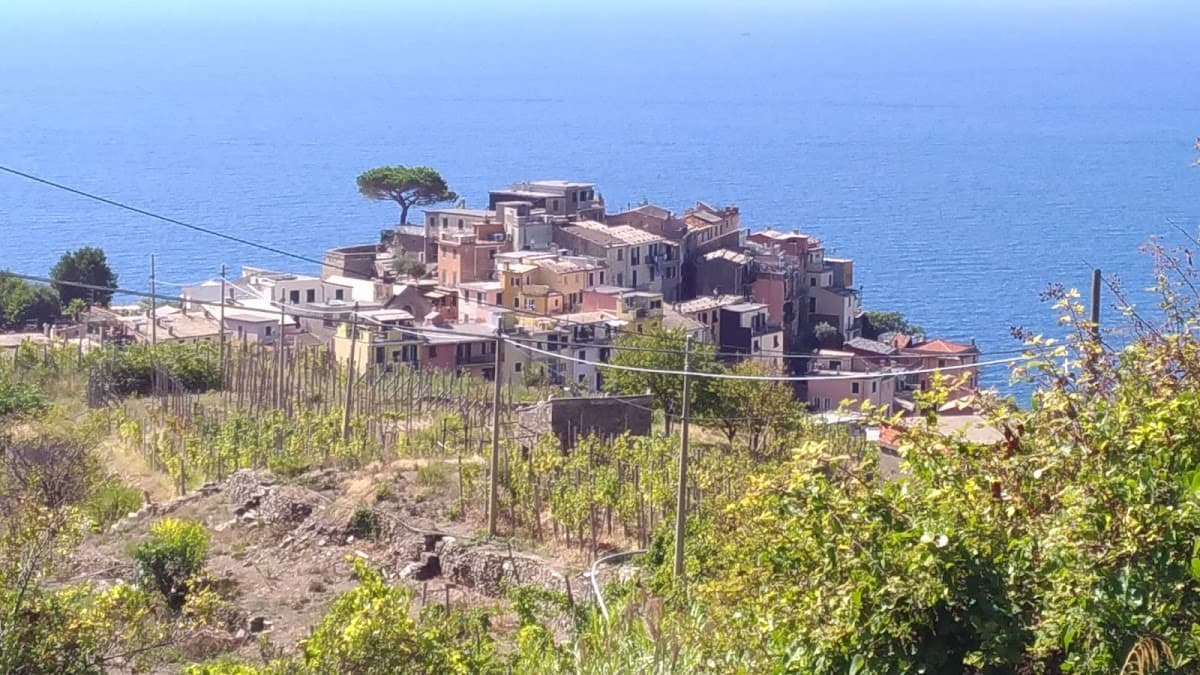
Five villages cling to the Italian Riviera's rocky coastline like colorful barnacles on a ship's hull. Cinque Terre isn't just another pretty face on Instagram — it's a UNESCO World Heritage site where ancient fishing communities have carved out lives between the Mediterranean and terraced vineyards for over a thousand years.
But here's the reality check: those famous photos don't show the crowds squeezing through Monterosso's narrow streets in July, or the €5 gelato that costs €2 everywhere else in Italy. The hiking trails close when it rains (which happens more than you'd think), and good luck finding a restaurant table in Vernazza without a reservation during peak season.
Still worth it? Absolutely. Just come prepared with realistic expectations and a solid game plan. The morning light hitting Manarola's harbor is still magic, even with fifty other photographers capturing the same shot.
Best Months
APR · MAY · JUN · SEP · OCT
~22°C · high crowds
Culture & Context
TERRACES, WINE & STUBBORNNESS
Cinque Terre translates literally to 'Five Lands', and that tells you something important: this is a place defined by land use, not just scenery. For centuries, the people here carved terraced vineyards into near-vertical cliffs with nothing but hand tools and sheer stubbornness. The result is a UNESCO World Heritage Site that earned the designation as much for agricultural engineering as for colorful houses.
Fishing and winemaking are the twin roots of every village here. The anchovy from Monterosso holds a Protected Designation of Origin status from the EU. The local Sciacchetrà wine takes its name from the Ligurian dialect phrase 'sciacca e trá', meaning 'crush and pull out', describing the winemaking process.
Liguria gave the world pesto, and you'll taste it everywhere, on trofie pasta with potatoes and green beans, the traditional combination. The poet Eugenio Montale, Nobel laureate, grew up near here and wrote about this coastline throughout his career. The villages were largely inaccessible by land until the late 19th century, which created tight, self-reliant communities.
That insularity still shows, not rudely, but in the way locals navigate the crowds with quiet resignation. Complaining is practically a regional sport: Ligurians even have their own verb for it.
Local Customs
VALIDATE YOUR TICKET
Always validate your train ticket before boarding. Rangers check, and they fine without exceptions. A traveler in one group watched someone get fined on the spot with zero sympathy from the inspector..
The coperto is not optional and not a scam. Every sit-down restaurant charges €2-4 per person just to sit at the table. It's standard Italian practice, not a tourist trap..
Do not hike in flip-flops or sandals. The national park enforces footwear rules on the trails and can issue fines. Bring proper shoes..
Buy your Cinque Terre Card online or at the train station, not from anyone near the trail entrance. Unofficial sellers do exist.. The tourist tax of €2 per person per day applies from March through October.
Your accommodation will collect it. It's legitimate.. Tap water is safe and free throughout the villages.
Public fountains called 'fontanelle' are in every main square. Refill your bottle and skip the bottled water.. Restaurants in the villages are expensive.
A picnic from the local Coop supermarket (fresh pesto, focaccia, local cheese) eaten on the harbor is both cheaper and more honest than most tourist menus.. August is when Italians take their own holidays. Crowds are at their absolute worst.
Trains get dangerously packed and the experience tips from charming to exhausting fast.
Safety
WATCH YOUR BELONGINGS
Cinque Terre is physically safe. Violent crime is rare. But your wallet is at risk on the trains, particularly when boarding and exiting at crowded stations.
The Cinque Terre Express gets packed to uncomfortable levels in summer, and professional pickpockets use the crush of people getting on and off as cover. The classic technique: someone blocks the door or creates a bottleneck, an accomplice works the crowd behind them. Keep your bag in front of you, close zippers, and don't keep your phone or passport in a back pocket ever.
Train stations in the villages, especially Monterosso and Vernazza during peak hours (11am-4pm), are the highest-risk spots. The ferry is a lower-risk alternative if crowds bother you. Beyond pickpockets, watch for overcharging at restaurants (check the menu before sitting, look for the coperto listed clearly) and unofficial Cinque Terre Card sellers near trail entrances.
Always buy cards at the official kiosks inside train stations. Solo female travelers generally find the area safe and comfortable, though standard precautions apply at night. The trails themselves carry a different kind of risk: landslides and unstable terrain are real.
Check the national park website for current closures before heading out, as sections of the Blue Trail close without much warning.
Getting Around
TRAIN & FERRY ONLY
No cars. That's the deal. Roads into the villages are closed to non-residents and parking outside is expensive and inconvenient.
The Cinque Terre Express train is your main tool, running frequently along the coast between La Spezia and Levanto, stopping at all five villages. Single tickets run €5-8 each way. Buy the Cinque Terre Card with train travel (€19.
50-32 depending on season) if you're moving between villages more than twice in a day. Validate your ticket at the yellow machine before boarding, without exception. Ferries run between Monterosso, Vernazza, Manarola, and Riomaggiore (Corniglia has no landing point), connecting to La Spezia and Levanto.
The ferry is slower and pricier but dramatically less stressful than the packed trains during peak hours. Each village also runs its own internal bus for getting up to higher areas: Riomaggiore's bus goes to the castle, Manarola's goes to Groppo and Volastra. Bus tickets are €1.
50, free with the Cinque Terre Card. The Explora 5Terre hop-on/hop-off bus connects the villages to La Spezia and outlying hamlets, with daily unlimited passes from €22. From the nearest major airport (Genoa), the train to Cinque Terre takes 60-90 minutes and costs around €11.
Pisa and Florence are also feasible rail connections.
Useful Phrases
Money-Saving Tips
- 1.Buy the Cinque Terre Treno MS card (€18.20/day) instead of individual train tickets — it pays for itself after 4 rides between villages
- 2.Pack lunch from grocery stores in La Spezia before heading to the villages — restaurant prices jump 50% once you're in Cinque Terre proper
- 3.Stay in Levanto or La Spezia and day-trip in — hotel prices are half what you'll pay in the villages themselves
- 4.Visit restaurants for lunch instead of dinner — many offer the same menu for €5-8 less during midday hours
- 5.Buy wine directly from local producers on the terraced vineyards — bottles cost €8-12 versus €25+ in village restaurants
- 6.Take the first train of the day (usually 6:30 AM) to beat crowds and get better photos without paying for expensive sunrise photography tours
Travel Tips
- •Download offline maps before you go — cell service gets spotty on hiking trails between villages, especially around Corniglia
- •Wear proper hiking shoes with grip — those Instagram photos don't show how slippery the coastal rocks get when wet
- •Check trail conditions on the official Cinque Terre website the night before hiking — sections close frequently due to landslides
- •Book restaurant reservations at least 2-3 days ahead, especially in Vernazza and Manarola where tables are limited
- •Carry cash — many small shops and some restaurants still don't accept cards, particularly in Corniglia
- •Start hiking early (by 8 AM) to avoid afternoon heat and crowds — the coastal paths offer no shade
- •Pack layers even in summer — coastal weather changes quickly and evening temperatures drop significantly
- •Bring a reusable water bottle — public fountains in each village provide free refills and reduce plastic waste
Frequently Asked Questions
Explore Cinque Terre
BUILD YOUR
CINQUE TERRE PLAN
Insider picks, smart timing, and a plan ready when you are.
Start Planning