Portugal
Atlantic coastline meets timeless European elegance
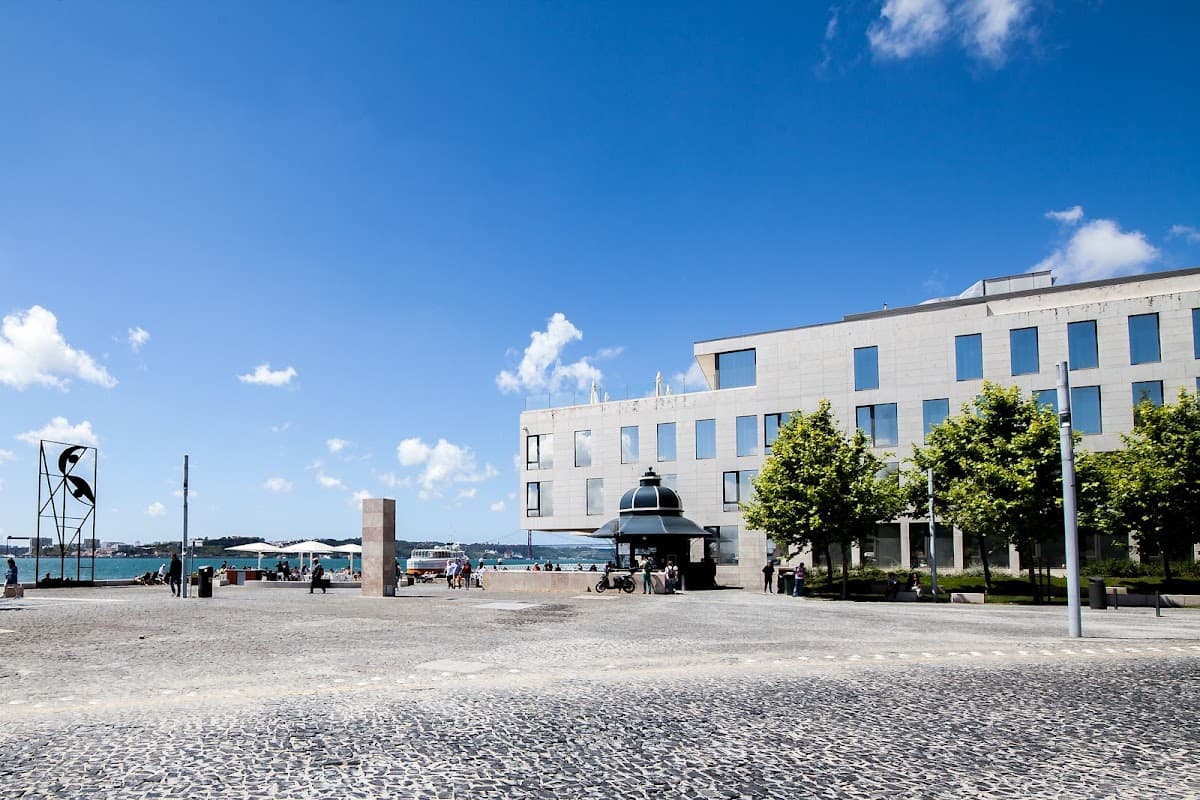
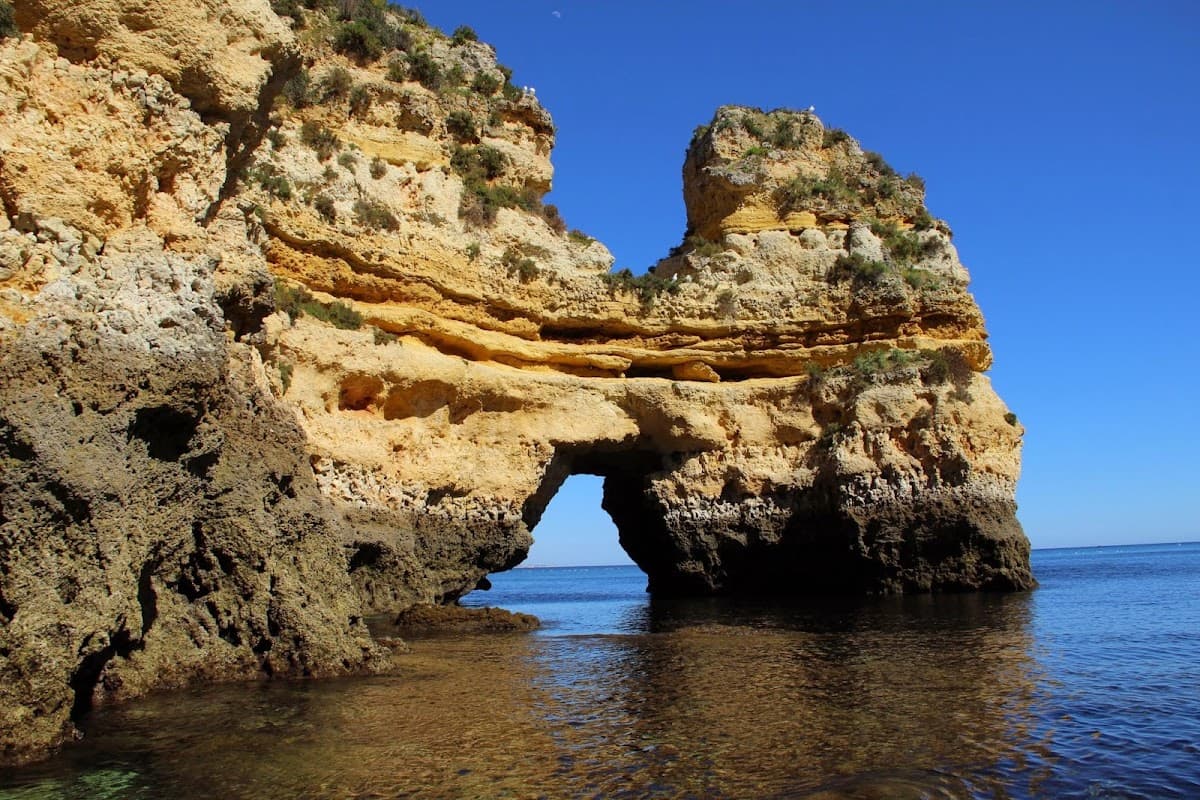
Portugal feels like Europe's best-kept secret, even though millions visit every year. The country delivers that rare combination of old-world charm and coastal perfection that makes you want to cancel your return flight. Lisbon's yellow trams climb cobblestone hills past azulejo-tiled buildings, while Porto's riverside cafes serve perfect pastéis de nata alongside glasses of ruby port. Head south and the Algarve unfolds in golden cliffs and hidden coves that rival anything in the Mediterranean.
But here's what makes Portugal special: it's still affordable compared to its European neighbors, the locals are genuinely welcoming, and you can surf world-class waves in the morning and explore medieval castles in the afternoon. The food scene has exploded beyond traditional bacalhau, with young chefs in cities like Lisbon earning Michelin stars while village tasquinhas still serve the same recipes their grandmothers perfected decades ago.
Explore Destinations

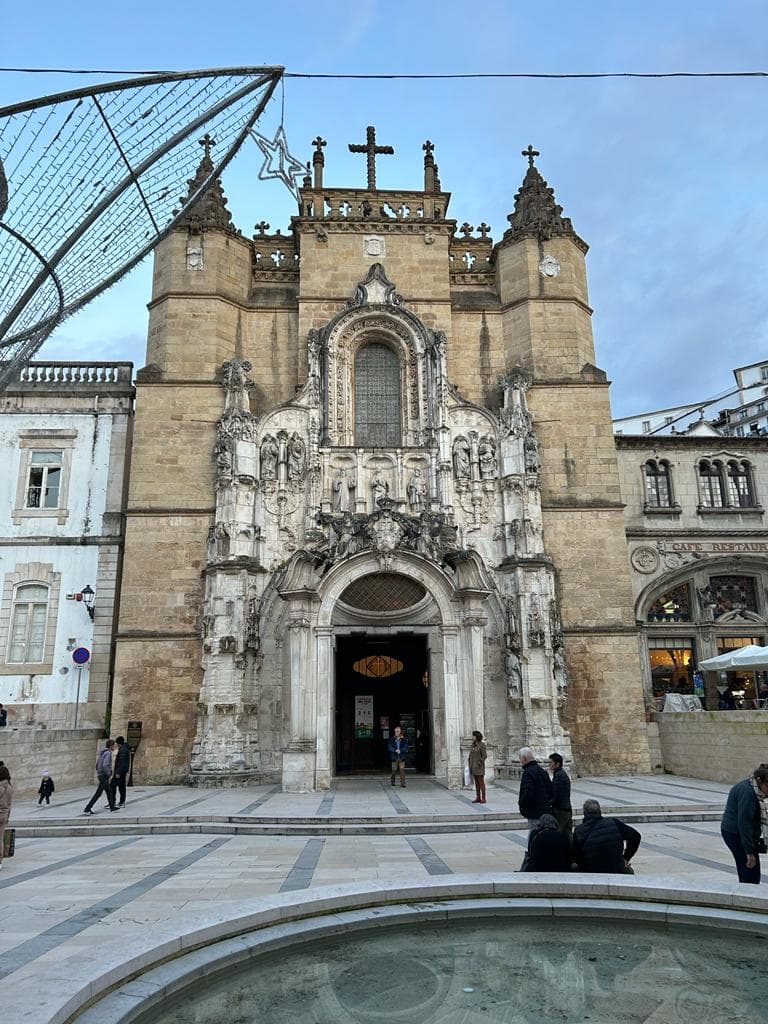
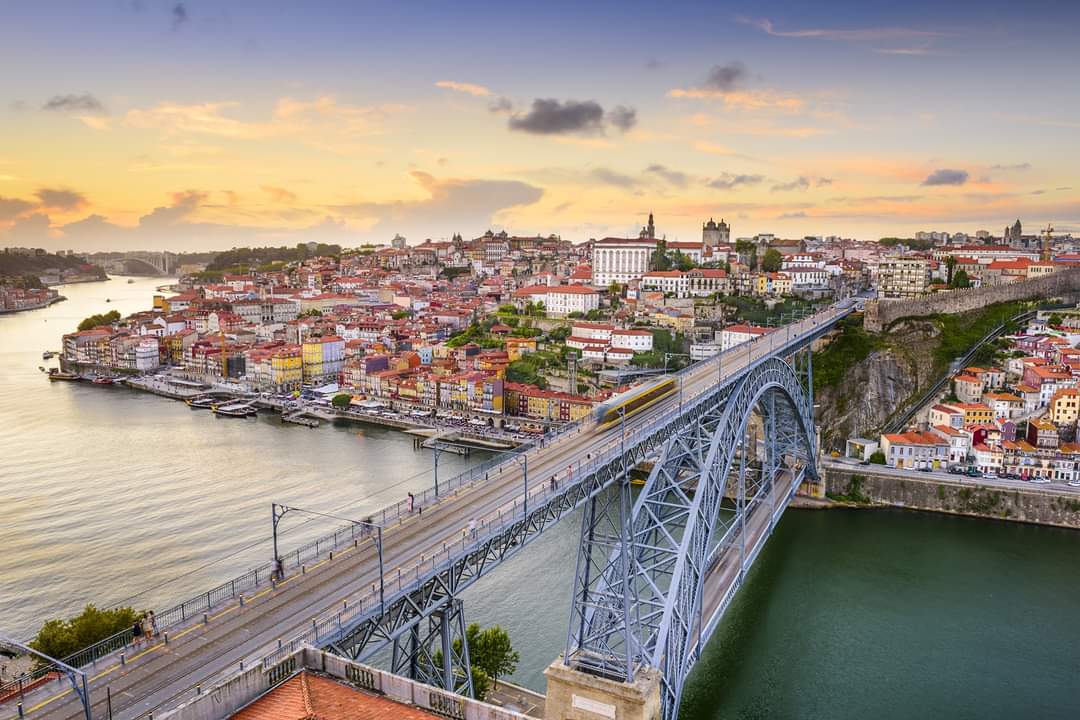
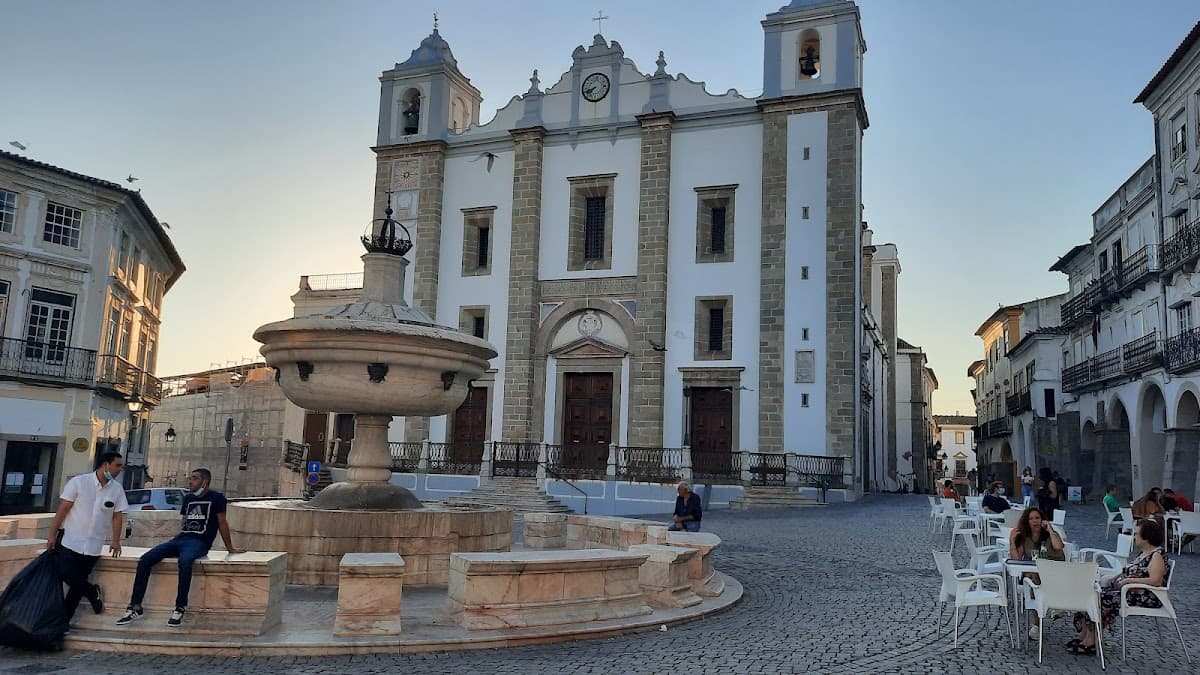

Explore the Region
Portugal Itineraries
View all
Slow Trails & Tastes of Madeira
Week · $$
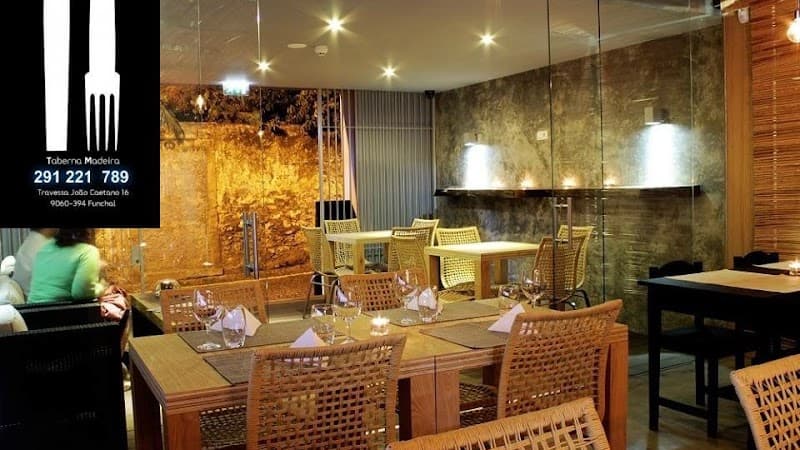
Slow Trails and Tasty Bites in Madeira
Week · $$
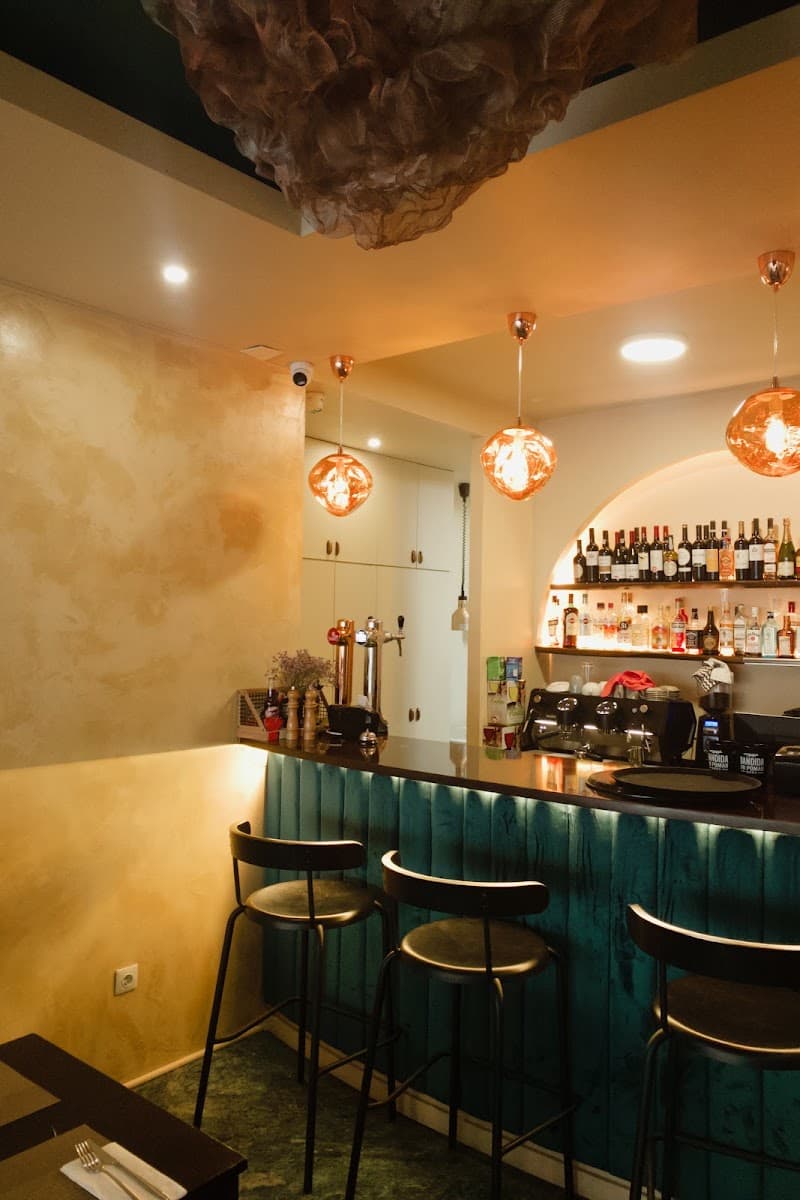
Elegant Lisbon Weekend: Views, Vintage Streets & Atlantic Air
Weekend · $$
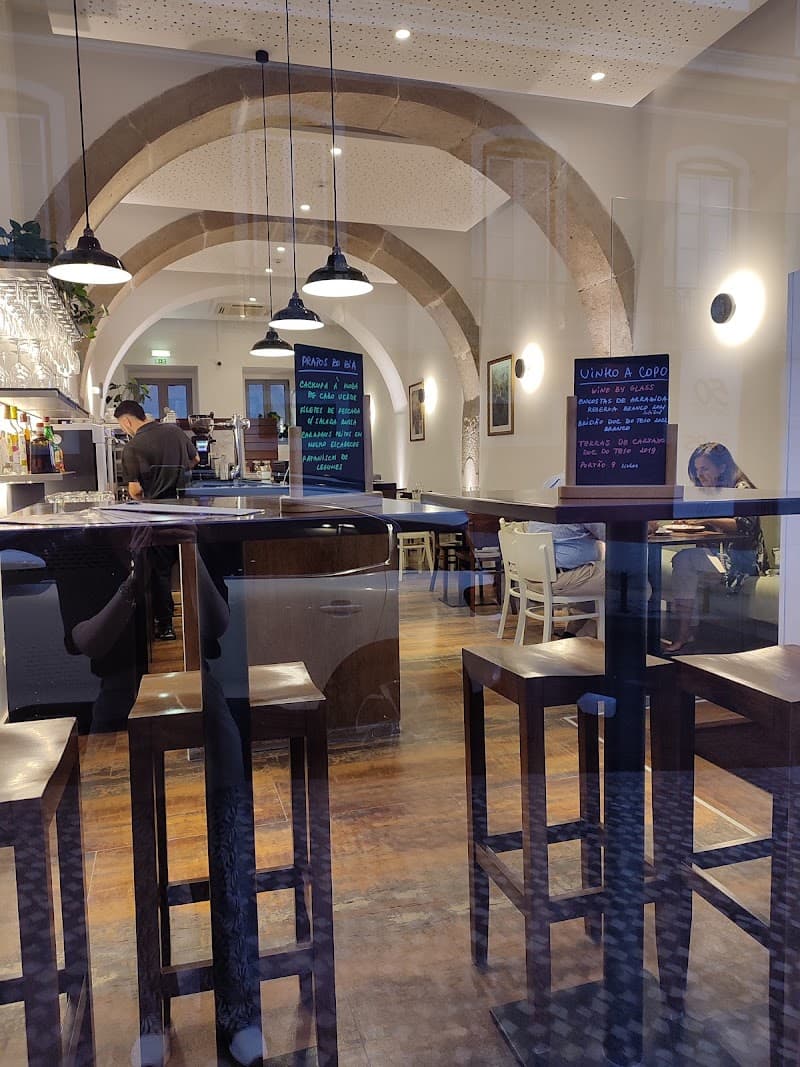
Lisbon Layers of Light: A Classic Weekend for Two
Weekend · $$
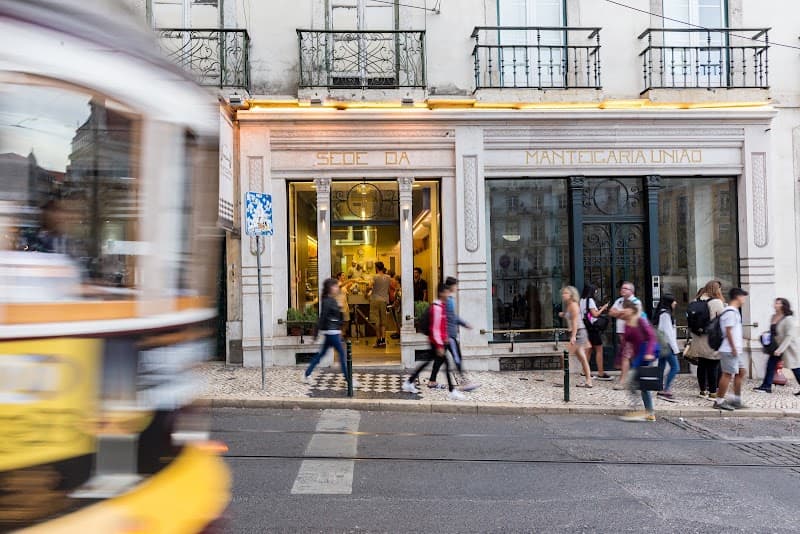
Saudade & Sips: A Slow Day in Old Lisbon
Weekend · $$$
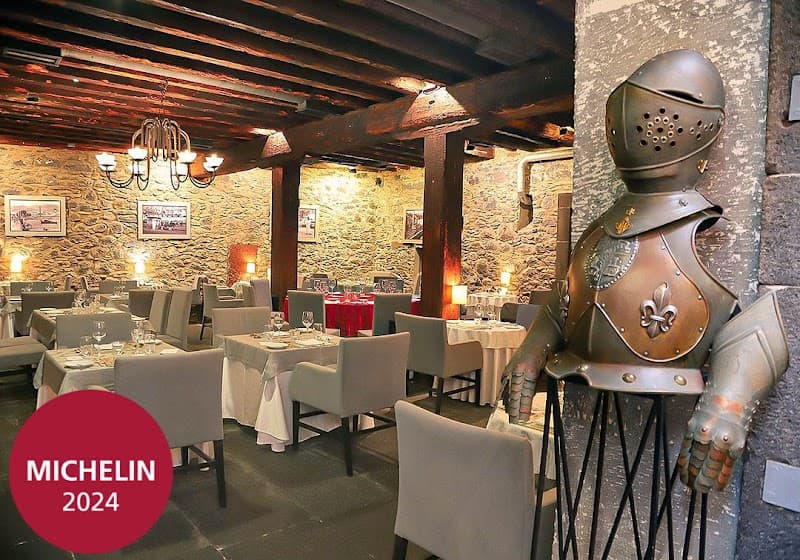
Seven Easy Days of Madeira’s Coast, Gardens, and Flavors
Weekend · $$$
Money-Saving Tips
- 1.Buy a Lisboa Card (€20 for 24 hours) if you plan to visit multiple museums and use public transport frequently - it pays for itself after 3-4 attractions
- 2.Eat lunch at local tascas instead of tourist restaurants - you'll save 50% and get better food
- 3.Book accommodation outside city centers and use public transport - hotels in Lisbon's suburbs cost half the price of downtown
- 4.Take the train instead of flying between Portuguese cities - it's often cheaper and always more scenic
- 5.Shop at Mercado da Ribeira in Lisbon or Mercado do Bolhão in Porto for fresh produce and local specialties at local prices
- 6.Drink house wine (vinho da casa) at restaurants - Portuguese table wine is excellent and costs €3-5 per glass
- 7.Visit museums on Sunday mornings when many offer free or reduced admission for residents and EU citizens
- 8.Use Uber or Bolt instead of taxis for longer rides, but check taxi meters for short trips - they're often cheaper in city centers
Travel Tips
- •Learn basic Portuguese greetings - locals appreciate the effort and many older residents speak limited English
- •Always carry cash - many small restaurants and shops don't accept cards, especially outside major cities
- •Pack layers even in summer - the Atlantic breeze can be surprisingly cool, especially in the evening
- •Make dinner reservations - Portuguese restaurants often don't open until 7:30 PM and good places book up quickly
- •Try the local coffee culture - order a 'bica' (espresso) and drink it standing at the bar like locals do
- •Don't rush - Portuguese pace is relaxed, and trying to hurry will only frustrate you and locals
- •Bring comfortable walking shoes - Portuguese cities are built on hills with cobblestone streets that can be slippery when wet
- •Download the Citymapper app for Lisbon and Porto - it includes real-time public transport information and walking directions