Lisbon
Where cobblestone streets meet Atlantic charm and fado melodies
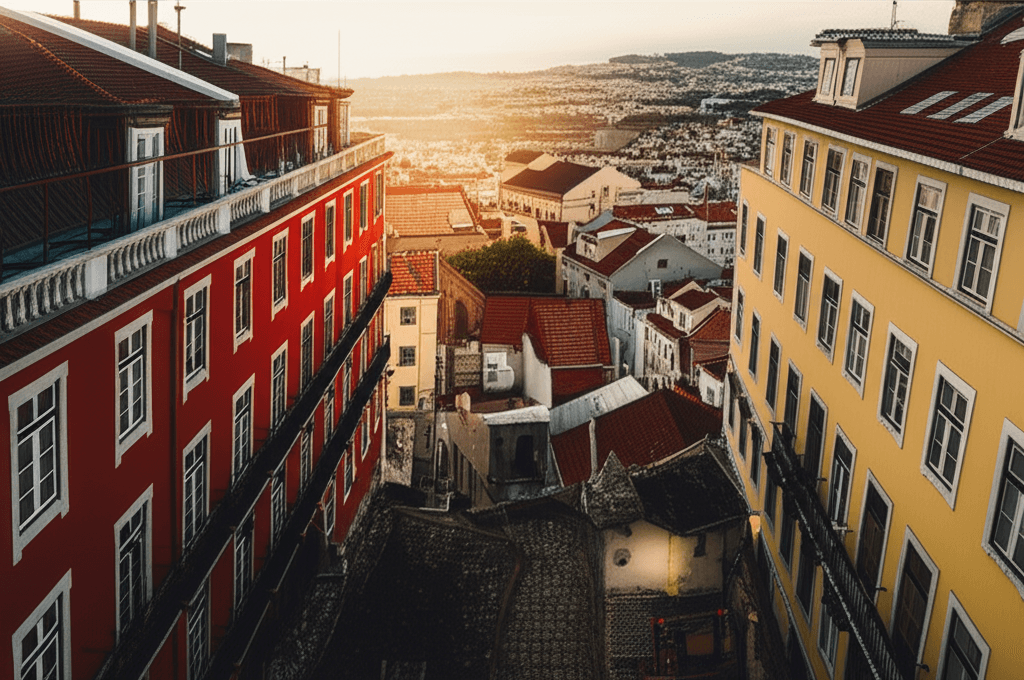
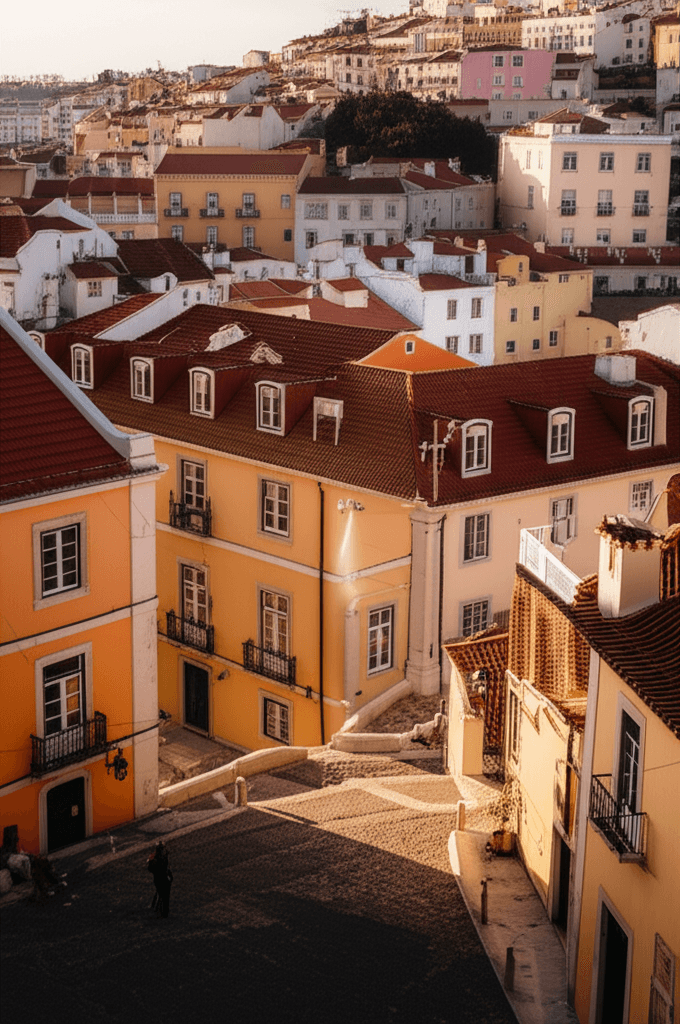
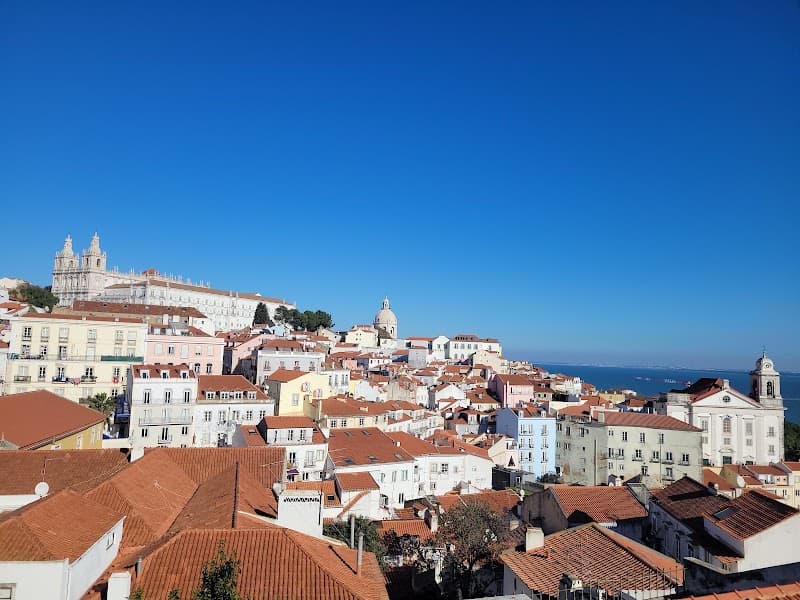
Lisbon doesn't try too hard, and that's exactly why it works. The Portuguese capital sprawls across seven hills like a relaxed cat in the sun, all terracotta rooftops and Atlantic breezes. Tram 28 still clatters through neighborhoods where locals hang laundry from wrought-iron balconies, and you can hear fado drifting from tavernas after midnight.
The city moves at its own pace. Lunch happens at 2pm, dinner starts at 9pm, and nobody rushes. You'll find yourself slowing down too, lingering over coffee at sidewalk cafés in Chiado or watching the sunset paint the Tagus River gold from a miradouro in Alfama. The hills might leave you breathless, but the views are worth every step.
Food here means more than just pastéis de nata (though you'll eat plenty). Think grilled sardines at neighborhood tascas, fresh seafood at Mercado da Ribeira, and that perfect bifana sandwich at 2am. The wine flows freely – this is Portugal, after all – and a bottle of excellent vinho verde costs less than a coffee in most European capitals.
Day trips beckon from every direction. Sintra sits just 30 minutes away with its fairy-tale palaces, while the beaches of Cascais offer Atlantic waves and fresh seafood. Back in the city, you can explore everything from Lisbon's hidden trails and local bites to romantic hill climbs and fado nights. The beauty of Lisbon? It rewards both the planned and the spontaneous equally well.
Best Months
APR · MAY · JUN · SEP · OCT
~24°C · high crowds
Culture & Context
EARTHQUAKE REBUILT DUALITY
Lisbon got flattened by an earthquake in 1755 and then rebuilt almost from scratch. That's why you get two completely different cities inside one. Baixa is a rational 18th-century grid, clean and ordered. Alfama survived and it still looks medieval, all dead ends and hidden courtyards. The contrast is jarring in the best way.
Here's the thing about saudade: it's not a tourist concept. It's a genuine emotional thread in Portuguese life, described as a deep nostalgic longing for something absent. You hear it in fado music most clearly. If you catch a real fado performance (not the tourist-packaged version in Alfama) and mention saudade to a local afterward, expect a proper conversation.
Coffee is serious business. A bica is what you order in Lisbon for an espresso, not "um café." Locals pay under €1 for one. If the menu doesn't show prices or there are photos of the dishes on a board outside, move on.
Never call Portuguese Spanish, and don't speak Spanish to locals. Portugal and Spain share a border and a long, complicated history. Portuguese national identity is distinct and proud, and locals notice when tourists lump the two together. Try a few words of Portuguese instead. Even badly pronounced attempts earn genuine warmth.
Dining runs late. Lunch is 12:30 to 3pm, dinner doesn't really start until 8pm, and kitchens typically close between 3pm and 7pm. Show up at 5pm hungry and you'll be turned away. Bars pick up around 11pm. Clubs don't fill until 2am when the bars close.
Local Customs
REFUSE THE COUVERT
The couvert situation: when you sit down at a restaurant, bread, olives, and butter will appear on the table. They are not free. Each item adds €1-3 per person to your bill.
It is completely acceptable to decline. Just say Não, obrigado and gesture toward the items. The waiter will take them away without drama..
The bill never comes automatically. Waiters will not hover or rush you in Portugal. When you're ready to leave, you have to ask: A conta, por favor.
This is not rudeness on the waiter's part; it is considered polite to let you sit as long as you want.. Greet people when entering any shop, cafe, or small restaurant. A simple bom dia (morning) or boa tarde (afternoon) goes a long way.
Skipping it reads as rude. This applies everywhere, from a supermarket checkout to a museum ticket desk.. Don't rush goodbyes.
This applies to any genuine social interaction with locals. Conversations unspool slowly, farewells take time, and leaving quickly reads as dismissive. Connection takes time here, and locals show they value you by not hurrying..
Lunch runs 12:30-3pm and dinner starts at 8pm at the earliest. Restaurant kitchens close between 3pm and 7pm. Arriving at 5pm expecting a meal will get you a closed kitchen sign and a shrug..
Greetings between friends typically involve two kisses on the cheeks (right cheek first). In more formal settings, a handshake is standard. Follow the other person's lead..
Tipping is appreciated but not obligatory. Check the bill first: some tourist-area restaurants already include a service charge labeled serviço. If it is on the bill, nothing extra is expected.
If it is not, rounding up or leaving 5-10% is fine.. Never speak Spanish to Portuguese locals or suggest the language is similar. Use English before Spanish.
It will always go better.. Nightlife runs seriously late. Bars don't fill until 11pm.
Clubs peak around 2am when bars close. Showing up to a club at midnight feels like arriving at a party that hasn't started.. Cash is still useful.
Smaller tascas, market stalls, local cafes, and some corner shops run on Multibanco and may not accept foreign Visa or Mastercard. Keep €20-30 on you. ATMs (Multibanco machines) are everywhere; avoid the blue and yellow Euronet ATMs which charge conversion fees.
Safety
PICKPOCKETS ON TRAM 28
Lisbon is genuinely one of the safer European capitals. Violent crime against tourists is rare. The issues are mundane and predictable: pickpockets and restaurant tricks.
Tram 28 is the number-one pickpocketing location in the city. Organized groups board at busy stops and work the packed carriages. Wear your bag on your front, keep your phone in a front pocket or inside a zipped bag, and stand away from the doors where thieves can grab and exit quickly. Alternatively, walk the Tram 28 route instead. It is genuinely a better way to see Alfama.
The couvert trick is not a scam exactly, but it catches out a lot of first-timers. Bread, olives, and butter appear on the table without being ordered. They cost money. You can refuse them. Say "Não, obrigado" and gesture toward the items. No awkwardness will follow.
Drug dealers operate around Rossio Square and Praça do Comércio, particularly at night. They are usually scammers selling low-grade product. Saying no firmly or ignoring them entirely is enough. They are not physically threatening.
Late-night Bairro Alto and Cais do Sodré (after midnight) bring opportunistic theft risk as the area fills with drunk crowds. Use Uber or Bolt rather than walking long distances through quieter streets after 1am. The apps are cheap and widely available.
Avoid Euronet ATMs (blue and yellow, often in tourist areas): they charge conversion fees. Use Multibanco machines attached to actual banks instead. Emergency number is 112. Tap water is safe to drink throughout the city.
Getting Around
METRO & VINTAGE TRAMS
The metro is your best friend for anything involving distance. Four lines cover most of the city, running from 6:30am to 1am. A single metro fare is €1.72 with a pre-loaded Navegante card (the Zapping option) or €1.90 as a single ticket. The card itself costs €0.50 and is worth getting immediately. As of 2026, you can also tap your contactless bank card directly at metro barriers on the metro network, which is useful for a one-off journey.
Buy a 24-hour unlimited pass for €7.25 if you're doing a full day of sightseeing. It covers metro, buses, trams, and funiculars including the Santa Justa elevator (saving you €6 individually on that alone). Purchase it at a metro station machine, not at tram stops.
Tram 28 is slow, crowded, and a pickpocket magnet. But riding it early morning is a different experience: quiet, rattling through the narrow streets of Alfama past the Sé cathedral and up to Graça. If you can get on before 9am, go for it. If it's peak tourist hours, consider walking the route instead.
The E15 modern tram runs flat along the riverfront from Praça da Figueira to Belém. Clean, uncrowded, useful. This is how you get to Belém without a taxi.
The three funiculars (Glória, Bica, Lavra) help with the steepest hills and are covered by the day pass or Zapping card. The Aerobus has been discontinued in 2026. From the airport, the metro Red Line takes about 20 minutes to central Lisbon for €1.85-1.90. A metered taxi should cost €15-20; Uber and Bolt both operate here and typically run €7-10.
For Sintra and Cascais day trips, trains leave from Rossio station (Sintra, around 40 minutes) and Cais do Sodré (Cascais, scenic coastal route). Both are included in the Navegante day pass.
Useful Phrases
Explore Neighborhoods


Explore the Region
Lisbon Itineraries
View all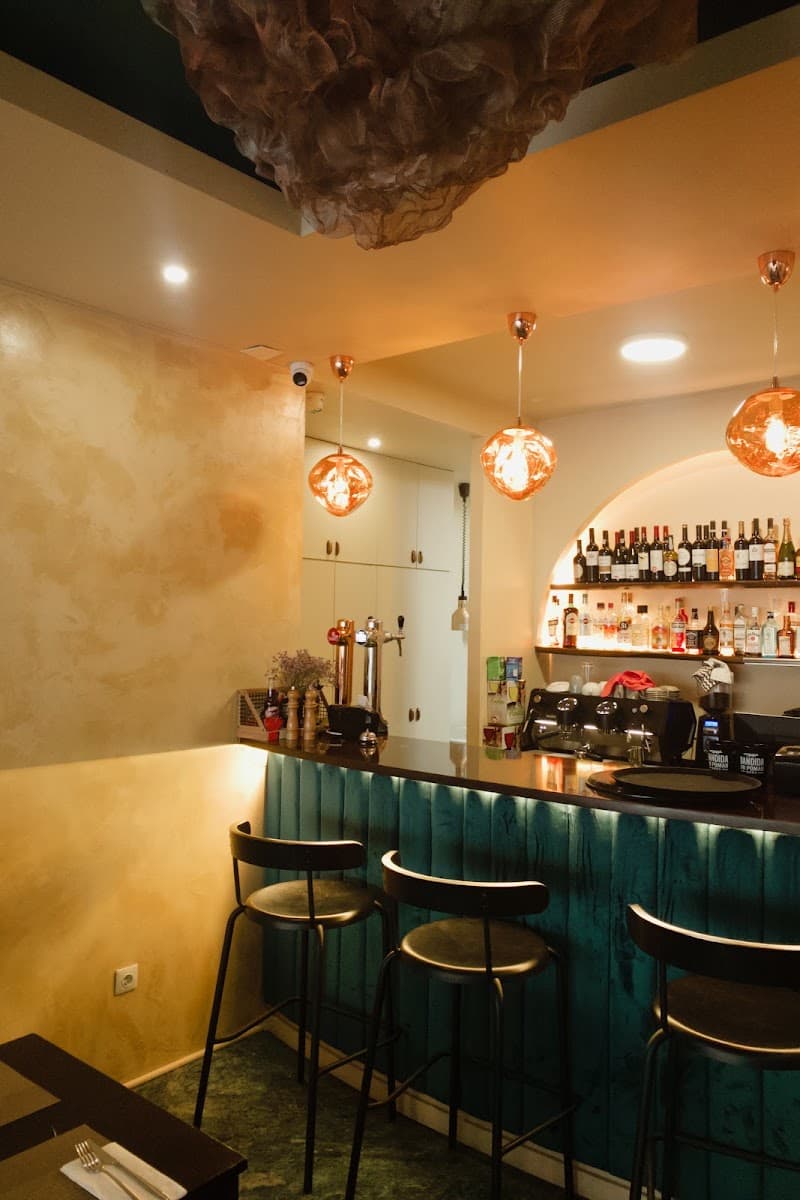
Elegant Lisbon Weekend: Views, Vintage Streets & Atlantic Air
Weekend · $$
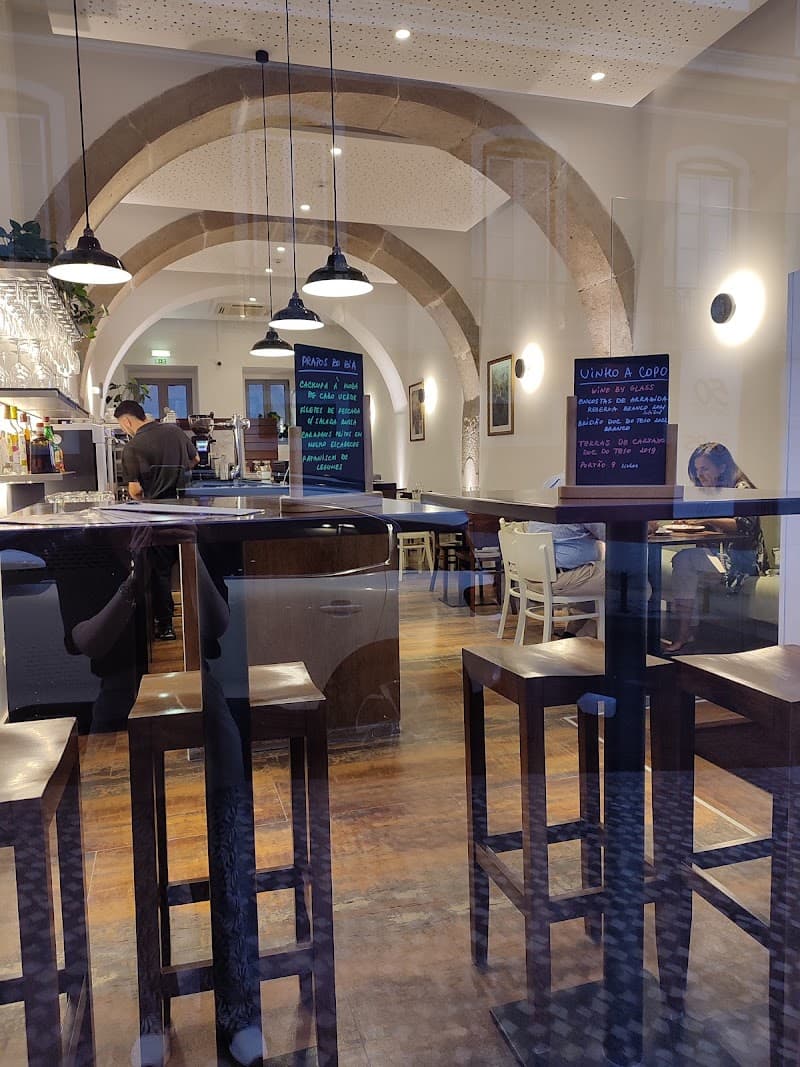
Lisbon Layers of Light: A Classic Weekend for Two
Weekend · $$
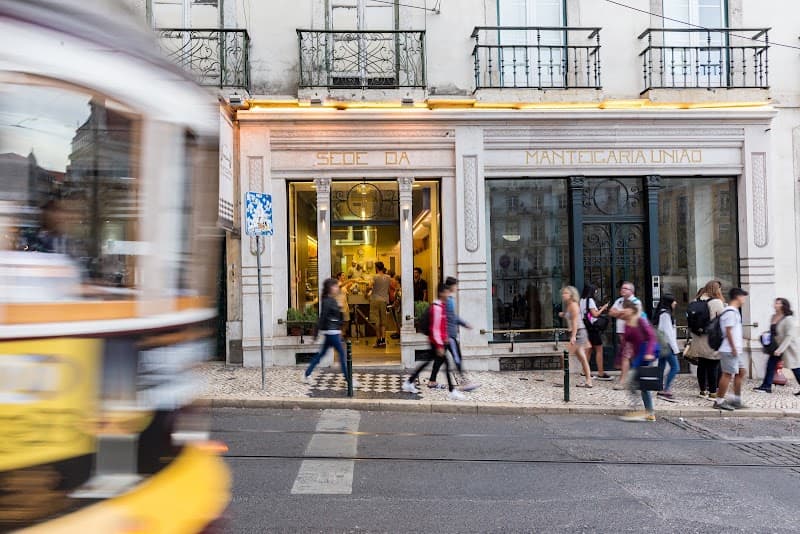
Saudade & Sips: A Slow Day in Old Lisbon
Weekend · $$$
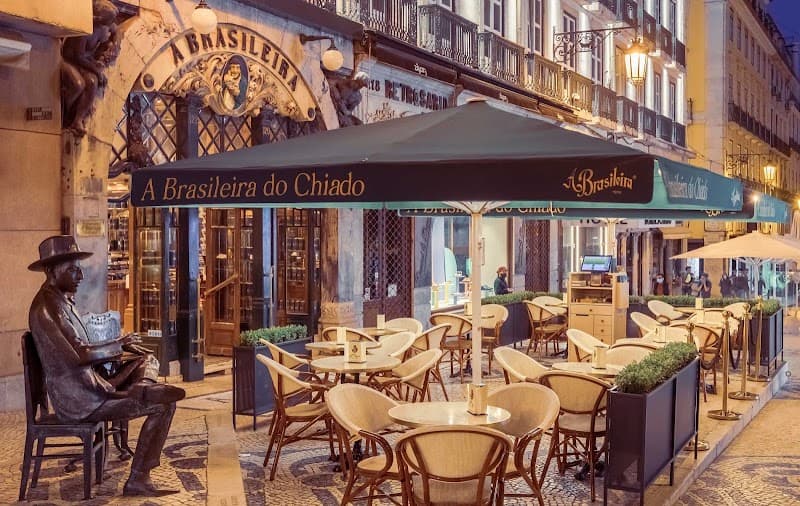
Lisbon in 7 Days: Alfama Views, Atlantic Air, and Fado Nights
Week · $$$
Elegant Adventure Weekend in Lisbon
Weekend · $$

Lisbon in 7 Tastes: A Food & Wine Week for Two
Week · $$$
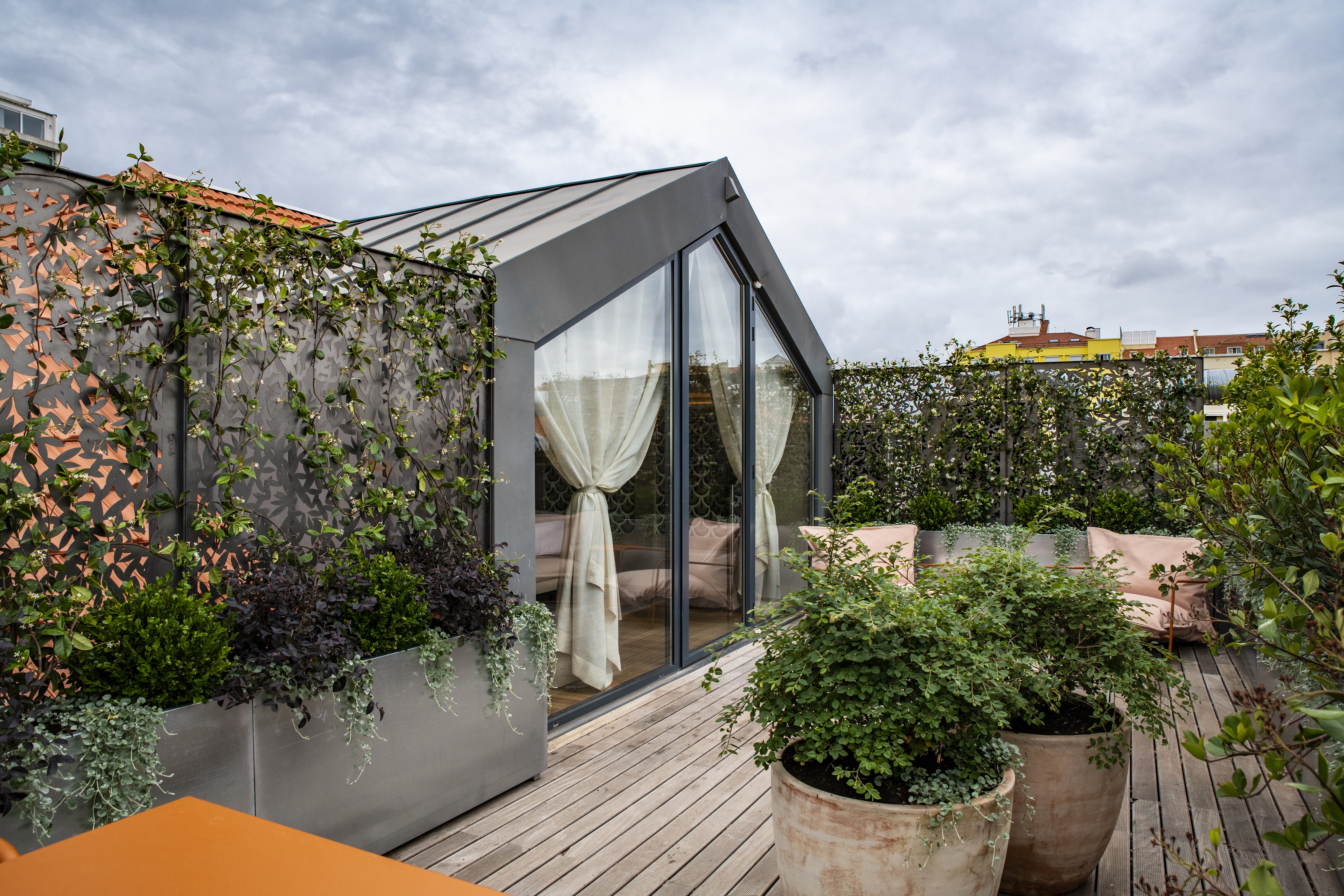
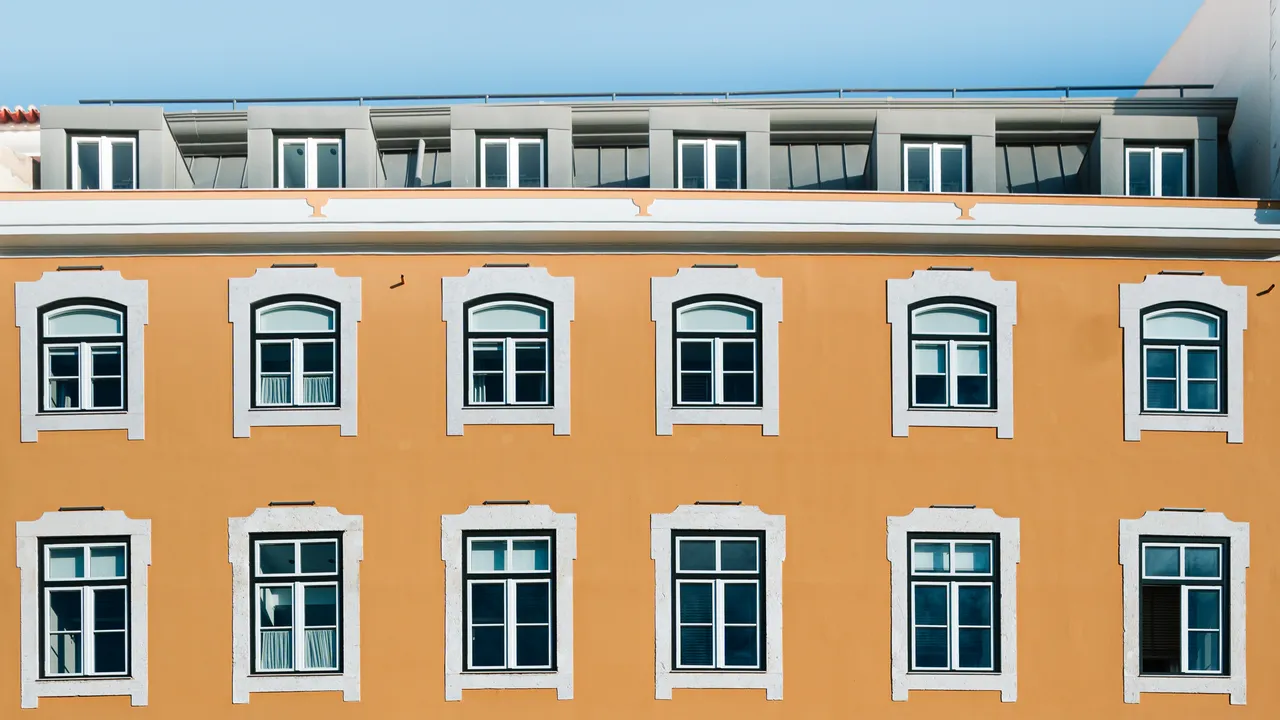
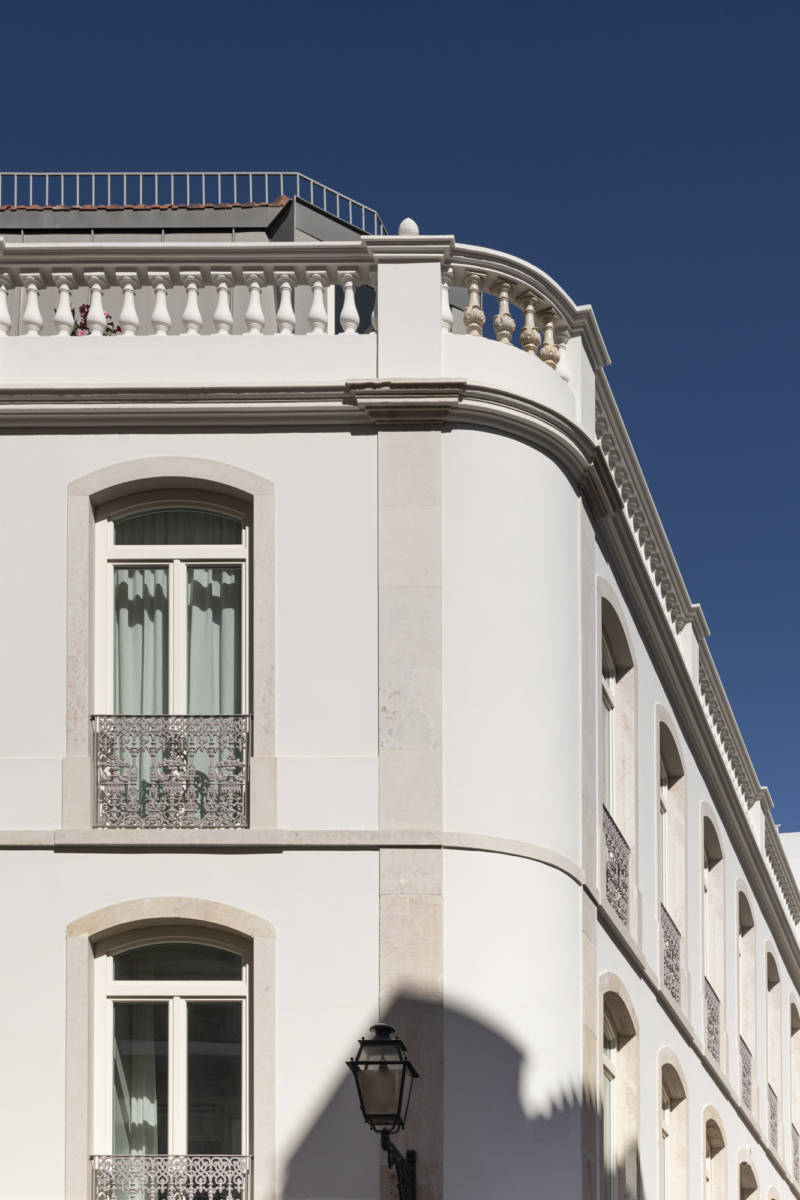
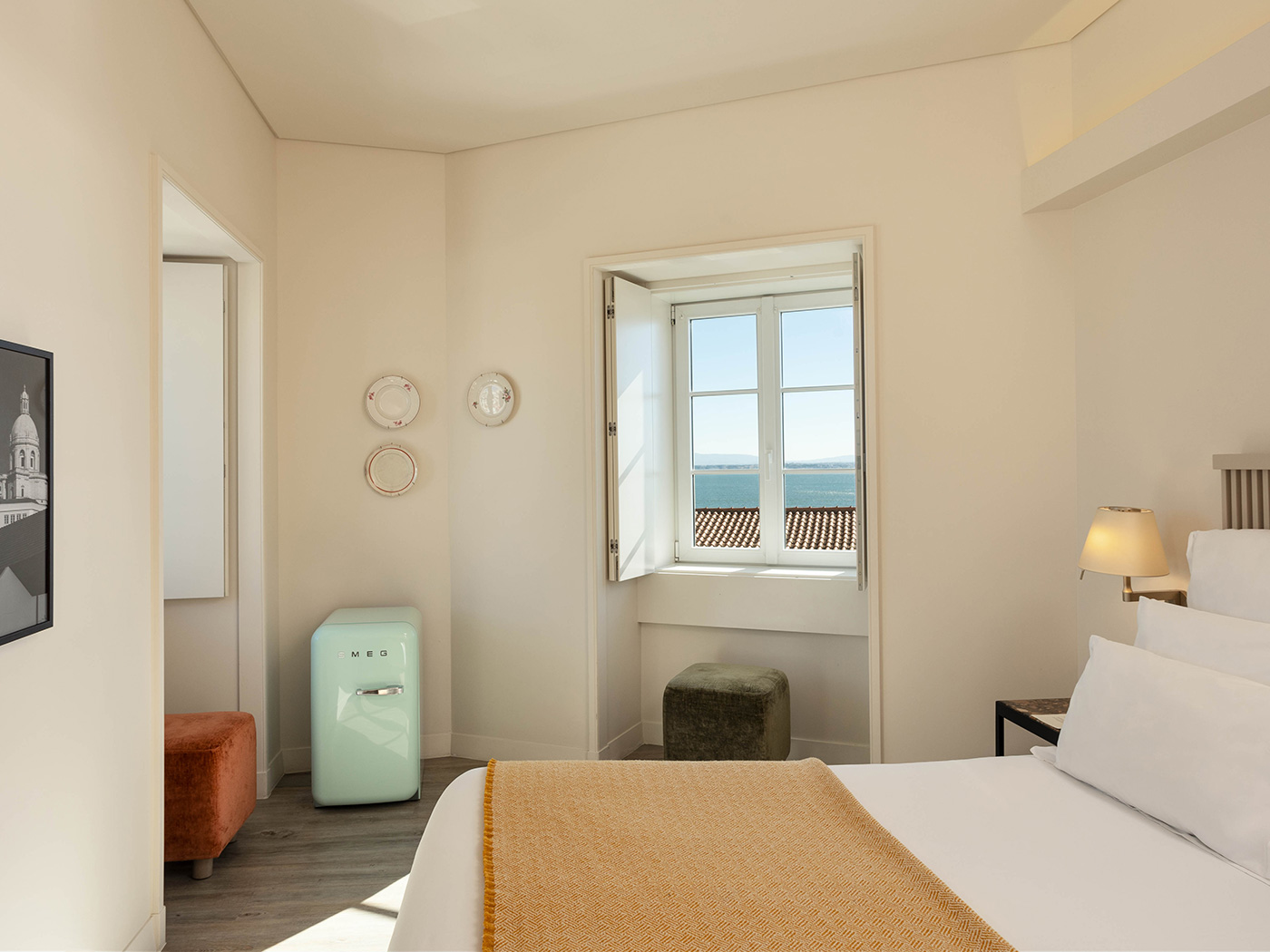
Where to Stay in Lisbon
9 recommended properties
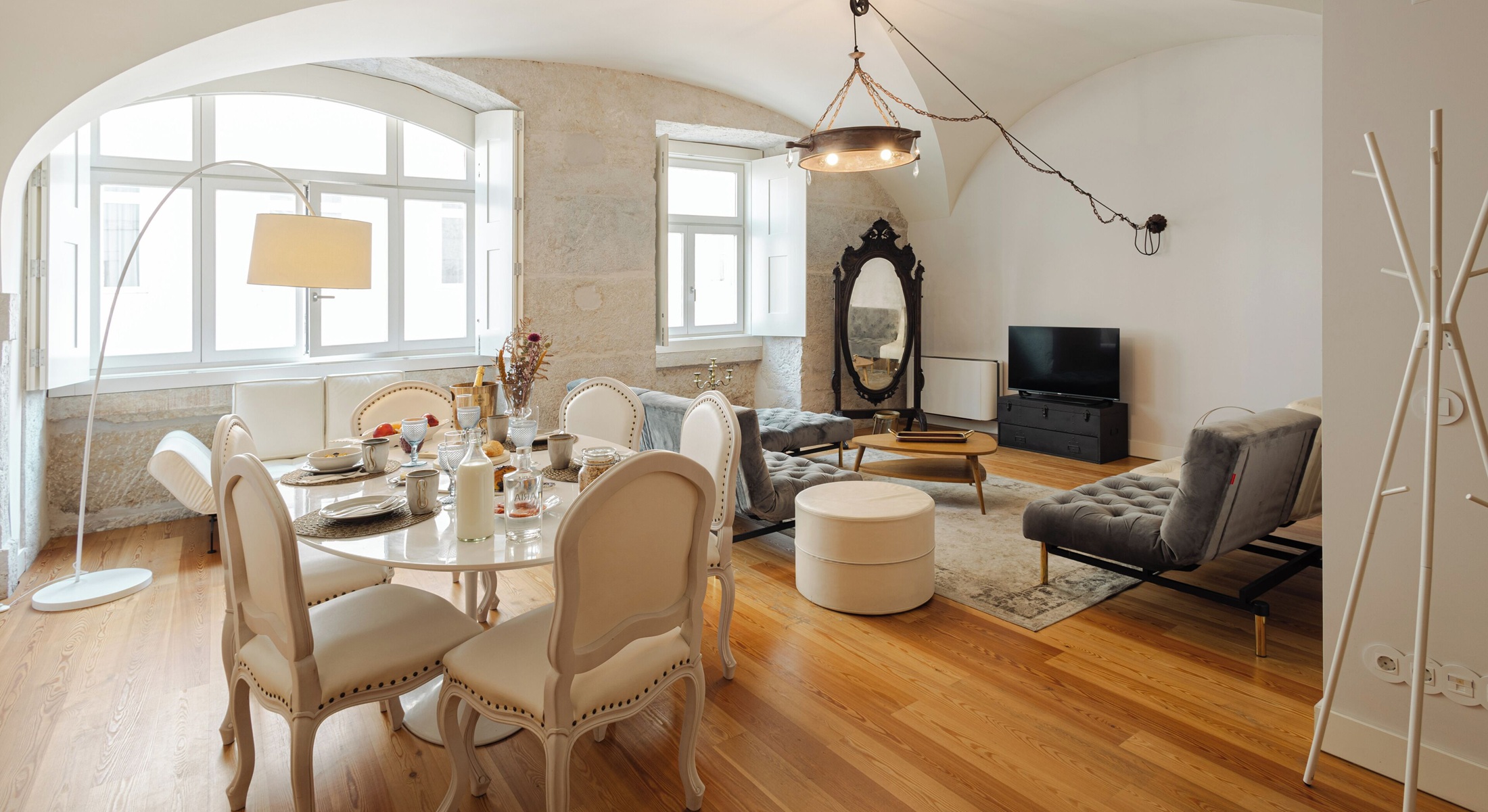
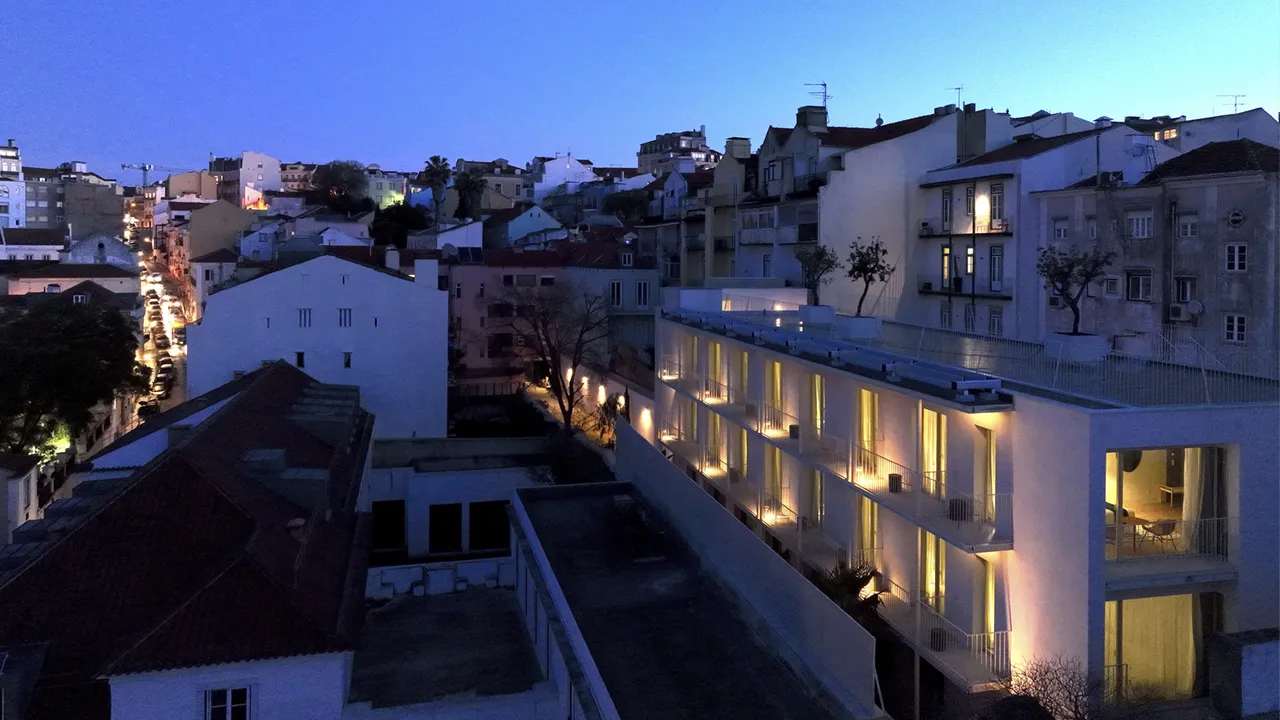
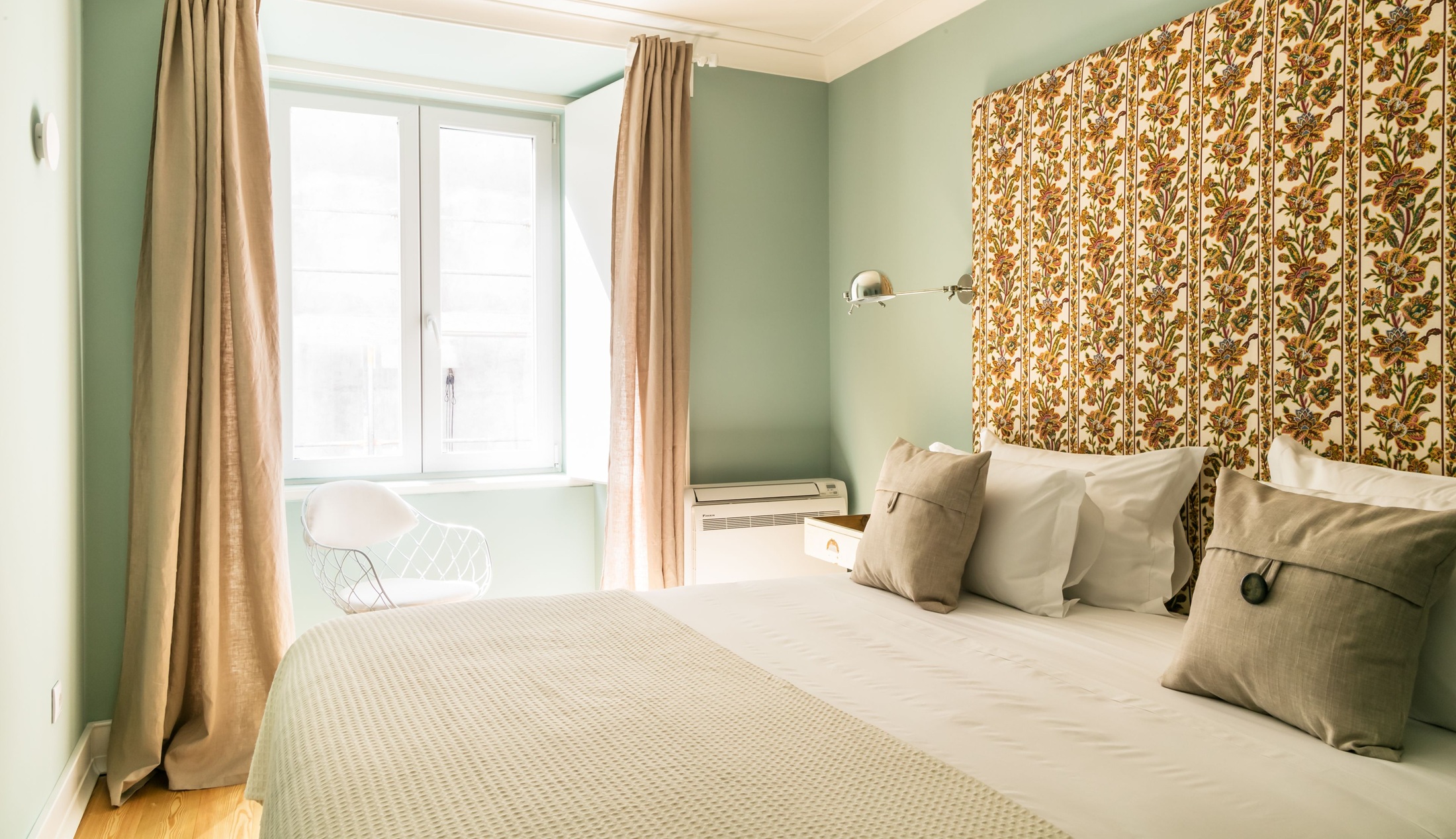
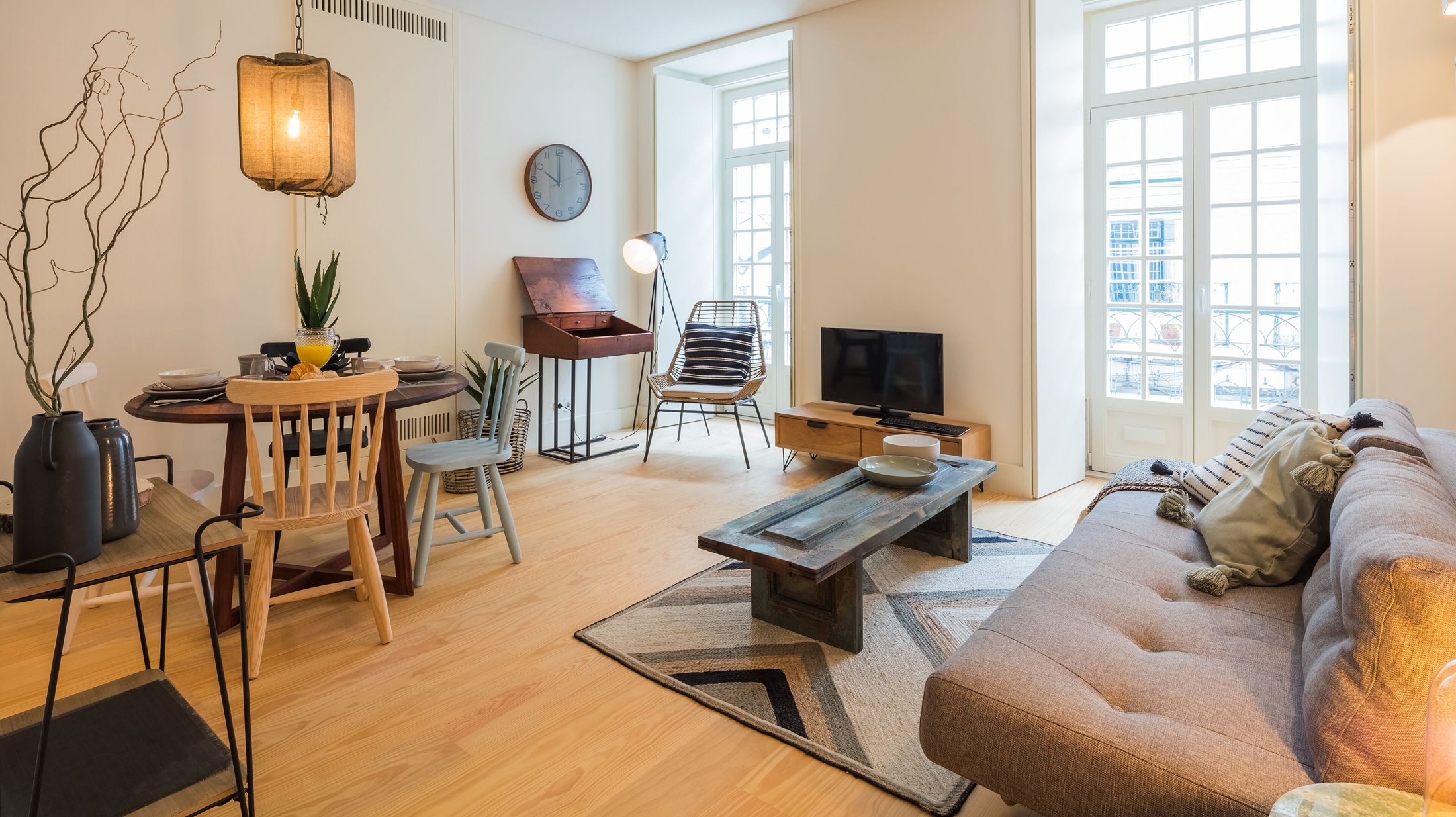

Things to Do in Lisbon
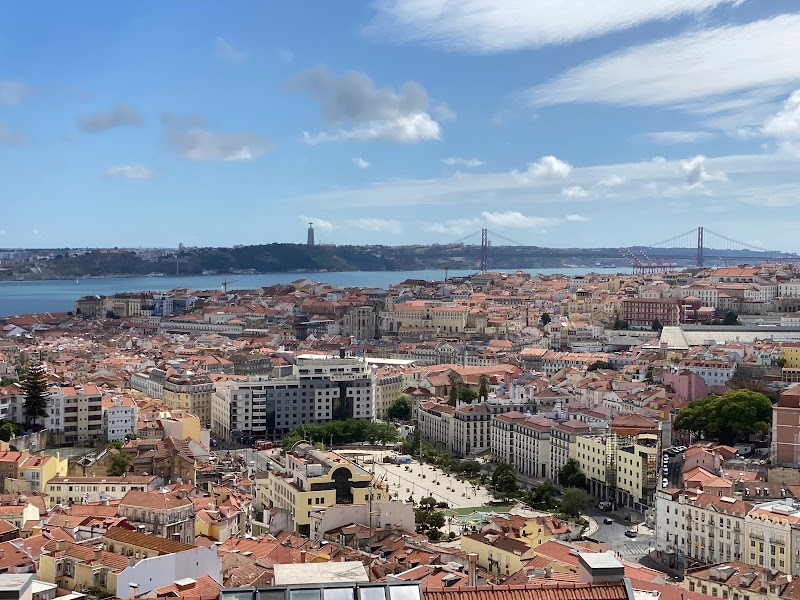
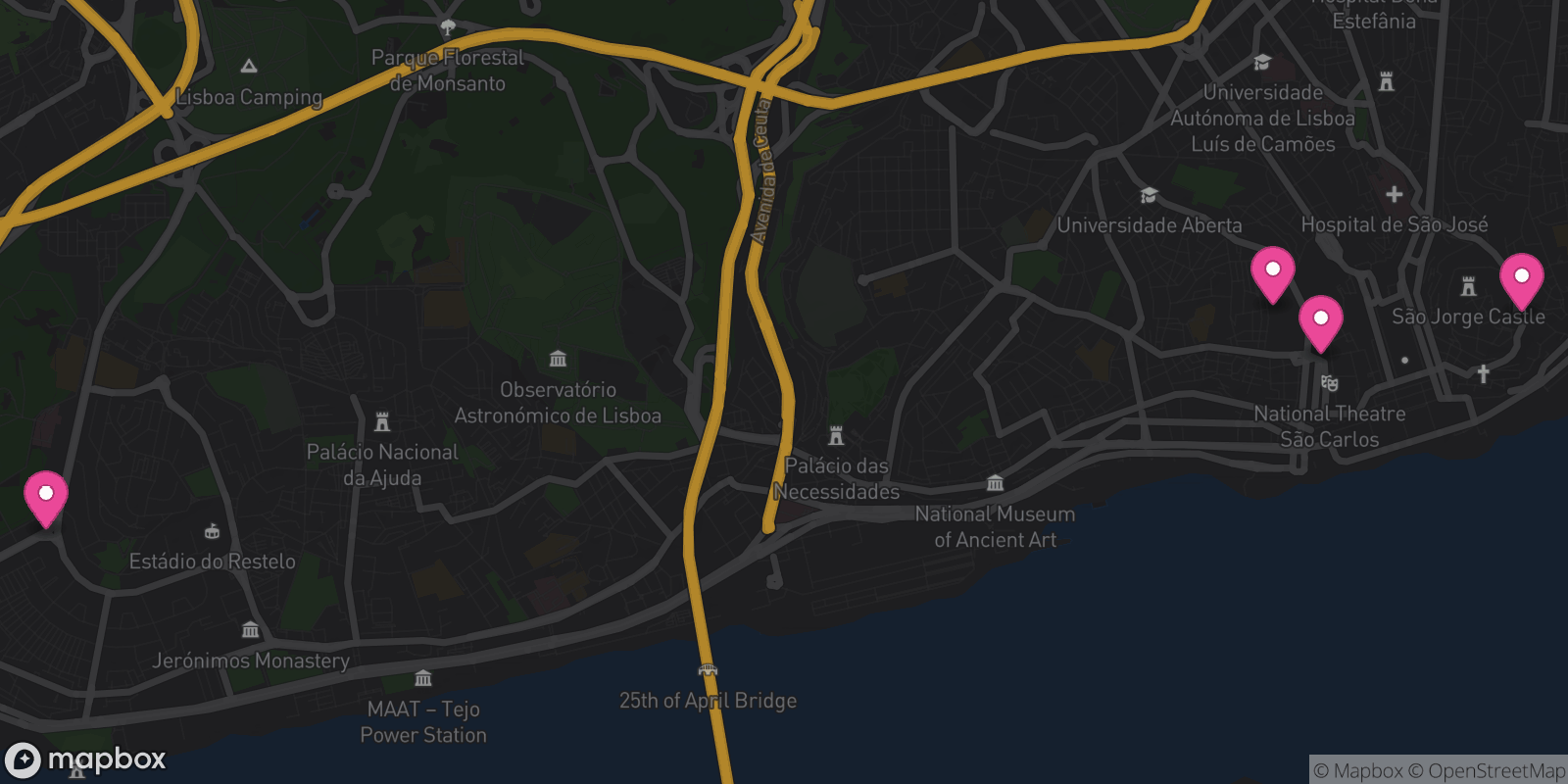
Alfama District & Miradouro da Senhora do Monte
Alfama · 120 min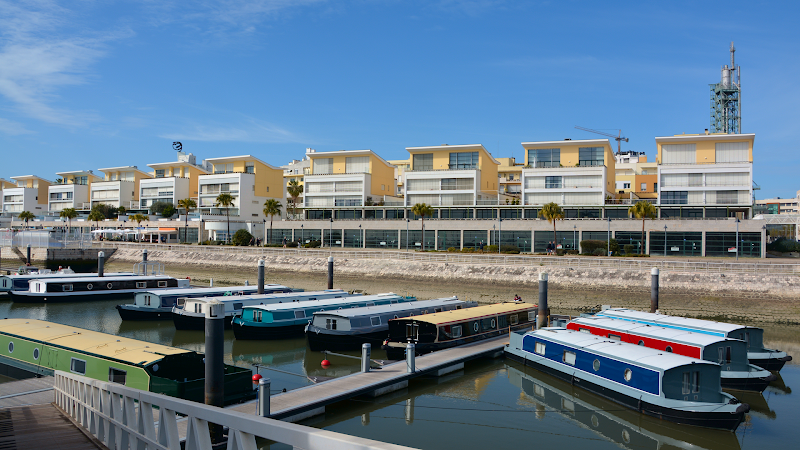
Tagus Riverfront Stroll
Cais do Sodré · 60 min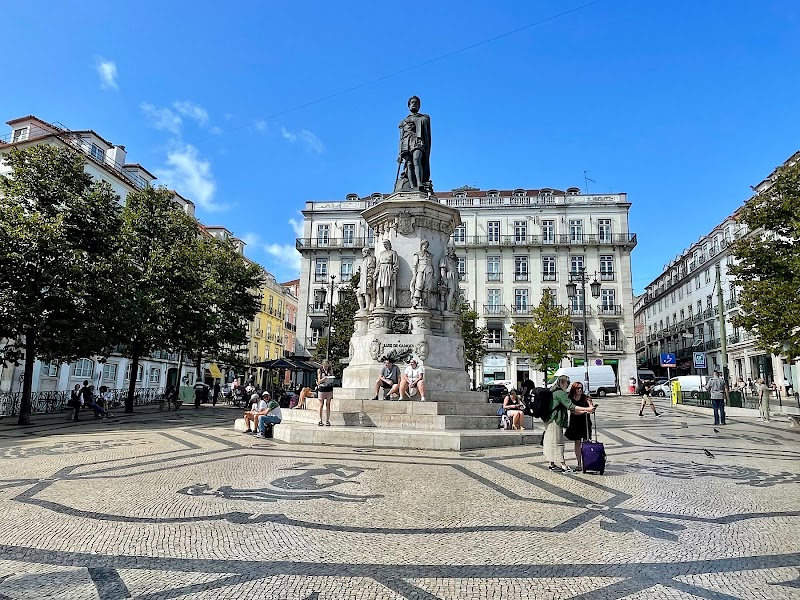
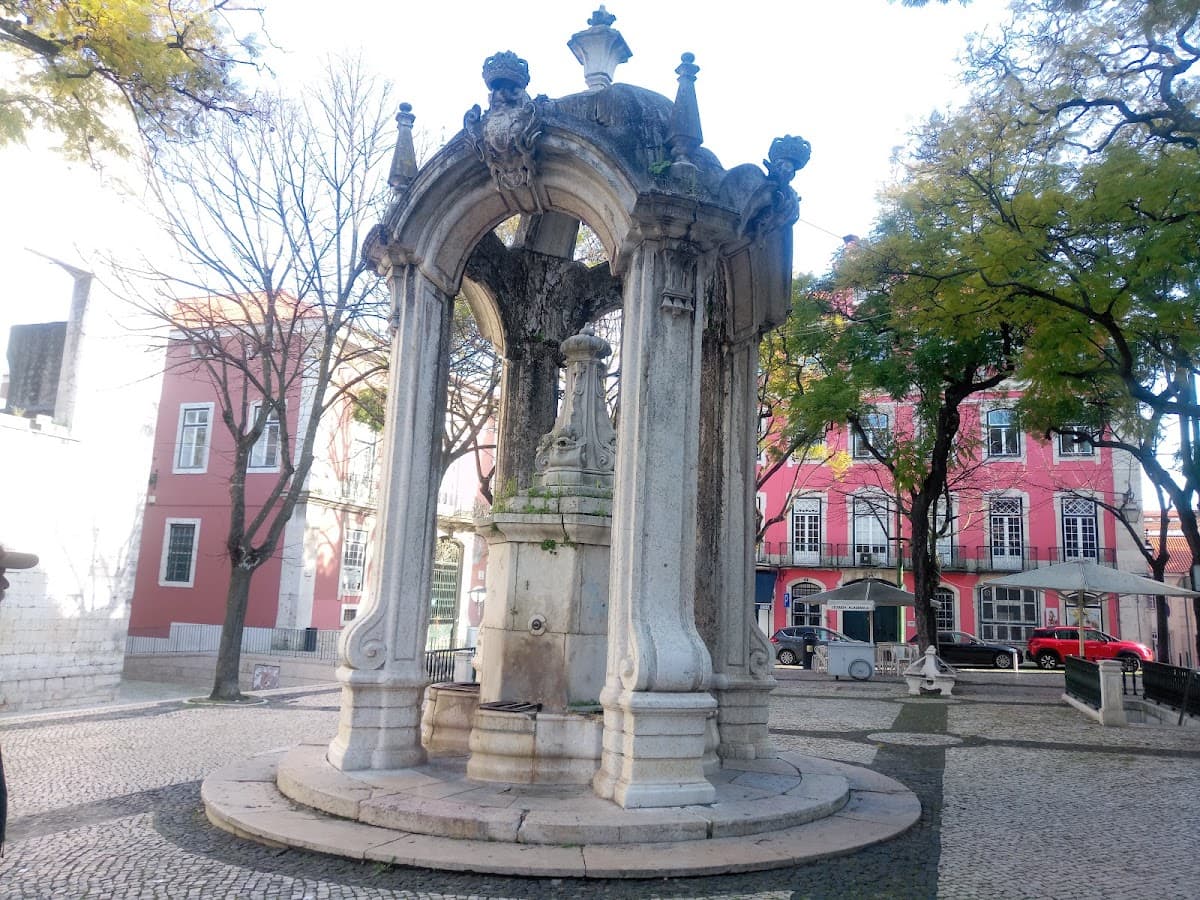
Praça Luís de Camões
Chiado · 60 minMoney-Saving Tips
- 1.Buy a Lisboa Card (€22/day) if you plan to visit 3+ museums and use public transport frequently – it includes free metro/tram rides and museum entries
- 2.Eat lunch at neighborhood tascas instead of tourist restaurants – a full meal with wine costs €8-12 vs €25+ in touristy areas
- 3.Shop for groceries at Pingo Doce or Continente supermarkets – a bottle of good Portuguese wine costs €3-5 vs €20+ at restaurants
- 4.Take the train to Sintra (€4 each way) instead of tour buses (€40+) – you'll have more time and flexibility to explore
- 5.Visit miradouros (viewpoints) for free sunset entertainment instead of paying for rooftop bar drinks – bring your own wine from the supermarket
- 6.Book accommodations in Príncipe Real or Santos instead of Alfama/Chiado – you'll save 30-40% while still being centrally located
- 7.Use the 24-hour public transport pass (€6.40) instead of individual tickets (€1.50 each) if you're taking more than 4 rides
Travel Tips
- •Download the Moovit app for real-time public transport updates – Lisbon's tram delays are common but the app helps you plan around them
- •Carry cash for small tascas and traditional shops – many don't accept cards, especially for purchases under €10
- •Learn basic Portuguese greetings – locals appreciate the effort and you'll get better service, especially in neighborhood restaurants
- •Pack comfortable walking shoes with good grip – those polished cobblestones become ice rinks when wet
- •Book fado house tables in advance during peak season (April-October) – the best spots like Sr. Fado fill up quickly
- •Keep your belongings secure on Tram 28 and in crowded areas like Rossio Square – pickpockets target distracted tourists
- •Visit major attractions early morning or late afternoon to avoid cruise ship crowds – most tours hit the same spots between 10am-3pm