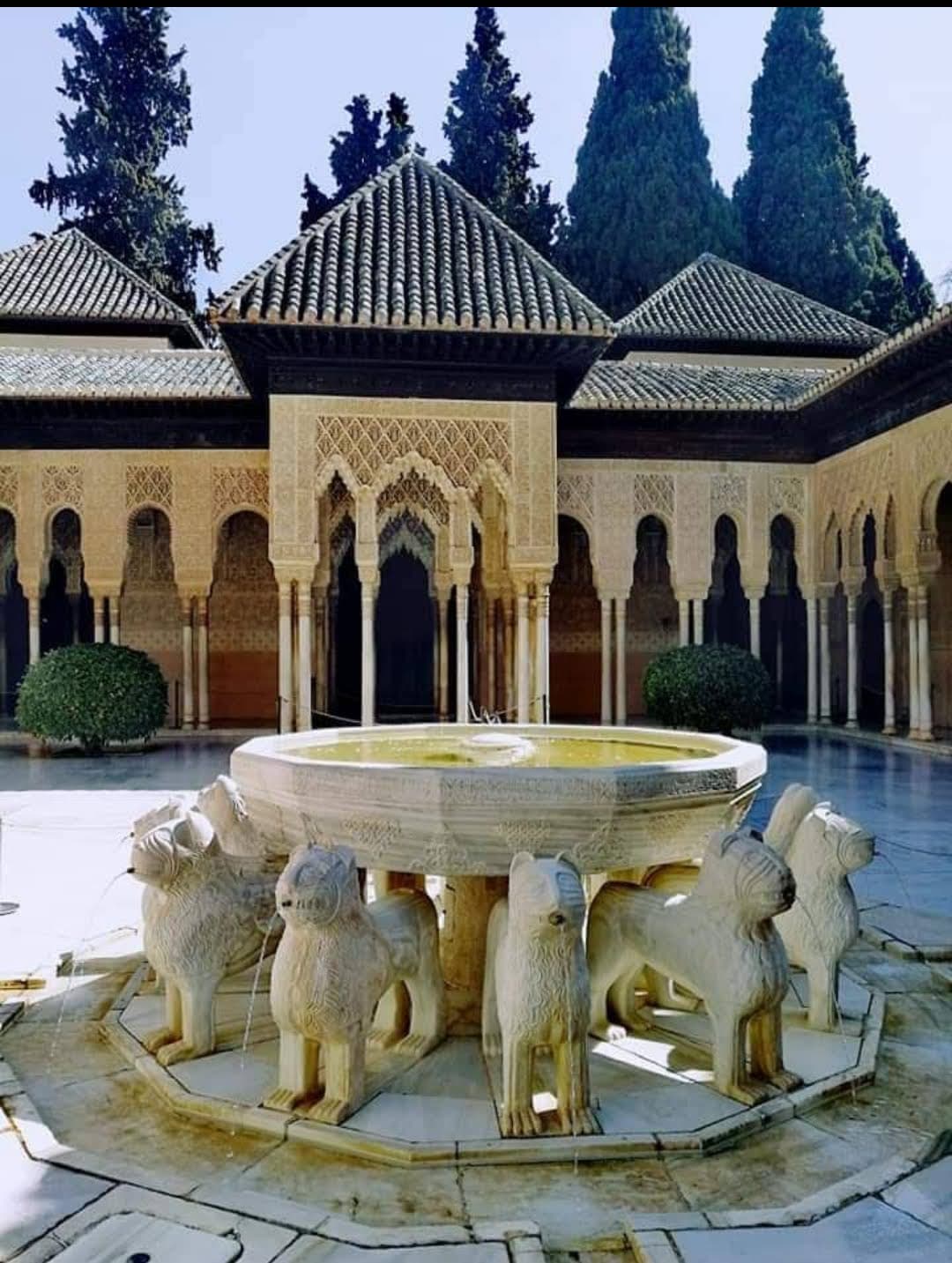
Granada
Moorish splendor crowned by the magnificent Alhambra palace
Granada hits different. This isn't just another Spanish city with a pretty cathedral and some decent tapas. Here, Moorish palaces rise from hilltops like something from a fairy tale, flamenco echoes through narrow cobblestone streets, and the snow-capped Sierra Nevada mountains frame it all. The Alhambra alone draws millions, but Granada's real magic happens in the spaces between the tourist sites — in the free tapas bars of Realejo, the sunset viewpoints of Albaicín, and the student energy that pulses through the university quarter. Yes, it gets crowded. Yes, you'll fight for Alhambra tickets. But few cities blend history, culture, and pure romance quite like this.
Best Months
MAR · APR · MAY · SEP · OCT · NOV
~22°C · moderate crowds
Culture & Context
MOORISH LEGACY, STUDENT ENERGY
Granada sits at the foot of the Sierra Nevada mountains in Andalusia, and the weight of its history is genuinely hard to shake. This was the last Muslim stronghold in Spain, held until 1492, and that 800-year Moorish legacy isn't just for postcards. It's built into the street layouts, the architecture, the tea houses on Calle Calderería Nueva, the hammams, and the way the city faces the Alhambra from nearly every hillside angle.
But Granada isn't a museum. It's a working university city. Nearly 80,000 students are enrolled at the Universidad de Granada, which means the energy shifts dramatically depending on the academic calendar.
From October through June, the bars are packed with 20-somethings. In July and August, it quiets down considerably. And here's the thing that sets Granada apart from every other city in Spain: most bars still serve you a free tapa with every drink you order.
Order a beer, get a plate of food. Order another, get a different plate. This is not a tourist gimmick.
Locals depend on it. The Andalusian dialect also takes some getting used to. Locals drop the 's' at the end of words, so "gracias" becomes "gracia" and "más" becomes "má.
" Don't be alarmed. Roll with it.
Local Customs
FREE TAPAS STILL REIGN
Free tapas come with every drink at most bars, but you usually don't get to choose — the bar picks what you get. If you want something specific, you'll pay extra for it. And not every bar still does it; some have switched to charging like the rest of Andalusia..
Tipping is not expected. Leaving small change is appreciated but rounding up to the nearest euro is more than enough. Dropping a 15-20% tip like you might in the US will confuse servers..
Dinner before 9pm marks you as a tourist. Most locals eat around 10pm. Lunch (around 2-3pm) is the big meal of the day.
The menú del día — three courses plus a drink — runs €10-15 at non-tourist restaurants and is genuinely good value.. The siesta is mostly a myth in modern Granada. Many businesses stay open all day, especially in the city center.
Some smaller, family-run shops still close 2-5pm, but don't count on it as a rule.. Sangria is for tourists. If you want to drink like a local, order a tinto de verano — red wine mixed with lemon soda.
Cold, light, refreshing, and it won't cost you €8 at a tourist trap.. The city has a strong flamenco tradition rooted in Sacromonte, but spontaneous street performances are rare. If you're serious about it, go to a cave tablao in Sacromonte rather than the polished dinner-show venues downtown.
The difference in authenticity is significant.
Safety
WATCH YOUR POCKETS
Granada is genuinely safe. Violent crime targeting tourists is rare. The real concern is pickpocketing, which happens consistently around the Alhambra entrance queues, on the crowded C30 and C31 buses, in the Albaicín, and near the Cathedral.
Keep your wallet in a front pocket. Bags with zippers worn across the chest are significantly better than shoulder bags in crowded areas. Watch for distraction scams: someone approaches asking you to sign a petition or offering a "free" bracelet while an accomplice goes for your bag.
Walk past without engaging. The Albaicín's narrow streets are fine during the day but can feel disorienting after dark — stick to lit main streets if you're out late. Sacromonte is the same.
Don't hang your camera or phone on the back of a chair at a bar. This is a surprisingly common way to lose it. Emergency number throughout Spain is 112.
Tap water in Granada is safe to drink.
Getting Around
WALKABLE CORE, BUSES ESSENTIAL
Granada is genuinely walkable for most of its center. The Cathedral, Realejo, and the base of the Alhambra hill are all within comfortable walking distance of each other. That said, the Albaicín and Sacromonte require either a bus or a serious commitment to uphill walking.
The red city buses (operated by ALSA/Transportes Rober) cover 25 daytime lines plus 2 night routes. A single ticket costs €1.60, but the Credibus reloadable card drops that to €0.
54 per trip (plus a one-time €2 card fee). Multiple people can share one card. For the Alhambra, take the C30 minibus from Plaza de Isabel la Católica — it saves you a steep 20-minute climb.
The C31 and C32 buses from Plaza Nueva get you up to Mirador de San Nicolás without the leg burn. Buses run 6am to 11pm. Night buses (lines 111 and 121) circle the city on weekend nights until 6am.
From Málaga Airport, the ALSA direct bus reaches Granada in about 2 hours and costs around €13. Taxis are metered and reliable. Licensed cabs are white with a green stripe.
If you're driving yourself, think twice about staying in Albaicín or Centro — parking is scarce and the streets are designed for donkeys, not cars.
Useful Phrases
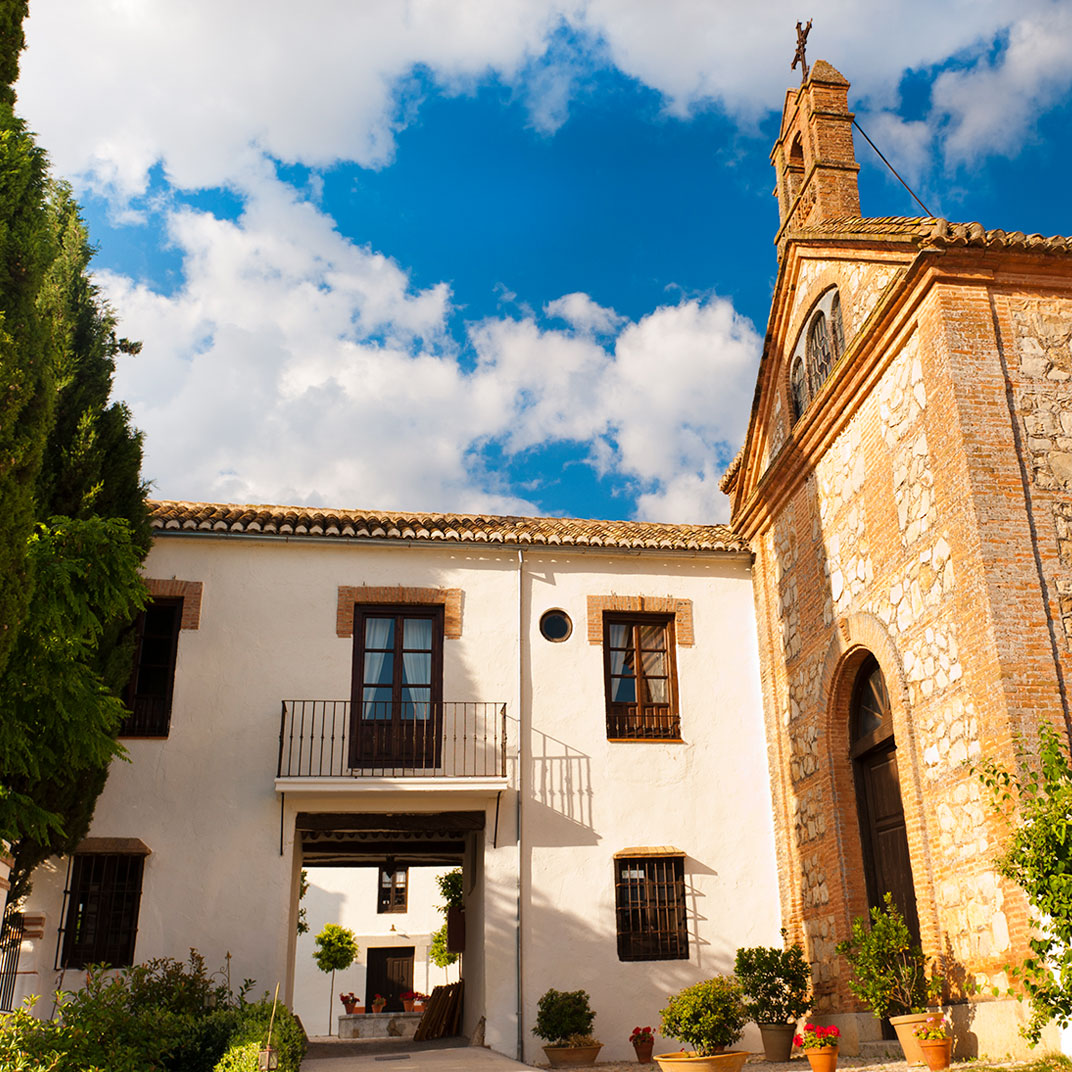
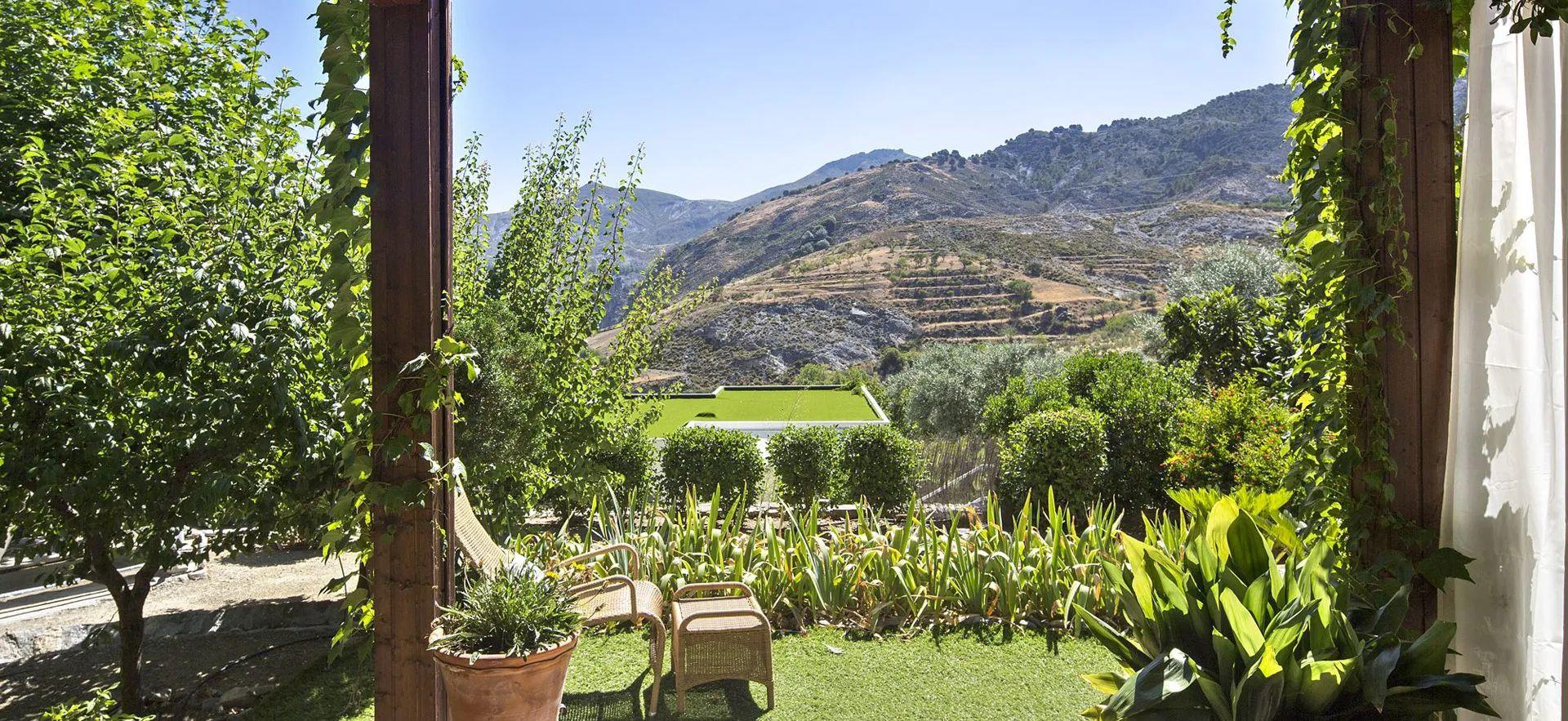
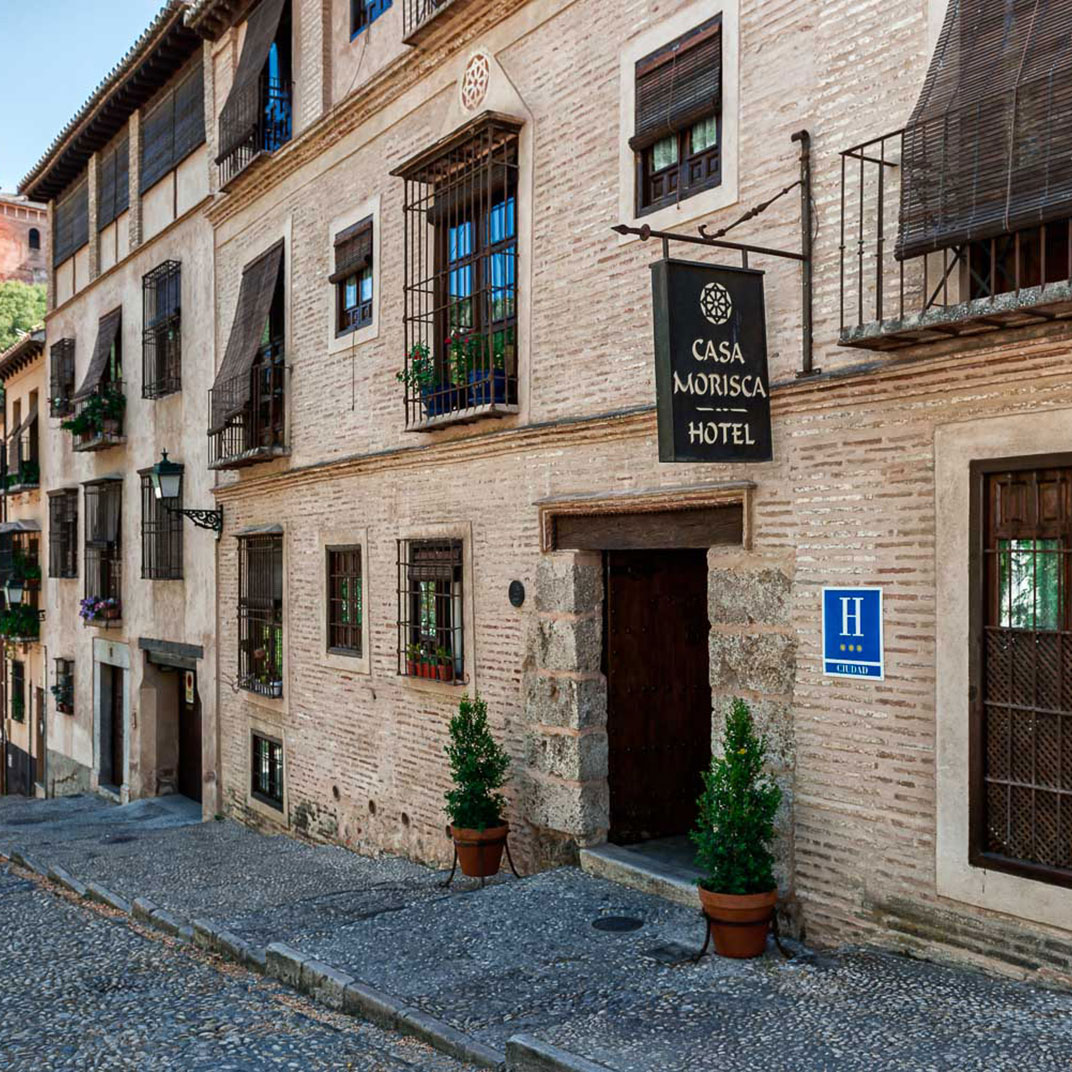
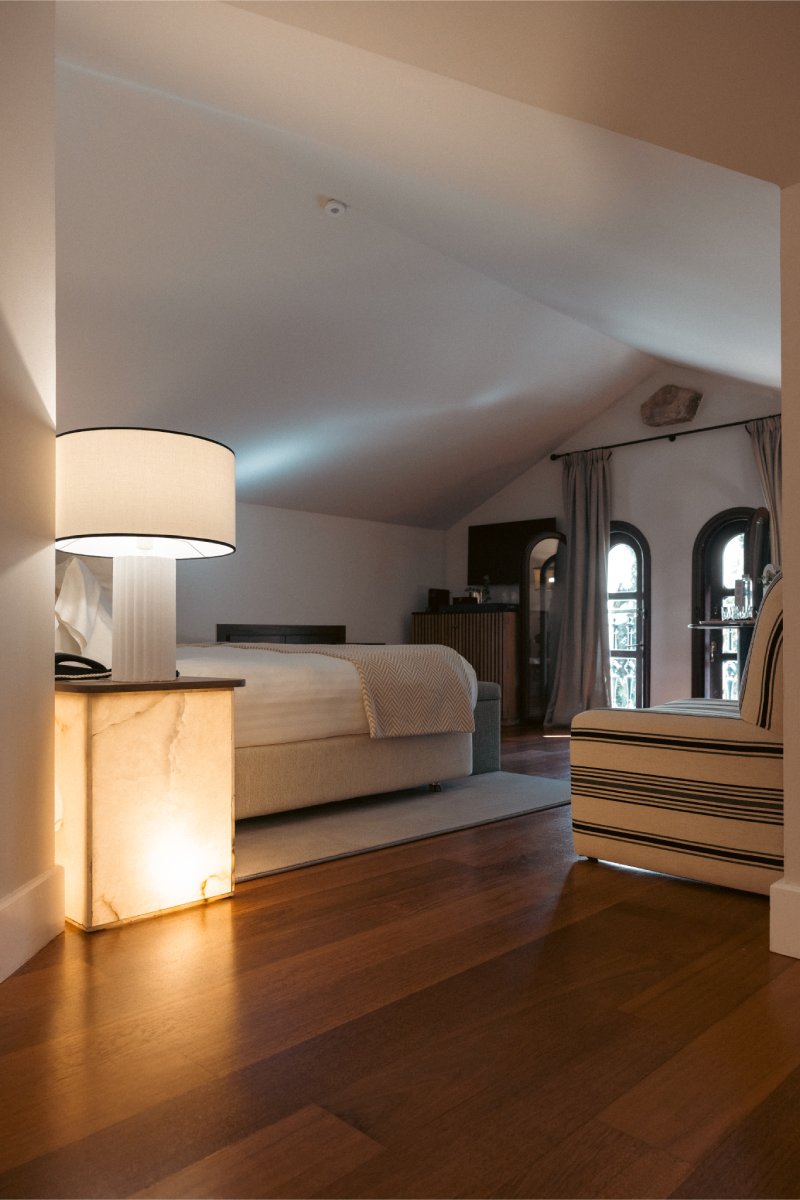
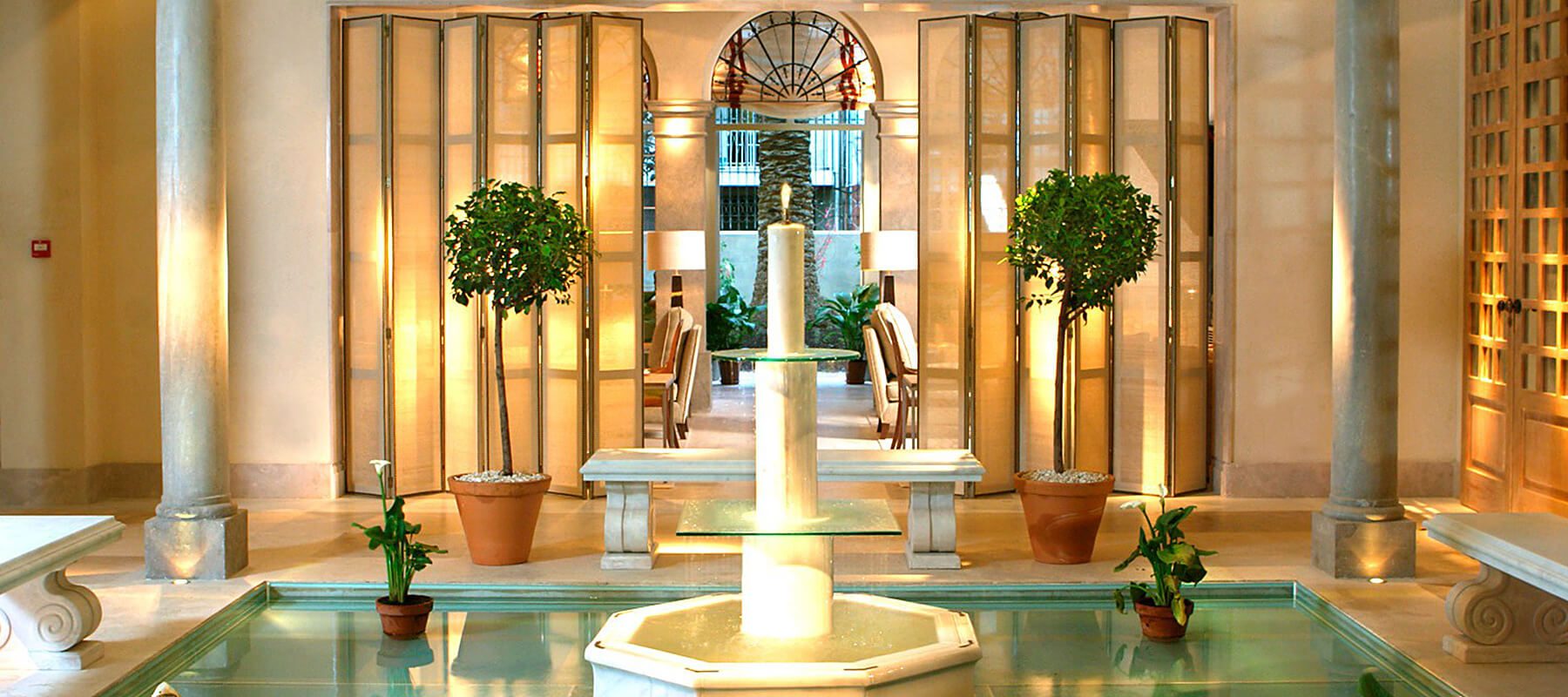
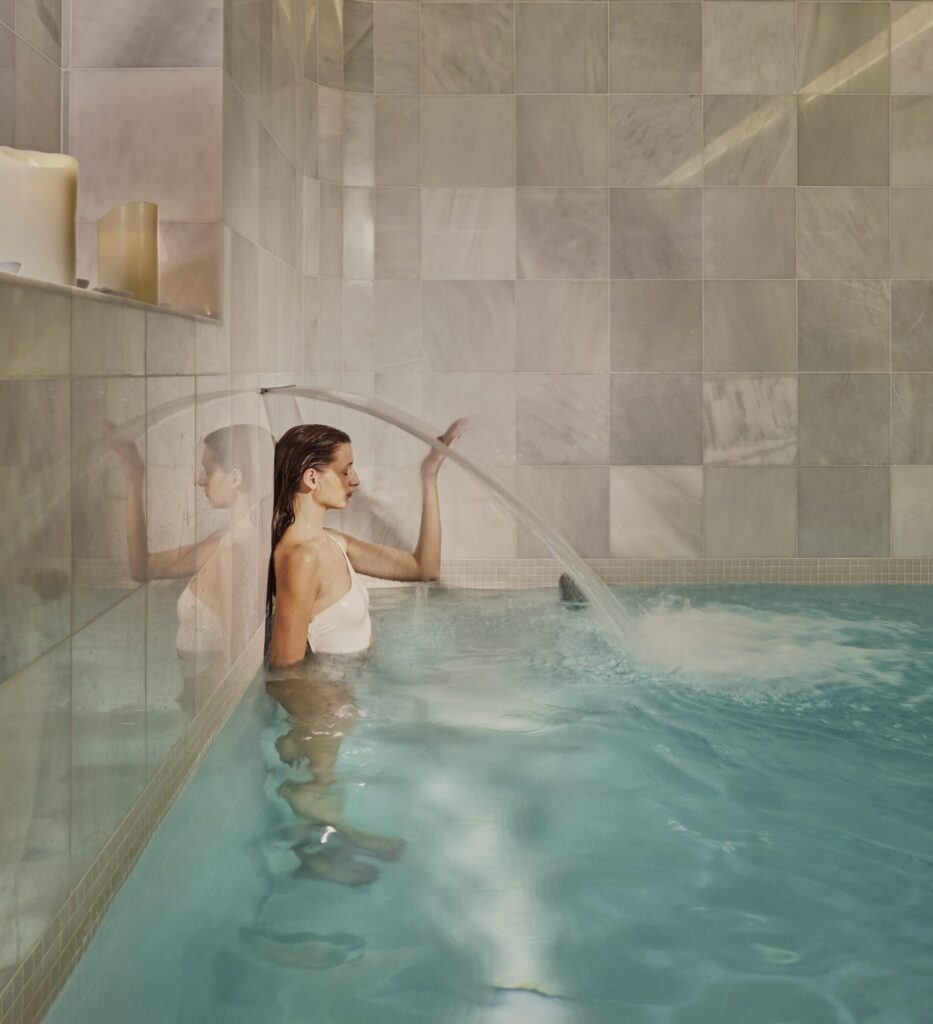
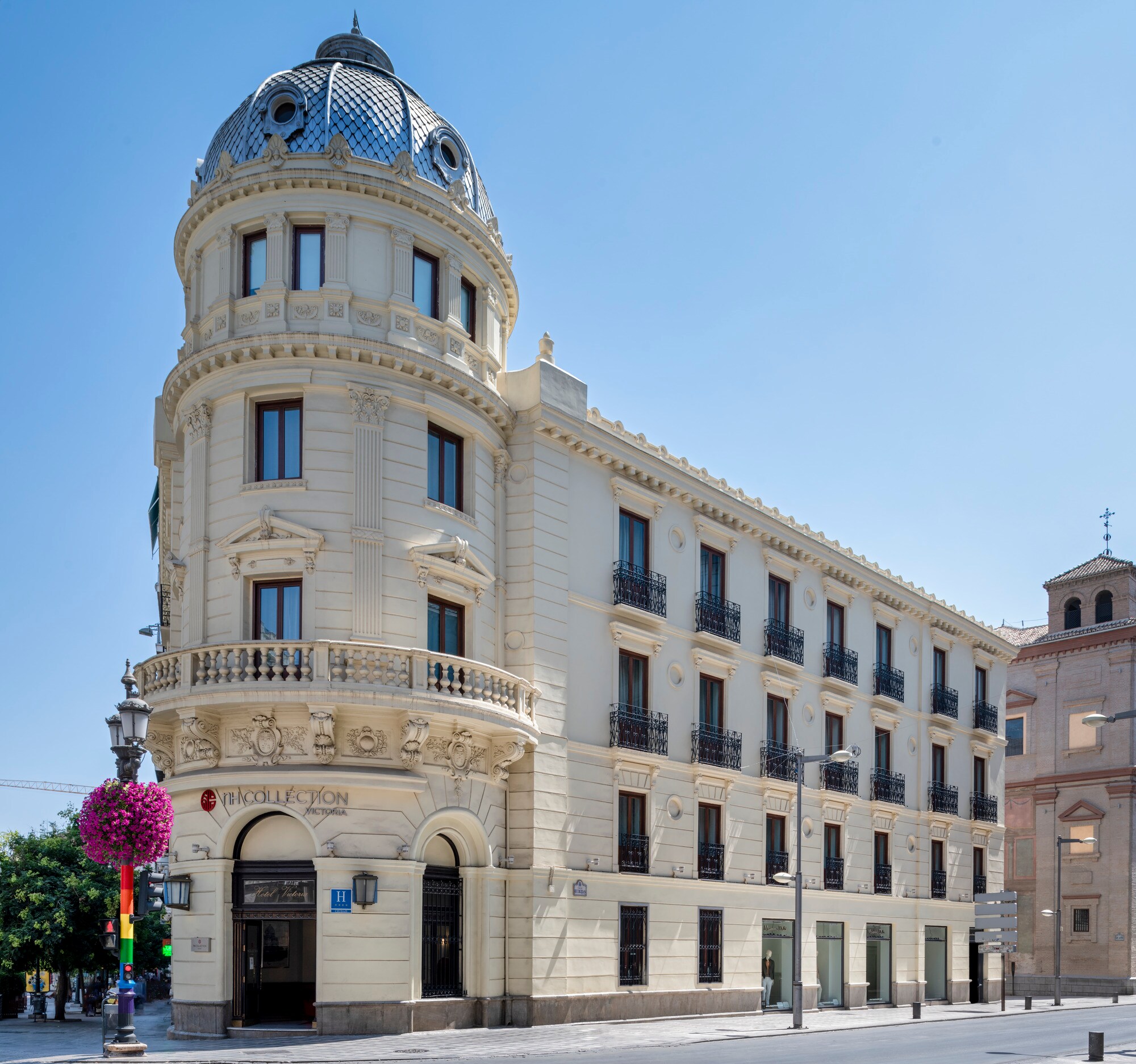
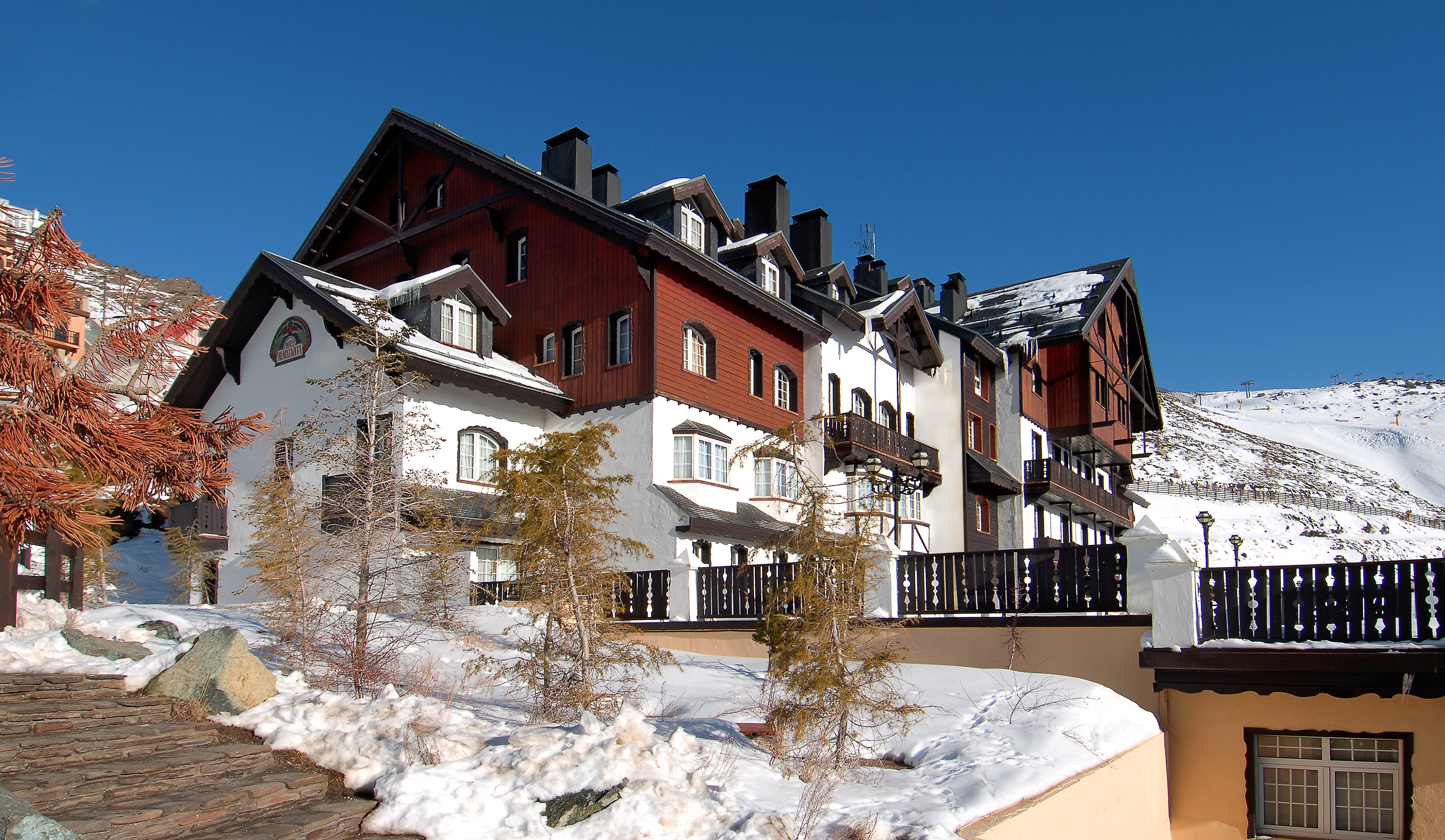
Where to Stay in Granada
8 recommended properties
Money-Saving Tips
- 1.Free tapas with every drink order can replace full meals if you bar-hop strategically
- 2.Book Alhambra tickets online in advance - day-of tickets cost €2 more and often sell out
- 3.Student areas around Campo del Príncipe offer huge portions at half the tourist zone prices
- 4.Municipal buses cost €1.40 vs €8+ for taxis to reach the same hilltop viewpoints
- 5.Many churches and monuments offer free entry during morning hours before 10am
- 6.Mercado San Agustín has fresh produce and local products at fraction of restaurant prices
- 7.Free flamenco shows happen in Plaza Nueva on Thursday evenings during summer
- 8.Walking tours operate on tip-only basis - much cheaper than private guides at €15-20/hour
Travel Tips
- •Book Alhambra tickets 3 months ahead - they sell out completely, especially for Nasrid Palaces
- •Wear comfortable walking shoes with good grip - cobblestone streets get slippery when wet
- •Learn basic Spanish phrases - English isn't widely spoken outside tourist areas
- •Carry cash - many traditional tapas bars don't accept cards, especially for small purchases
- •Visit San Nicolás viewpoint at sunset but arrive 30 minutes early to secure a good spot
- •Download offline maps - GPS signal gets spotty in the narrow Albaicín streets
- •Pack layers - mountain location means temperature swings of 15°C between day and night
- •Respect flamenco etiquette - no talking during performances and tip the artists directly