
Flores
Guatemala's charming lakeside colonial town
Flores sits like a colorful postcard on Lake Petén Itzá, all cobblestone streets and painted colonial buildings. This tiny island town in northern Guatemala serves as your gateway to Tikal's ancient Maya ruins, but don't rush off too quickly. The town itself deserves at least two days of wandering its narrow alleys, sampling lake fish at family-run comedores, and watching sunset paint the water gold from the malecón waterfront. Budget travelers love the $8 hostel dorms, while couples find romance in lakeside restaurants where dinner for two costs under $20. Adventure seekers use Flores as base camp for jungle expeditions, cave swimming, and sunrise climbs up temple pyramids. The town gets busy during dry season, but that energy adds to its charm rather than detracting from it.
Best Months
JAN · FEB · MAR · APR · NOV · DEC
~30°C · high crowds
Culture & Context
MAYA HEARTLAND SURVIVES
Flores is built on top of Nojpetén — the last independent Maya city to fall to the Spanish, finally conquered in 1697 after holding out for nearly 200 years. The white-domed cathedral on the island's hilltop sits on the exact site of the principal Itzá temple. That history isn't just academic — it shapes how people here see themselves.
The Itzá Maya language is nearly extinct now, with Spanish the everyday tongue, but communities across the lake in San José and San Miguel still maintain Itzá cultural traditions and manage the Bio-Itzá Ecological Reserve. Catholic faith runs deep and blends visibly with older Maya practices, especially during Semana Santa and the January fiesta. Guatemalans — Chapines — are warm but more formal than you might expect.
Walk into any shop or jump in a tuk-tuk without a "buenos días" or "buenas tardes" first and you've already started off wrong. Dress is conservative by tourist standards: tank tops and shorts are fine on the island, but cover up for churches and Mayan sites. Tip 10% at restaurants.
Tikal guides expect Q40–50 ($5–7) for a full day. Tuk-tuk drivers don't expect tips but rounding up is appreciated. The Petén region has its own distinct identity from the rest of Guatemala — it's rainforest country, culturally closer to Belize than to highland Antigua, and proud of it.
Local Customs
BUENOS DÍAS FIRST ALWAYS
Always greet first. Say 'buenos días' (before noon) or 'buenas tardes' (afternoon) when entering any shop, restaurant, or climbing into a tuk-tuk. Skipping the greeting is considered rude — locals notice immediately..
Dress conservatively at churches and Mayan sites. Shoulders and knees covered. On the island itself, tourist-standard shorts and tank tops are fine, but the cathedral and Tikal sites expect more..
Negotiate before you get in. Water taxis have no fixed prices. Tuk-tuks usually charge Q20–30 but confirm before departure — it's per person, not per ride..
Never order wildlife off a menu. The Petén region has a problematic history of restaurants serving illegally hunted animals. If something on the menu sounds exotic and unusual, skip it..
Tip 10% at sit-down restaurants. Not always automatic — check if it's already included (propina incluida). Tikal guides expect Q40–50 ($5–7) for a full-day tour..
Withdraw cash strategically. ATMs on the island frequently run dry on weekends. Thursday or Friday withdrawals are smarter.
Always carry some backup USD.. Don't drink the tap water. Bottled or filtered only.
Be cautious about ice unless you're confident it's purified.. Check for bloqueos (roadblocks) before traveling between cities. Political protests occasionally paralyze roads.
Ask your hostel or hotel the morning of any long-distance journey.
Safety
ISLAND SAFE, MAINLAND CAUTIOUS
Flores island itself has a solid safety reputation and feels genuinely relaxed after dark, with streetlights and foot traffic until around 10 PM. The main risks are petty theft and unreliable ATMs — not violent crime. That said, guides consistently advise against wandering into Santa Elena or San Benito on the mainland after dark.
The tourist police (DISETUR) patrols Tikal National Park. Guatemala overall carries a US State Department Level 3 'Reconsider Travel' advisory, but this reflects specific urban zones (Guatemala City Zones 3, 6, and 18) — not Flores. The 2024–2025 road repaving between Flores and Tikal improved safety along that corridor.
Health-wise: tap water is not safe to drink anywhere in Flores — bottled or filtered only, and be cautious about ice. Bring strong insect repellent for Tikal and any jungle activity; dengue fever and Zika are real risks in the Petén region. For emergencies: Guatemala's tourism assistance program ASISTUR operates a 24/7 bilingual call center at 1500 (from a Guatemalan phone) or WhatsApp +502-5188-1819.
National police: 110. Fire and medical emergencies: 122 or 123. Practical tips: use registered taxis or pre-booked shuttles rather than unmarked vehicles; don't flash expensive electronics; withdraw cash during the day and keep amounts modest; carry a copy of your passport rather than the original.
Getting Around
FLY IN, WALK AROUND
Getting to Flores: Flying is by far the easiest option. Mundo Maya International Airport (FRS) sits in Santa Elena, just 2 km from the causeway — a Q20–30 tuk-tuk or Q50 taxi ride from the island. TAG Airlines and Avianca both run multiple daily flights from Guatemala City (La Aurora, GUA) in about 1 hour; round-trip tickets run roughly $180–250 USD.
Tropic Air operates daily flights from Belize City. The overland alternative is real but brutal — overnight buses from Guatemala City take 8–10 hours. Maya de Oro is the most recommended company (around Q375 / ~$50 one-way).
Shuttles from Semuc Champey take 7–9 hours and cost around $25–44 per person. From Belize, the direct bus to Flores takes about 6 hours. Getting around locally: The island is completely walkable in 30 minutes.
Tuk-tuks are everywhere — Q20–30 gets you between the island and Santa Elena. Agree on price before departing. Water taxis are the only way to reach lake islands, San Miguel (Tayasal), or El Remate by water — no posted prices, haggle in Spanish.
Collectivos (shared minivans) run to Tikal and Uaxactún but require Spanish to navigate and are slower. Most travelers book organized shuttles to Tikal (Q80–100 round trip shared) through their hostel or a tour agency like Getaway Travels. Car rental starts at $35–50/day but road conditions and safety considerations make it less practical for most visitors.
Useful Phrases
Flores Itineraries

Where to Stay in Flores
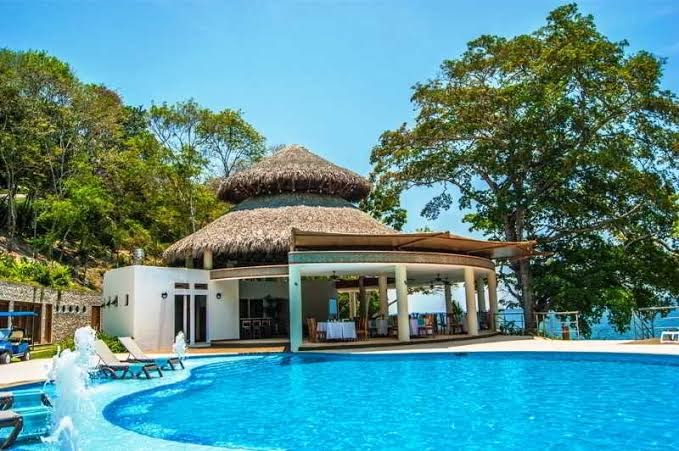
1 recommended properties
Money-Saving Tips
- 1.Eat at comedores around Santa Elena market - full meals cost 12-18 quetzales vs 40+ in tourist restaurants
- 2.Join group tours to Tikal instead of private guides - saves 100+ quetzales per person
- 3.Stay in Flores island hostels with shared bathrooms - dorms start at 60 quetzales vs 200+ for hotels
- 4.Buy snacks and water at local shops before day trips - tourist sites charge triple
- 5.Take public buses to Tikal at 15 quetzales each way instead of tour transport
- 6.Bargain for tuk-tuk rides longer than 10 minutes - drivers often start at tourist prices
- 7.Drink at malecón beer vendors for 8 quetzales vs 15-20 in bars
Travel Tips
- •Book Tikal tours the day before - popular sunrise trips fill up quickly during dry season
- •Bring cash in quetzales - most places don't accept cards and ATMs charge high fees
- •Pack insect repellent for lake mosquitoes, especially at sunset around the malecón
- •Download offline maps - cell service gets spotty on day trips to ruins and cenotes
- •Wear closed shoes on cobblestones - they get slippery when wet and uneven everywhere
- •Learn basic Spanish phrases - English is limited outside tourist restaurants and hotels
- •Keep copies of your passport - police checkpoints are common on roads to Tikal