Ifrane
Morocco's Little Switzerland in the Atlas Mountains
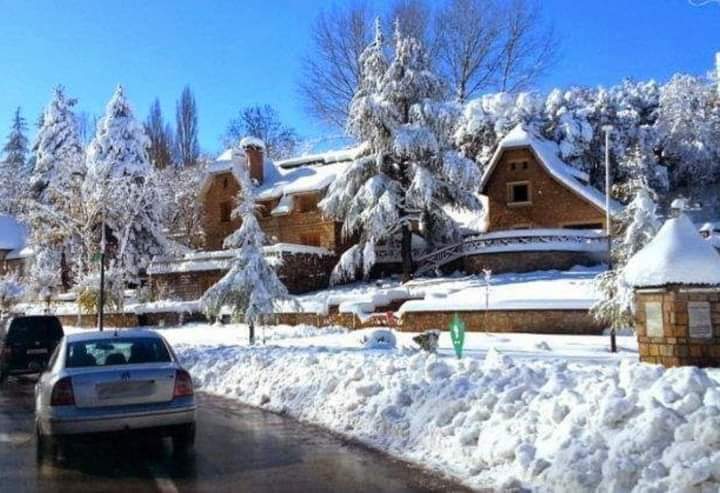
Forget everything you think you know about Morocco. Ifrane sits 5,460 feet up in the Middle Atlas Mountains, and honestly, you might think you've accidentally landed in the Alps. Red-tiled roofs peek through cedar forests. Snow blankets the town in winter. Students from Al Akhawayn University cycle past manicured gardens that wouldn't look out of place in Geneva.
But this isn't some artificial recreation of Europe. Ifrane has been Morocco's mountain retreat since French colonial times, when administrators needed an escape from the desert heat. Today, it's where Moroccan families come to breathe mountain air and where travelers stumble upon one of North Africa's most unexpected towns. The locals call it "Little Switzerland," and after walking down Avenue Mohammed V with its chalet-style buildings, you'll understand why.
Best Months
APR · MAY · JUN · SEP · OCT
~24°C · moderate crowds
Culture & Context
FRENCH ALPINE OASIS
Ifrane was built from scratch in 1929 by French colonial authorities as a mountain retreat. They hired architect Henri Prost to design it as a garden city, mandating that 60% of every plot be kept as green space. The result is a town that looks nothing like the rest of Morocco: red-roofed chalets, tree-lined curving streets, flower beds, and zero mopeds.
It sits at 1,665 meters in the Middle Atlas, making it one of Africa's highest and coldest cities (the continent's all-time low of -23.9°C was recorded here). Today it's home to Al Akhawayn University, a bilingual liberal arts institution founded by royal decree in 1993.
The university gives the town an international, somewhat youthful energy that softens the otherwise sleepy resort atmosphere. The surrounding area belongs historically to the Aït M'guild and Aït M'tir Amazigh tribes. In Tamazight, "Ifran" means caves or hiding places, referring to the karst formations beneath the limestone plateau.
This is not a city with a medina, a souk you'll get lost in, or a haggling culture. It's clean, orderly, and honestly a bit quiet on weekday evenings. Budget travelers should know: cheap accommodation barely exists in Ifrane itself.
Nearby Azrou, a 15-minute grand taxi ride away, is where most backpackers actually sleep.
Local Customs
CASH FIRST, FRENCH SPOKEN
Darija (Moroccan Arabic) is what you'll hear on the street. French is widely spoken and genuinely useful here, especially around the university. In villages outside Ifrane, Tamazight (Amazigh Berber) is the mother tongue — a few words go a long way with locals in the Middle Atlas..
Cash is king outside of major hotels. The Marjane supermarket and upscale properties take cards, but taxis, market stalls, and small restaurants are cash-only. ATMs are near the city centre — use bank ATMs during business hours for reliability..
Tip 10–15% in restaurants if no service charge is listed. Round up taxi fares. It's not required, but it's appreciated and reflects well on you..
Restaurants close early by European standards. Don't show up expecting dinner at 10pm in a standard local restaurant — many are winding down by 9pm. Hotel restaurants run later..
Moroccans greet thoroughly. The exchange of 'Labas? Bikhir?
Kulshi mzyan?' (Are you okay? Fine?
Everything good?) is a real social ritual, not small talk to rush through. Slow down and engage..
Ifrane is much more conservative in pace and atmosphere than Fez or Marrakech. The tourist-hustle dynamic barely exists here. Vendors are relaxed, and you won't be followed down the street..
Al Akhawayn University runs on an American academic calendar. During term time (September–May), the town has more energy, more English speakers, and more open cafés. Summer is quieter except for Moroccan families escaping the heat of the coast..
Barbary macaques at Cèdre Gouraud Forest are a tourist draw but there are touts selling bags of food to feed them. The monkeys can be aggressive and feeding them encourages dependence. Skip the food-vendor experience and just watch from a distance.
Safety
GENUINELY SAFE, NO HUSTLE
Ifrane is genuinely one of the safest cities in Morocco. Petty theft and pickpocketing are uncommon compared to Fez or Marrakech. The town is orderly and well-maintained, and the aggressive hustle common in larger tourist cities is mostly absent here.
Standard precautions still apply: don't flash valuables, use registered taxis rather than random street offers, and be aware in the market area after dark. Scams exist but are less aggressive than elsewhere in Morocco. One practical note: serious medical issues require travel to Fez, about 90km and 2 hours away.
Ifrane's local healthcare is basic. Emergency numbers: 190 (city police, mobile), 177 (gendarmerie, outside cities), 150 (fire and ambulance).
Getting Around
WALK OR GRAND TAXI
No airport in Ifrane. Fly into Fez-Saïs Airport (FEZ), 47km away, then take a grand taxi to Ifrane for around 25–30 MAD per seat (more on weekends). The ride takes about an hour.
Grand taxis from Fez depart near the CTM bus station. Buses from Fez and Meknes also pass through Ifrane on routes toward Marrakech. Within town, walking covers most of what you need.
The grand taxi station in Ifrane connects to Fez, Meknes, Azrou, Al Hajeb, and Immouzer Kandar. Taxi drivers are reportedly honest and don't charge foreigners above the standard rate — partly because many passengers are Al Akhawayn students who know the fares and will speak up. For getting to Michlifen ski resort (17km), you'll need a car or a hired taxi for the day.
Renting a car in Fez is worth considering if you plan to explore the Circuit des Lacs or push further into the Middle Atlas. Prices spike during summer and Moroccan holidays, so shoulder seasons (April–May and September–October) offer better value and thinner crowds.
Useful Phrases
Where to Stay in Ifrane
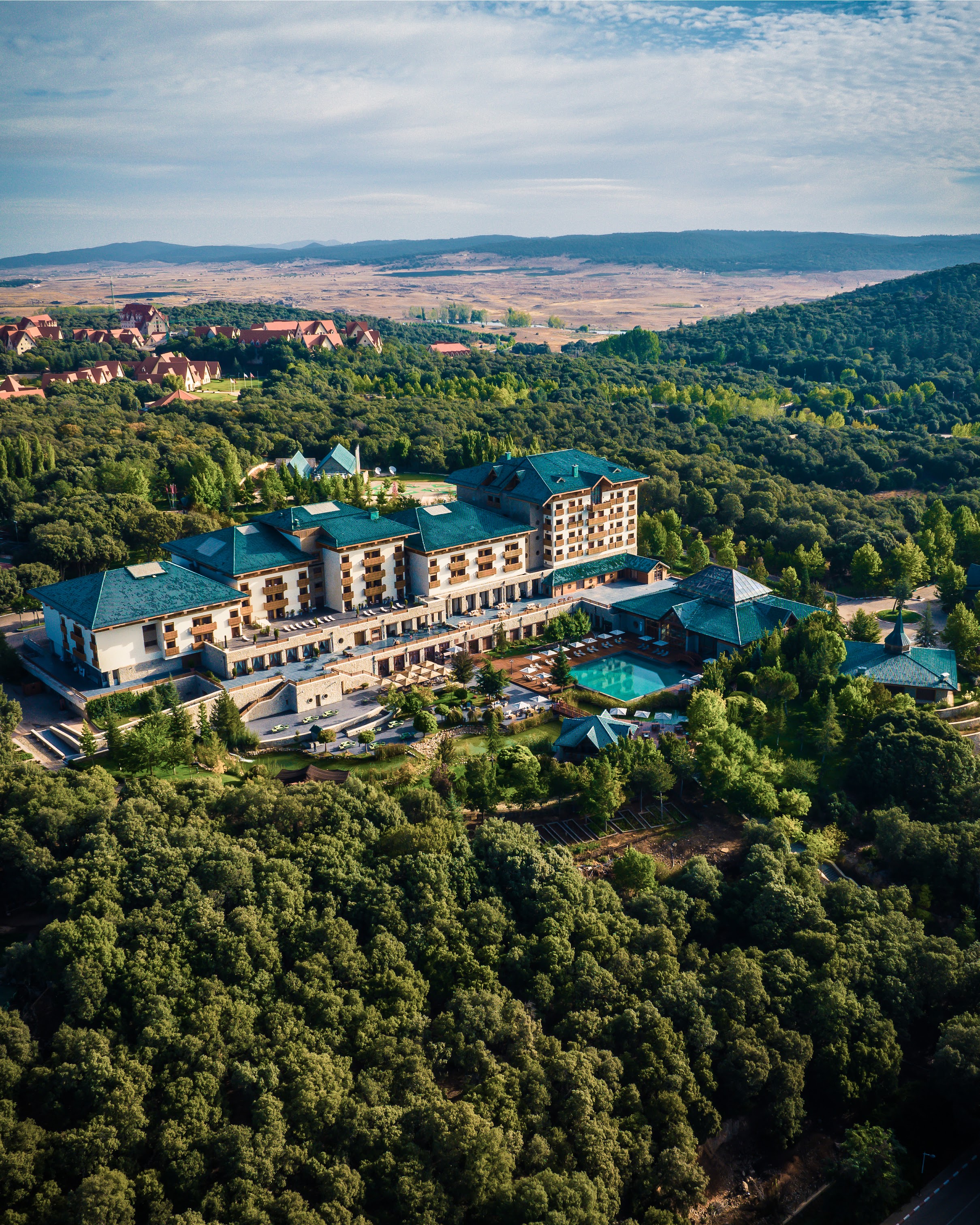
1 recommended properties
Money-Saving Tips
- 1.Grand taxis to nearby towns cost about 15-20 dirhams per person but wait until full before departing
- 2.Restaurant prices are higher than most Moroccan cities due to the tourist clientele - expect to pay 80-120 dirhams for a main course
- 3.Hotel rates spike in summer when Moroccan families vacation here - book spring or fall for better deals
- 4.Bike rentals cost 100 dirhams per day from shops near Al Akhawayn University
- 5.Hiring a driver for day trips runs about 800 dirhams for a full day including fuel
Travel Tips
- •Pack layers - mountain weather changes quickly and temperatures drop significantly at night
- •Most restaurants close early (around 9pm) so don't count on late dinners
- •The town gets very quiet in winter with some businesses closing - call ahead to confirm hours
- •ATMs are limited - bring cash from Fez or Meknes as backup
- •Snow chains are required on mountain roads in winter - rental cars should include them
- •The Saturday souk in town center is small but worth browsing for local crafts
- •Cell phone coverage can be spotty in the surrounding cedar forests