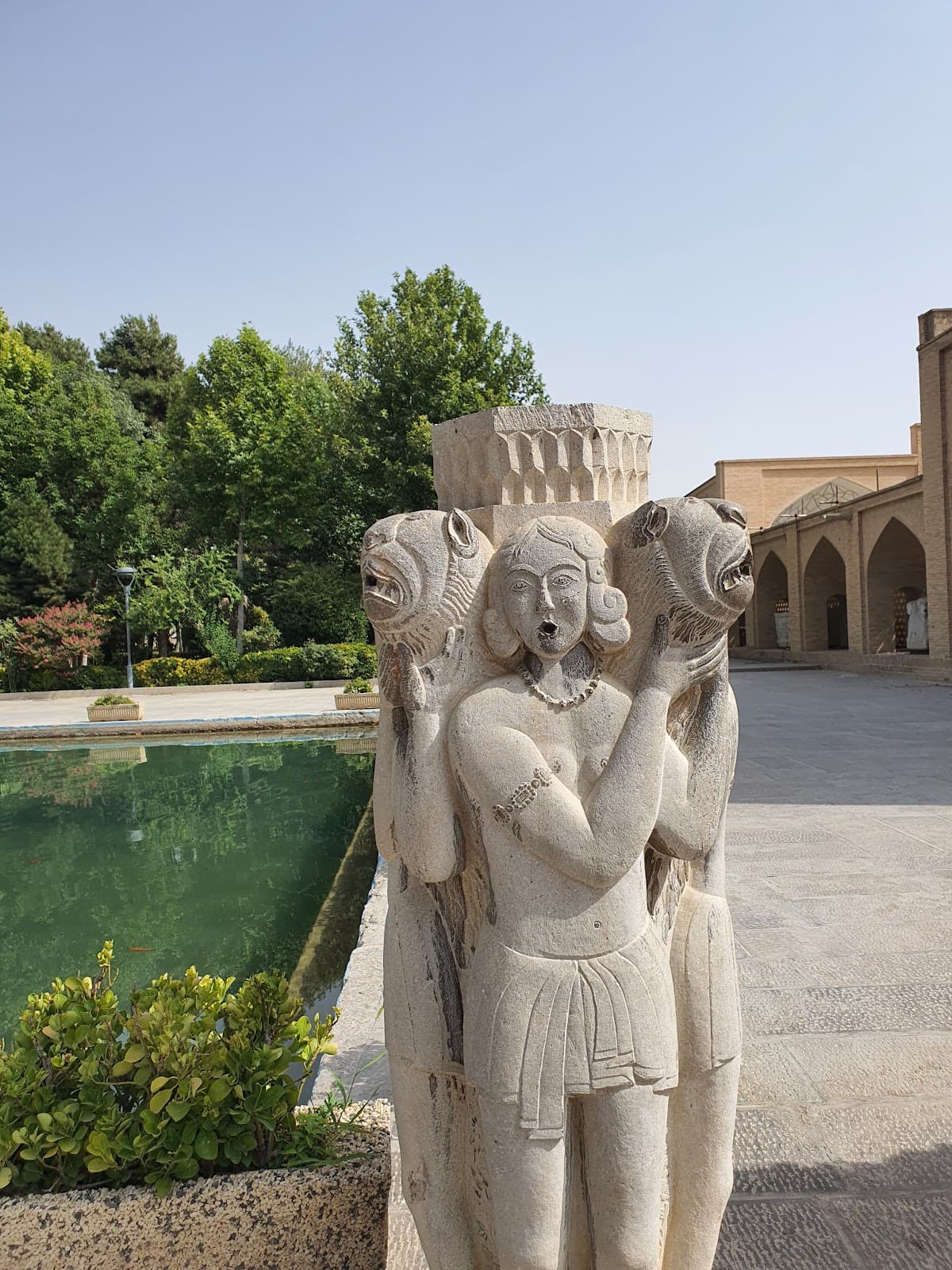
Isfahan
Iran's jewel showcasing magnificent Islamic architecture and Persian culture
Isfahan hits different. This former Persian capital serves up some of the world's most jaw-dropping Islamic architecture alongside a surprisingly laid-back vibe that feels worlds away from Tehran's chaos. The locals have a saying: "Isfahan is half the world" — and after you've spent an afternoon sipping tea in Naqsh-e Jahan Square watching the light dance across turquoise domes, you'll get it. But here's what most guidebooks won't tell you: Isfahan works best when you slow down. Rush through the major sites and you'll miss the magic hiding in the carpet workshops of the bazaar, the conversations over backgammon in traditional tea houses, and the way the call to prayer echoes differently here than anywhere else in Iran.
Best Months
MAR · APR · MAY · SEP · OCT · NOV
~24°C · moderate crowds
Culture & Context
HALF THE WORLD'S CRAFTS
Isfahan has been calling itself Nesf-e Jahan (Half the World) for centuries, and the nickname isn't pure ego. When Shah Abbas I made it his Safavid capital in the early 1600s, the city became one of the most architecturally ambitious places on Earth. Sixty thousand artisans currently practice crafts here — Qalamkari hand-printed textiles, Khatam inlay work — and the city holds UNESCO Creative City of Crafts and Folk Arts status.
That artistic lineage is everywhere: in the tile geometry of the Imam Mosque, in the carpet workshops tucked behind the bazaar, in the interior frescoes of Vank Cathedral over in Jolfa. The city is also home to about 6,000 Armenian Christians who've lived here since Shah Abbas relocated their ancestors from the Aras River region around 1606. Jolfa, their neighborhood, gives Isfahan a genuinely unusual dimension: churches and mosques within walking distance of each other, coffee shops next to prayer halls.
Iranians are famously hospitable, sometimes disarmingly so. Expect strangers to offer you tea, ask personal questions minutes into a conversation (marital status, salary, weight — all fair game by local norms), and insist on paying for things on your behalf. This is taarof, the cultural practice of ritual generosity and polite deflection.
Always decline an offer two or three times before accepting; that's how it works.
Local Customs
RITUAL GENEROSITY REQUIRES DEFLECTION
Taarof is real and pervasive. When a shopkeeper says 'ghabel nadare' (it's not worth anything, be my guest), they probably do expect payment — but the ritual of declining and insisting is how the exchange works. Decline politely two or three times, then accept or pay..
Dress code is enforced. Women must wear a headscarf and loose clothing covering to mid-thigh or below at all times in public, including outdoors. Men should wear long pants; shorts get stares and can cause friction at mosque entrances..
Alcohol is illegal throughout Iran. Don't look for it, don't ask for it, don't try to bring it in.. Photography is generally welcomed at tourist sites, but avoid pointing cameras at government buildings, military infrastructure, or anything that looks official.
Ask before photographing people, especially women.. Mosques and religious sites have rules: shoes off at the entrance, quiet voices inside, gender-separated sections in some spaces. Some sites close to non-Muslim visitors during prayer times (roughly five times per day)..
Proselytizing any religion other than Islam is illegal and carries serious penalties. Keep religious conversations casual and receptive rather than promotional.. Small talk is personal.
Iranians frequently ask foreigners about marital status, salary, and family — it's curiosity and warmth, not rudeness. You can answer vaguely or deflect with a laugh.. Bargaining is expected in the bazaar but not in shops with fixed price signs.
If no price is listed, the negotiation is open.. During Ramadan, eating, drinking, or smoking in public during daylight hours is prohibited and can lead to fines. Many restaurants close or only serve behind curtains.
Plan accordingly.
Safety
ELEVATED RISK, STREET SAFE
As of May 2026, the situation in Iran is serious and requires clear-eyed attention before any travel decision. The US State Department has issued a Level 4: Do Not Travel advisory for Iran, citing active military conflict, arbitrary detention of foreign nationals, terrorism risk, and no functioning US consular access inside the country. The Swiss Embassy in Tehran (which normally handles US interests) has also temporarily closed.
The UK, Canadian, and Australian governments have issued equivalent warnings. This is not routine language — these advisories reflect a genuinely elevated risk environment following US military operations in Iran in early 2026. For non-Western passport holders, the risk calculus differs: travelers from much of Europe, Asia, and the Middle East face fewer direct targeting risks and many continue to visit positively.
But every traveler — regardless of nationality — should check their own government's current advisory before making any plans. If you do travel: carry cash only (no foreign cards work), avoid photographing government or military infrastructure, steer well clear of demonstrations, and register with your country's embassy system (STEP for Americans). Isfahan itself, at the street level, has historically had low rates of violent crime against tourists.
Petty theft in crowded bazaar areas is possible. Fake police in civilian clothing have been reported — always ask for a uniformed officer or marked car if someone claims to be law enforcement. Tap water in Isfahan is generally considered safe in the city center, but bottled water is a reasonable call if your stomach is sensitive.
Getting Around
WALKABLE CORE, SNAPP EVERYWHERE
Getting to Isfahan: Isfahan International Airport (IFN) handles domestic flights from Tehran (about 1 hour), Shiraz, Mashhad, and other Iranian cities. A taxi from the airport to the city center runs about $10 USD and takes 30 minutes. Trains also connect Isfahan to Tehran (about 7 hours) and are comfortable and cheap.
Long-distance buses are frequent and even cheaper, connecting Isfahan to Yazd, Shiraz, and Kashan. Getting around: The historic core — Naqsh-e Jahan, the bazaar, the bridges, Jolfa — is walkable in a day. Wear comfortable shoes on those cobblestones.
For longer hops, use Snapp or TAP30 (Iran's ride-hailing apps). Download them before you arrive and set them up — they're cheaper than street taxis and remove the fare negotiation problem entirely. The Isfahan Metro (Line 1) runs 11km from Qods in the northwest to Sofeh in the south, passing through the Kaveh bus terminal.
A single metro journey costs a small fraction of a dollar. It's useful mainly if you're heading to or from the bus terminals. Classic street taxis exist but require agreeing on a fare beforehand — there's often no meter.
Agree a price before you get in or use Snapp instead. Intercity: For day trips to Kashan (about 2 hours north) or Yazd (about 3.5 hours southeast), shared taxis (savari) from the south bus terminal are the fastest and most local way to move.
Useful Phrases
Money-Saving Tips
- 1.Bargain hard in the bazaar — initial prices often start 3-4x higher than what locals pay
- 2.Eat where you see Iranian families dining, not where tour groups stop
- 3.Many mosques and historical sites offer free entry on Fridays, though they're more crowded
- 4.Share taxis (savari) cost a fraction of private rides — just ask your hotel to help arrange
- 5.Buy your Persian carpets from workshop areas, not the main bazaar tourist sections
- 6.Traditional tea houses charge by time, not per glass — nurse that first tea for hours
- 7.Guesthouses often include breakfast and can arrange tours cheaper than booking independently
Travel Tips
- •Download offline maps before arriving — GPS can be spotty in the old bazaar areas
- •Dress conservatively even by Iranian standards — Isfahan locals are more traditional than Tehran
- •Learn basic Persian numbers for shopping and taxi negotiations
- •Carry small bills — many vendors can't break large notes
- •The call to prayer happens 5 times daily and is quite loud near mosques — plan accordingly
- •Photography inside mosques requires permission and sometimes a small fee
- •Friday prayers mean some areas around major mosques become very crowded
- •Bring a good camera — the tile work and architecture here photograph incredibly well
- •Ramadan affects restaurant hours and availability significantly