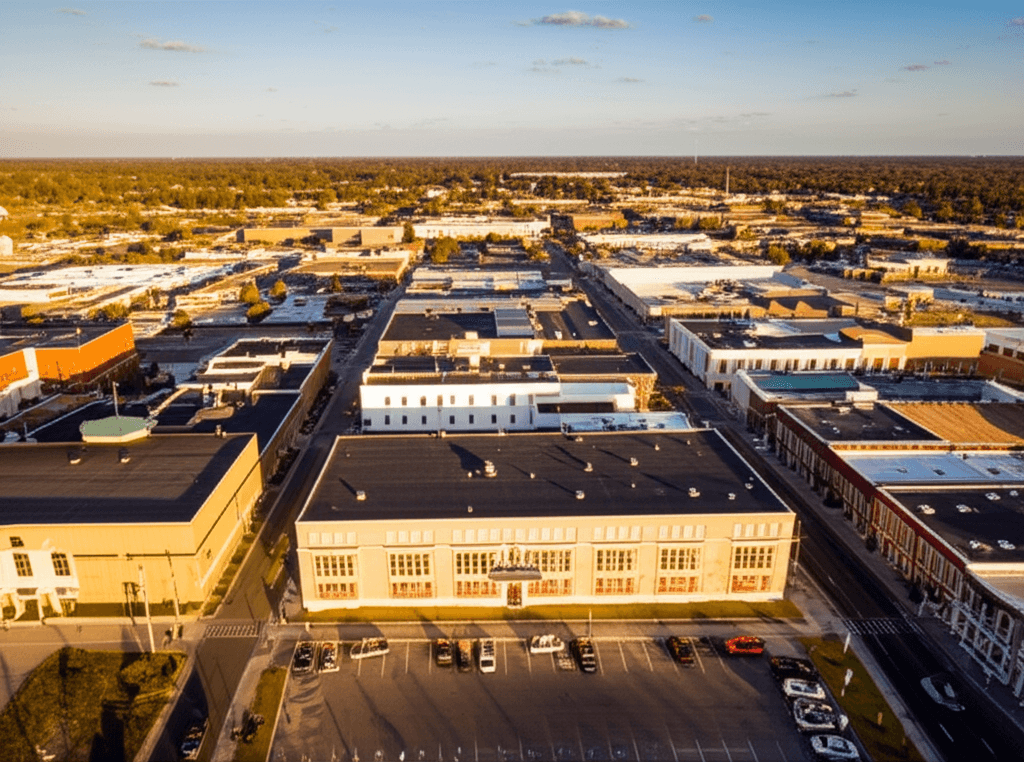
Lafayette
Louisiana's heart of Cajun culture and authentic culinary traditions
Lafayette isn't trying to be New Orleans. And that's exactly why you should go. This is where Cajun culture lives and breathes without the tourist polish — where you'll find the best boudin in Louisiana, hear French spoken on street corners, and dance to live Zydeco music in dive bars that haven't changed since the 1970s. Sure, it's smaller than Baton Rouge and quieter than the French Quarter. But Lafayette serves up something those places can't: authenticity. Here, your biggest decision is which legendary restaurant to hit first, not which overpriced souvenir shop to avoid.
Best Months
MAR · APR · MAY · OCT · NOV
~26°C · moderate crowds
Culture & Context
AUTHENTIC CAJUN HUB
Lafayette sits in the heart of Acadiana, the French-speaking region of south Louisiana, and the culture here runs genuinely deep. This is not a theme park version of Cajun life. People actually play bourré at kitchen tables, actual families still speak Cajun French at home (especially the older generations), and the city's food scene is built around neighborhood joints that have been serving the same recipes for decades, not Instagram-optimized tourist traps.
Zydeco and Cajun music are living traditions, not nostalgia acts. On any given weekend you can find a fais do-do (a Cajun dance party) at a local dancehall. Lafayette calls itself "The Hub City," and it earns the nickname.
The Vermilion River cuts through town, the Atchafalaya Basin wetlands are a short drive away, and the University of Louisiana at Lafayette keeps the city younger and louder than its modest size might suggest. The food is the thing people come for. Gumbo, boudin, crawfish boils, andouille sausage in everything.
And here's the thing: it's genuinely affordable. A plate lunch at a local spot rarely cracks $15, and a good boudin ball can run you under $3. But do not show up expecting New Orleans.
Lafayette moves slower, feels more residential, and rewards people who actually want to dig into Cajun culture rather than just observe it from a balcony.
Local Customs
FAIS DO-DO REQUIRED
Fais do-do (fay doe-doe) is a Cajun dance party, traditionally held on Saturday nights. If someone invites you to one, go. No exceptions..
Plate lunches are a serious daily ritual here. Many local restaurants only serve lunch and close by 2 p.m.
Show up early or miss out.. Locals say 'making groceries' (not 'buying groceries'), a direct carry-over from the French 'faire l'épicerie'. Don't be surprised when you hear it..
Crawfish season runs roughly January through June. Outside those months, you'll find frozen or imported crawfish at restaurants. Locals know the difference and will tell you..
The Courir de Mardi Gras is a rural Cajun tradition where costumed riders on horseback ride through the countryside collecting ingredients for a communal gumbo. It's very different from New Orleans Mardi Gras and much more participatory.. Festival International draws around 400,000 people to downtown Lafayette and is completely free.
No ticket required. But parking becomes a nightmare, so use the shuttle service.. Zydeco music blends Cajun, Creole, R&B, and African blues traditions.
If you hear a washboard (called a frottoir) in a band, you're in the right place.. Don't skip Sunday brunch. It's a borderline sacred institution in Lafayette, and the lines at spots like Bread & Circus or Saint Street Inn get long fast.
Safety
SAFE BY DAY, CAUTIOUS NIGHT
Lafayette is reasonably safe during the day, and 83 out of 100 visitors and residents report feeling completely safe in daylight hours. After dark, that number drops to 56 out of 100, which is worth noting. The area around Lafayette Regional Airport and east of downtown has historically had higher crime rates, including property crime.
Stick to well-lit, populated areas after dark. Downtown during festivals is well-patrolled, with increased law enforcement presence and medical stations stationed throughout. The LPD's advice for Festival International is solid general travel advice anywhere: travel in groups, stay in lit areas, and don't leave valuables visible in your car.
The biggest realistic threat for most visitors is property crime, not violent crime. Lock your car, take your keys, and hide your stuff. For outdoor adventures near the Atchafalaya Basin and Lake Martin, heat exhaustion is a genuine concern from spring through fall.
Bring water, wear sun protection, and don't approach wildlife, including the alligators that are very much present and very much not shy.
Getting Around
CAR REQUIRED, LIMITED TRANSIT
Lafayette is a car city. Full stop. Nearly 90% of residents drive everywhere, and the road layout reflects that.
But there are options. The Lafayette Transit System (LTS) runs six bus routes primarily along economic corridors like Congress, Cameron, and Johnston Street, operating roughly 5:45 AM to 9:30 PM Monday through Saturday. The catch: buses mostly run once an hour on many routes, and stops aren't always sheltered from the heat and rain.
For tourists, it's workable for a few key corridors but not reliable for general exploration. The Rosa Parks Multi-Modal Transportation Center at 100 Lee Avenue in downtown is the central hub, and it's genuinely useful. Greyhound, Amtrak, and LTS buses all connect here.
Amtrak's route passes through from Lake Charles heading toward New Orleans, which makes for a scenic and relaxed day trip. Uber and Lyft are available throughout the city, but pickup times can be longer than in bigger cities, especially late at night. Pre-booking through Uber Reserve helps.
Lafayette Regional Airport (LFT) connects nonstop to Atlanta, Dallas/Fort Worth, and Houston via United, American, and Delta. For longer international flights, New Orleans (MSY) is 107 miles away. During Festival International, the official shuttle service is the only sane option downtown.
The parking restrictions are extensive and the towing policy is enforced.
Useful Phrases
Money-Saving Tips
- 1.Happy hour at most restaurants runs 3-6 PM with half-price appetizers — perfect for trying expensive dishes cheap
- 2.Festival admission is usually free, but parking downtown during events costs $20-30
- 3.Gas station boudin costs $3-4 per link versus $8-12 at restaurants for the same quality
- 4.Many B&Bs offer midweek discounts of 20-30% — just call and ask
- 5.Lunch portions at fancy restaurants are often dinner-sized but cost half the price
- 6.Free parking downtown after 5 PM saves $10-15 per night versus hotel parking
Travel Tips
- •Learn to pronounce it correctly — 'LAH-fee-yet,' not 'La-fay-ETTE'
- •Bring cash — many local joints and music venues are cash-only
- •Don't order jambalaya at breakfast — it's not a thing here, despite what tourists think
- •Festival season means book accommodations 2-3 months ahead
- •Ask locals about boudin rankings — everyone has strong opinions and they're usually right
- •Crawfish season runs February-May — outside those months, it's frozen and not worth it
- •Most museums and attractions close Mondays
- •Download a Zydeco playlist before you go — you'll want to know the songs when you hear them live