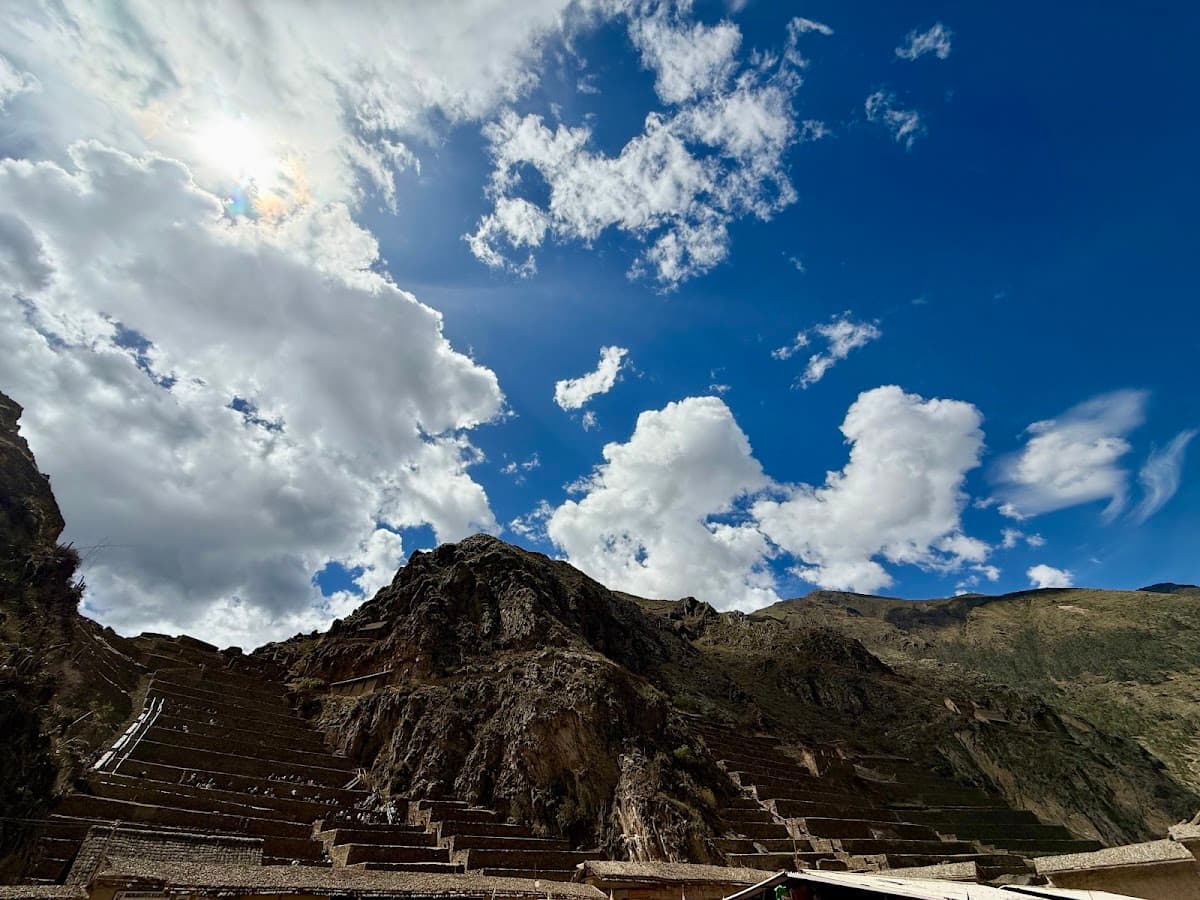
Machu Picchu
Peru's mystical lost city crowning the sacred Andes
Five hundred years after the Spanish conquistadors missed it completely, Machu Picchu still feels like a secret. This Inca citadel perches on a knife-edge ridge 7,970 feet above sea level, wrapped in cloud forest that shifts from emerald to silver depending on the light. Most people know the postcard shot. But standing there at sunrise, watching the mist peel back from the terraces like layers of time itself — that's when you understand why Hiram Bingham called it the "Lost City of the Incas" in 1911. The irony? It was never really lost. Local Quechua families knew about it all along.
Best Months
MAY – SEP
~22°C · peak crowds
Culture & Context
SACRED MOUNTAIN, NEVER CONQUERED
Machu Picchu sits at 2,430 meters above sea level in the Cusco region of Peru, and it was built in the 15th century under Inca Emperor Pachacutec. The site was never destroyed by Spanish colonizers because they simply never found it. That alone should tell you something.
Local Quechua communities still treat the surrounding mountains and rivers as living entities, not just scenery. "Machu" means old and "Picchu" means peak or mountain in Quechua — so yes, you're visiting "Old Mountain." Huayna Picchu, that dramatic spike looming behind the ruins in every photo, literally means "Young Mountain.
" The whole region operates on Andean time and Andean values. Pachamama (Mother Earth) is not a bumper sticker here. Locals make offerings to her in August during the Pachamama Raymi festival.
Be aware that the citadel is a working archaeological site under Peru's Ministry of Culture, meaning the rules are serious: no re-entry, strict time limits, circuits you cannot deviate from, and rangers watching.
Local Customs
COCA TEA & RANGER RULES
Always buy Machu Picchu tickets from the official government platform at tuboleto.cultura.pe.
Your ticket is tied to your exact passport number. A 5% processing fee applies for international credit cards.. Spend at least 2 full days in Cusco (3,400m) before heading to Machu Picchu.
Acute mountain sickness hits nearly 50% of travelers in Cusco within the first 48 hours. Slow down, drink coca leaf tea, avoid alcohol the first night.. Coca tea (mate de coca) is offered on trains and in most hotels.
It's legal in Peru, traditional, and genuinely helps with altitude. It's not cocaine. Drink it..
Do not touch or lean on the stone walls. Rangers will stop you immediately. The site has very few information panels so hire a licensed guide — they wear official blue ID lanyards..
You can get your passport stamped for 1 Peruvian sol at the entrance of Machu Picchu as a souvenir — a small, genuinely cool memento.. Tripods, selfie sticks, and drones are prohibited inside the ruins. Hiking poles with metal tips are also banned.
Leave them at the hotel.. Food and large backpacks are not allowed inside the citadel. Drop your bag at storage in Aguas Calientes before heading up.
Safety
OFFICIAL TICKETS ONLY
Machu Picchu itself is safe. The site has rangers, security checkpoints, and a strong tourist police presence. Your main risks are practical, not violent.
Fake tickets are the biggest trap: only ever buy from machupicchu.gob.pe (the official Ministry of Culture platform).
Counterfeit tickets are sold near the gate in Aguas Calientes and through dodgy third-party websites. If someone on a street in Cusco offers you a discounted Machu Picchu ticket, that ticket does not exist. Report fraud to the Tourist Police (Policía de Turismo) at Calle Saphy 588 in Cusco, or call INDECOPI at 0800 01 2020 for consumer complaints.
Petty theft is the other concern, mostly in crowded places like Cusco's San Pedro Market and bus stations. Keep your phone in a front pocket, use a hotel safe for passports and extra cash. Altitude sickness hits harder in Cusco (3,400m) than at Machu Picchu itself (2,430m).
Spend two full days in Cusco before going up. Symptoms include headache, nausea, and fatigue. Coca leaf tea helps.
If symptoms are severe, descend immediately. For medical emergencies, Clinica Pardo in Cusco is the best-rated option for tourists. CuscoMed (+51 84 261 996) has a hyperbaric chamber.
Do not drink tap water anywhere in Peru — stick to bottled or filtered water. During the wet season (November to March), stone paths inside the ruins get slippery. Wear hiking boots with traction, not sandals.
Getting Around
TRAIN & SWITCHBACK BUS
Getting to Machu Picchu is a multi-leg operation. There is no road access. The base town of Aguas Calientes can only be reached by train or on foot from Hidroeléctrica station.
Here's how it works: Fly Lima to Cusco (1hr 20min, $80-150 USD round trip if booked ahead). Spend at least 2 nights in Cusco acclimating. Then take a bus or taxi from Cusco to Ollantaytambo (1.
5-2 hrs on Pavitos Street bus, ~S/45). Board a PeruRail or Inca Rail train to Aguas Calientes (about 2 hours, $130-160 round trip economy). Once in Aguas Calientes, the only bus to the citadel entrance is operated by Consettur.
Buses leave from Avenida Hermanos Ayar every 10-15 minutes starting at 5 AM. Round-trip bus costs $24 USD for foreigners. The ride takes 25-30 minutes.
You can also hike down on your own in about 1.5-2 hours — saves one leg of the bus fare and is a solid walk. For Inca Trail hikers, the trail itself arrives at the Sun Gate (Inti Punku) and connects directly into the citadel.
Book Inca Trail permits separately through a licensed operator — they sell out months in advance, especially for June-August. A note on the budget route: it's possible to take shared transport from Cusco to Hidroeléctrica and walk the 10 km along the train tracks to Aguas Calientes in about 2.5-3 hours.
Slower, cheaper, and genuinely scenic — but requires an early start from Cusco since the shared return taxi usually leaves Hidroeléctrica at 2 PM.
Useful Phrases
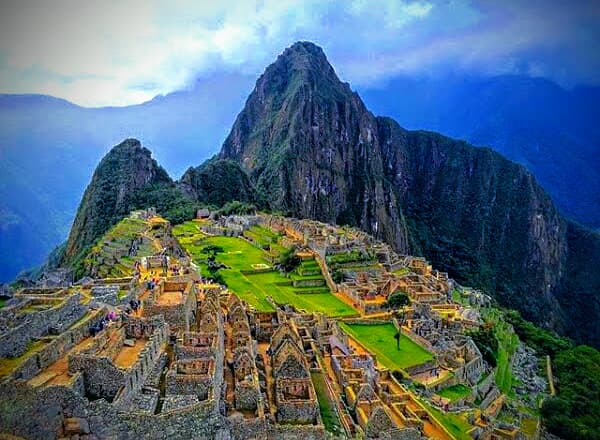
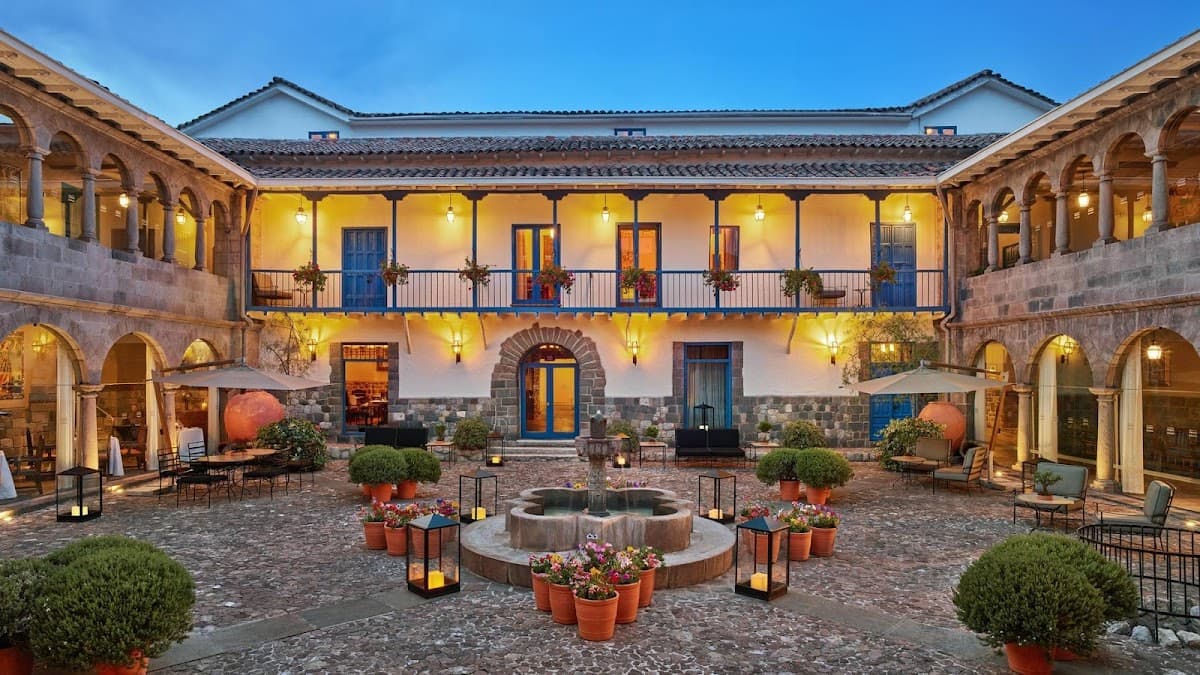
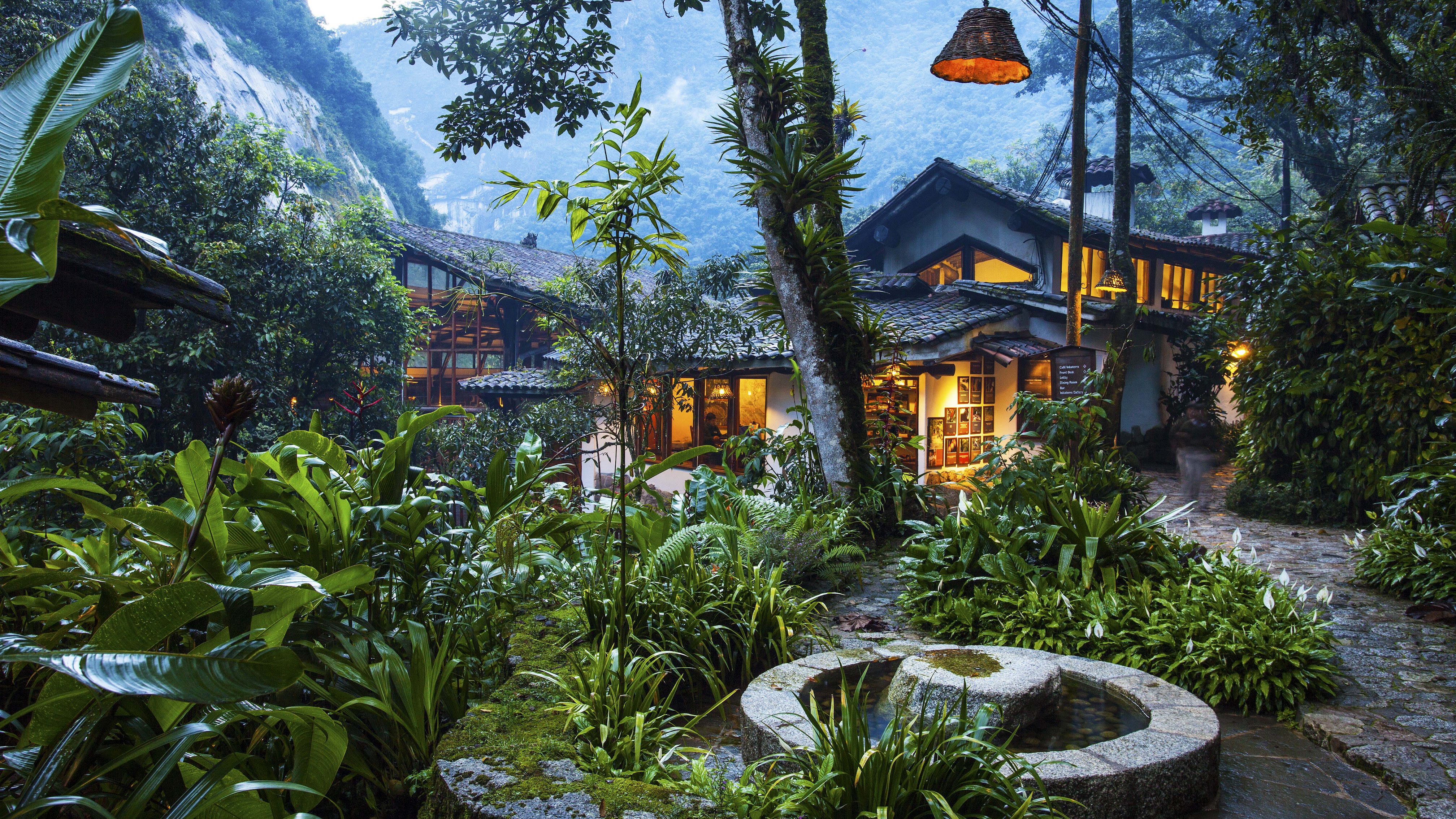
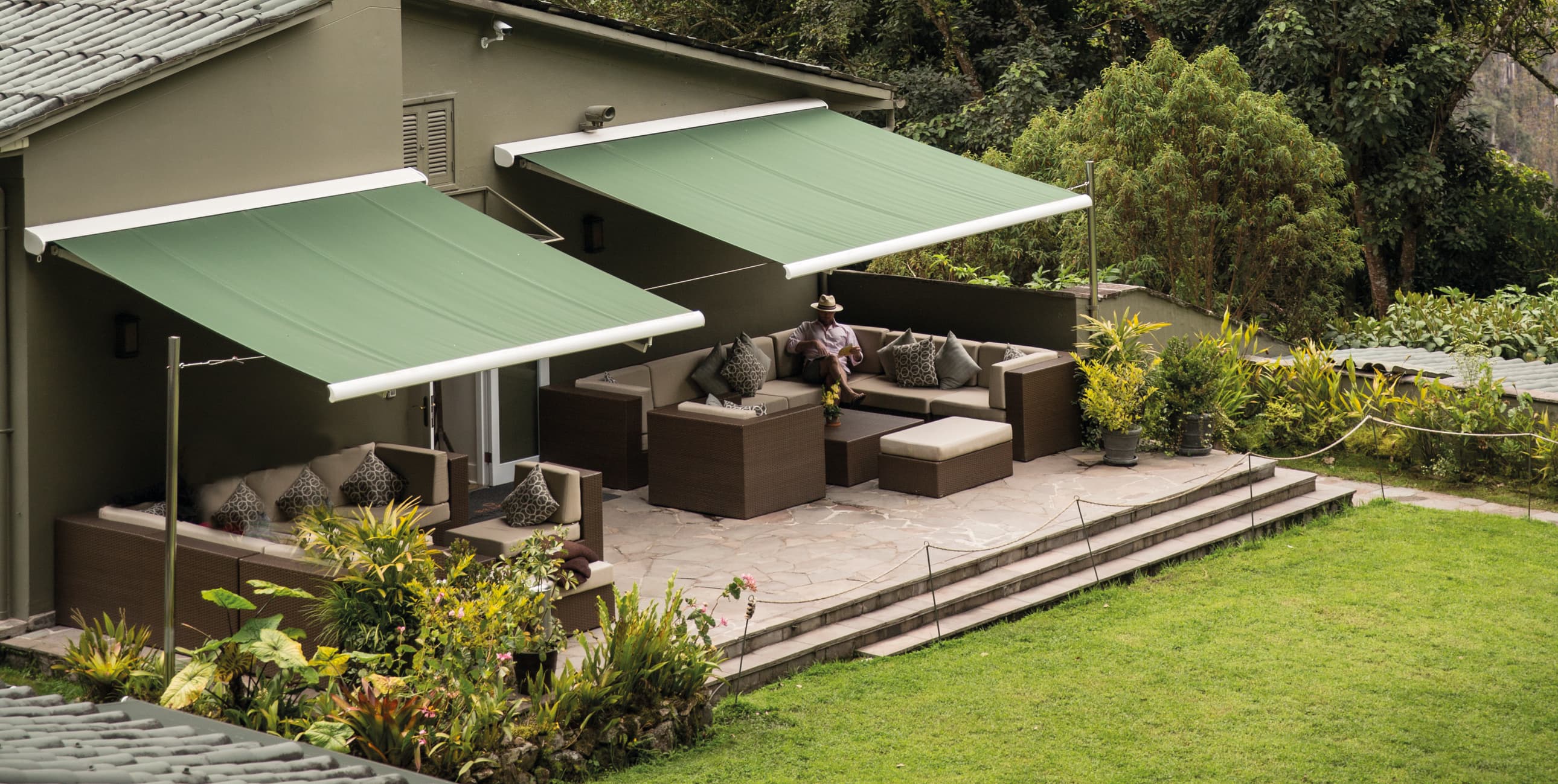
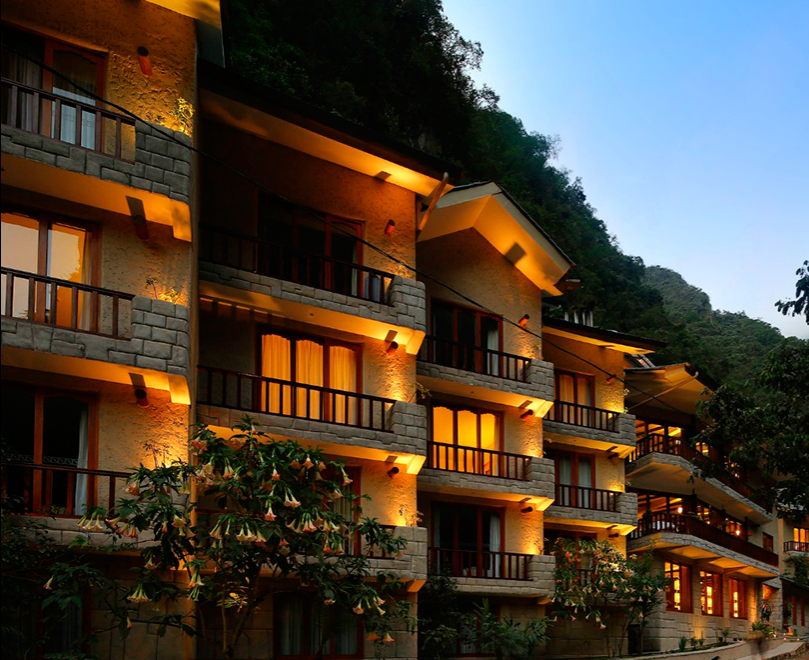
Where to Stay in Machu Picchu
3 recommended properties
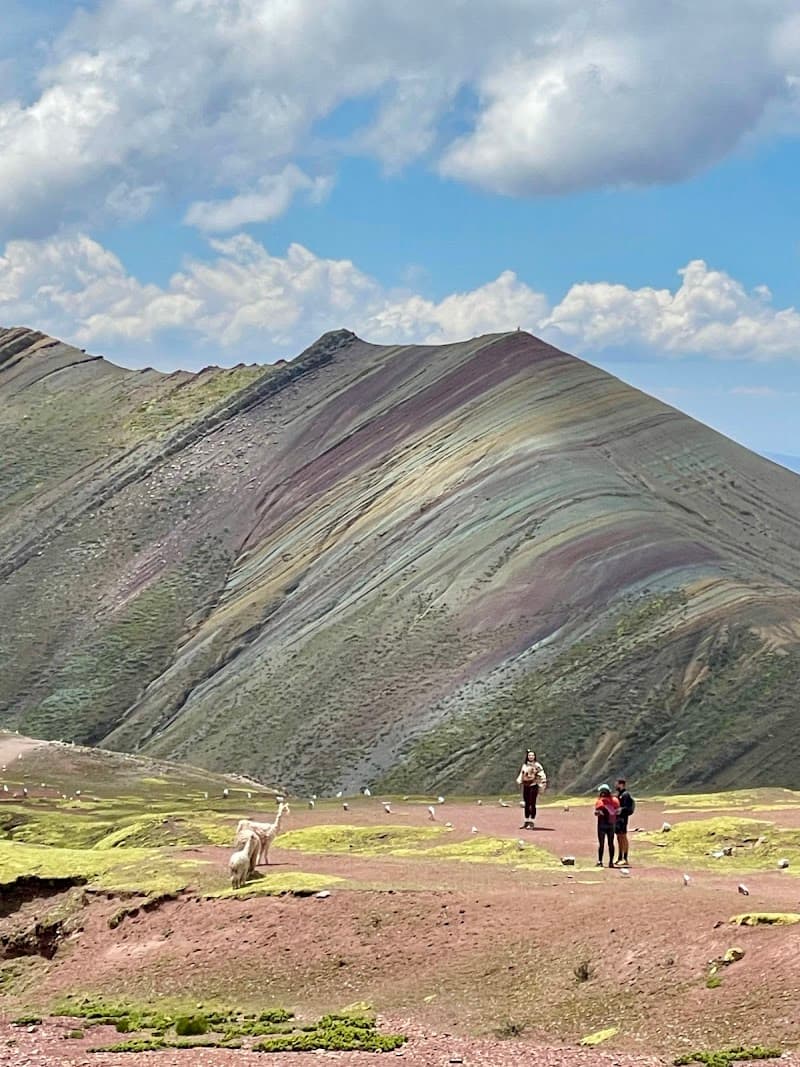
Things to Do in Machu Picchu
Cusco City Tour
180 min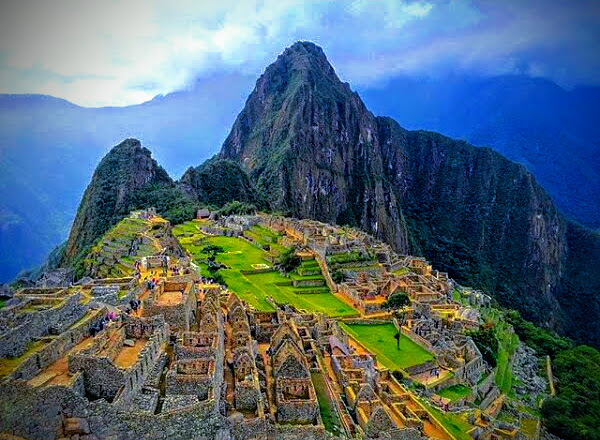
Expedition Train to Aguas Calientes
210 min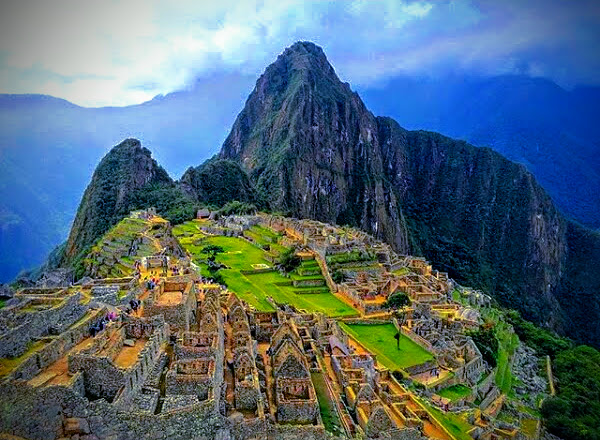
Machu Picchu Guided Tour
180 minMoney-Saving Tips
- 1.Book train tickets directly from PeruRail or Inca Rail websites to avoid markup from third-party sites
- 2.Expedition class trains offer the same route as luxury options for a fraction of the price
- 3.Bring exact change for buses and bathroom fees — ATMs in Aguas Calientes charge high fees
- 4.Pack snacks from Cusco; food inside Machu Picchu costs 3x normal prices
- 5.Stay overnight in Aguas Calientes to catch the first bus up and avoid day-trip crowds
- 6.Buy a multi-day Cusco tourist ticket for 130 soles — it covers several Sacred Valley sites plus city attractions
Travel Tips
- •Arrive in Cusco 2-3 days early to acclimatize — altitude sickness is no joke at 11,000+ feet
- •Download offline maps; cell service is spotty in the mountains
- •Wear broken-in hiking boots — those Inca stone steps are slippery when wet
- •Bring a rain jacket even in dry season; afternoon showers are common
- •Book Huayna Picchu tickets separately if you want the mountain hike — they're limited and sell out
- •Start your day early; the site gets crowded after 10 AM and lighting is better at sunrise
Frequently Asked Questions
Explore Machu Picchu
BUILD YOUR
MACHU PICCHU PLAN
Insider picks, smart timing, and a plan ready when you are.
Start Planning