Mecca
Islam's holiest city and pilgrimage destination
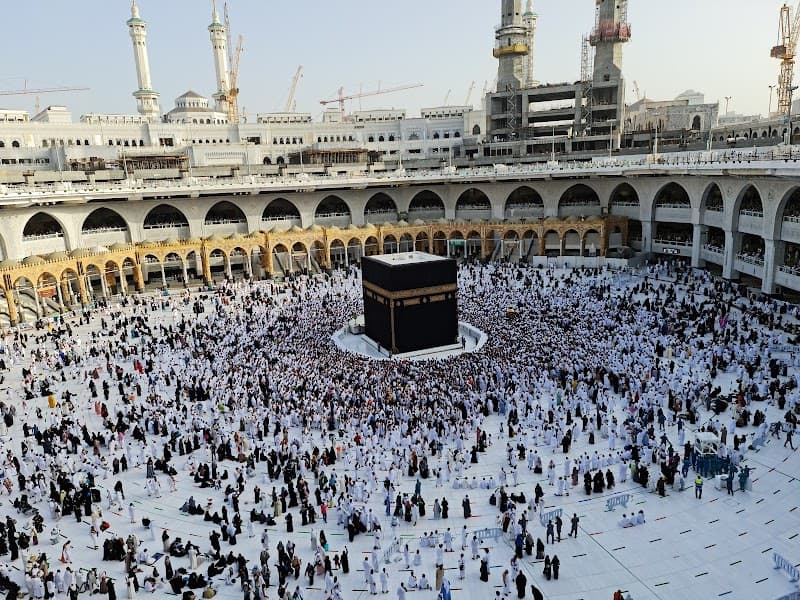
Mecca stands as Islam's most sacred city, drawing millions of pilgrims annually to the Grand Mosque and the Kaaba. This isn't your typical travel destination — it's a profound spiritual journey that transforms lives. Only Muslims can enter the city, making it one of the world's most exclusive destinations. The energy here is unlike anywhere else on Earth, with prayers echoing through marble corridors and pilgrims from every corner of the globe sharing the same sacred space. Beyond the religious significance, Mecca offers a glimpse into Saudi Arabia's rapid modernization, where ancient traditions meet cutting-edge architecture.
Culture & Context
ISLAM'S HOLIEST PILGRIMAGE
Mecca is the holiest city in Islam and, honestly, unlike any other destination on earth. It's where the Prophet Muhammad was born, where the Kaaba sits at the center of Masjid al-Haram, and where every Muslim who is physically and financially able is required to come at least once. The city exists entirely around pilgrimage.
Hotels, roads, metro lines, crowd management systems — all of it is built for one purpose: moving millions of people through rituals that haven't changed in over 1,400 years. Here's the thing though: the scale is almost impossible to wrap your head until you're standing inside it. Saudi Vision 2030 has pumped billions into infrastructure, but the spiritual core remains exactly what it always was.
And if you're not Muslim, this destination simply isn't for you — Saudi law is absolute on that point.
Local Customs
IHRAM PROTOCOL ESSENTIAL
The standard greeting is 'As-salamu Alaykum' (Peace be upon you). Use it constantly. Locals and fellow pilgrims respond with 'Wa Alaykum as-Salam.
' Saying it first, even imperfectly, earns immediate goodwill.. Dress conservatively everywhere. Men wear loose-fitting garments covering legs.
Women wear an abaya and hijab. During Ihram, men switch to two unstitched white garments — no sewn clothing, no perfume, no cutting of hair or nails until the Ihram ends.. The five daily prayers effectively pause everything.
Shops close, crowds shift, and the mosque fills completely. Plan your movements around prayer times rather than against them.. Always eat with your right hand.
In shared meals from a communal platter (common in Saudi hospitality settings), the left hand is considered unclean. Leaving a small amount of food on your plate signals you've had enough.. Public displays of affection — even holding hands — can result in fines from Saudi authorities.
This applies to couples, not just strangers.. Photography of other pilgrims without explicit consent is prohibited. Taking photos of police, military, or Saudi royalty is illegal and can result in device confiscation, fines, or detention..
If invited for Arabic coffee or dates, accept. Refusing hospitality is considered rude. Saudi hospitality is genuinely generous, and locals mean it..
Patience is not just a virtue here — it's a survival skill. Millions of people are attempting the same rituals in the same windows. Frustration and arguments are explicitly contrary to the spirit of Ihram.
Every pilgrim you're jostling in a crowd is having the same experience.. Bargaining is fine in souks and markets. Do it respectfully, with a smile, and don't walk away aggressively..
During Hajj 2026, your Nusuk Card must be on your person at all times. Accessing Mina, Arafat, and Muzdalifah without it isn't an option — checkpoints are strict.
Safety
HEAT, CROWDS, VIGILANCE
Mecca is generally low in street crime. The Canadian government notes the crime rate is low, though petty crime like pickpocketing and purse snatching occurs in crowded areas and holy sites — which, during Hajj, is essentially everywhere. Keep your passport, Nusuk Card, and valuables secured on your person at all times, ideally in a travel belt under your Ihram.
The real safety risks here are environmental and logistical. Late May temperatures in Mecca regularly exceed 43°C (109°F). Pilgrims walk between 5 and 15 km per day across the Hajj sites.
Heat-related fatalities have occurred in previous years. Hydrate constantly. Use air-conditioned tents at Mina and Arafat.
Avoid midday sun exposure when possible. Stampede risk is real at peak congregation points, particularly the Jamarat. Saudi Arabia's 2026 crowd management is the most advanced yet (AI monitoring, assigned time windows for Jamarat and Tawaf), but 2 million people in a confined area during high heat is an inherently demanding situation.
Follow group leaders, obey crowd marshals, and do not push. Scams targeting Hajj and Umrah travelers are common — fake visa permits, fraudulent tour operators, and counterfeit Nusuk documentation exist. Book everything through the official Nusuk platform only.
Meningococcal vaccination is mandatory for entry; get it at least 10 days before travel. Emergency medical facilities are present at all major holy sites, with dedicated pathways and electric carts for elderly and mobility-impaired pilgrims.
Getting Around
METRO & BUSES
Getting to Mecca means flying into King Abdulaziz International Airport (JED) in Jeddah, about 80 km away. From there, taxis and private transfers are the norm, though the Haramain High-Speed Railway connects Jeddah to Mecca in under 30 minutes. Bus 7A runs from the Haramain Mecca station to near Masjid al-Haram for 8 SAR.
Within the city, the Makkah Bus network covers 12 routes with over 450 stops. All major routes (1–12) connect to or near the Grand Mosque, with main drop-offs at Ajyad, Kudai, and Jabal Al-Kaaba stations. Buses run 24/7 on major routes, with frequency as tight as every 5–7 minutes during prayer times.
They're air-conditioned, multilingual (Arabic, English, Urdu, Hindi announcements), and have free Wi-Fi. Use Route 7 for the Haramain station. During Hajj season, the Al Mashaaer Al Mugaddassah Metro (also called the Zamzam Trains) operates exclusively to transport pilgrims between Mecca, Arafat, Muzdalifah, and Mina on the 18.
1 km line that opened in 2010. It runs 24/7 during Hajj and is currently free for pilgrims. But look, the metro gets extremely crowded around midday prayers.
Walking is genuinely the best option for distances under 2 km around the Haram itself, especially during Ramadan and Hajj. Taxis and Uber run throughout the city but fares jump significantly during peak seasons. Always negotiate taxi fares upfront for longer trips.
And avoid photographing military vehicles, security personnel, or government buildings — that's a serious legal issue, not just a mild social faux pas.
Useful Phrases
Mecca Itineraries
View all
Seven Serene Days in Sacred Makkah
Week · $$$
Three Serene Days in Mecca’s Sacred Valleys
Weekend · $$$
Three Days of Sacred Peaks and City Views in Mecca
Day Trip · $$$
Seven Easy Days of Sacred Sights, Family Comfort, and Mecca Views
Week · $$$

Family-Friendly Mecca Weekend: Sacred Sights, Easy Comfort, Halal Eats
Weekend · $$$
3-Day Family-Friendly Spiritual Getaway in Mecca
Day Trip · $$$
Money-Saving Tips
- 1.Book accommodation at least 6 months in advance for Hajj season to avoid price gouging
- 2.Hotels closer to the Grand Mosque cost 3-4 times more than those 1km away, but the walking convenience is worth it for many pilgrims
- 3.Eat at local restaurants away from the mosque area — prices drop significantly just 2-3 blocks out
- 4.The Haramain Railway offers fixed pricing and comfort for Mecca-Medina trips, much better value than private transport
- 5.Many services are free during Hajj including shuttle buses, medical care, and water distribution
- 6.Bring a reusable water bottle — Zamzam water is free throughout the mosque complex
- 7.Currency exchange rates are better in Jeddah than at Mecca hotels or near the mosque
Travel Tips
- •Download the Haramain app for real-time crowd updates and prayer times at the Grand Mosque
- •Wear comfortable walking shoes with good grip — marble floors can be slippery
- •Bring a small prayer rug as floor space can be limited during busy periods
- •Learn basic Arabic phrases for directions and religious terms to enhance your experience
- •Pack light-colored, loose-fitting clothing to stay cool in the desert climate
- •Carry a small bag with essentials — you'll be walking long distances daily
- •Respect local customs strictly — this is a deeply conservative religious environment
- •Stay hydrated and take breaks — the physical demands of pilgrimage can be intense
- •Keep important documents in a secure, waterproof pouch
- •Consider bringing electrolyte supplements for the physical demands of pilgrimage rituals