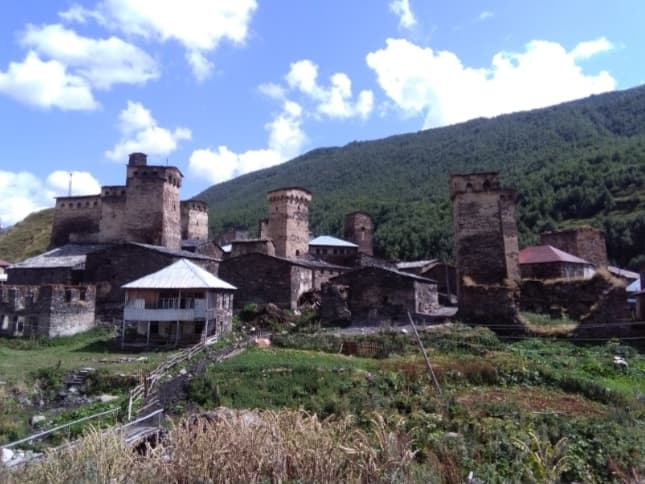
Mestia
Ancient Svan towers amid Georgia's dramatic mountain wilderness
Look, Mestia isn't your typical mountain town. This remote corner of Georgia feels like stepping into a medieval fairytale — one where 1,000-year-old stone towers pierce the sky and snow-capped peaks of the Caucasus create a backdrop so dramatic it almost seems fake. But here's the thing: those ancient Svan towers aren't just Instagram props. They're living pieces of history where families still store grain and take refuge, just like their ancestors did centuries ago. The Svan people have their own language, their own traditions, and a fierce independence that comes from living in one of Europe's most isolated regions. Sure, getting here takes effort — think winding mountain roads and occasional landslides — but that's exactly why Mestia rewards the adventurous. You'll find glacier hikes that start from your hotel doorstep, traditional feasts that last until midnight, and a kind of raw mountain beauty that makes you understand why the Svans never let anyone conquer them.
Best Months
JUN – SEP
~23°C · peak crowds
Culture & Context
MEDIEVAL TOWERS ALIVE
Mestia is the capital of Upper Svaneti, a highland region in northwest Georgia (the country, not the US state — coordinates 43.04°N, 42.72°E confirm this).
The population is mostly Svans, a distinct cultural and linguistic subgroup of Georgians. For centuries the mountains kept Svaneti almost completely isolated — Persians, Mongols, Turks, and Soviets all left relatively little mark. That isolation preserved something remarkable: a living medieval culture, an unwritten language (Svan, related to but very different from Georgian), and 45 stone defensive towers rising above rooftops in Mestia alone.
When foreign invaders threatened Georgian lowlands, it was to Mestia that the nation's treasures — icons, manuscripts, gold — were sent for safekeeping. Many are still in the Svaneti Museum of History and Ethnography today. Blood feuds between families were historically serious business here; the towers weren't decorative.
The 2010 film "Dede," shot in Ushguli, gives a raw look at Svan social customs and patriarchal traditions. You can watch it at Cinema Dede in Mestia. The Svan people are intensely proud of their heritage.
Polyphonic singing, traditional round dances (Perkhuli and Lampruli), horse racing, and elaborate feasts (supras) are still very much alive. The tamada (toastmaster) at a Georgian feast is not a joke — toasts are serious, structured, and can go on for hours. Pace yourself.
Local Customs
TAMADA RULES FEASTS
The tamada (toastmaster) leads toasts at any proper Georgian feast. Refusing a toast is acceptable despite peer pressure — pace yourself, eat plenty before drinking, and don't try to keep up with locals who have been training for this their entire lives.. Hospitality is non-negotiable.
If a Svan invites you into their home, you accept. Showing up empty-handed is fine; refusing the invitation is not.. Lamproba is a genuine religious and family observance, not a tourist performance.
Ask permission before photographing, especially at the cemetery. Approach quietly and respectfully.. Cash is essential in Mestia.
The single ATM in town has been known to run dry for days. Always carry enough Georgian lari from Zugdidi or Tbilisi before heading up.. Road conditions between Zugdidi and Mestia can close temporarily in winter due to avalanche risk or heavy snowfall.
Check conditions before driving, especially December–March.. Svan polyphonic singing is sacred and community-rooted. If you hear it at a festival or gathering, stay quiet and listen — it's one of the more profound things you'll experience in Georgia..
Svaneti salt (a yellow spice blend of coriander, dill, fenugreek, paprika, marigold, cumin, and garlic) is the local food souvenir. Buy it at the festival markets or small shops — it's cheap and extraordinary.. Book guesthouses in advance if visiting during peak summer (June–August) or for Lamproba weekend in February.
Supply is limited and beds fill quickly on the Mestia–Ushguli trekking route.. Tipping is not mandatory but increasingly common at tourist-facing restaurants in Mestia. Round up or leave 10% at sit-down spots.
Safety
SAFE, WATCH CONDITIONS
Georgia overall is a safe country with low crime rates. The US State Department rates it at 'Exercise Normal Precautions,' with the only serious warnings applying to South Ossetia and Abkhazia — both far from Svaneti and designated 'Do Not Travel' zones. Mestia and Svaneti are safe for tourists.
A few practical notes: the single ATM in Mestia has run dry before — always carry enough cash. Roads between Zugdidi and Mestia can temporarily close due to avalanche risk in winter; check conditions before driving December–March. Mountain weather changes fast — always download offline maps before hiking.
Political protests have occurred in Tbilisi since late 2024, but these have not affected tourist areas or Svaneti. Tourists remain warmly welcomed. Petty crime is low but use common sense with belongings in any crowded festival setting.
Night driving on mountain roads is not recommended. If your driver seems impaired, don't get in the car — this has been flagged by travelers on Mestia mountain routes.
Getting Around
DRIVE OR MARSHRUTKA
Getting to Mestia takes commitment. From Tbilisi it's roughly 460 km and 8–9 hours by road via Kutaisi and Zugdidi. A new road via Lentekhi from Kutaisi opened in late 2024, cutting the drive to about 5.
5 hours from Kutaisi. From Zugdidi (the closest big city), shared marshrutkas run regularly in summer and with reduced schedules in winter — the fare is around 20–25 GEL per person. Private transfers from Batumi start around 450 GEL per car.
Budget Georgia runs shared transfers from Batumi at 80 GEL per person including hotel pickup. There are also small domestic flights from Tbilisi's Natakhtari Airfield to Mestia's Queen Tamar Airport, operated by Vanilla Sky for around 90 GEL ($32). Flights are on small turboprop aircraft that fly under visual flight rules — cancellations due to mountain weather are common.
Treat it as a bonus, not a plan. Within Mestia, walking covers most things. Taxis exist but are informal.
The Hatsvali and Tetnuldi ski resorts (8 km and 15 km from town) require transport — arrange through your guesthouse. To Ushguli from Mestia is 1.5 hours on a now fully sealed mountain road; as of 2026 it's fine to drive your own rental car there, but confirm your rental company allows it in the fine print.
Useful Phrases
Mestia Itineraries
View all
Wild Svaneti: A Week in Mestia’s High Mountain Valleys
Week · $$$
Mestia Slow-Flow Weekend: Towers, Glaciers, and Alpine Calm
Weekend · $$$
Seven Wild Romantic Days in Mestia and Upper Svaneti
Week · $$$
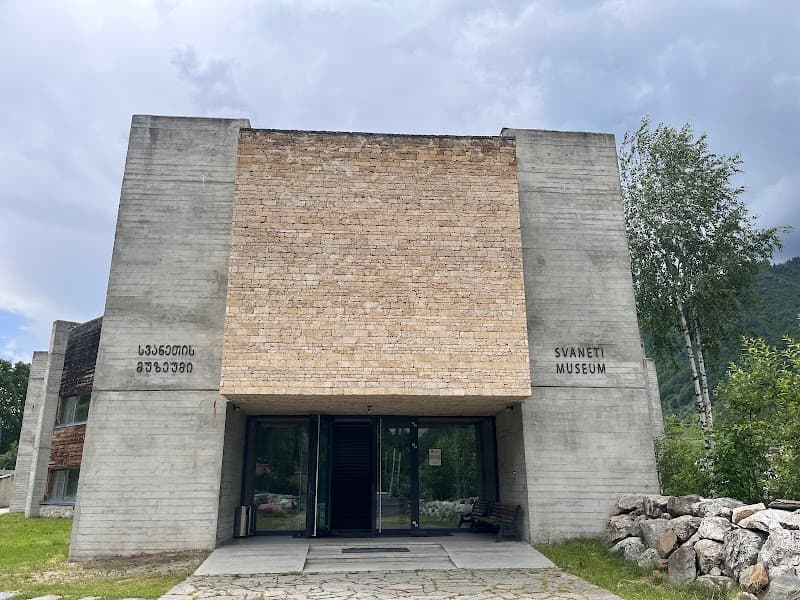
Wild Svaneti: A Romantic Weekend in Mestia
Weekend · $$$
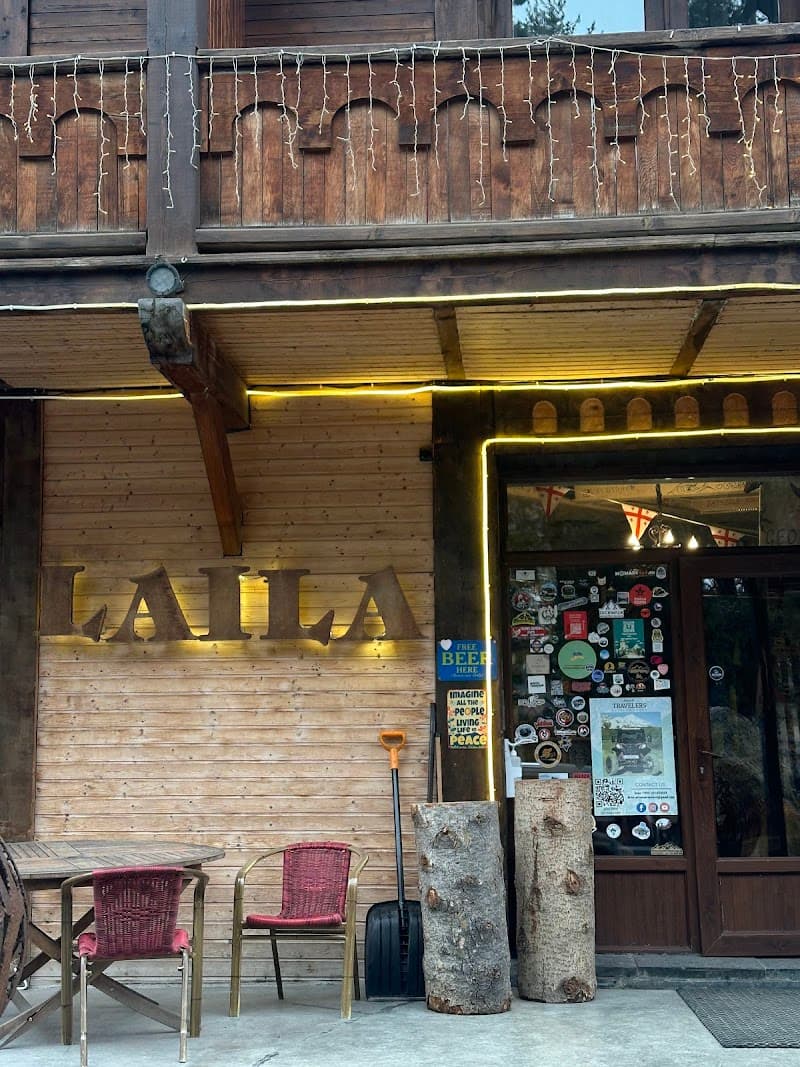
Family-Friendly Svaneti Escape in Misty Mestia
Weekend · $$$
Slow Svaneti: A Relaxed 7-Day Escape in Mestia
Week · $$$
Things to Do in Mestia
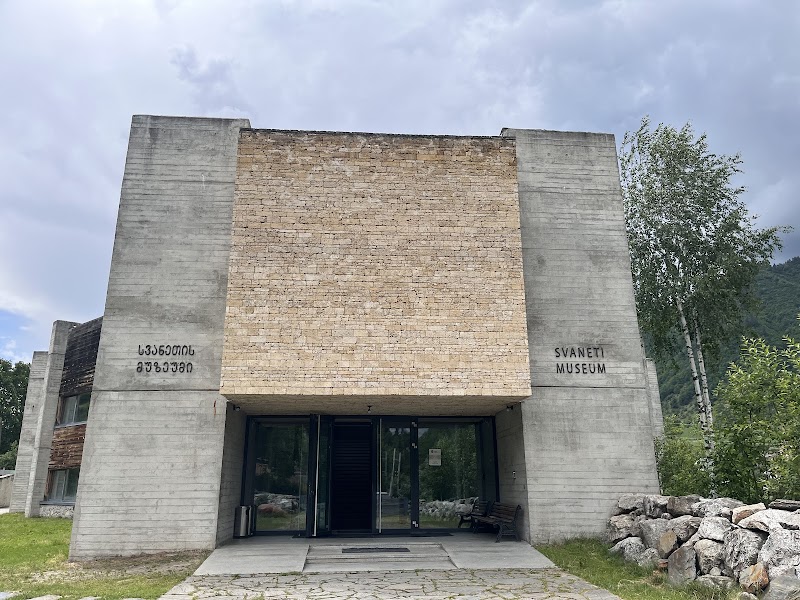
Svaneti Museum of History and Ethnography
Mestia Center · 90 min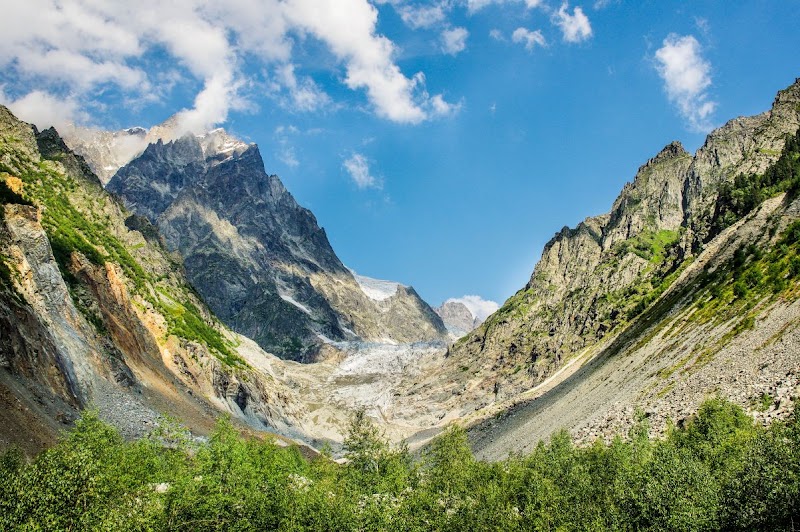
Chalaadi Glacier Hike
Chalaadi Valley (near Mestia) · 180 min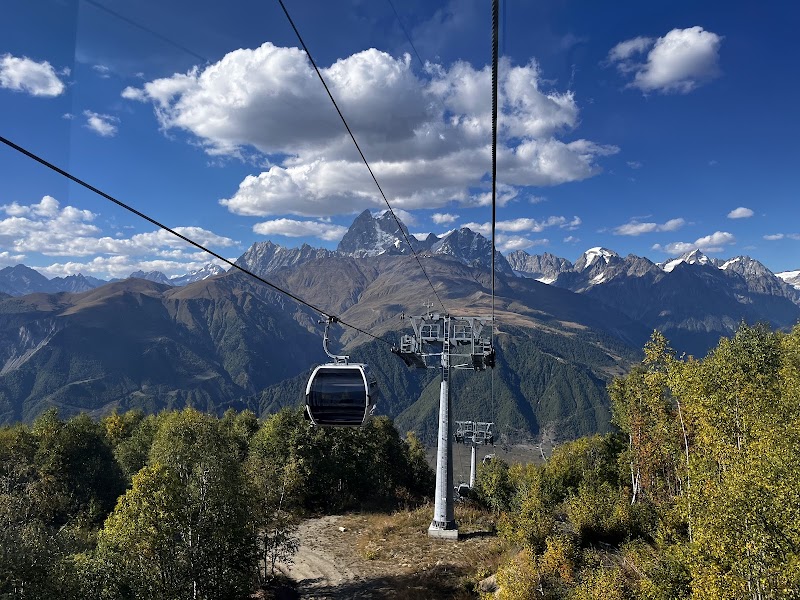
Hatsvali Cable Car & Zuruldi Ridge Viewpoint
Hatsvali · 150 minMoney-Saving Tips
- 1.Guesthouse meals cost 15-20 GEL and include massive portions of local specialties
- 2.Rent 4WD vehicles directly from locals for 150-200 GEL per day instead of tour companies
- 3.Stock up on supplies in Zugdidi before the mountain drive — prices double in Mestia
- 4.Many hiking trails are free, but hiring local guides costs 50-100 GEL for safety on glacier routes
- 5.Cable car tickets are cheaper if you buy round-trip (15 GEL vs 10 GEL each way)
- 6.Shared marshrutkas to Ushguli cost 25 GEL vs 200+ GEL for private transport
Travel Tips
- •Download offline maps — cell service disappears quickly outside town center
- •Pack layers even in summer; mountain weather changes fast and temperatures drop at night
- •Learn basic Georgian phrases; English isn't common outside tourist guesthouses
- •Bring cash in Georgian Lari — no ATMs work reliably and cards aren't accepted everywhere
- •Book accommodation ahead during July-August; options fill up quickly in peak season
- •Check road conditions before driving to remote villages — landslides close routes regularly
- •Respect Svan towers as private property; many are still family homes, not tourist attractions