Mexico City
Vibrant megalopolis blending ancient Aztec heritage with modern culture
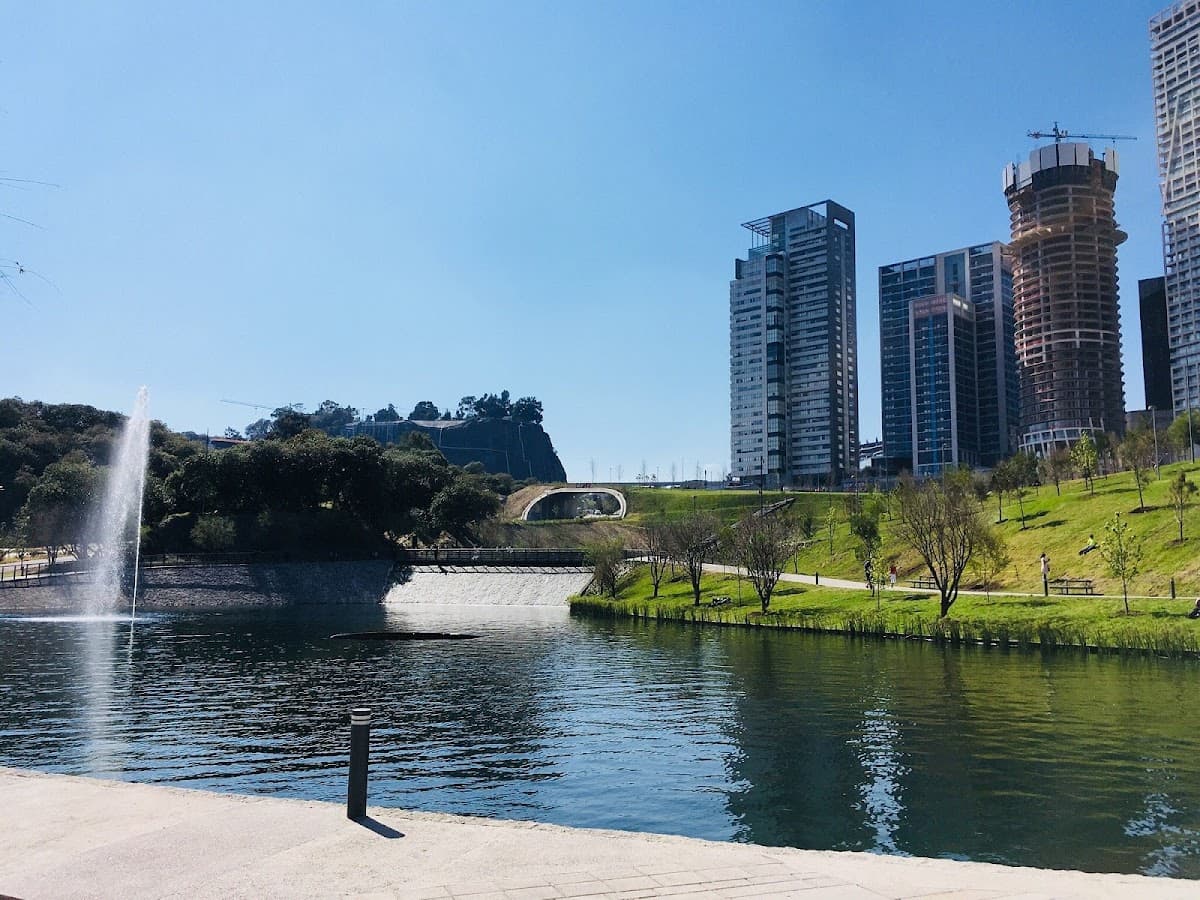
Mexico City hits different than anywhere else on Earth. Here's a place where you can eat world-class tacos for 50 pesos, then walk into a museum housing Diego Rivera murals worth millions. The air is thin at 7,350 feet, the traffic is legendary, and the energy is absolutely electric.
This isn't just another Latin American capital. CDMX (as locals call it) is a 21-million-person megalopolis built on top of an ancient Aztec lake. You'll find cutting-edge galleries in converted mansions, mezcal bars hidden behind taco shops, and some of the most creative chefs on the planet working out of neighborhoods that were sketchy just a decade ago.
Look, Mexico City can be overwhelming. The sheer scale, the noise, the complexity of navigating 16 different boroughs. But that's exactly what makes it magnetic. Every corner reveals something unexpected — a mariachi band in the subway, a rooftop bar overlooking the sprawling valley, a family-run restaurant that's been perfecting their mole recipe for three generations.
Best Months
JAN · FEB · MAR · APR · OCT · NOV · DEC
~23°C · moderate crowds
Culture & Context
FAST-TALKING CHILANGO CITY
Mexico City sits at 2,250 meters above sea level. Most visitors feel the altitude on day one. Drink extra water, skip the five tequila shots on your arrival night, and pace yourself. The metro area holds over 21 million people, making CDMX one of the largest cities on the planet. And yet its distinct neighborhoods keep it from feeling unmanageable. Each colonia has its own personality.
The city runs on its own clock. Dinner doesn't really start until 9 or 10 PM. Traffic on Reforma can add 45 minutes to what looks like a 15-minute drive on Google Maps. The earthquake alarm system is real and it goes off during annual drills: if you hear it, don't panic. Follow locals out of buildings calmly and move away from structures.
Locals are called chilangos. The city formerly known as D.F. (Distrito Federal) officially became CDMX in 2016. You'll still hear both names, especially from older residents. Chilangos talk fast and use slang heavily. English is more common in Roma Norte and Polanco. Not so much on the Metro or in traditional markets. Basic Spanish goes an enormous distance here. People genuinely light up when a visitor tries.
Here's the thing about gentrification: it's real and it's controversial. Roma, Condesa, and Polanco have seen rents climb roughly 9% year-over-year as of early 2026, driven partly by the large influx of remote workers earning in dollars. Locals are aware of this. Travel with some humility about that dynamic.
Local Customs
BUENOS DÍAS FIRST, ALWAYS
Always greet with buenos días (before ~11 AM), buenas tardes (until dusk), or buenas noches (after dark) before any transaction or request, even if you only speak that one phrase. Locals notice when visitors skip straight to demanding service.. Greet acquaintances with a single cheek kiss (mejilla).
Strangers and new professionals get a handshake. If you're unsure, follow the other person's lead.. Tip 10-15% at restaurants, in cash when possible.
Leave it on the table or hand it directly to your server. Tipping on card terminals is less common and staff may not see it the same way.. Mexican time is real.
Social dinners and casual meetups run 15-30 minutes late as a baseline. Business appointments are different — arrive on time for those.. Bargaining is accepted at artisan markets like Mercado de la Ciudadela and street tianguis.
At stores and regular restaurants, prices are fixed. Trying to negotiate at a sit-down restaurant is considered rude.. On public transport, priority seats (near the doors) are reserved for elderly, pregnant, and disabled riders.
Give them up immediately if someone who needs it boards.. Use usted (formal) with strangers, older people, and professionals. Switch to tú once someone signals familiarity.
Jumping straight to tú with someone you've just met can read as rude.. If a chilango gives you directions they're uncertain about, they may point you in any direction rather than say 'I don't know' — it's politeness, not malice. Always corroborate with your phone..
Dinner happens late. If you show up hungry at 7 PM, many top restaurants haven't hit their stride yet. 9 PM is normal.
10 PM is perfectly fine.
Safety
WATCH YOUR PHONE
The US State Department gives Mexico City a Level 2 rating ("Exercise Increased Caution"). For context, that's the same as France. The real day-to-day concern is petty theft: phone snatching by moto-ladrones (motorbike thieves) is the most common incident affecting tourists. Never walk holding your phone out while navigating. Step into a shop doorway to check your maps, then keep moving.
Safe neighborhoods for visitors: Roma Norte, Condesa, Polanco, Coyoacán, San Ángel, and the main tourist zone of Centro Histórico during daylight. Centro gets noticeably less comfortable after dark as you move away from the Zócalo. Iztapalapa has no tourist attractions and no reason to visit.
Do not hail street taxis. Use Uber or DiDi for every ride. The airport arrival hall has people actively approaching passengers with ride offers. All of them are unofficial. Walk past them and book via the app. Match the license plate before you get in the car.
Don't drink tap water. Eat from busy street stalls with high turnover. Avoid stalls where the same person handles raw meat and tortillas, or where food sits in direct sun.
Pickpocketing is most common on the Metro during rush hour. Keep bags in front of you, phones in pockets. The Zócalo-area restaurants have a reputation for overpriced tourist traps, especially those overlooking the cathedral. Eating one block away from any major landmark usually gets you a better meal at half the price.
Getting Around
METRO & UBER ONLY
The Metro costs 6 MXN per ride (about 30 cents) on a rechargeable card. Buy the card at any station for 15 MXN upfront and load it with however much you want. It works on Metro, MetroBús, and Ecobici. The system has 12 lines and 163 stations and is one of the largest in the Americas. But: it gets crushingly crowded from 7-9 AM and 6-9 PM. Women-only carriages are painted pink and sit at the front of each train. Large luggage is technically prohibited during peak hours. After midnight, the Metro stops running. Switch to Uber.
Uber and DiDi are the workhorses. An average ride within central neighborhoods (Roma, Condesa, Polanco, Centro) runs about $4-5 USD. Always book in-app, match the license plate before you open the door, pay by card in-app. If a driver texts asking you to cancel and pay cash another way, just cancel and rebook. Sit in the back seat, especially solo at night.
Never hail a street taxi in CDMX. The history of pirate taxi crime is real. Use Uber, DiDi, or a sitio (authorized taxi stand). This rule is almost unique to Mexico City among major Mexican cities.
The MetroBús runs on dedicated bus lanes along Insurgentes and other major corridors for 6 MXN. Good option when it lines up with your route. Every Sunday, Paseo de la Reforma shuts to traffic for the Ciclovía. Rent an Ecobici and experience one of the best urban cycling events in Latin America for free.
Don't rent a car. Traffic in CDMX is genuinely brutal, parking is expensive, and the Metro plus Uber handle everything better. Airport note: Mexico City has two airports. Most international flights land at Benito Juárez (MEX). Budget carriers increasingly use Felipe Ángeles (NLU), which is 45km north and a 90-120 minute trip to the center. Check your ticket carefully before you book ground transport.
Useful Phrases
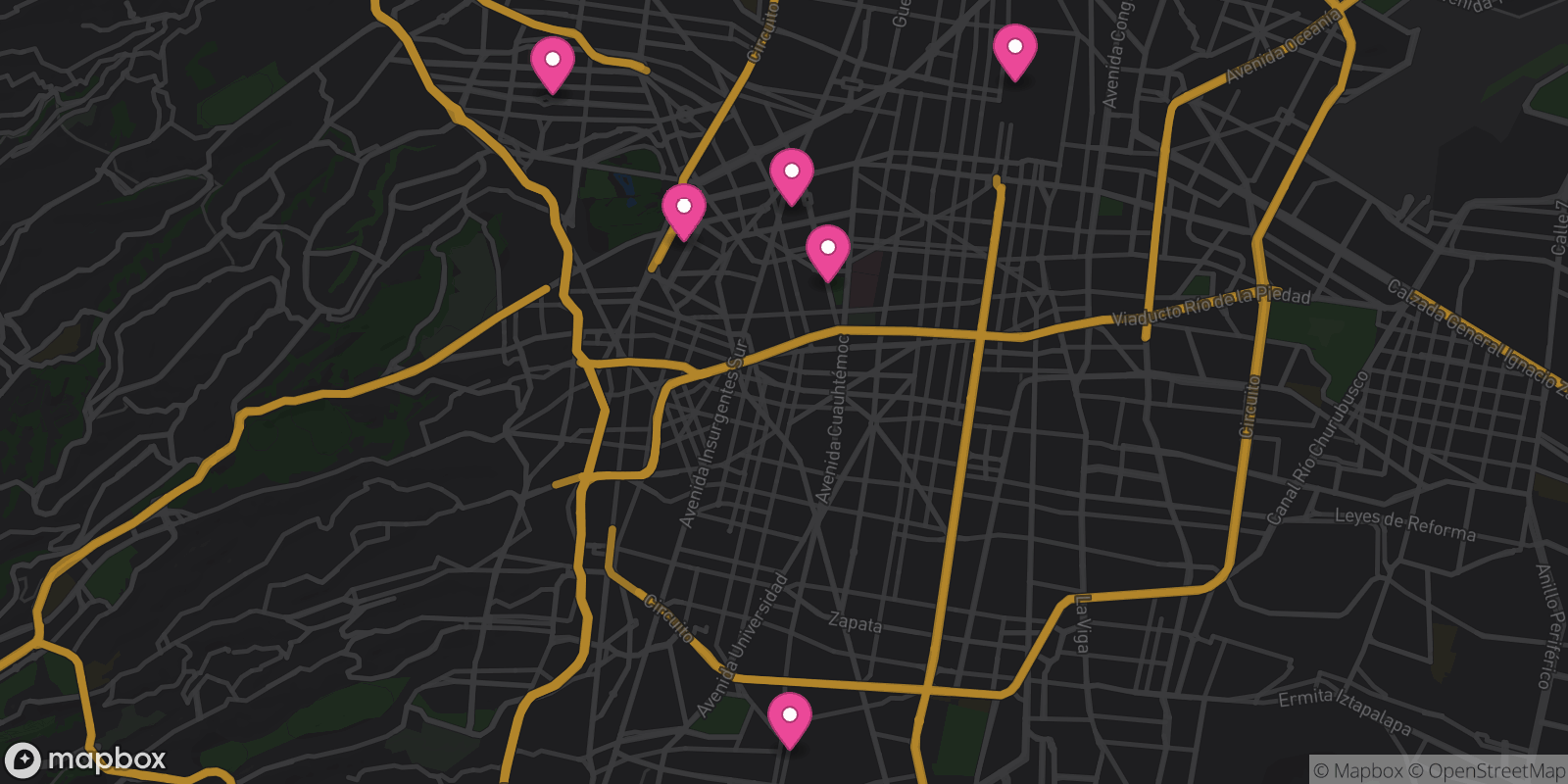
Explore Neighborhoods


Explore the Region
Mexico City Itineraries
View all
Six Balanced Days of Food, Art, and CDMX Nights
Weekend · $$$
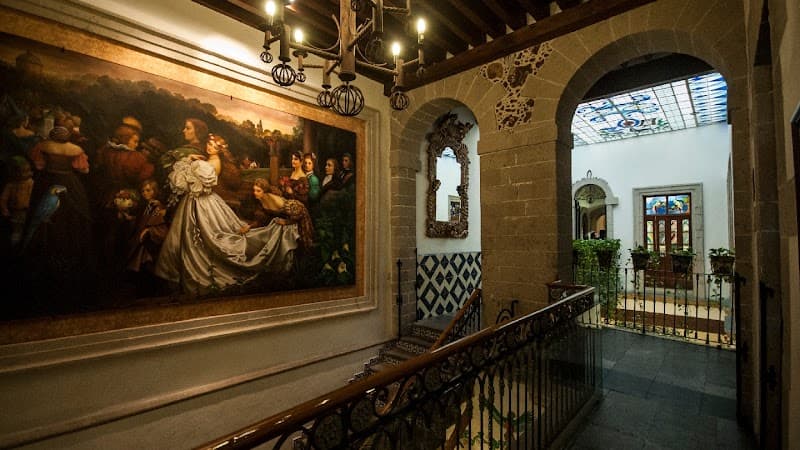
Slow & Stylish Week in Mexico City for Two
Week · $$$$
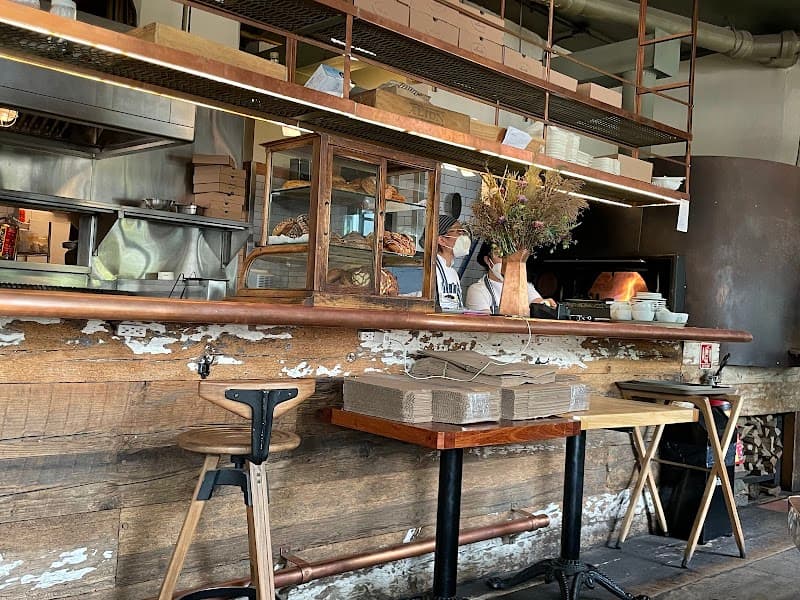
Mexico City in 7 Days: Food, Markets, Nature, and Style
Week · $$$

One Adventurous Day Through Timeless Roma
Weekend · $$

Slow Sips & Bites in the Heart of Roma
Weekend · $$
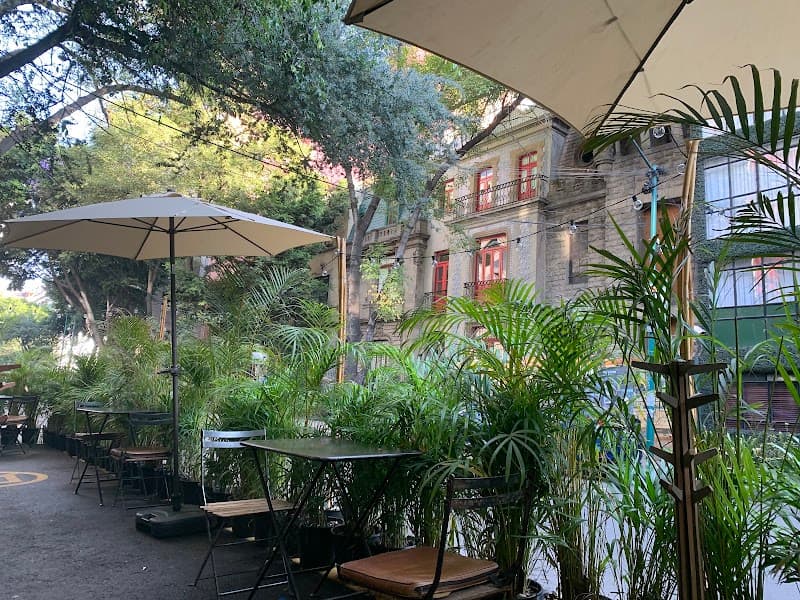
Mexico City Slow-Flow Escape for Food, Design, and Green Space
Week · $$$
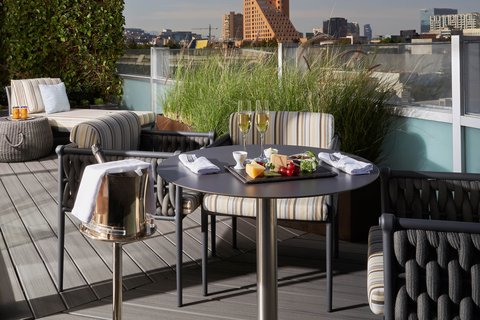
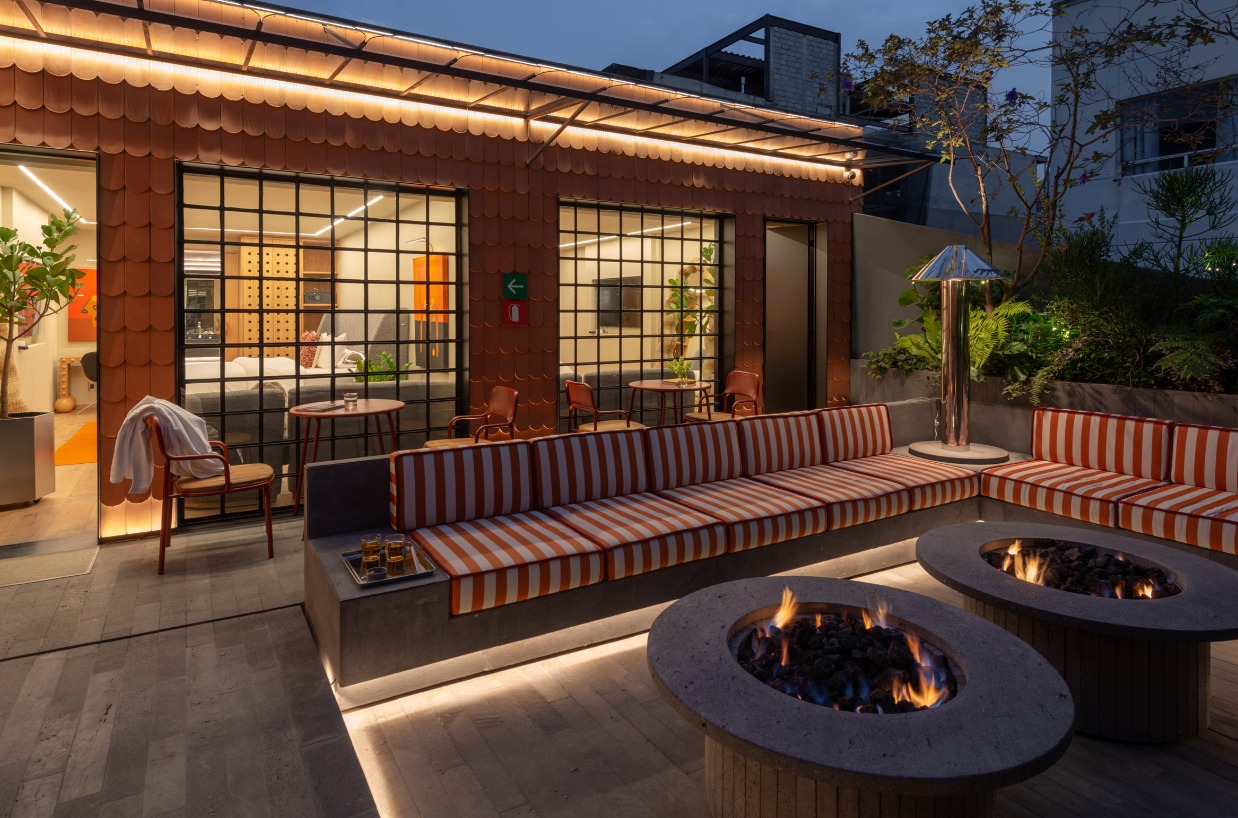
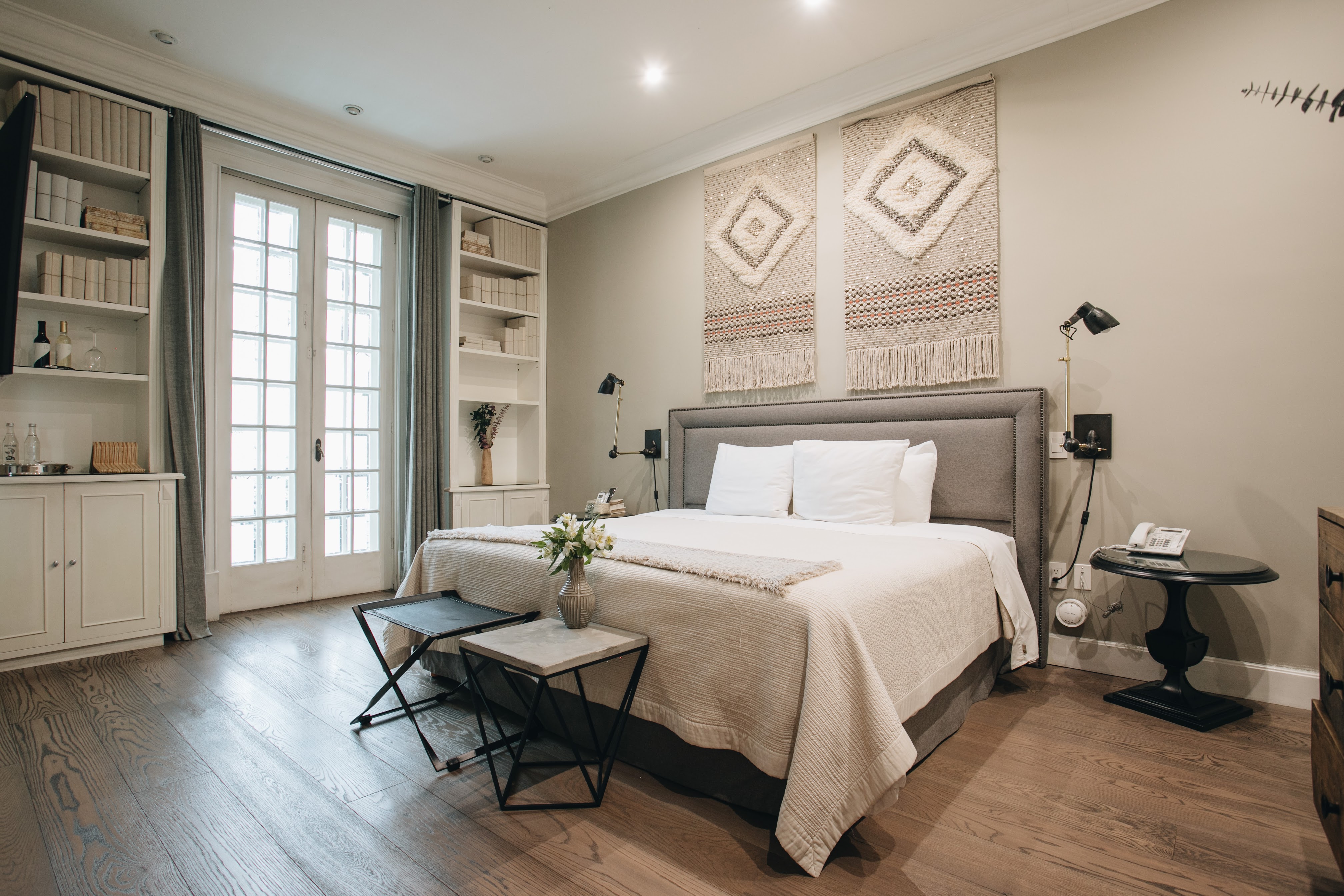
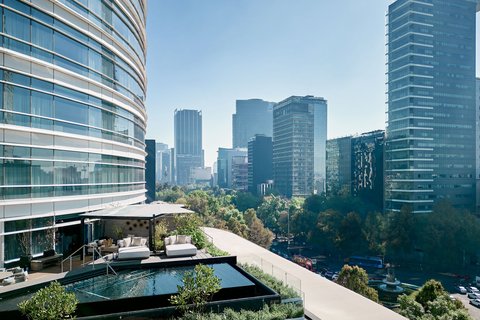
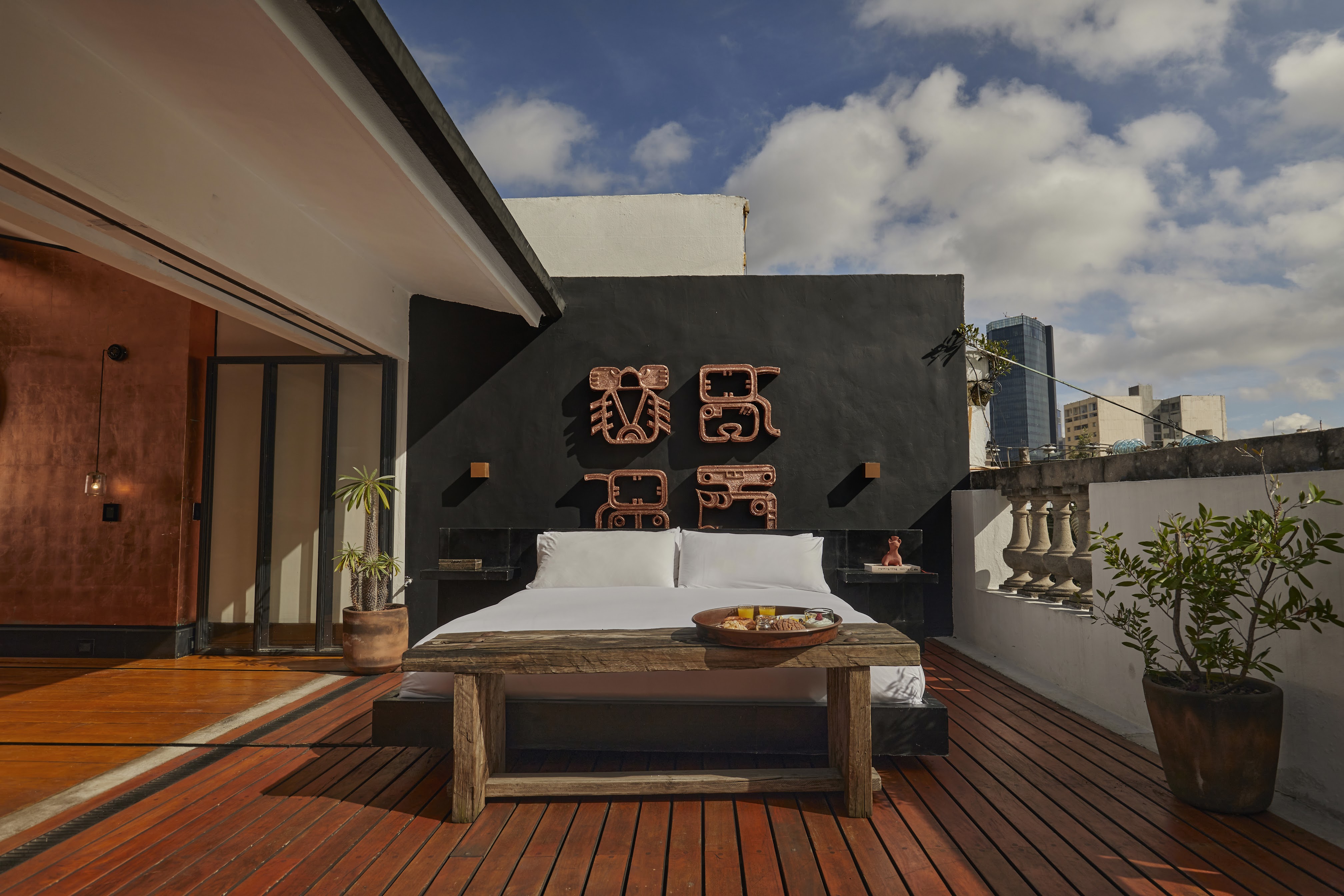
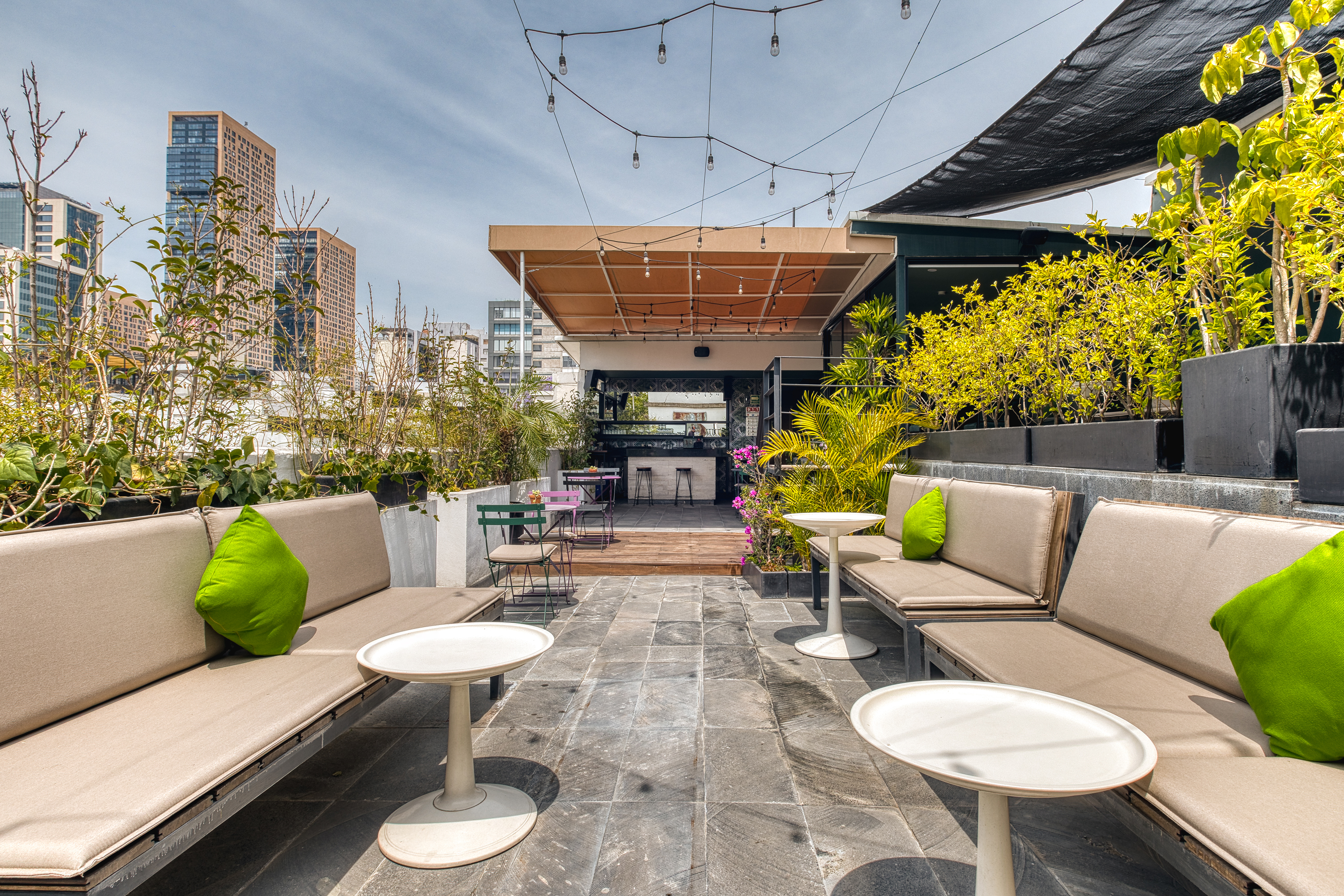
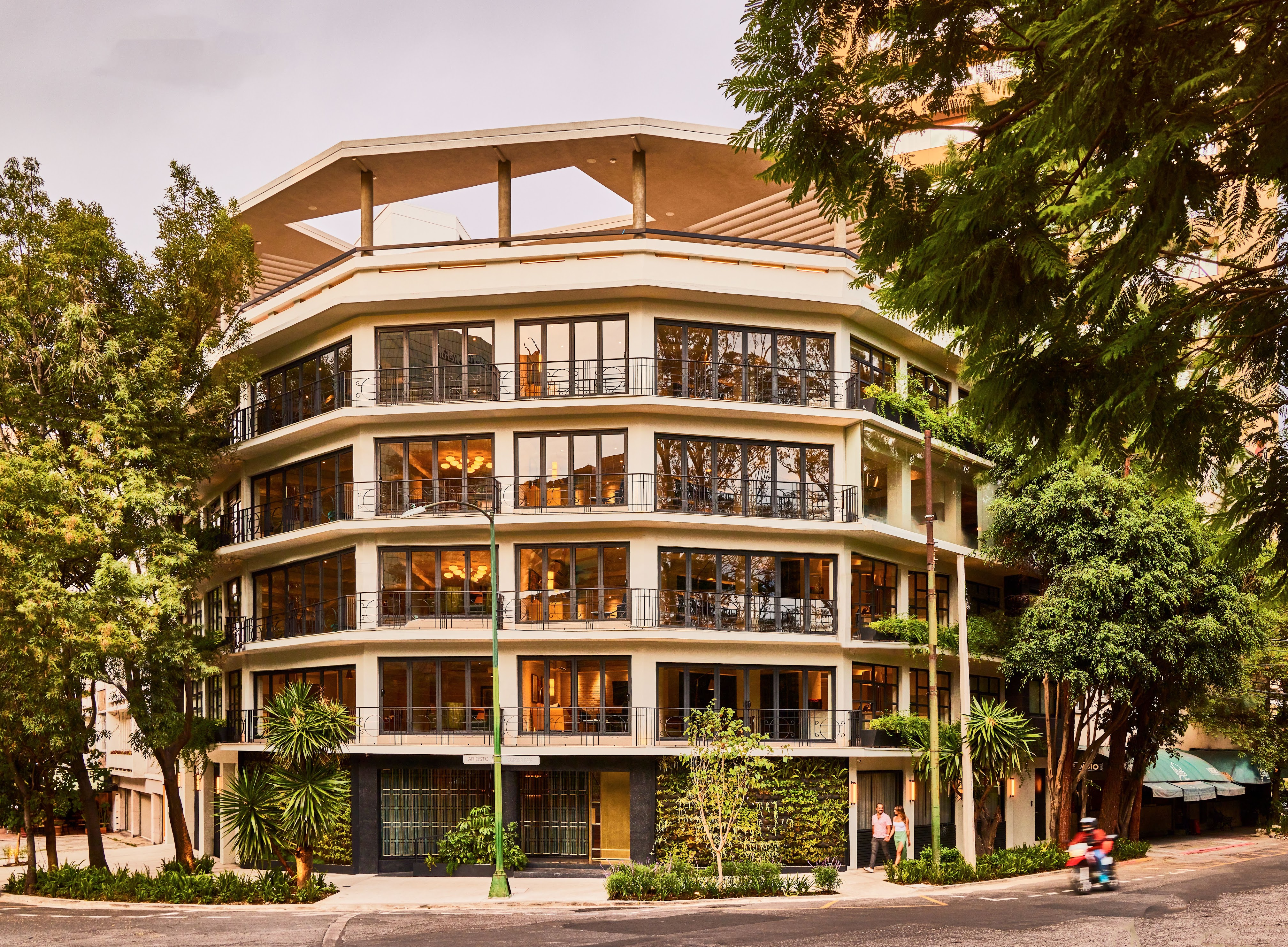
Where to Stay in Mexico City
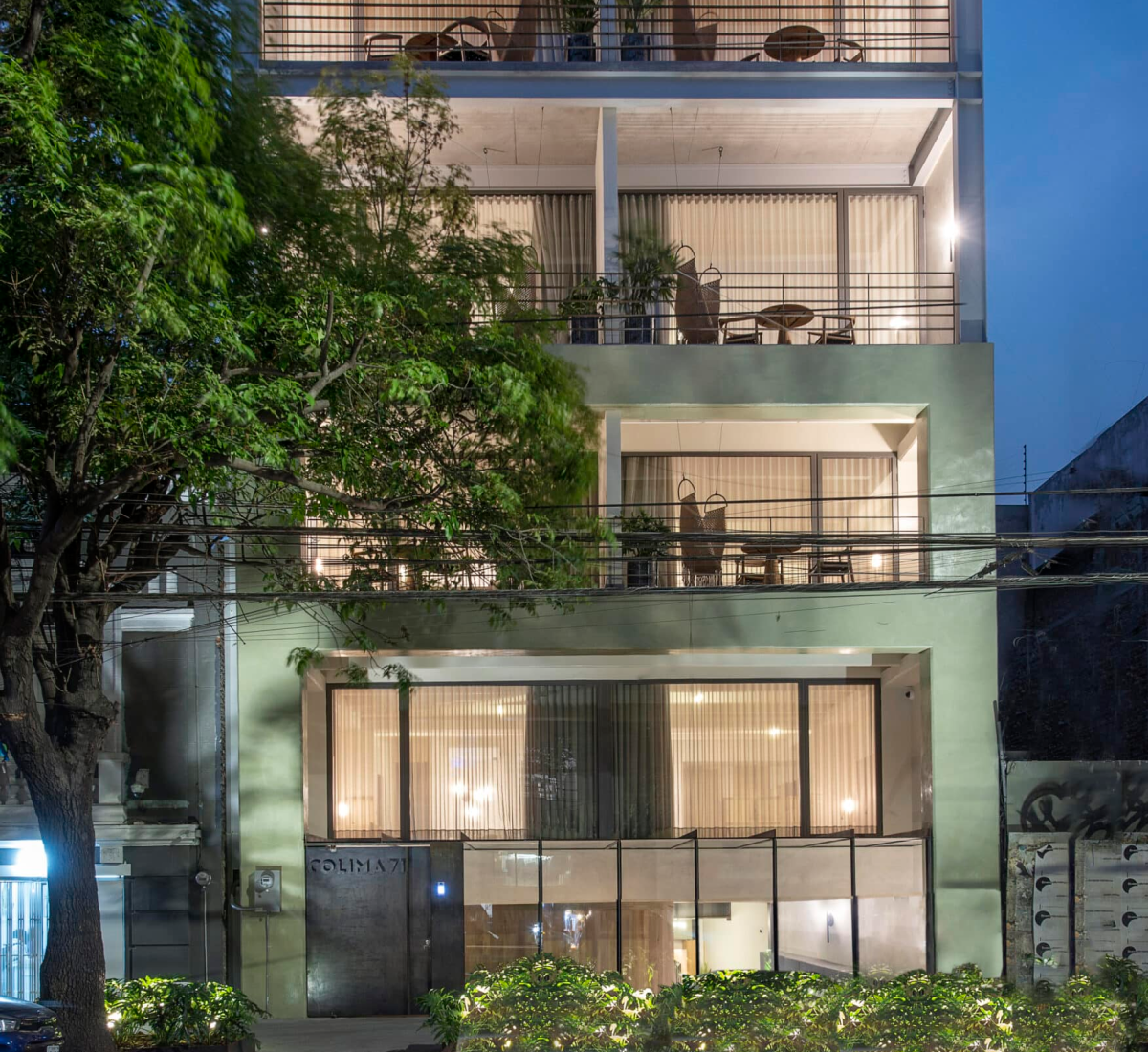
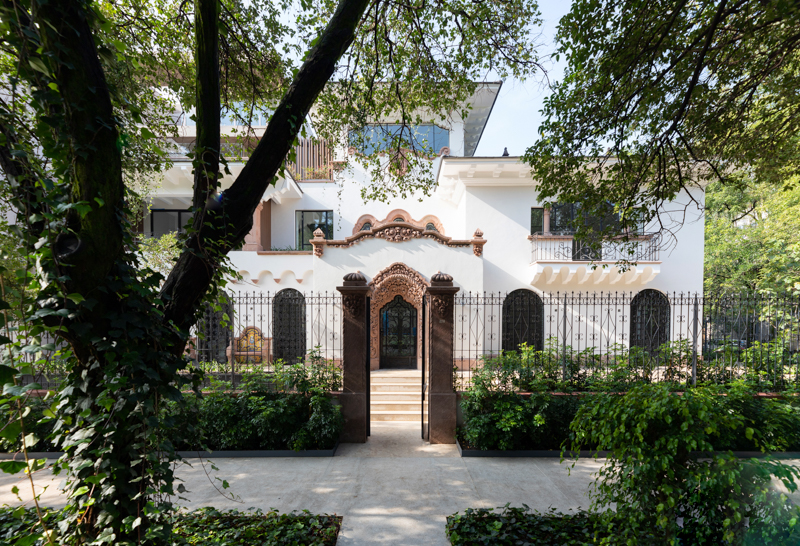
9 recommended properties
Things to Do in Mexico City
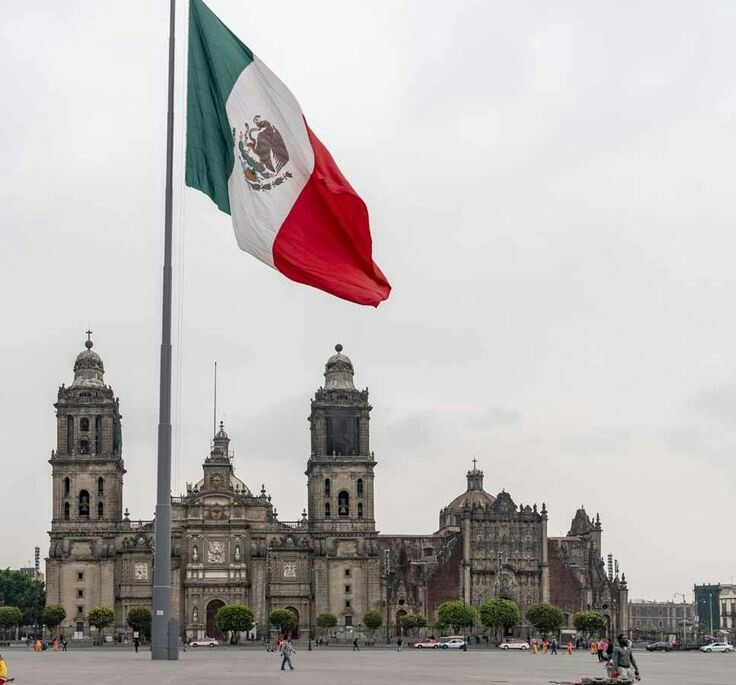
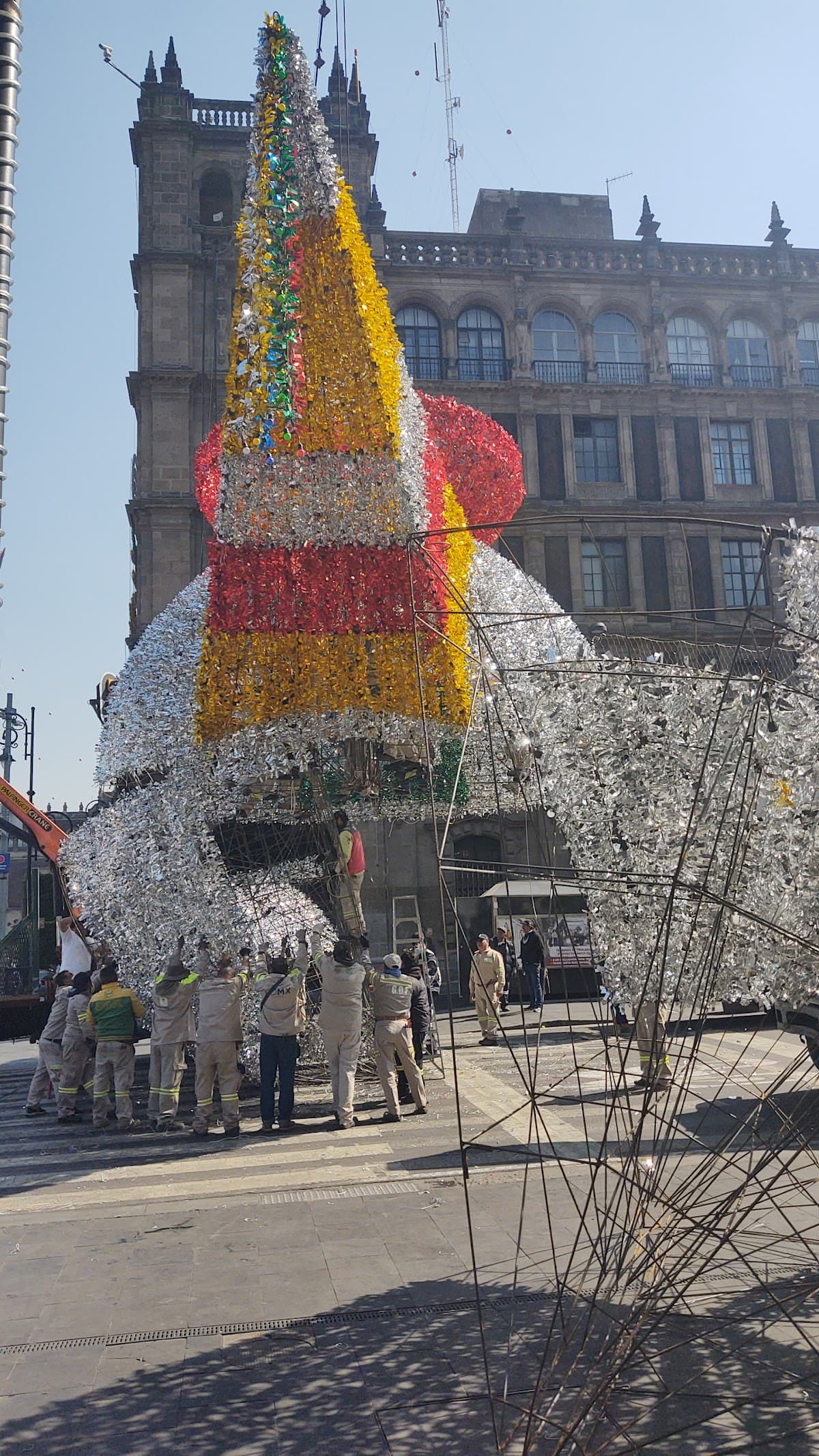
Zocalo & Cathedral
Centro Historico · 120 min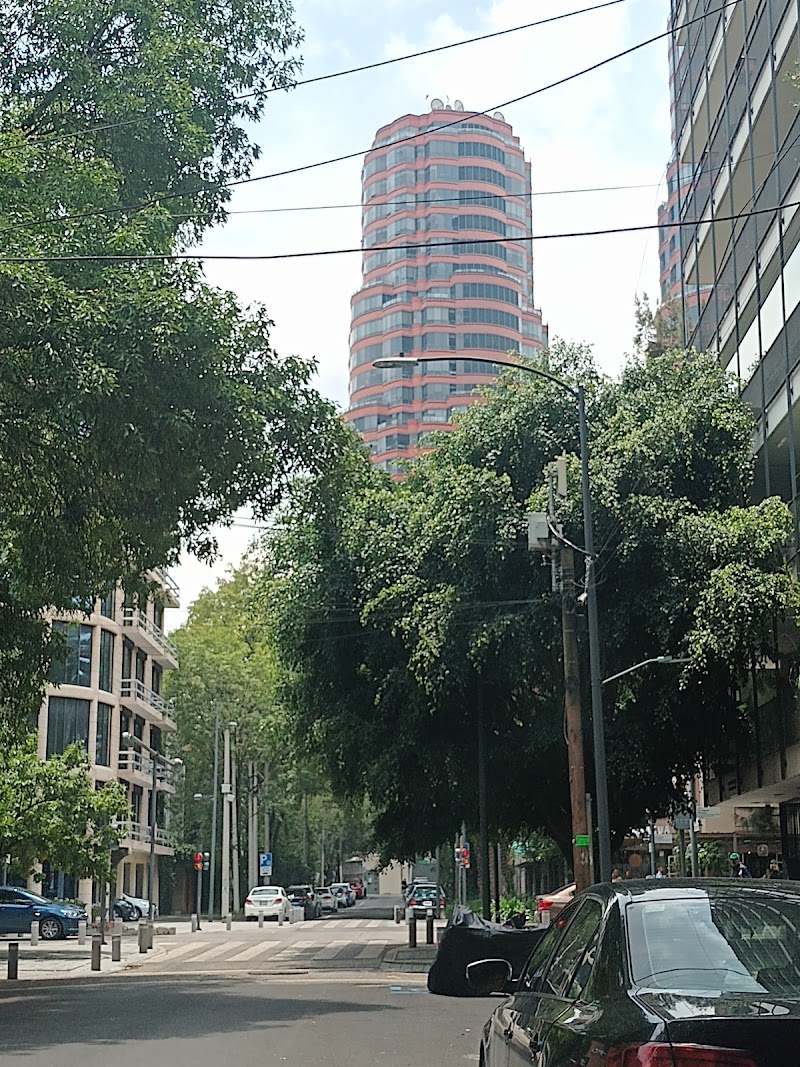
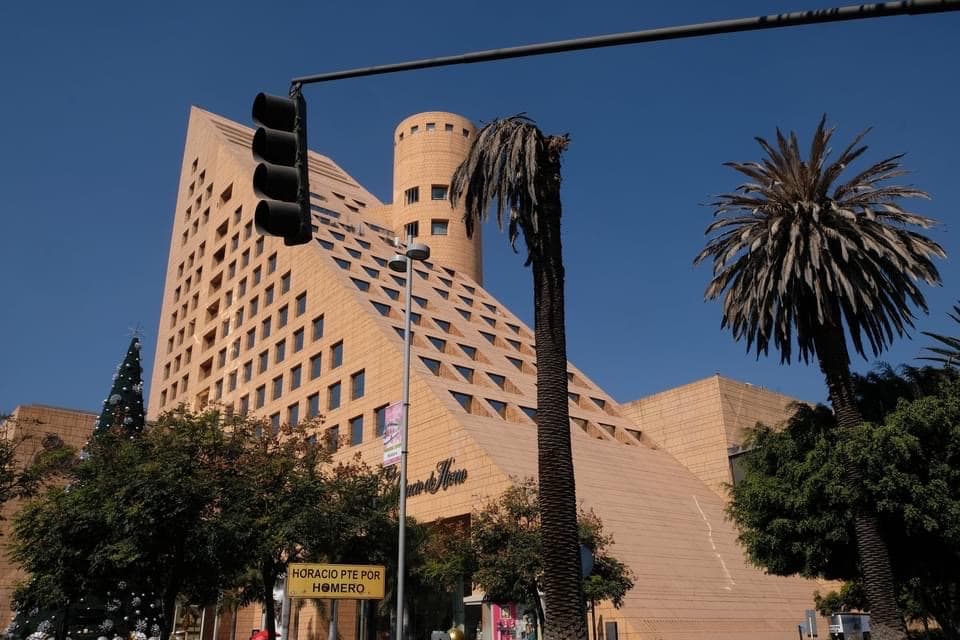
Polanco Avenue Shopping
Polanco · 120 min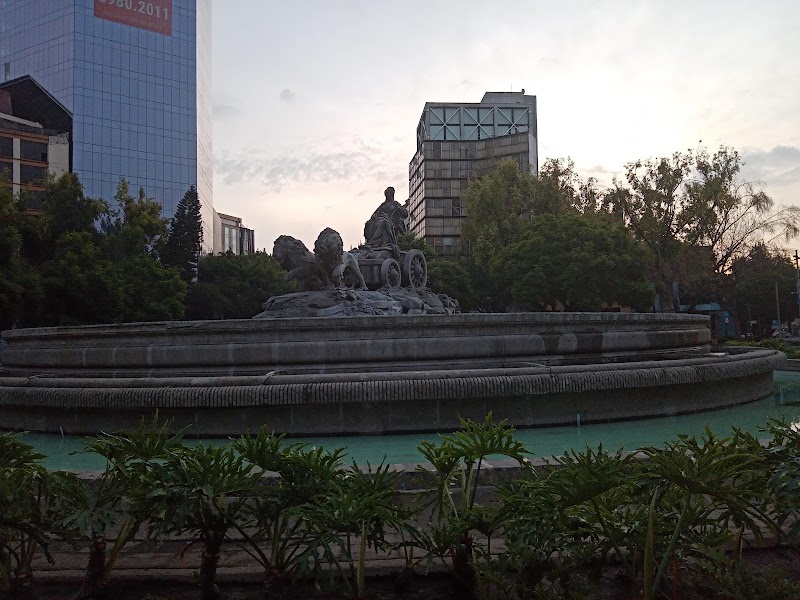
Roma Norte Street Art & Boutiques
Roma Norte · 90 minMoney-Saving Tips
- 1.Street tacos cost 15-25 pesos each — eat like locals do and save hundreds on food
- 2.Buy a Metro rechargeable card for 12 peso rides anywhere in the city (vs $15+ Uber rides)
- 3.Hotel prices drop 30% during rainy season (May-September) with minimal impact on sightseeing
- 4.Municipal museums cost just 30 pesos vs 200+ for major attractions like Anthropology Museum
- 5.Eat your main meal at lunch — many restaurants offer 3-course 'comida corrida' menus for 80-120 pesos
- 6.Buy groceries at Mercado Medellín instead of tourist-focused Mercado Roma — same quality, half the price
- 7.Free walking tours run daily from Zócalo — tip what you think it's worth at the end
- 8.Pulquerías charge 30-40 pesos for traditional drinks vs 150+ at trendy mezcal bars
Travel Tips
- •Download offline maps — cell service can be spotty in the Metro underground
- •Carry small bills — many street vendors can't break 500 peso notes
- •Learn basic Spanish numbers for ordering food and negotiating prices
- •The altitude hits everyone differently — take it easy your first day and drink extra water
- •Avoid tap water in street stalls but it's fine in established restaurants and hotels
- •Keep copies of your passport — some bars and clubs require ID even for foreigners
- •Traffic is unpredictable — always allow extra time for important appointments
- •Tipping is expected: 10-15% at restaurants, 10-20 pesos for hotel staff, round up for taxi drivers
- •Many museums close on Mondays — plan your cultural visits for Tuesday through Sunday
- •Use official taxi stands at airports and bus stations to avoid scams