Nara
Ancient temples and sacred deer in Japan's first capital
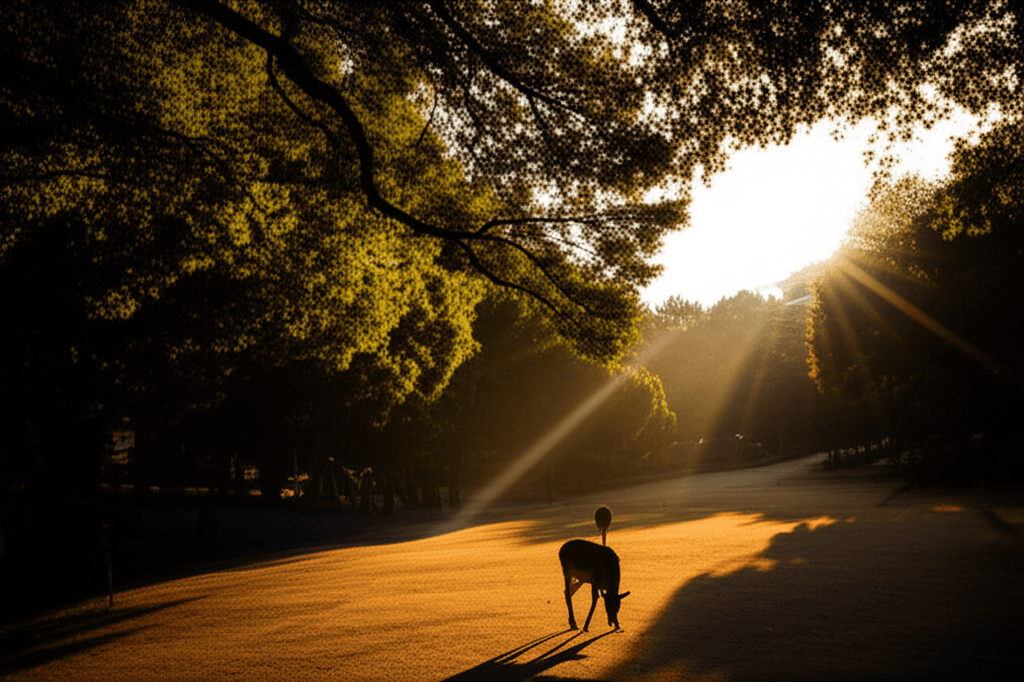
Nara gets overshadowed by Kyoto and Tokyo, but here's the thing — Japan's first capital packs more history into a single park than most cities manage in their entire footprint. Picture this: 1,200 deer roaming freely around temples that predate most European cathedrals, while monks go about their daily prayers just meters away from families feeding crackers to curious fawn.
The deer aren't just a tourist gimmick. They're considered sacred messengers of the gods, and they've been bowing for treats (yes, actually bowing) since the 8th century. But Nara offers more than Instagram-worthy deer selfies. Todai-ji Temple houses one of Japan's largest bronze Buddha statues — so massive that schoolchildren traditionally crawl through a pillar hole said to grant enlightenment.
Look, you can see Nara's highlights in a day trip from Kyoto, but staying overnight means you'll have Nara Park to yourself at sunrise, when the deer are most active and the temples glow in golden light. Plus, the local specialty — kakinoha-zushi (persimmon leaf sushi) — tastes better when you're not rushing to catch the last train back.
Best Months
MAR · APR · MAY · SEP · OCT · NOV
~21°C · high crowds
Culture & Context
ANCIENT CAPITAL, UNTOUCHED TEMPLES
Nara was Japan's first permanent capital, established in 710 AD at Heijokyo. The government uprooted and moved to Kyoto in 784, largely because the Buddhist monasteries here had gotten too politically powerful. That exit turned out to be a gift: Nara was spared the conflicts that wrecked other strategic cities, so the temples and shrines you're walking through are genuinely ancient, not reconstructions.
The city sits in the Kansai region, less than an hour from both Kyoto and Osaka by train, which makes it an easy day trip. But most people underestimate it. Come for the deer, stay for everything else.
Over 1,200 sika deer roam freely through Nara Park, treated as messengers of the gods in Shinto tradition and designated as a National Treasure of Japan. They've been here for over 1,300 years. Modern ones have even learned to use pedestrian crossings.
Eight UNESCO World Heritage Sites are scattered across the city, including Todaiji Temple with its 15-meter Great Buddha (the largest bronze Buddha in Japan) and the primeval forest behind Kasuga Shrine, where no tree has been cut for 1,000 years.
Local Customs
BOW TO THE DEER
Bow to a deer before offering a cracker. Many of them have learned to bow back. Break crackers into smaller pieces to stretch the pack longer..
Never feed the deer human food. Chips, cookies, fruit, anything from your bag. The Nara City Tourism Office confirms this has caused serious health issues including plastic ingestion.
The ¥200 official crackers are the only option.. The deer can and will headbutt, bite, and chase. In September 2024, 35 people were injured.
Holding food above your head or behind your back makes them aggressive. Show empty hands when you're done and back away slowly.. Remove shoes before entering tatami areas in temples and shrines.
Look for a small step at the entrance as a signal.. No flash photography in sacred spaces. It's posted everywhere but people ignore it.
Don't be that person.. Japan is largely cash-based. Most small shops, street food vendors, and temple ticket offices only take cash.
Bring at least ¥5,000-10,000 in yen per day.. Speak softly in public and dispose of trash in designated bins only. Public bins are rare, so many people carry a small bag for rubbish..
Drones are restricted in Nara Park and around historical sites. Check regulations before flying anything.
Safety
VERY SAFE, WATCH THE DEER
Nara is genuinely one of the safest cities in Japan, which is saying something given Japan ranks 12th globally on the Peace Index. The U.S.
State Department maintains a Level 1 travel advisory for Japan in 2026 (exercise normal precautions). Violent crime against tourists is virtually non-existent. Petty theft is low, though watch your bags at train stations and busy tourist areas.
The biggest safety concern in Nara is not crime. It's the deer. They are wild animals.
In September 2024, 35 people were injured in deer incidents. They headbutt, bite, and charge, especially during autumn mating season. Do not tease them with food, hold food above your head, or let small children feed them unsupervised.
If a deer charges, show empty hands and back away slowly. Do not run. Japan is seismically active.
Download the Safety Tips app (available on iOS and Android) before arrival for real-time earthquake alerts in English. Emergency numbers: 110 for police, 119 for fire and medical. JNTO operates a 24-hour tourist hotline in English at 050-3816-2787.
Nara is safe for solo female travelers at night, but stick to well-lit main streets and check bus schedules before heading out late.
Getting Around
WALKABLE & WELL-CONNECTED
Getting to Nara is straightforward from Kyoto or Osaka. From Kyoto, the JR Nara Line runs directly to JR Nara Station in about 45 minutes for ¥700. From Osaka (Namba), the Kintetsu Osaka Line to Kintetsu Nara Station takes about 40 minutes and costs ¥820.
The Kansai Area Pass (¥2,800 for one day) covers both Kintetsu and JR lines across Osaka, Kyoto, and Nara. Good value if you're moving between cities that day. Inside Nara, almost everything in the main tourist zone is walkable.
The route from Kintetsu Nara Station through Kofuku-ji, across Nara Park, up to Todaiji and Kasuga Taisha is about 3-4 km round trip on foot. For Nishinokyo (Toshodaiji and Yakushiji temples), take the Kintetsu Kashihara Line one stop to Nishinokyo Station. Taxis are available near both stations, but major Japanese taxi apps require a Japanese phone number, which complicates things.
Have the address of your destination written in Japanese if you're hailing a cab. Store luggage at coin lockers in either train station (¥300-700 depending on size) if you're day-tripping with bags. The Shinkansen does not stop in Nara.
Bus services run between Nara and Kyoto/Osaka but train is faster and more reliable.
Useful Phrases
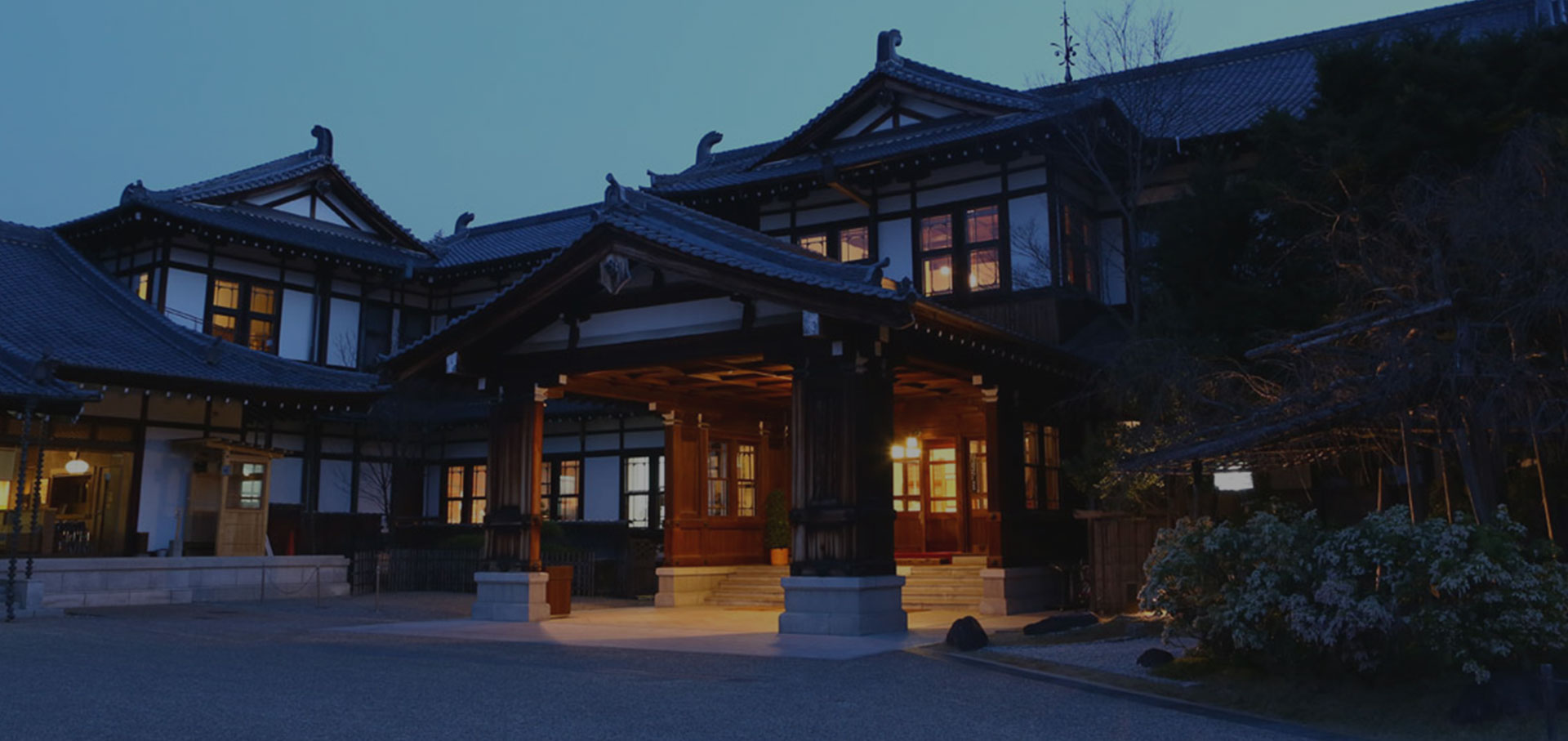
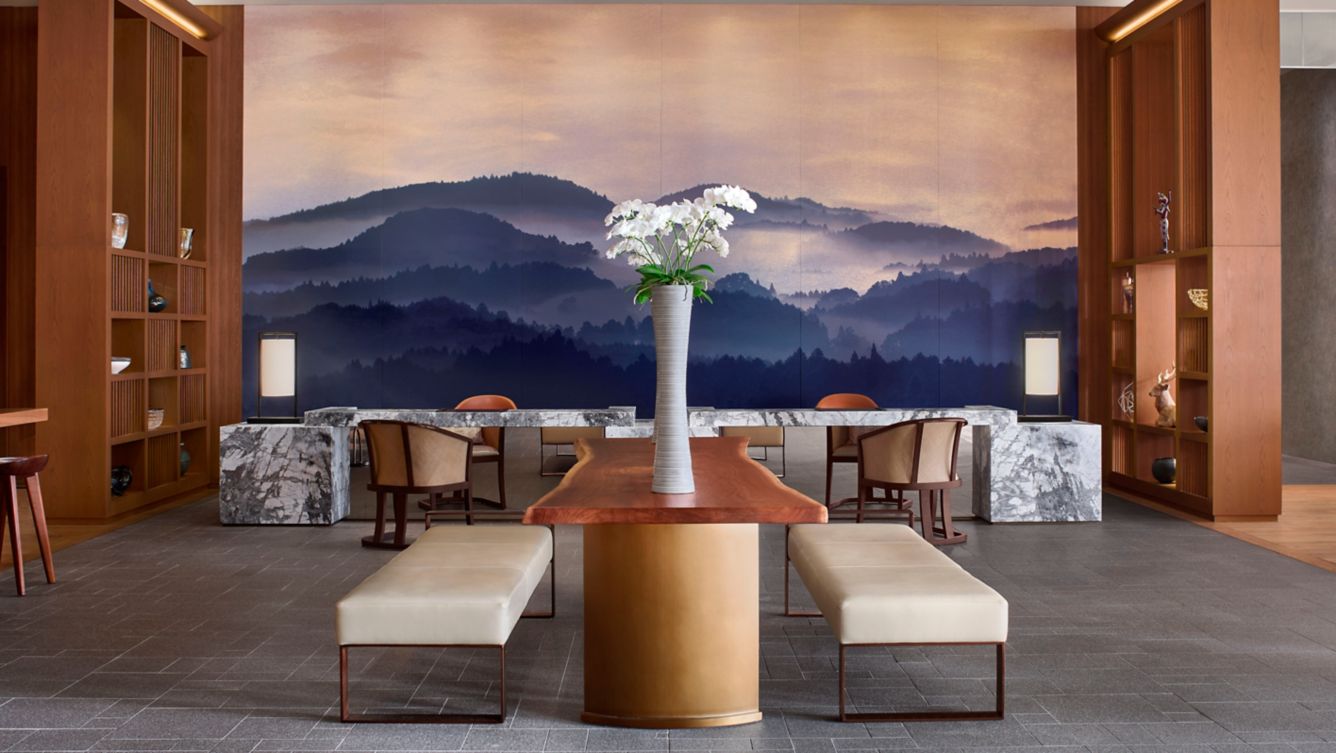
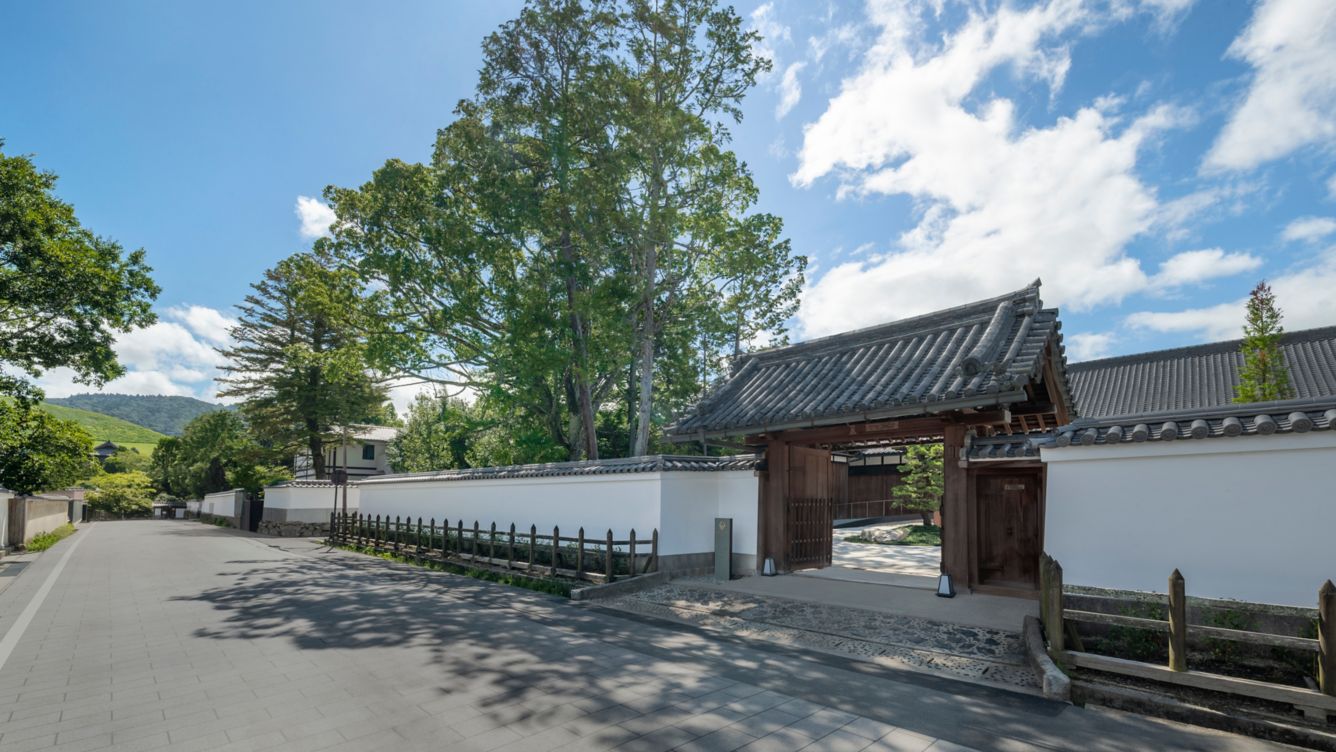
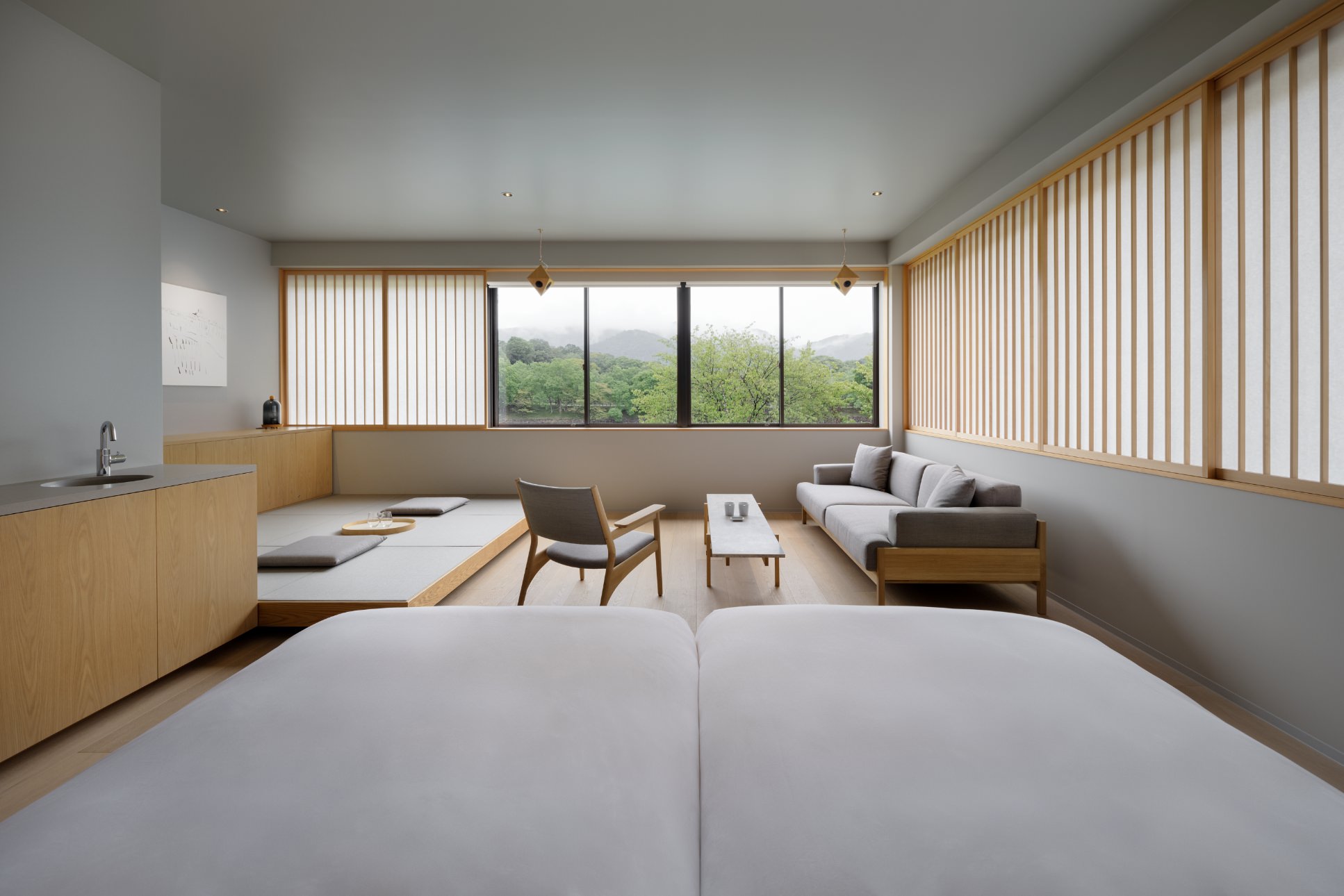
Where to Stay in Nara
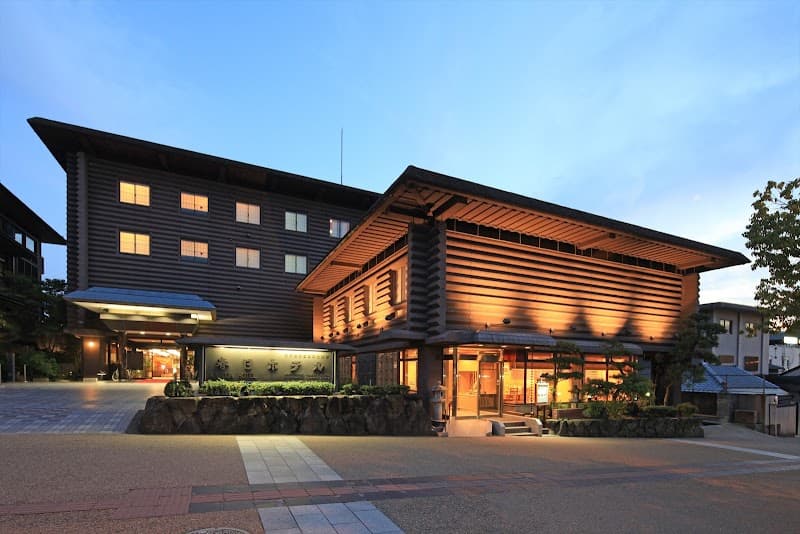
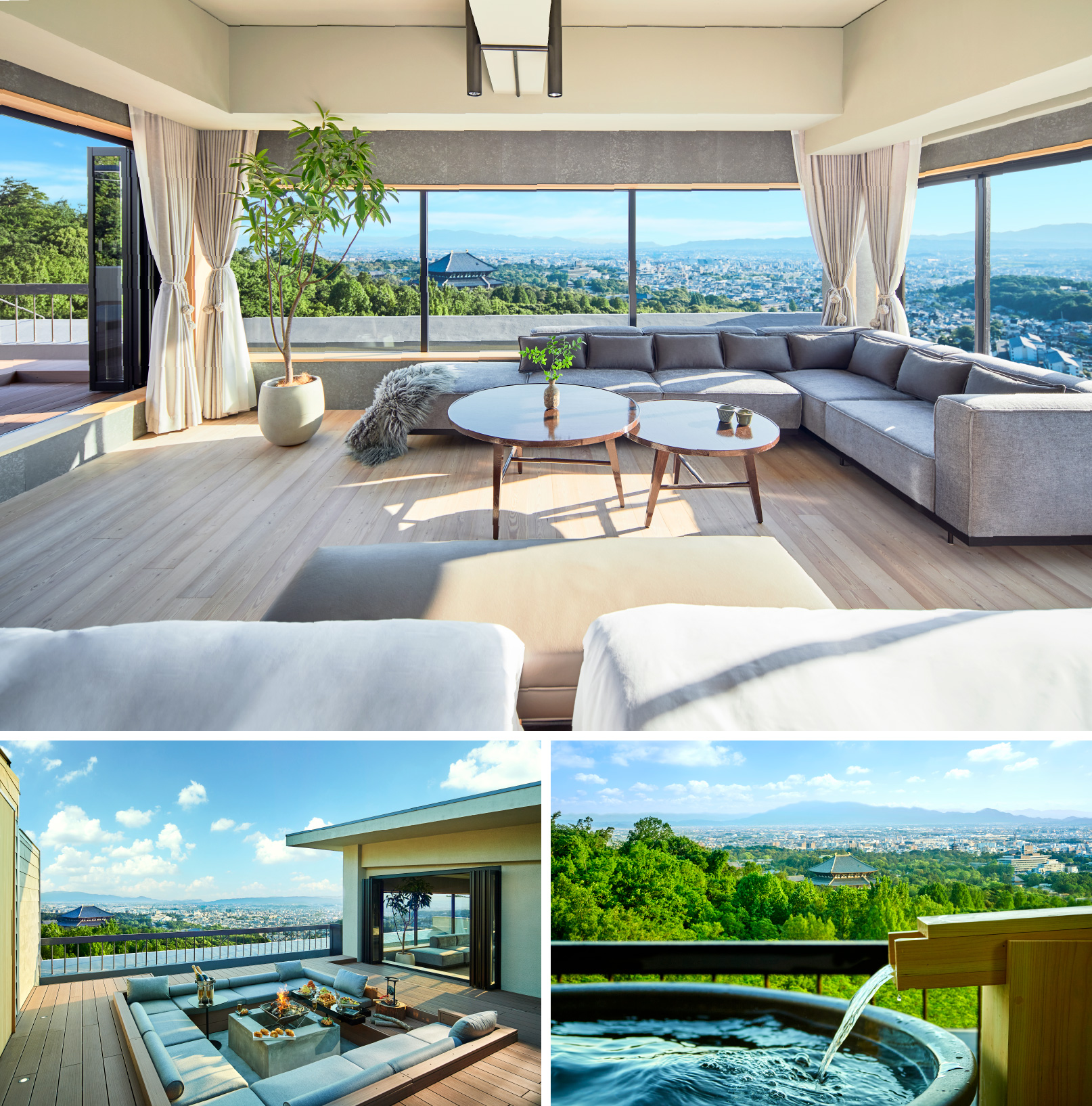
7 recommended properties
Things to Do in Nara
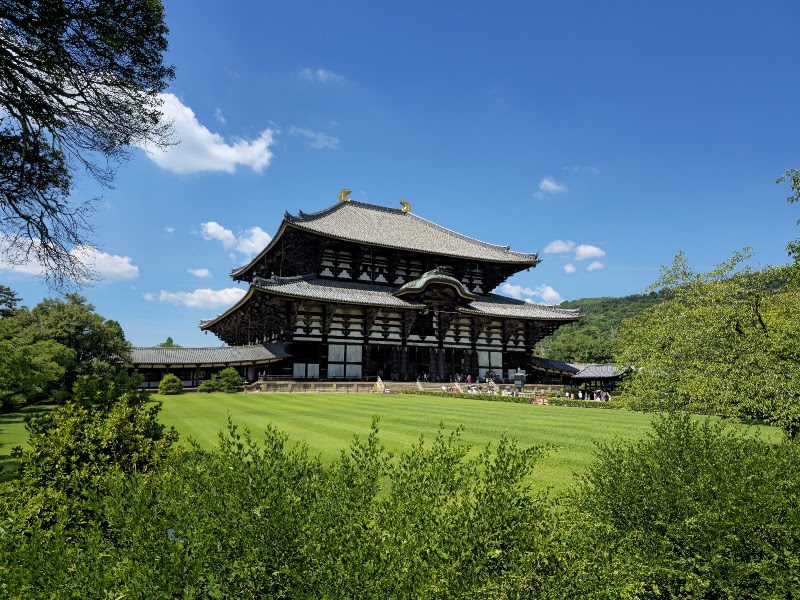
Nara Park
Nara Park · 120 min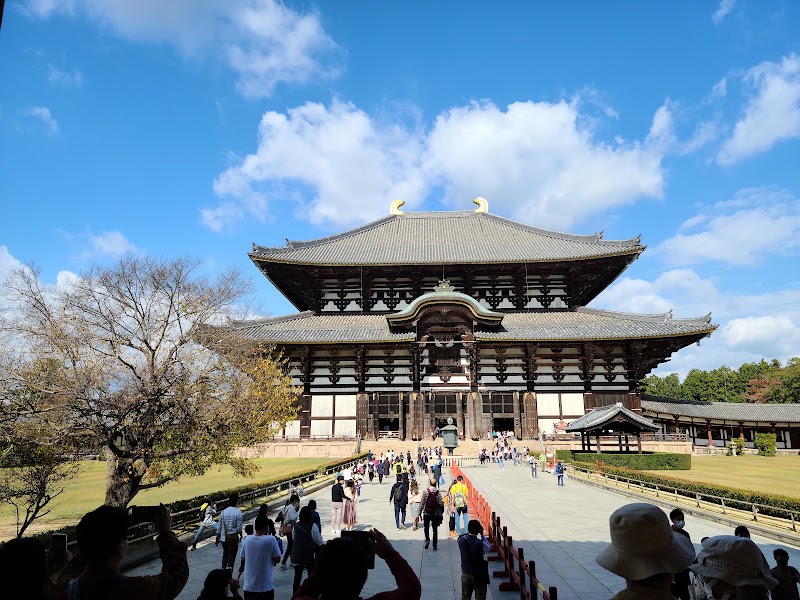
Todai-ji Temple (Great Buddha Hall)
Nara Park · 90 min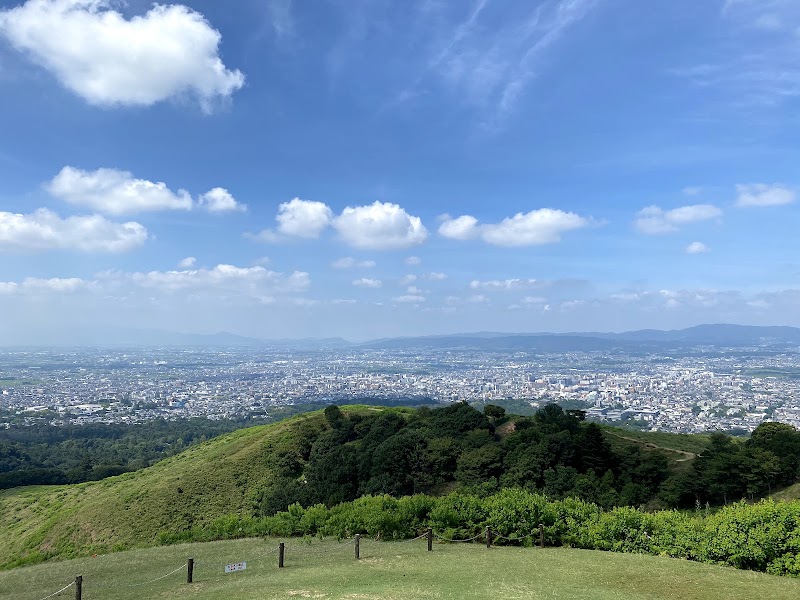
Mount Wakakusa (Wakakusayama)
Nara Park · 90 minMoney-Saving Tips
- 1.Buy the Nara World Heritage Free Area bus pass for ¥500 — it covers all major temples and includes discounts at several attractions
- 2.Pack your own deer crackers (shika senbei) from convenience stores for ¥100 instead of paying ¥200 in the park
- 3.Many temples offer free admission to their grounds — you only pay to enter the main halls, so you can see a lot without spending much
- 4.Stay overnight to avoid expensive day-trip train costs from Kyoto or Osaka, plus hotels here cost 30-40% less than in bigger cities
- 5.Eat lunch at temple restaurants for authentic Buddhist cuisine at half the price of tourist-oriented places
- 6.Visit during weekdays when some attractions offer local resident discounts that foreigners can sometimes access
- 7.Rent a bike instead of taking taxis — most destinations are within 2km of each other and bike rental costs just ¥300-500 per day
Travel Tips
- •Bow to the deer before offering crackers — they've been trained to bow back and will be more gentle if you show respect first
- •Wear clothes without loose pockets or dangling straps — deer will grab and chew anything that looks interesting
- •Visit Todai-ji Temple early morning or late afternoon to avoid tour groups and get better photos with the giant Buddha
- •Download the Nara Park app for real-time deer feeding areas and temple information in English
- •Bring a small towel — temple hand-washing stations rarely provide them, and deer slobber is a real hazard
- •Pack snacks for yourself, not just the deer — restaurant options inside Nara Park are limited and overpriced
- •Wear comfortable walking shoes with good grip — temple paths can be slippery, especially when wet from deer drool
- •Keep your train ticket handy — you'll need it to exit stations, and replacing lost tickets costs extra
- •Learn basic deer safety: don't run if surrounded, keep crackers hidden until ready to feed, and never tease hungry deer