Noosa
Queensland's sophisticated beach paradise with pristine nature
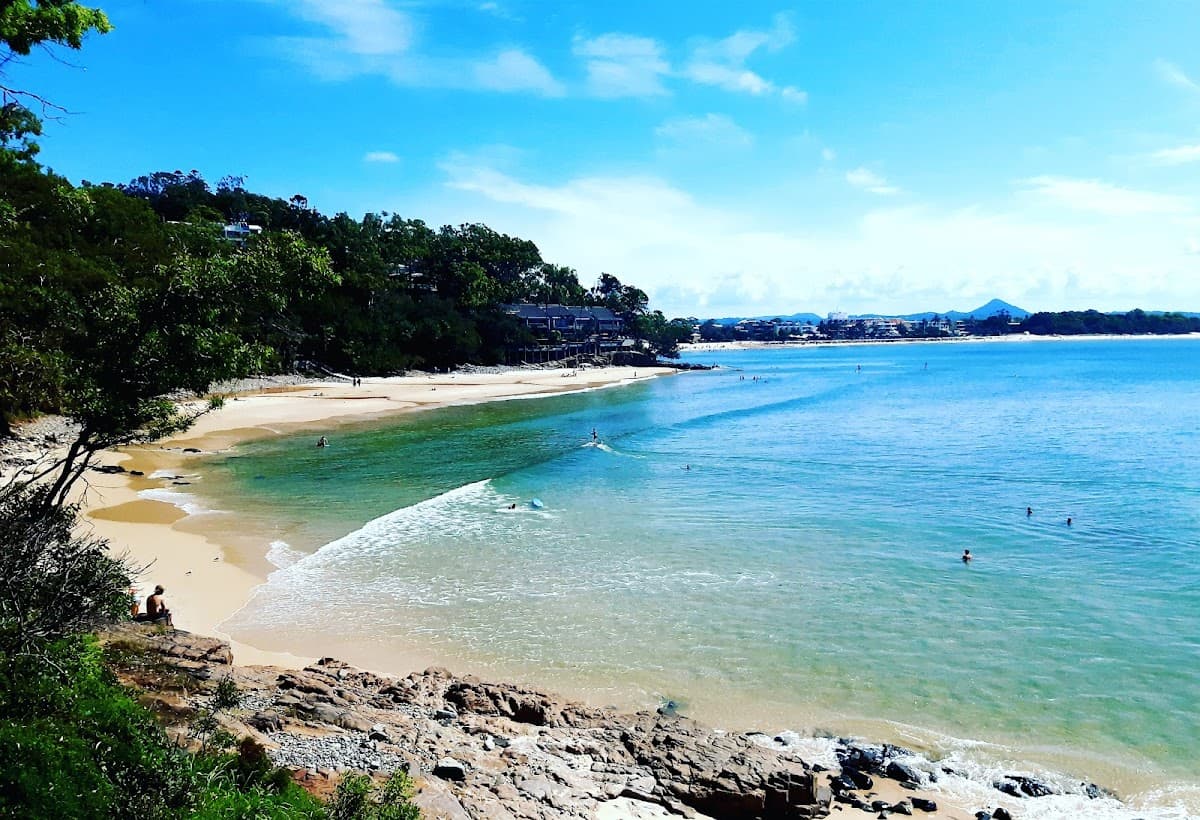
Look, Noosa isn't your typical Aussie beach town. Sure, it's got the golden sand and crystal-clear water you'd expect from Queensland's Sunshine Coast. But this place has something most beach destinations lack: restraint. No high-rise towers blocking the horizon. No tacky tourist traps lining the main drag. Just sophisticated beachside living where million-dollar homes sit quietly behind native vegetation and world-class restaurants serve up fresh local seafood without the fuss. Hastings Street feels more like a European coastal village than your average Australian beach strip. And with Noosa National Park literally at your doorstep, you can surf at Main Beach in the morning and spot koalas on the Coastal Track by afternoon. It's the kind of place where families feel at home but couples find romance, where you can drop serious cash on dinner or grab fish and chips by the river.
Best Months
APR – OCT
~24°C · moderate crowds
Culture & Context
PROTECTED POINT BREAK PARADISE
Noosa sits on Kabi Kabi (also written Gubbi Gubbi) Country, and acknowledgement of this is increasingly woven into local events and public spaces. The region has a dual identity that coexists surprisingly well: affluent resort town on one side, serious conservation community on the other. Noosa Council has a 10-year Destination Management Plan specifically designed to protect the lifestyle and natural environment ahead of increased population pressure from South East Queensland's growth and the 2032 Brisbane Olympics.
The town genuinely guards its character. Building height restrictions are real and enforced. More than 30 percent of the area is protected parkland.
Longboard surfing has deep roots here — First Point at Noosa Heads is one of the world's great point breaks, and the culture around it leans relaxed and inclusive rather than aggressive and territorial. The food scene is genuinely high quality and not purely a tourist construct: local produce from the Noosa hinterland and fresh seafood from the coast actually show up on menus in meaningful ways. The town sits 160km north of Brisbane, about two hours by car or coach.
Local Customs
SLIP SLAP SLOP SERIOUSLY
Sun safety is taken seriously and genuinely warrants it. The UV index in Queensland regularly hits extreme levels even on mild-looking days. Slip on a shirt, slap on a hat, slop on sunscreen — this is a real campaign here, not a tourist gimmick.
Reapply often.. Tipping is not mandatory in Australia and locals don't expect it. That said, rounding up or leaving a few dollars at a cafe or for a good restaurant service is appreciated and increasingly common.
No one will chase you down if you don't.. BYO (bring your own alcohol) is a licensed arrangement at some Noosa restaurants. Look for 'BYO wine' on the menu.
It can save you significantly on a meal. Corkage fees usually apply but are modest.. Barefoot is genuinely acceptable in many beachside cafes and casual restaurants — at Noosa Junction and Noosaville especially.
Hastings Street's fancier establishments expect shoes, but don't overthink it.. The Noosa Farmers Market runs on Sunday mornings in Noosaville (Weyba Road). Locals actually shop there.
Go early — the good stuff goes fast.. Dogs are not permitted in Noosa National Park. There is a dedicated dog-friendly beach near the Noosa River mouth at the western end of Noosa Spit, which is worth knowing if you're travelling with a dog..
Noosa has a genuine conservation culture baked in. Height restrictions mean buildings stay lower than the tree canopy. Over 30 percent of the area is protected forest or parkland.
Locals take this seriously. Don't litter and don't pick plants in the national park.. Queenslanders genuinely end sentences with 'ay'.
It's not a question — it's a punctuation mark. Don't mock it; just roll with it.
Safety
PATROLLED BEACHES, UNPATROLLED PARKS
Noosa is a safe destination by any reasonable measure. That said, a few things are worth knowing. Main Beach is patrolled by surf lifesavers and is family-friendly — stick between the flags, which is the rule everywhere in Australia, not just here.
The beaches around Noosa National Park, including Tea Tree Bay, are not patrolled, so supervise children carefully and know your swimming ability before you jump in. In the National Park itself, walk only during daylight hours. Overnight stays and camping are not permitted in Noosa National Park.
Bring water, sunscreen, a hat, and good shoes for trail walks — the coastal track can be more exposed than it looks on a map. Parking theft from cars at trailhead car parks is occasionally reported; don't leave valuables visible. Jellyfish (including bluebottles) can appear on the beach, particularly after onshore winds.
If you get stung, lifesavers at the flagged beach have treatment available. Mobile coverage is generally solid throughout Noosa Heads and Noosaville, which is reassuring if something does go wrong on a walk.
Getting Around
SKIP HASTINGS, FERRY THE RIVER
Parking on Hastings Street is a genuine headache. The honest advice: don't bother trying. Park at Noosa Junction Transit Centre or at Tewantin CBD and use the bus instead.
TransLink bus fares across Queensland were capped at a flat 50 cents per trip in late 2024, making buses one of the best-value ways to get around. Buses run every 15 minutes between Tewantin and Noosa Heads from 7am to 6pm daily. The Noosa Ferry is a more scenic alternative, running seven stops along the Noosa River between Noosa Marina (Tewantin) and the Hastings Street jetty (near the Sofitel).
It operates 8am to 6pm and all-day hop-on-hop-off passes are available. There's also a Noosa Water Taxi for pickups along the Noosa River and Noosa Sound. E-bikes and electric scooters are available for hire from multiple operators across the region — useful for getting between Noosaville and Hastings Street without sweating through your clothes.
Uber operates in the region but can be tricky to book during peak holiday periods and late at night. No train goes directly to Noosa; the closest stations are Nambour, Eumundi, and Cooroy, all requiring a connecting bus. Free holiday buses run during Christmas and Easter periods.
Luggage storage is available at the Noosa Visitor Information Centre on Hastings Street for AU$15 per bag, open daily 9am–5pm.
Useful Phrases
Money-Saving Tips
- 1.Stay in Noosaville or Sunshine Beach instead of Hastings Street - you'll save 40% on accommodation
- 2.Visit the free Noosa Farmers Market on Saturday mornings for breakfast instead of expensive cafes
- 3.Use the free shuttle bus between major areas rather than paying $4/hour for parking
- 4.Book restaurants for lunch instead of dinner - many offer the same menu at lower prices
- 5.Buy groceries at Coles in Noosa Junction rather than the IGA on Hastings Street
- 6.Pack your own beach gear - umbrella rentals on Main Beach cost $25 per day
- 7.Visit during April-May or October for 30-40% cheaper accommodation than peak season
Travel Tips
- •Book sunset dinner tables at beachfront restaurants at least 2 weeks ahead during peak season
- •The Coastal Track in Noosa National Park gets busy after 9am - start early for better wildlife spotting
- •Bring reef-safe sunscreen - regular sunscreen is banned in some areas to protect marine life
- •Download the Noosa Council app for real-time parking availability and shuttle bus tracking
- •Pack insect repellent for evening walks along the river - mosquitoes can be fierce
- •The 4:30pm pelican feeding at Noosaville is free and popular with kids
- •Main Beach has strong currents - swim between the flags and check conditions with lifeguards