
Normandy
D-Day beaches meet medieval charm and culinary excellence
Normandy hits different than the rest of France. Sure, you've got the postcard-perfect countryside and killer food scene. But this region carries weight — literally carved into history on June 6, 1944. Walk the beaches where Allied forces changed the course of World War II, then duck into a centuries-old abbey for vespers. The contrast is jarring and beautiful.
Look, Normandy isn't trying to be flashy. The coastline stretches for miles without a single high-rise hotel. Medieval towns like Bayeux and Honfleur feel frozen in time, complete with half-timbered houses and cobblestone streets that actually date back 800 years. And the food? Calvados, Camembert, and cream-heavy dishes that'll ruin your diet in the best possible way.
Here's what makes this region special: it manages to honor its past without being stuck there. You can tour the American Cemetery at Colleville-sur-Mer in the morning and sample artisanal cider at a local farm by afternoon. The locals get it — they've been balancing reverence with daily life for decades.
Explore Cities
Explore the Region
Money-Saving Tips
- 1.Many D-Day sites are free to visit, including Omaha Beach, Utah Beach, and Pointe du Hoc. Save your euros for the paid museums.
- 2.Buy a Normandy Museum Pass (€45 for 3 days) if you plan to visit 4+ attractions. Covers most major sites including Bayeux Tapestry and Caen Memorial.
- 3.Lunch menus at traditional restaurants cost €18-25 vs €35+ for dinner. Same kitchen, better value.
- 4.Local markets (especially Saturday in Honfleur and Wednesday in Bayeux) offer the best prices on cheese, cider, and Calvados.
- 5.Gas stations on autoroutes charge 15-20% more than in towns. Fill up before hitting the highway.
- 6.Many farms sell direct-to-consumer cheese and cider. Look for 'Vente Directe' signs — prices beat supermarkets by 30%.
- 7.Book accommodations in Bayeux rather than beachfront towns. It's centrally located and rates are 40% lower than coastal hotels.
Travel Tips
- •Download the D-Day Landing Beaches app before you go. It provides GPS-guided tours and historical context at each site.
- •Pack layers year-round. Coastal weather changes quickly, and medieval stone buildings stay cold even in summer.
- •Learn basic French greetings. Rural Normandy is less English-friendly than Paris, and locals appreciate the effort.
- •Bring cash. Many small restaurants, farms, and markets don't accept cards, especially for purchases under €20.
- •Book restaurant reservations in advance during summer. Popular spots like La Marine in Grandcamp-Maisy fill up by noon.
- •Wear comfortable walking shoes. Cobblestones in Honfleur and Bayeux are beautiful but slippery when wet.
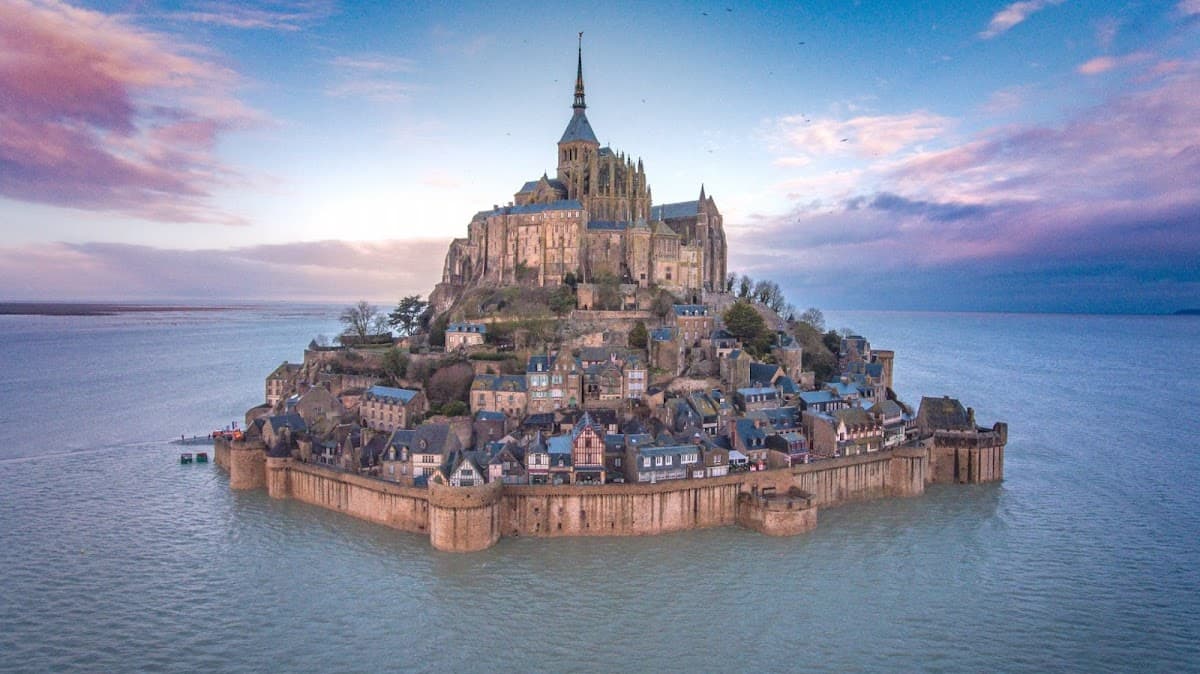
- •Check tide times before visiting Mont-Saint-Michel (technically in Normandy's sphere). The causeway can flood during high spring tides.
- •Rent bikes in Bayeux for D-Day beach tours. Several routes follow old military roads with minimal car traffic.