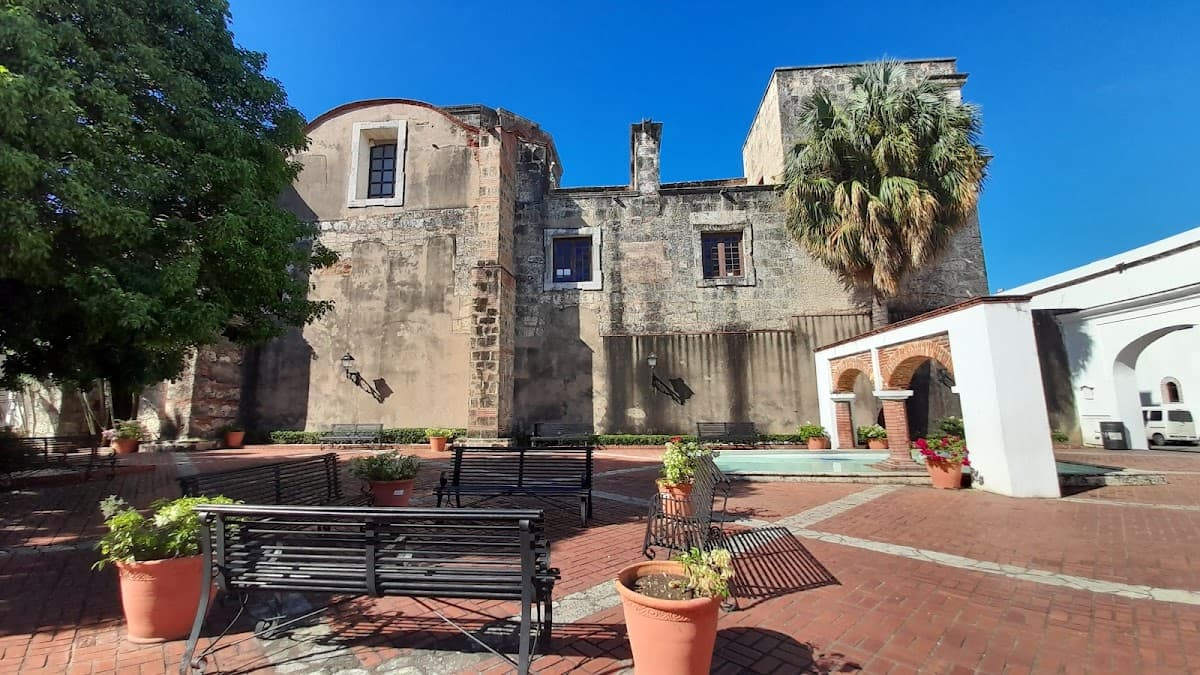
Santo Domingo
Caribbean capital where colonial history meets vibrant modern culture
Santo Domingo hits differently than other Caribbean capitals. Sure, you get the tropical weather and nearby beaches, but this city serves up 500 years of history on every corner. The Zona Colonial — the oldest European settlement in the Americas — feels like stepping into a time machine, except the cobblestones lead to rooftop bars and salsa clubs that don't quit until sunrise.
Here's what makes Santo Domingo special: it's not trying to be anything other than itself. The merengue spills out of corner colmados, street vendors sell fresh coconut water for 50 pesos, and locals gather in Parque Duarte every evening like they have for generations. But walk five minutes from the colonial core and you're in modern Piantini, where glass towers house world-class restaurants and the nightlife rivals Miami.
The city works for families exploring Alcázar de Colón in the morning and couples dancing bachata at sunset. Solo travelers love how walkable the old quarter is, while history buffs can spend days wandering between the Cathedral, Fortaleza Ozama, and Casa de Bastidas. And when you need a beach break? Boca Chica is 30 minutes away.
Best Months
JAN · FEB · MAR · APR · DEC
~30°C · high crowds
Culture & Context
OLDEST SETTLEMENT, MODERN ENERGY
Santo Domingo is the oldest continuously inhabited European settlement in the Americas, founded in 1496. That history isn't background noise here — it's in the streets, the architecture, and the way people talk about themselves. The Zona Colonial isn't a museum; people live and work in those 16th-century buildings.
The city was the first capital of the Americas and home to the first cathedral, university, and hospital built in the New World. But here's the thing: Santo Domingo is also a deeply modern Caribbean metropolis with the largest urban population in the Caribbean, a growing tech and startup scene, and an expat population that reflects genuine international appeal. Dominican identity was shaped by three forces — Taino indigenous heritage (words like 'hamaca' and 'canoa' come directly from Taino), Spanish colonization from the late 15th century, and the African influences that came through the transatlantic slave trade.
Merengue is the national music, legally recognized as such, and bachata — once dismissed as music of the rural poor — is now globally recognized. Over 90% of Dominicans are Roman Catholic, which shapes social norms around dress, family life, and public behavior. The city is currently gearing up for the 2026 Central American and Caribbean Games, a centennial edition of the region's oldest multi-sport event, which is injecting significant investment into infrastructure and creating a palpable civic pride in the buildup.
Local Customs
STAND CLOSE, TIP WELL
Dominicans stand close during conversation — one to two feet apart is normal and polite. Moving away can come across as unfriendly or rude. Lean in, not back..
Dress matters here, and locals notice. Even in the heat, collared shirts and long pants are standard for men in anything beyond beach settings. Women in revealing clothing in non-tourist neighborhoods will draw unwanted attention.
Save the shorts for Boca Chica beach.. Tipping is expected and important. Many restaurants add a 10% service charge automatically, but it's customary to add another 10-15% on top.
Tip bartenders $1-2 per drink. Leave $2-4 per night for housekeeping.. Never photograph people without asking first.
This applies especially in the Zona Colonial, at markets, and in local neighborhoods. A quick '¿Puedo tomar una foto?' goes a long way..
Dominicans are warm but time operates loosely. If someone tells you to meet at 7pm, showing up at 7:30 is completely normal. Don't take it personally..
Baseball is a religion. The winter season (October through January) at Estadio Quisqueya Juan Marichal draws passionate crowds and former MLB stars. Attending a game is one of the most authentically Dominican things you can do..
Camouflage clothing is prohibited for civilians by Dominican law. Leave any camo items at home — it's not a cultural thing, it's a legal one.. Merengue and bachata aren't just music here — they're social currency.
If someone asks you to dance, try. Refusing without explanation is genuinely rude. You don't need to be good.
Safety
WATCH YOUR PHONE
The U.S. State Department rates the Dominican Republic at Level 2 (Exercise Increased Caution) as of early 2026 — the same rating given to France and Italy.
Most visits go fine, but that doesn't mean you can be careless, especially in the capital. The most common threat in Santo Domingo is drive-by phone snatching by motorcyclists, particularly between 8pm and 11pm. Keep your phone in your pocket on the street, full stop.
Never use it openly while walking in non-tourist areas. Neighborhoods to avoid include Cristo Rey, Villa Consuelo, and La Ciénaga. Stick to Zona Colonial (during the day), Piantini, Naco, Bella Vista, and Gazcue.
The Zona Colonial is walkable in daylight but empties out around 6pm. After dark, take Uber or InDriver — both work well and cost $2-6 for city trips. Never take an unmarked taxi or a motoconcho (motorcycle taxi) if you can avoid it.
The tourist police (POLITUR) patrol main tourist areas; some speak English. For emergencies, dial 911 or reach POLITUR at 809-222-2026. Do not drink tap water anywhere in the city — not even in upscale hotels.
Use bottled water for drinking and brushing teeth. Women traveling alone will face near-constant catcalling in local neighborhoods; this is unfortunately routine and pervasive. Private clinics in Santo Domingo like Cedimat offer English-speaking care for $100-200 per visit, but upfront payment is required.
Hurricane season runs June through November, with peak activity in September and October.
Getting Around
METRO & UBER
Las Américas International Airport (SDQ) sits about 18 miles (30 minutes) from the city center. Official white taxis from the airport are safe but pricey. Uber is cheaper and works well from the terminal.
For getting around the city, Uber and InDriver are your best friends — a 5km ride runs about $2.50, and the apps eliminate negotiation entirely. The Santo Domingo Metro is genuinely impressive — the only subway system in the Caribbean.
It's clean, air-conditioned, and costs about $0.35 per ride. Lines 1 and 2 cover the main corridors.
For shorter hops, carritos (shared taxis) are local and affordable. Guaguas (minibuses) are the cheapest option at around $0.25, but routes are confusing for first-timers and buses are crowded.
Avoid motoconchos (motorcycle taxis) — they're the primary vehicle for both road accidents and drive-by robberies. Renting a car runs about $30/day but driving in Santo Domingo is genuinely chaotic, with aggressive habits and poor night-road conditions. Rush hour can double any commute time.
If you're heading to Boca Chica beach, it's under an hour from downtown. Complete the mandatory eTicket QR form (at eticket.migracion.
gob.do) before arrival and departure — airport WiFi is notoriously slow and unreliable, so do this in advance. You'll need a local SIM or eSIM the moment you land.
Useful Phrases
Explore Neighborhoods
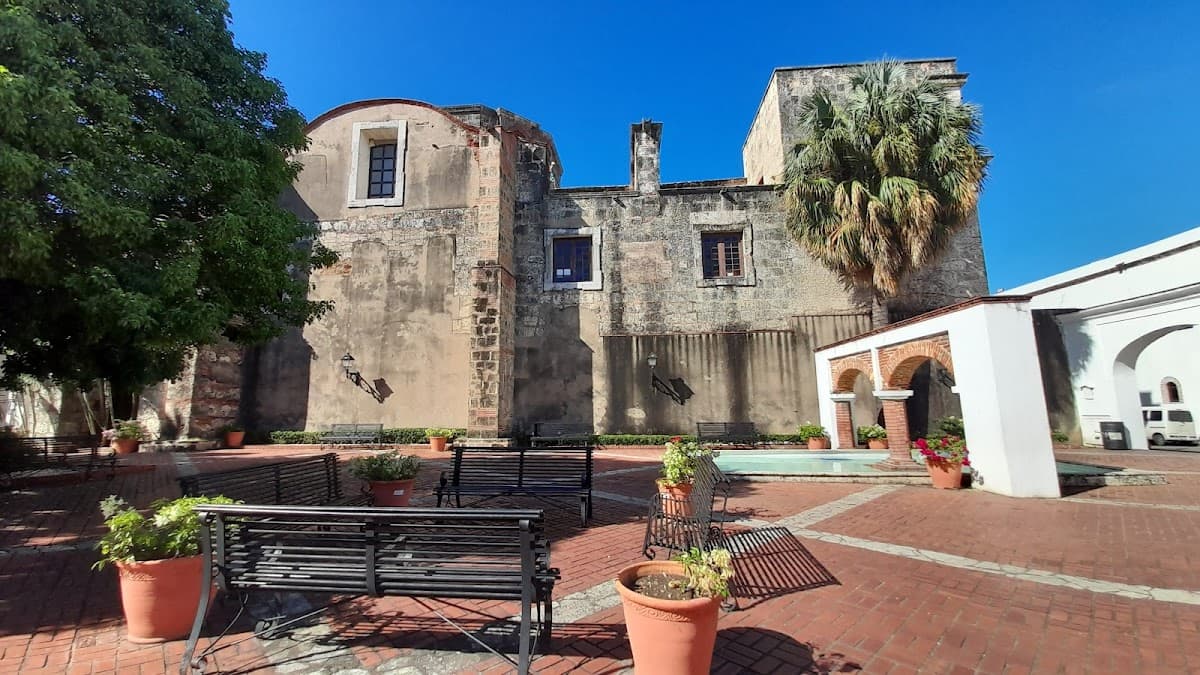
Explore the Region
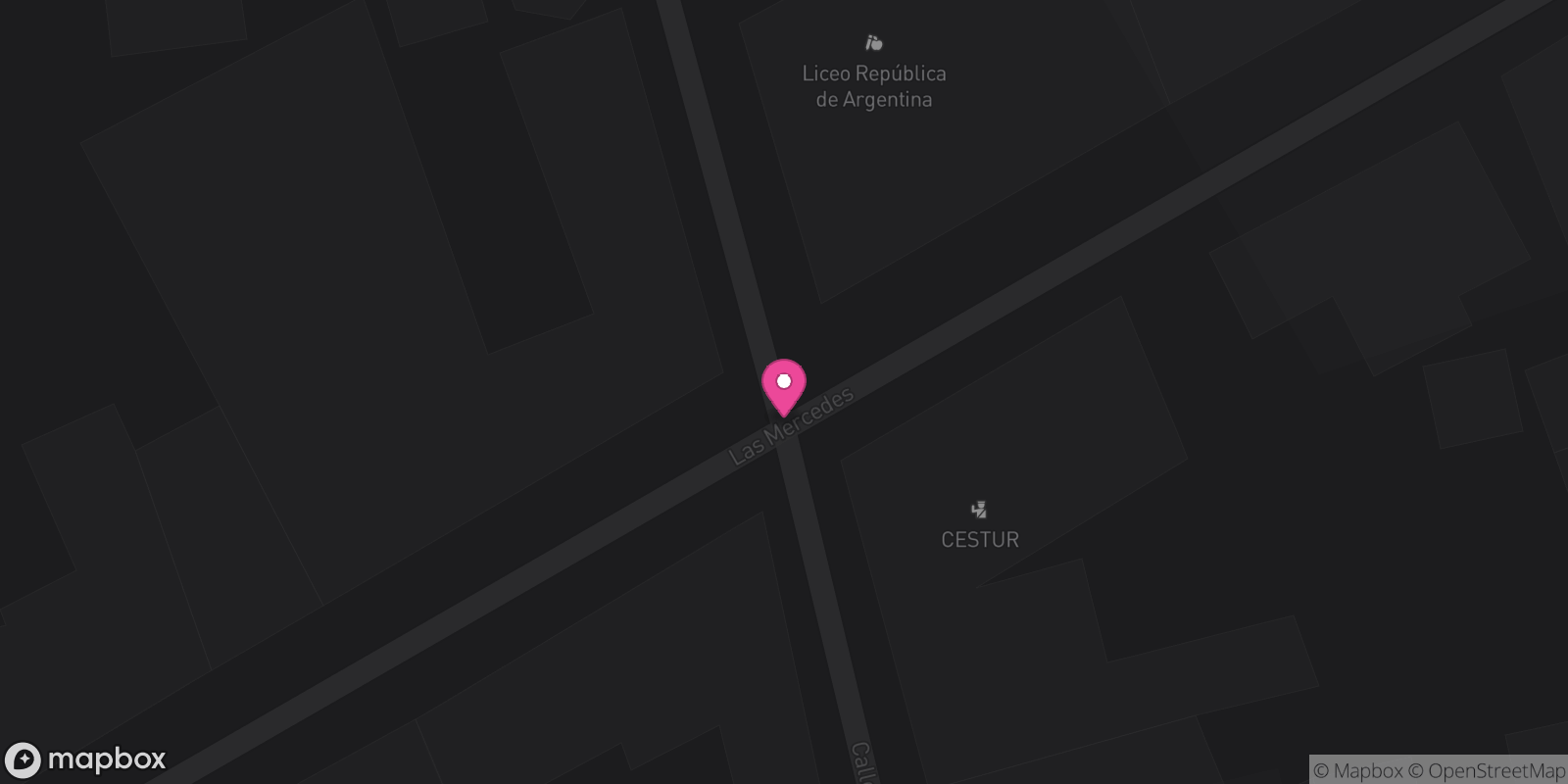
Santo Domingo Itineraries
View all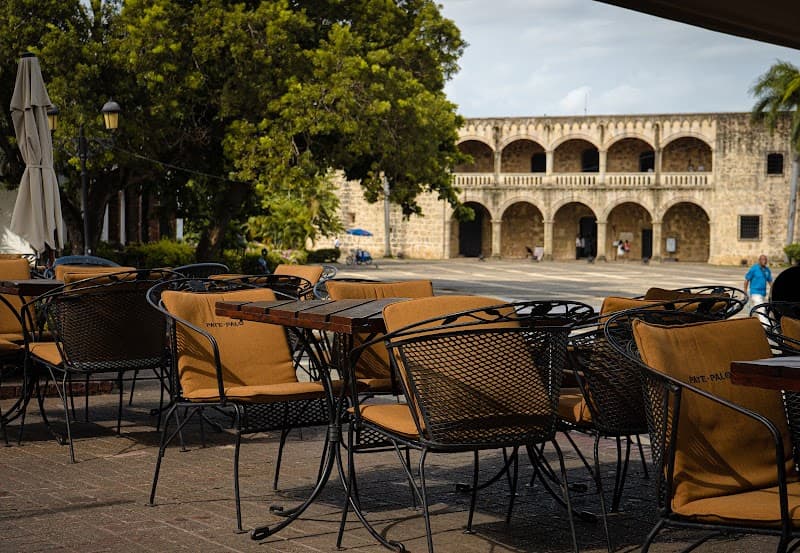
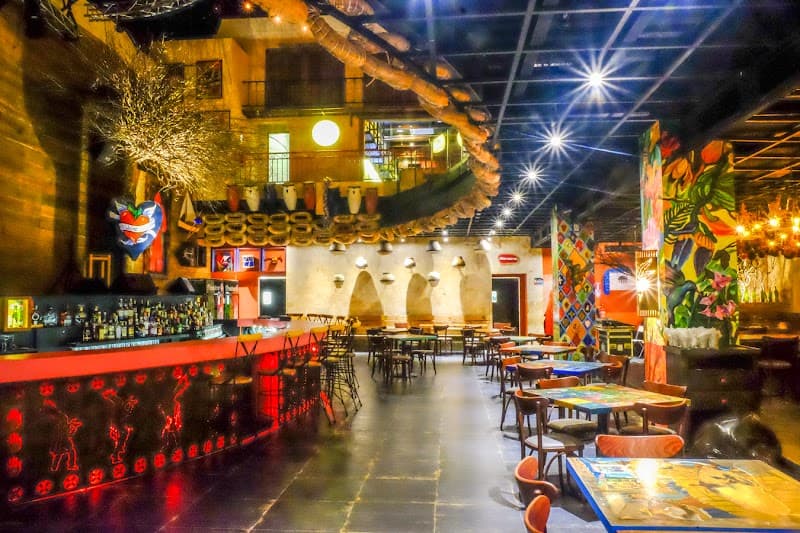
Slow Sabor in Santo Domingo: History, Wine & Nightlife
Weekend · $$$
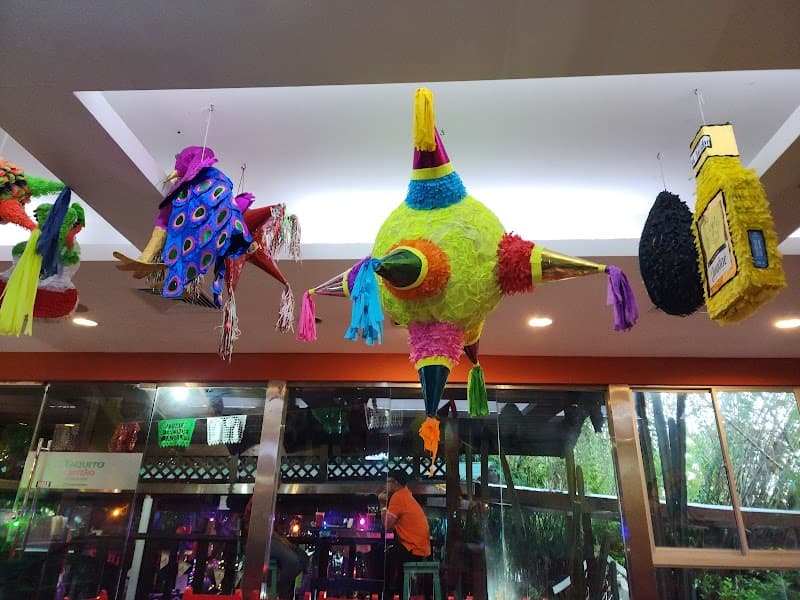
Seven Days of Santo Domingo's Wild History and Jungle Energy
Week · $$$
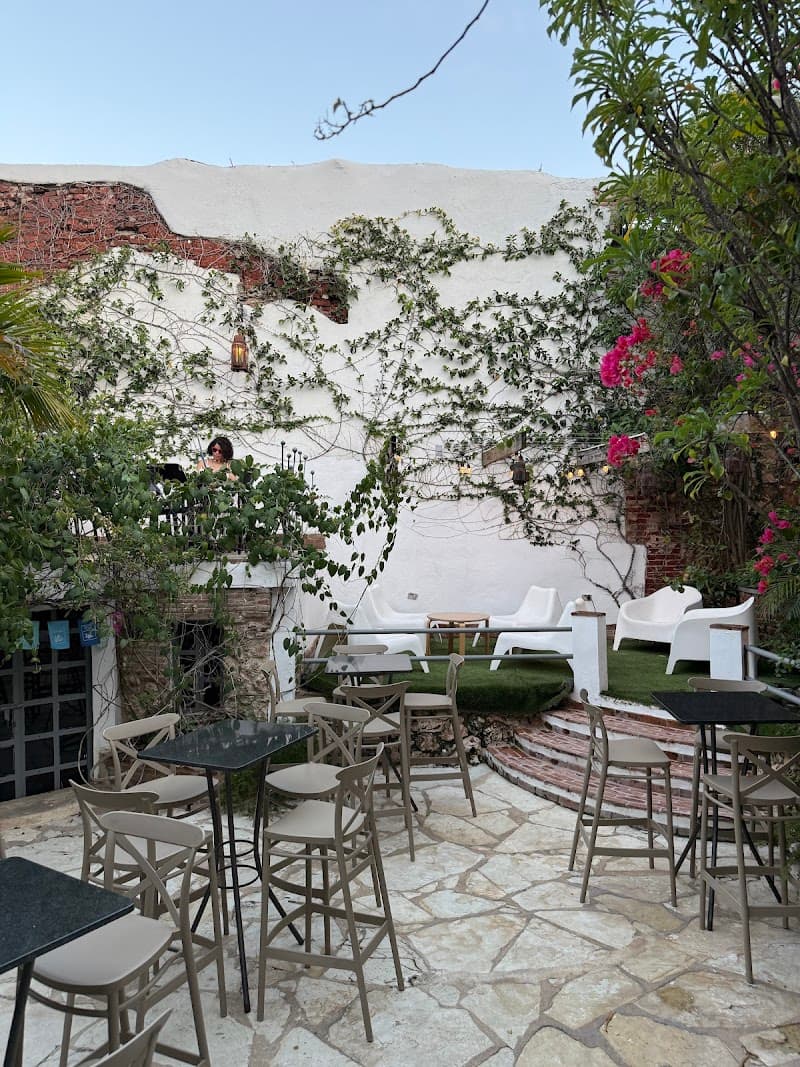
Jungle Wild Weekender in Santo Domingo
Weekend · $$$
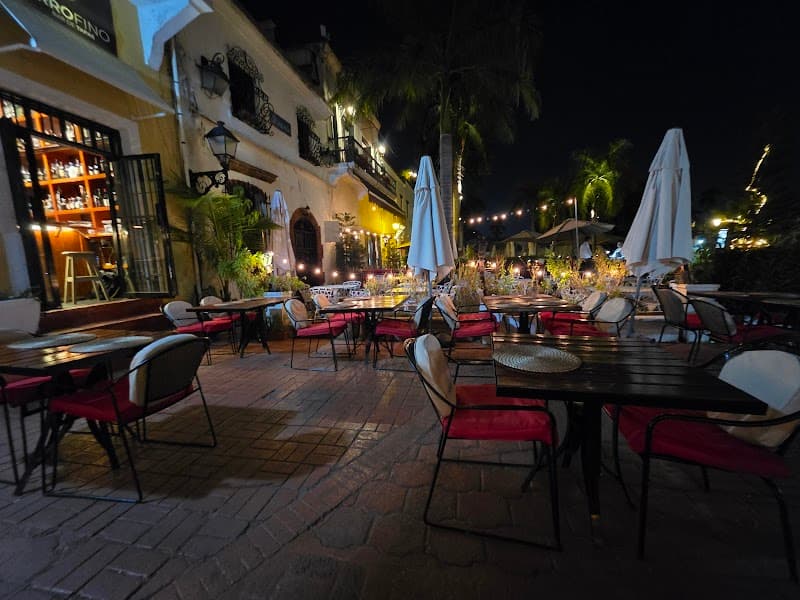
Jungle Wild Weekend in Santo Domingo
Day Trip · $$$
Lush Santo Domingo: Jungle Romance in the Colonial City
Week · $$$
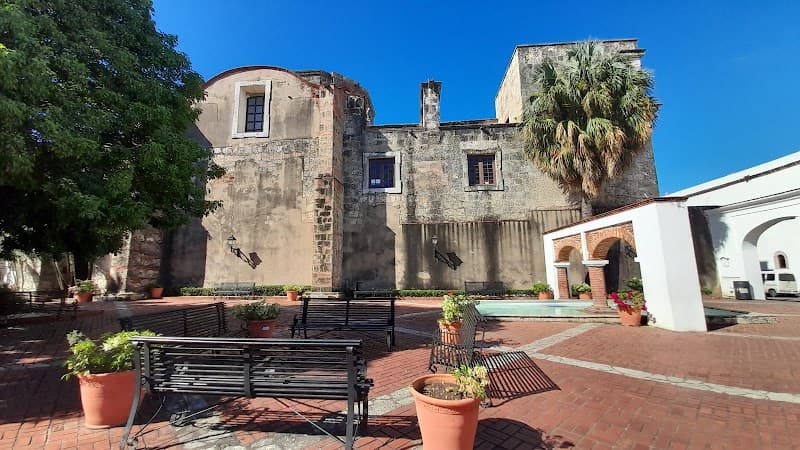
Romantic Jungle-Urban Escape in Santo Domingo
Weekend · $$$
Where to Stay in Santo Domingo
4 recommended properties
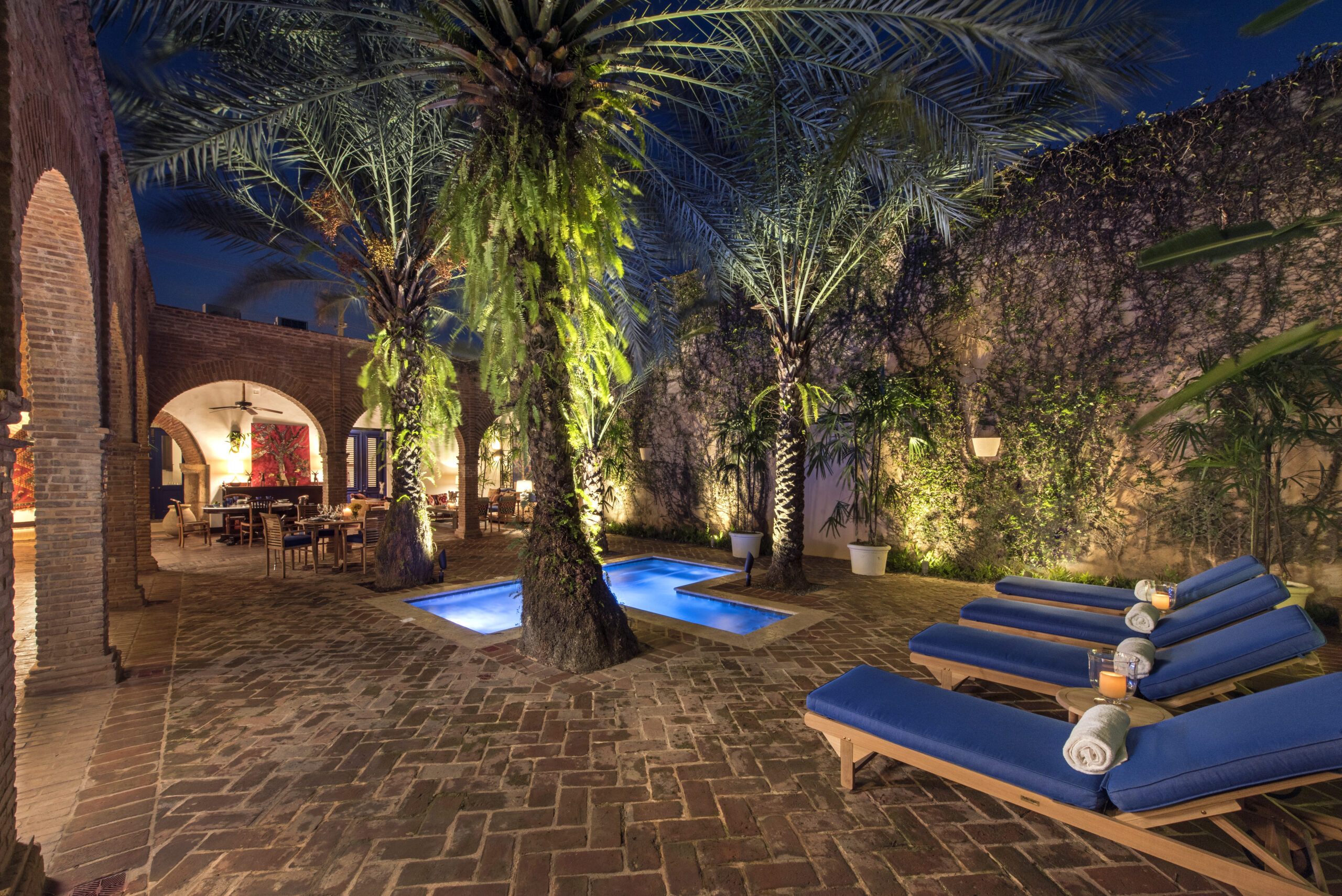
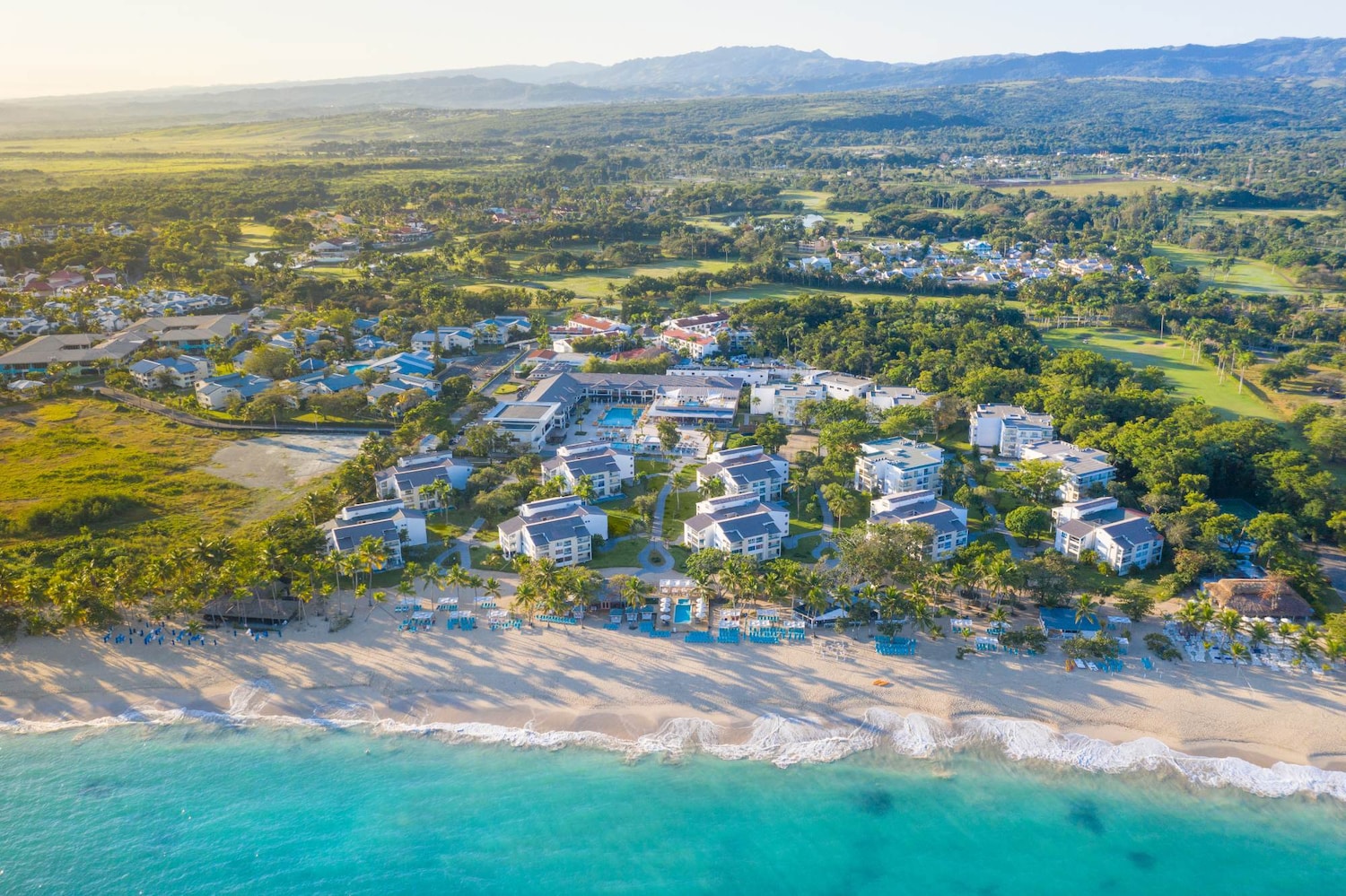
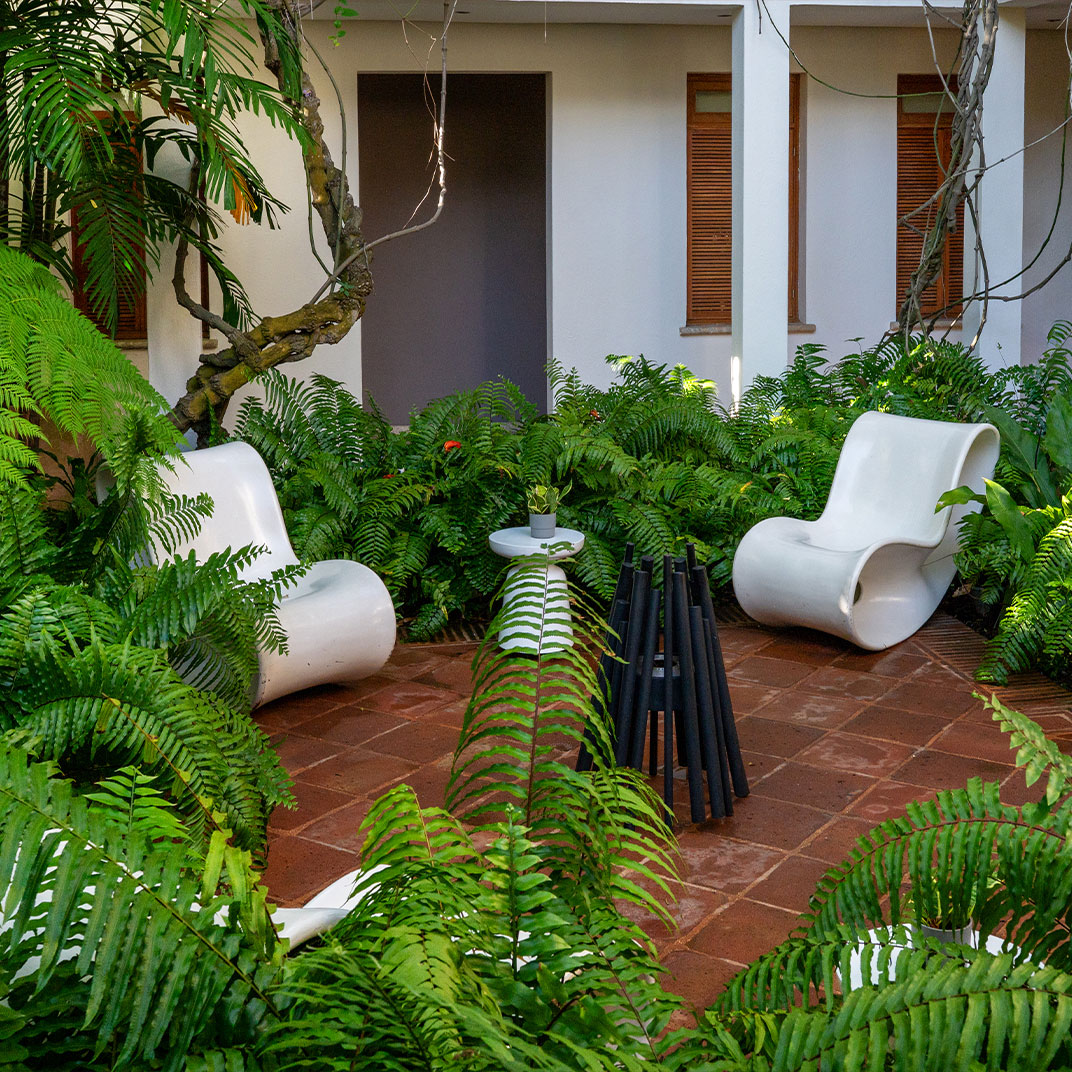
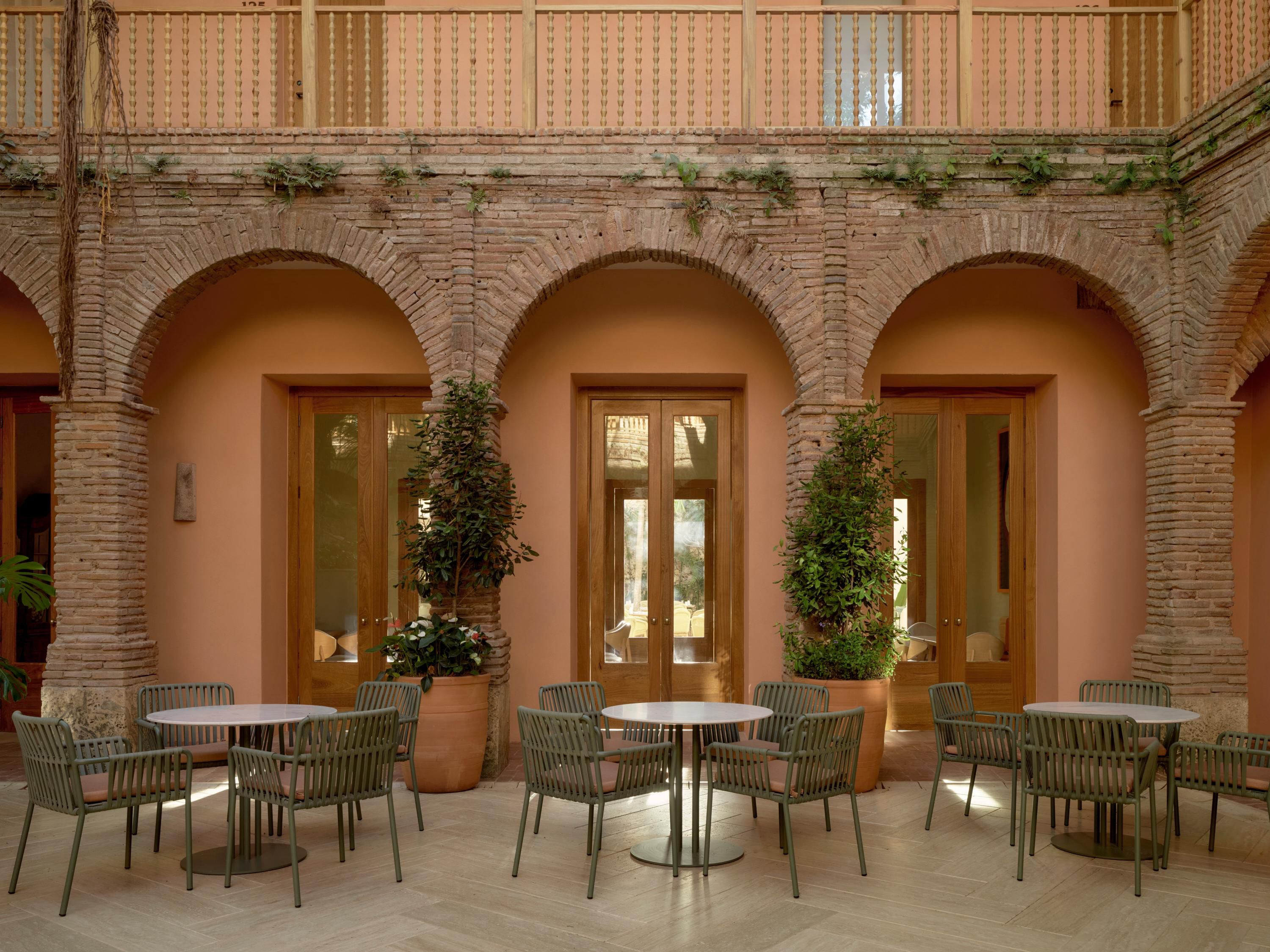
Things to Do in Santo Domingo
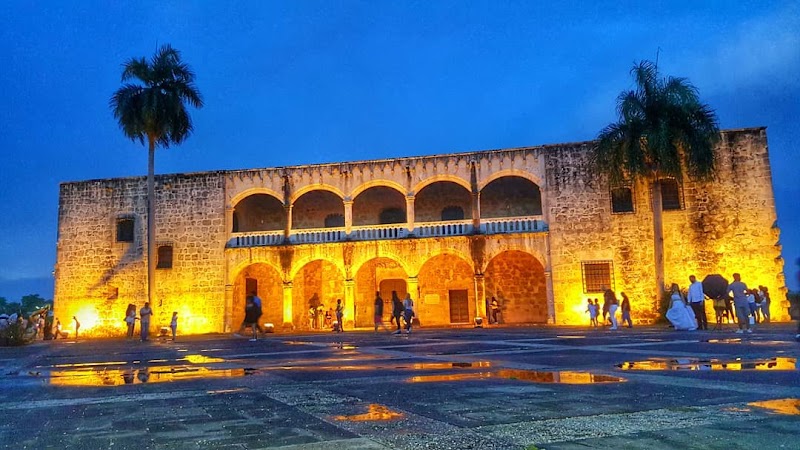
Zona Colonial Free Explore
Zona Colonial · 150 min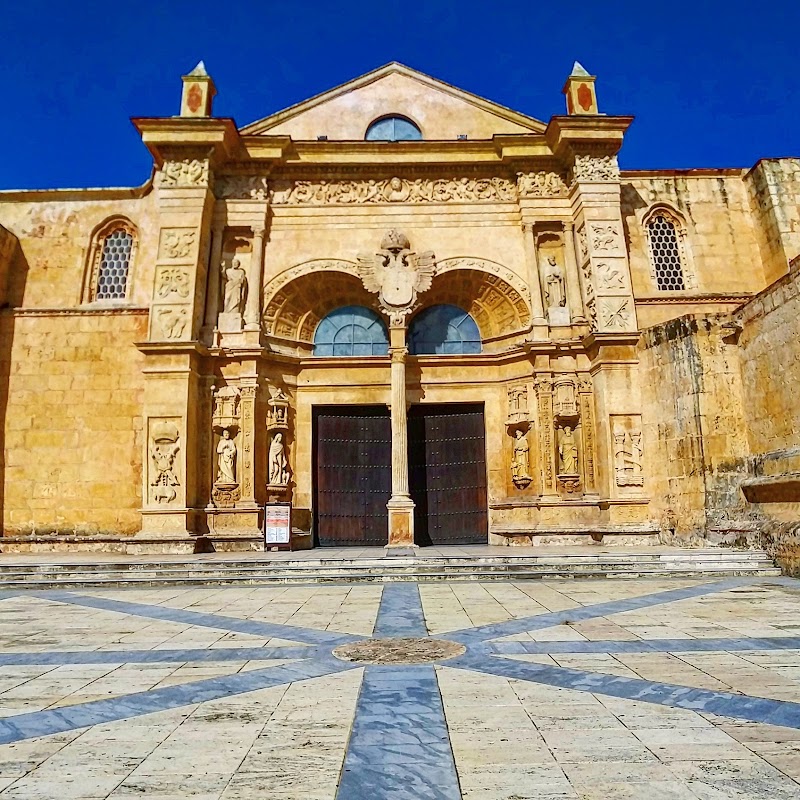
Catedral Primada de América
Zona Colonial · 45 min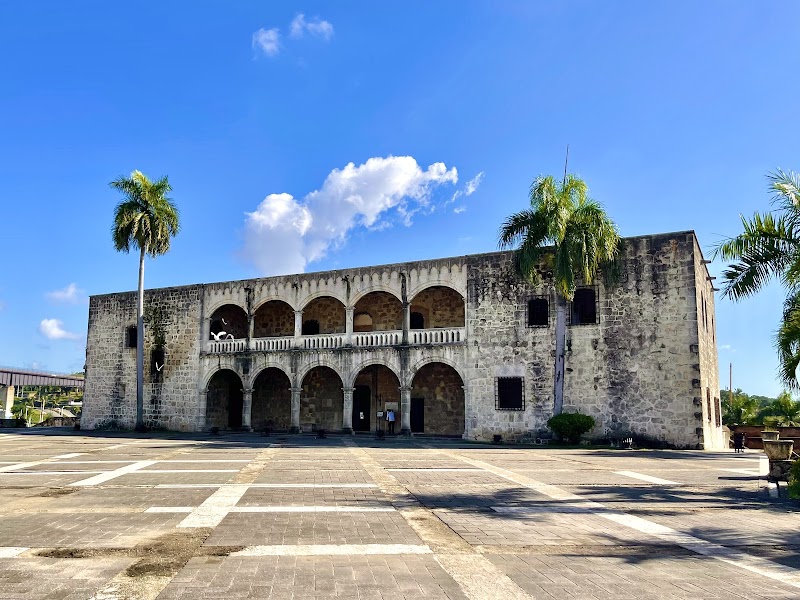
Alcázar de Colón & Plaza de España
Zona Colonial · 90 minMoney-Saving Tips
- 1.Eat at local colmados (corner stores) for meals under 200 pesos — they serve the same rice and beans as restaurants for half the price
- 2.Buy Presidente beer at supermarkets for 45 pesos instead of paying 120 pesos at tourist bars
- 3.Use the Metro system (20 pesos per ride) instead of taxis for trips along the main lines
- 4.Visit museums on Sundays when many offer free or discounted admission to locals and residents
- 5.Shop at Mercado Modelo for souvenirs — prices start at 30% of what hotel gift shops charge
- 6.Book accommodations in Gazcue or Piantini instead of the Zona Colonial to save 25-40% on nightly rates
- 7.Take guaguas (local buses) for day trips — they cost 150-300 pesos versus 1,500+ for tourist transportation
Travel Tips
- •Learn basic Spanish phrases — English isn't widely spoken outside tourist areas and hotels
- •Carry small bills (50 and 100 peso notes) as vendors rarely have change for larger denominations
- •Download offline maps before exploring — cell service can be spotty in parts of the colonial zone
- •Wear sunscreen religiously — the Caribbean sun is stronger than it feels, especially with ocean breezes
- •Keep copies of your passport and important documents in separate locations from the originals
- •Negotiate taxi fares before getting in — meters are rare and prices can vary dramatically
- •Try local fruits like chinola (passion fruit) and guanábana from street vendors for authentic flavors
- •Respect local customs in churches and religious sites — cover shoulders and avoid shorts
- •Stay hydrated with bottled water — tap water is generally safe but can upset sensitive stomachs
Frequently Asked Questions
Explore Santo Domingo
BUILD YOUR
SANTO DOMINGO PLAN
Insider picks, smart timing, and a plan ready when you are.
Start Planning