
La Paz
World's highest capital city with indigenous culture and stunning views
At 3,500 meters above sea level, La Paz hits you like a shot of altitude and adrenaline rolled into one. This isn't your typical South American capital — it's a city where bowler-hatted cholitas sell quinoa in street markets while cable cars glide overhead like a futuristic transit system. The air is thin, the culture is thick, and every corner tells a story that goes back centuries. Look, La Paz won't coddle you. You'll gasp for breath climbing the steep cobblestone streets of Rosario neighborhood. But that's exactly what makes it extraordinary.
Best Months
MAY – SEP
~22°C · peak crowds
Culture & Context
PEACE MEETS AQUARIUM
La Paz translates to "peace," and honestly, it earns the name. This is the capital of Baja California Sur, a city of roughly 250,000 people that somehow still runs at small-town speed. Locals call themselves Choyeros, an identity tied to their roots in this desert-meets-ocean corner of Mexico.
Jacques Cousteau famously called the Sea of Cortez "the world's aquarium," and fishing families here have lived off that truth for generations. The pearl industry dominated for centuries until it collapsed in the late 1930s. John Steinbeck immortalized that history in "The Pearl.
" Today the city's economy mixes government work, fishing, eco-tourism, and a growing wave of expats and digital nomads. It's decidedly not Cabo San Lucas. No high-rise resort towers, no spring break scene.
What you get instead is real Mexican city life: families walking dogs on the Malecón at dusk, teenagers skateboarding by the waterfront sculptures, and some of the freshest fish tacos you'll eat anywhere on the peninsula. Espíritu Santo Island, just offshore, is a UNESCO World Heritage Site. That alone tells you something about the caliber of what's sitting right outside this city's door.
Local Customs
FISH TACOS FOR BREAKFAST
Fish tacos are a breakfast food in La Paz. The best stands (like Tacos El Estadio near the stadium) open early and sell out by 1pm. Don't show up for dinner expecting a taco cart — you already missed it..
Negotiate taxi fares before you get in. Cabs here don't use meters, and not having the price agreed upfront is how tourists end up overpaying. Uber and Didi are easier if you want to skip the negotiation..
Skip the Malecón-side restaurants for actual meals. The views are nice and the prices are not. Walk one or two blocks inland and prices drop noticeably with better food..
The Colectivos (old US school buses) have no official stops or published schedules. There's no app. You just flag them down and ask around.
It takes some patience, but at 10 pesos a ride it's worth figuring out.. Balandra Beach now requires a conservation bracelet (around 120 MXN) and operates on two fixed daily entry shifts with a capacity of 450 visitors per slot. Book ahead or arrive early.
It does sell out.. Don't drink the tap water. Buy bottled or filtered water.
Garrafones (large 20-liter jugs) can be delivered or bought cheaply at most convenience stores — much better for the environment than single-use bottles.. The Coromuel wind picks up in the evenings. Locals call it their natural air conditioning during the hot season.
If you're at the Malecón at sunset and feel that breeze — that's it. It's reliable enough to have a name.. Almeja chocolata (chocolate clam) is a genuine local specialty.
The shell is brown and smooth, the clam is often served raw with lime, or cooked with vegetables. If someone offers you one, say yes.
Safety
SAFE, WATCH BELONGINGS
La Paz is considered one of the safer cities in Baja California Sur, and in Mexico overall. Baja California Sur is not among the states flagged by international travel advisories for high violent crime risk. That said, petty theft happens.
The central bus station and the Mercado Municipal are the spots where pickpocketing is most common — keep your phone in your front pocket and don't leave bags unattended. The Malecón and downtown area are well-lit and active in the evenings and are generally safe to walk. Solo female travelers consistently report feeling comfortable here, though standard urban awareness applies after dark and in quieter streets.
Avoid the southeast outskirts of the city. Use Uber or Didi at night rather than hailing a cab on an empty street. The waterfront near the marina has slightly murkier water from boat traffic — don't swim there.
Go to Balandra, Pichilingue, Coromuel, or Tecolote for actual swimming. Tap water is not drinkable.
Getting Around
WALKABLE, UBER, COLECTIVOS
Flying in: La Paz has its own international airport (LAP), connecting to Mexico City, Guadalajara, Tijuana, and a few US gateways. Many travelers fly into Los Cabos (SJD) instead — it has more direct routes — and then take a 2-hour bus or shuttle. Ecobaja Tours runs a direct SJD-to-La Paz shuttle for around $40 USD one way.
The Agila and ABC bus lines also make the run. Within the city: The Malecón and Centro are very walkable. Uber and Didi both operate here and are the easiest options for anything beyond walking distance.
Colectivos (repurposed US school buses) cost about 10 MXN per ride and go essentially everywhere — but there are no official signs, stops, or apps. Flag one down and ask. Very cheap, occasionally chaotic.
Taxis are everywhere; agree on the fare before you get in since there are no meters. For reaching Balandra, Pichilingue, and the northern beaches, the EcoBajaTours beach bus leaves from the Malecón Bus Terminal roughly every hour, costs 70 MXN each way, cash only. Note: the return bus picks up on the main road, not at the beach parking lot — a 10-minute walk on an unpaved roadside.
Renting a car gives you freedom to explore the surrounding area — including day trips to Todos Santos and La Ventana — but it's not necessary if you're staying in the city. Foreign-plated vehicles don't need a Temporary Import Permit in Baja.
Useful Phrases

Where to Stay in La Paz
3 recommended properties


Things to Do in La Paz
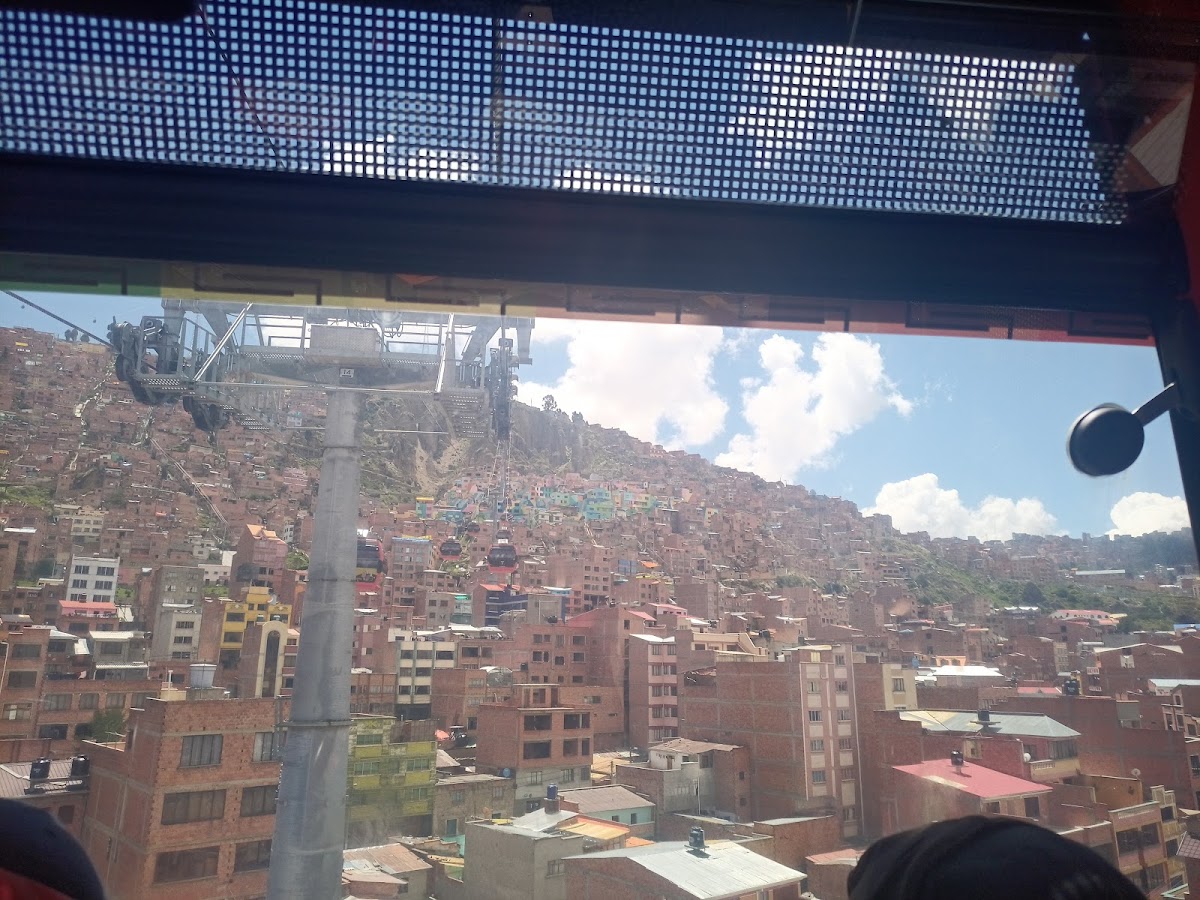
Mi Teleférico
90 min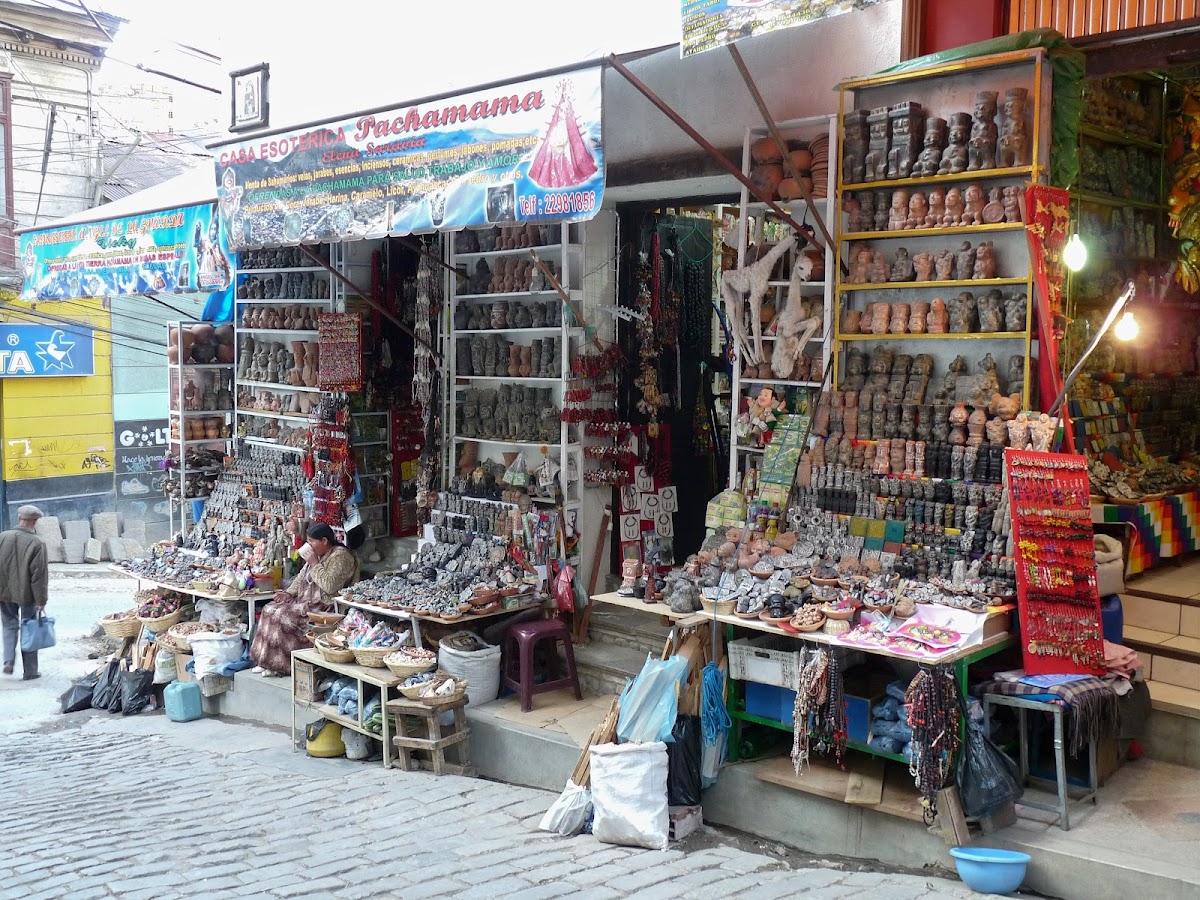
Witches' Market
90 min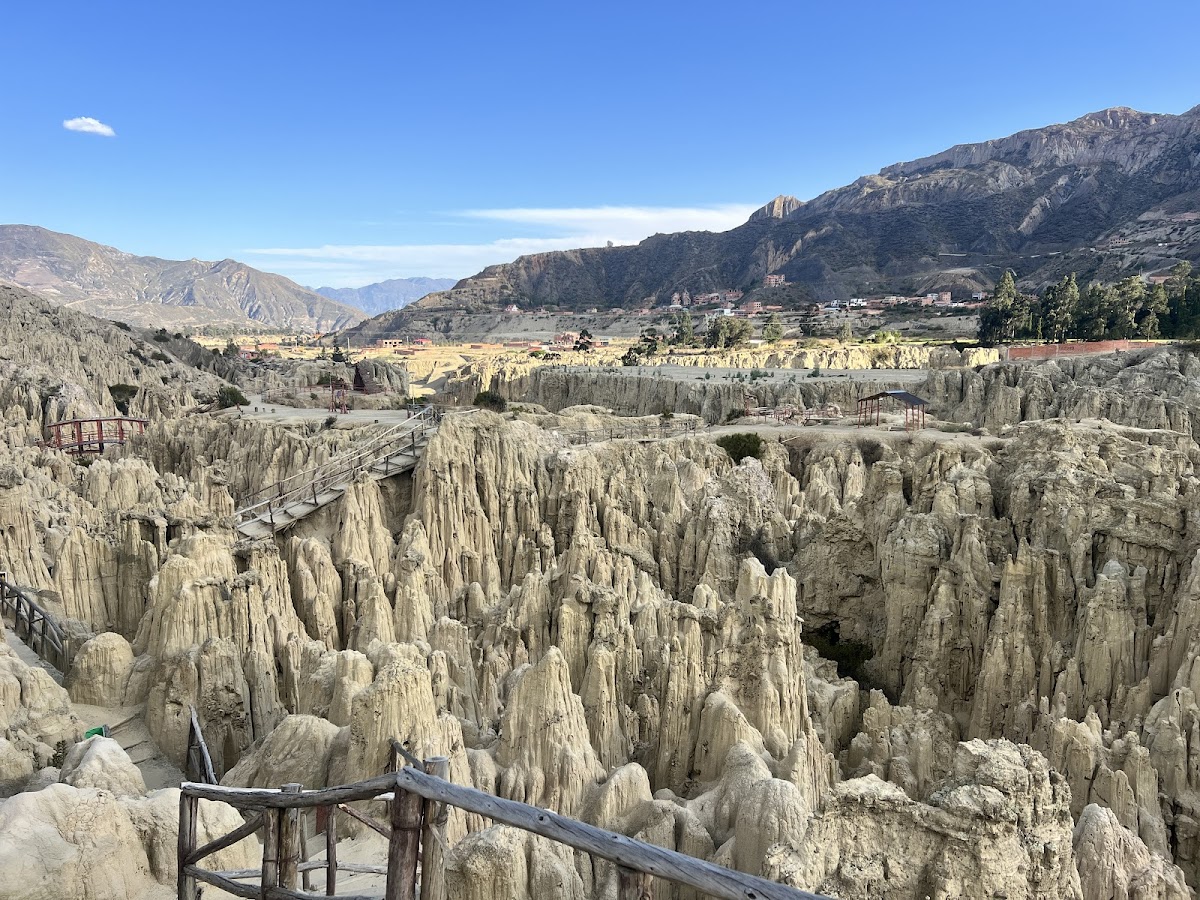
Valley of the Moon
120 minMoney-Saving Tips
- 1.Bring US dollars and exchange them at casas de cambio for better rates than banks
- 2.Street food costs 5-10 bolivianos per meal — restaurants charge tourist prices of 50+ bolivianos
- 3.Cable car day passes cost 15 bolivianos and let you ride all lines unlimited
- 4.Negotiate taxi fares before getting in — locals pay 10-15 bolivianos for short rides
- 5.Buy coca leaves at any market for 5 bolivianos to help with altitude sickness
- 6.ATMs charge high fees — withdraw large amounts to minimize transaction costs
Travel Tips
- •Arrive 2-3 days early to acclimatize before doing anything strenuous
- •Pack layers — it's cold in morning/evening, warm during midday sun
- •Learn basic Spanish phrases — English isn't widely spoken outside tourist areas
- •Carry toilet paper and hand sanitizer — public restrooms rarely have either
- •Don't drink tap water — stick to bottled water or boiled drinks like tea
- •Respect photography rules at markets — many vendors charge for photos
- •Keep copies of your passport — police checks are common
- •Tip 10% at restaurants, nothing expected for street food or taxis