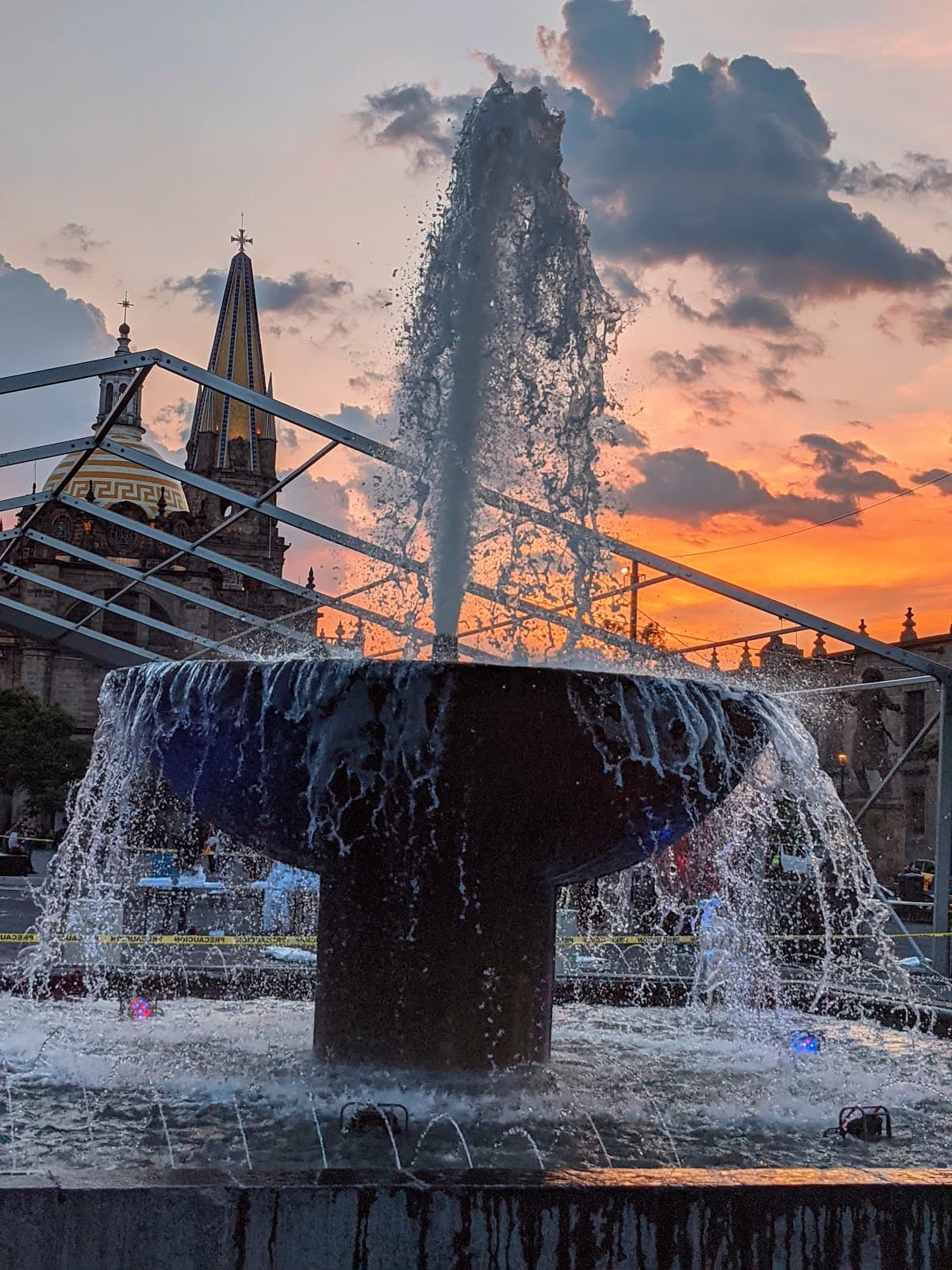
Guadalajara
Mexico's cultural heart where mariachi music meets modern innovation
Guadalajara hits different. This is where mariachi was born, where tequila flows from nearby distilleries, and where you can eat better tacos than anywhere else in Mexico for under $2. The city pulses with an energy that's distinctly Mexican — no colonial tourism veneer here. Students pack the cantinas in Zona Rosa, street art covers entire buildings in Americana, and every Sunday the historic center fills with families sharing elote and watching folk dancers. You'll hear more Spanish than English, which is exactly the point.
Best Months
JAN · FEB · MAR · APR · OCT · NOV · DEC
~29°C · moderate crowds
Culture & Context
MARIACHI, TEQUILA, PRIDE
Guadalajara is the city that gave Mexico three of its most iconic exports: mariachi music, tequila, and birria. It's not trading on that reputation — those things are genuinely woven into daily life here. The city's residents call themselves Tapatíos, a word with Nahuatl roots tied to ancient trade units used in the pre-colonial market. There's real pride in that identity. People here are generally warmer and more openly friendly than in Mexico City, and the city feels less relentlessly hectic even though it's Mexico's second-largest urban area.
The historic center houses some of the country's finest colonial-era architecture, including the UNESCO-listed Hospicio Cabañas with murals by José Clemente Orozco — one of Mexico's most important 20th-century artists, who grew up and worked here. Culturally, the city runs the gamut from the traditional (mariachi plazas, open-air markets, charrería rodeos) to the contemporary (GDL has a growing tech sector, a strong arts scene, and Colonia Americana's coffee-and-cocktail culture). The Chivas football club is a point of intense local pride — unlike most Liga MX clubs, Chivas has a policy of fielding only Mexican-born players, which makes them a symbol of national identity for many fans.
Local Customs
TORTA AHOGADA OBSESSION
Mariachi is not a tourist gimmick here — it's identity. Plaza de los Mariachis in Centro has groups playing late into the night. It gets rowdy and occasionally rough around the edges after midnight, but the music is real..
The torta ahogada is Guadalajara's defining food. Order one drowned in the spicy salsa, not the mild version. El Güerito on Avenida Federalismo is one of the most referenced spots.
Expect a line on weekends.. Chivas (Club Deportivo Guadalajara) is more than a football team. It's a religion for a lot of tapatíos.
On match days, the whole city feels different. Avoid wearing red if you're in a heavily Chivas area.. Sunday mornings in Centro are genuinely peaceful.
Locals take family walks, the cathedral plaza fills up, and the market vendors are in full swing. It's one of the best times to see the city as it actually is.. Tipping 10–15% is expected at sit-down restaurants.
Street food vendors don't expect it but won't turn it down. At bars, rounding up is standard.. Don't drink tap water.
This applies everywhere in Guadalajara, including upscale restaurants. Bottled water is cheap and widely available.. Haggling is acceptable at artisan markets in Tlaquepaque and Tonalá but not in fixed-price shops or restaurants.
Start at about 70% of the asking price if you're going to negotiate.. Lucha libre at Arena Coliseo is cheap, loud, and genuinely fun. Tickets are a few hundred pesos.
Go on a Friday night if you can.
Safety
SMART STREETS, STAY AWARE
The US State Department currently has Jalisco at a Level 3: Reconsider Travel advisory due to cartel activity. That sounds alarming, but there are no travel restrictions on the Guadalajara Metropolitan Area itself — it's southern Jalisco that's most problematic. The World Cup has also pushed significant safety and infrastructure upgrades across the city in 2026. In practice, Guadalajara's tourist zones feel like any other large Latin American city: manageable if you're street-smart, risky if you're not paying attention.
Key rules: Use Uber, DiDi, or Bolt instead of hailing random street taxis. Do not walk around Centro at night alone, especially near bus terminals or the Analco and Las Juntas areas. Keep your phone in your pocket rather than out in your hand on the street — snatch-and-grabs happen. Pickpockets are active at Mercado San Juan de Dios, especially on weekends when it's packed. The Mercado San Juan de Dios area needs more vigilance than Colonia Americana or Providencia.
Solo female travelers face catcalling and unwanted attention more frequently here than in some other Mexican cities. Evenings in Colonia Americana and Providencia are generally fine, but heading out alone late at night in unfamiliar areas is not advisable.
One thing that catches people off: neighborhoods can change character fast. You can walk from a charming coffee shop to a sketchy block in 10 minutes. Download Moovit for transit routing and use Google Maps to check the neighborhood before walking somewhere new.
Getting Around
METRO & UBER COMBO
Guadalajara has three light rail lines (Lines 1, 2, and 3), the BRT Mi Macro bus system, and roughly 200 bus routes. The light rail (SITEUR) runs from about 5 AM to midnight and costs around 9.50 MXN per trip. Line 3 (the pink line) is the newest and most modern. A rechargeable Tarjeta de Movilidad card works across bus and metro, making transfers simpler. Moovit is the app you want for route planning — it works well for GDL.
The bus network is comprehensive but confusing. Routes have alphanumeric names with multiple variations (like 644-A vs 644-B), the buses don't always follow a predictable schedule, and they only stop if you actively flag them down. With 178+ routes, getting a handle on it takes a few days. For most visitors, Uber or DiDi between neighborhoods makes more sense — rides between Colonia Americana and Centro typically cost 35–65 MXN (about $2–4).
The airport (GDL / Miguel Hidalgo y Costilla) is 16–17 km from downtown. Skip the overpriced random taxis inside the terminal and use the fixed-rate Shuttle GDL for around $8.25, or simply book an Uber from the arrivals zone. For World Cup match days at Estadio Akron, there is no direct rail connection — a shuttle service from downtown hotels is expected for 2026 but wasn't fully confirmed at time of research.
Useful Phrases
Guadalajara Itineraries
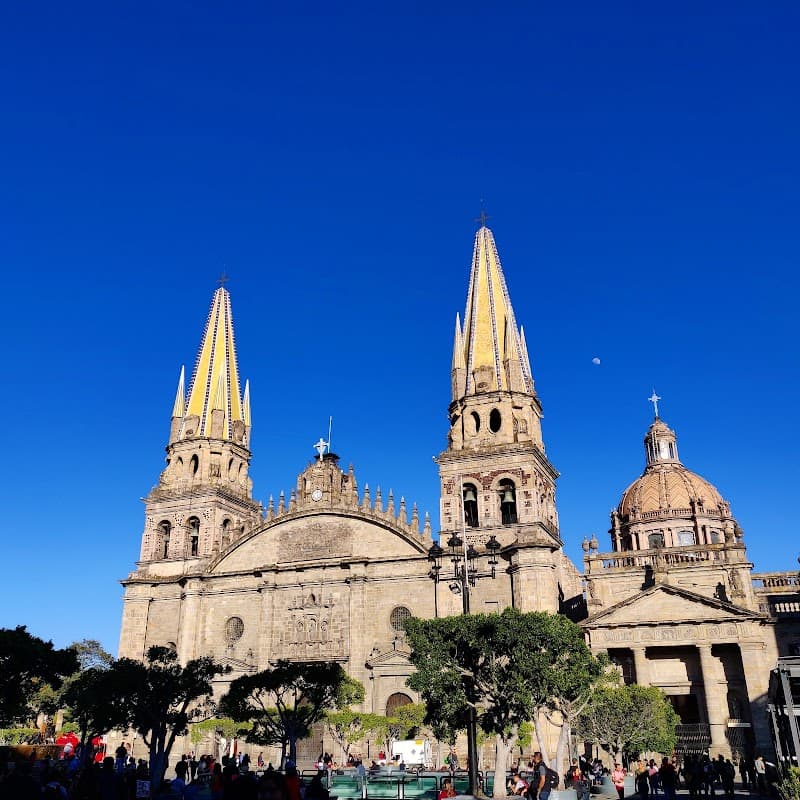
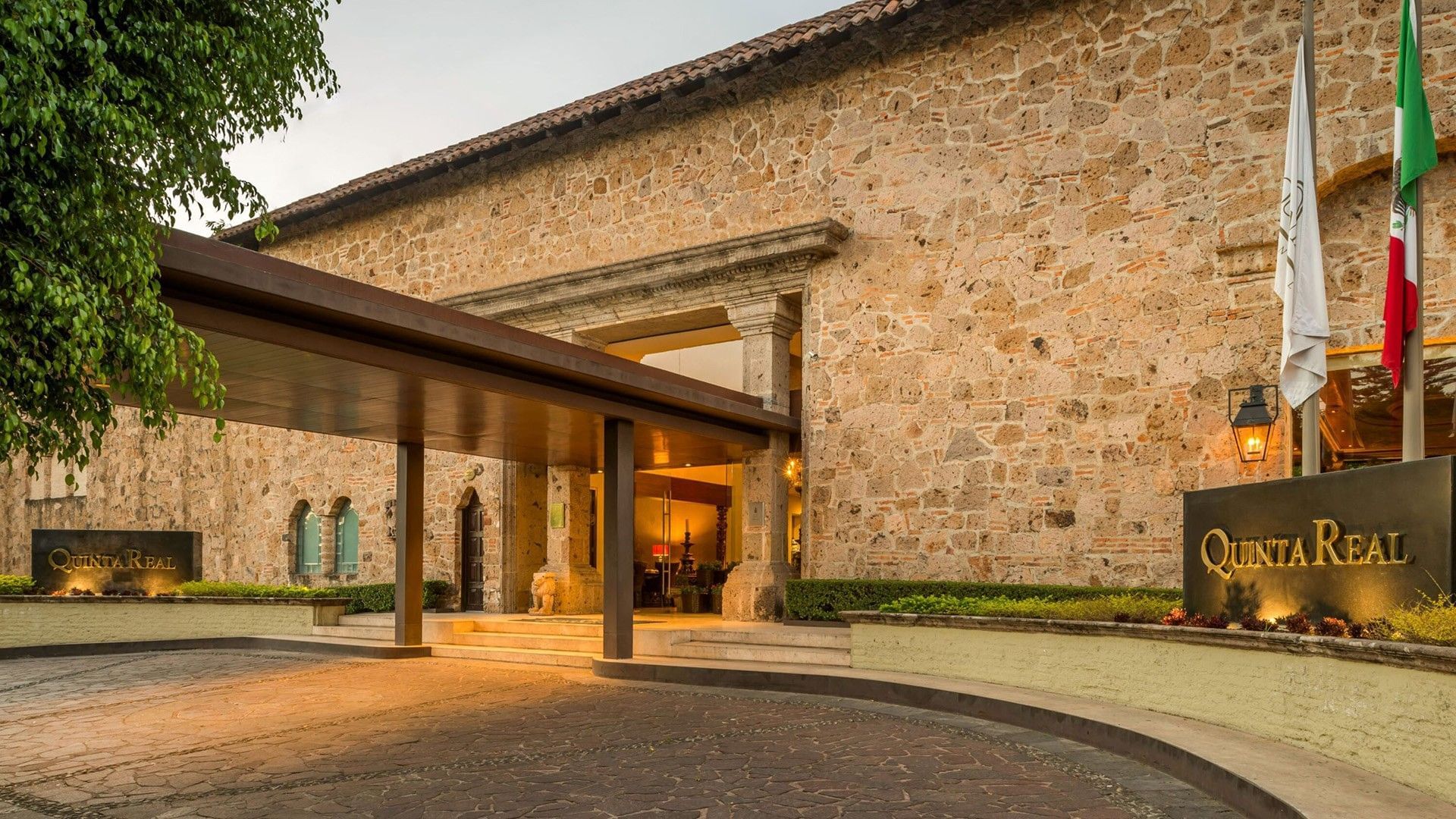
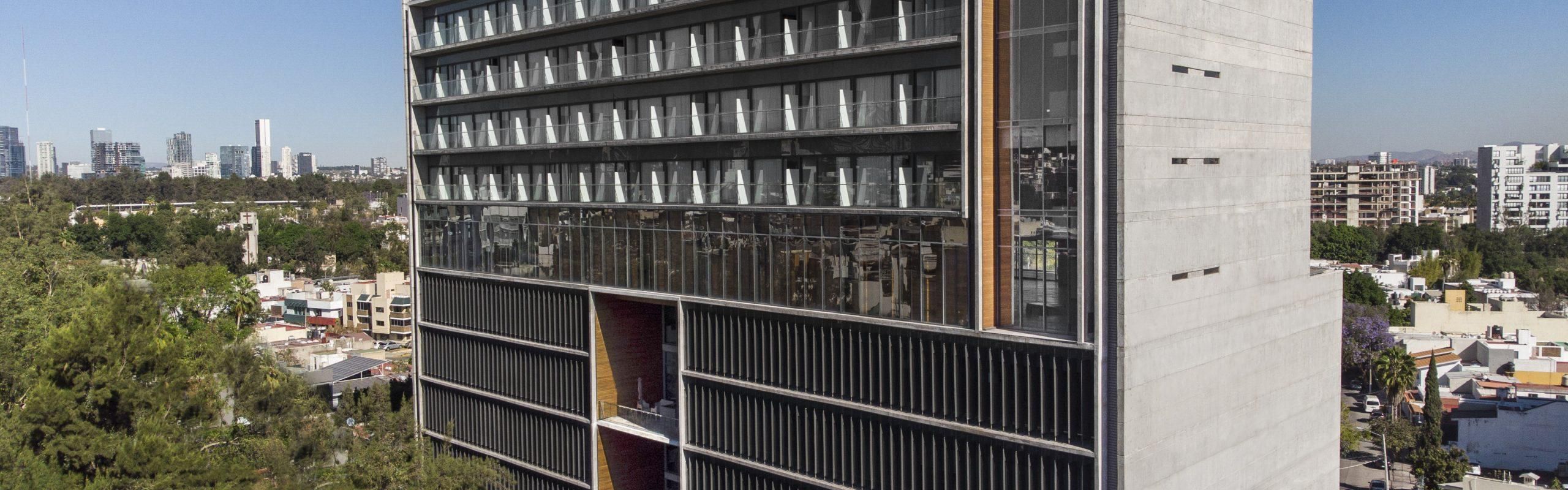
Where to Stay in Guadalajara
3 recommended properties
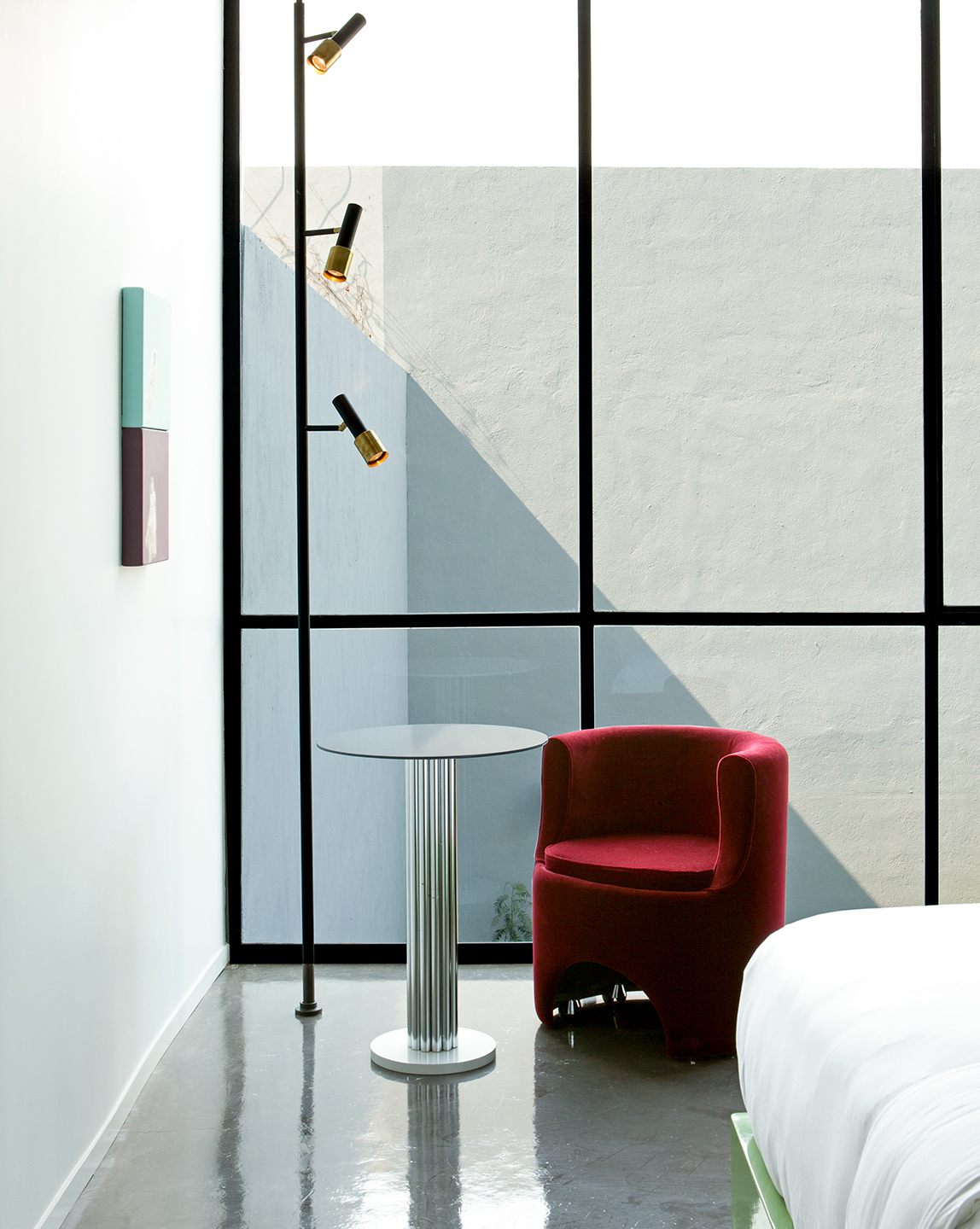
Things to Do in Guadalajara
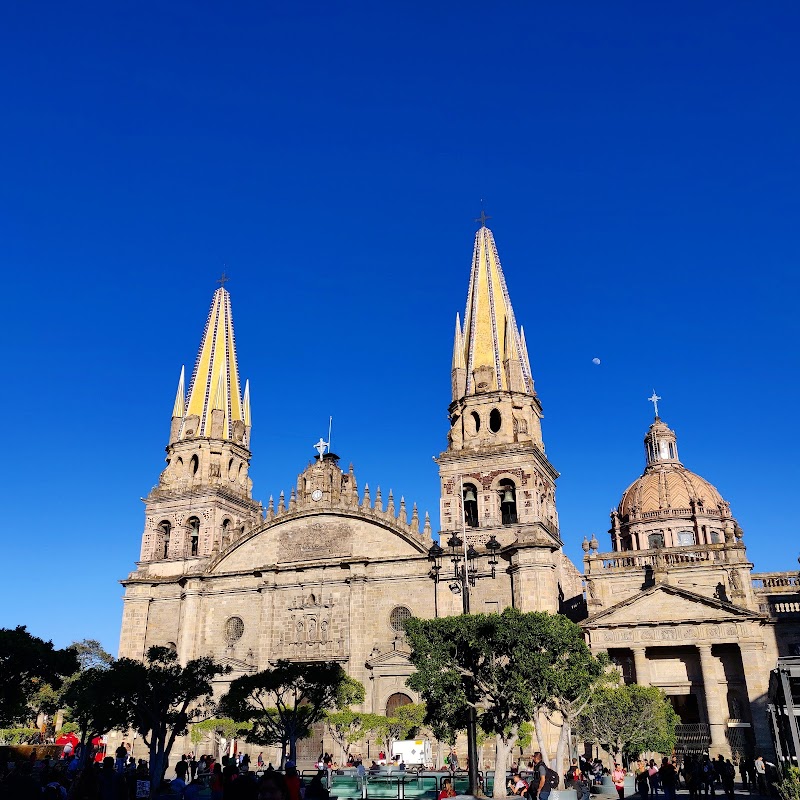
Catedral de Guadalajara
90 min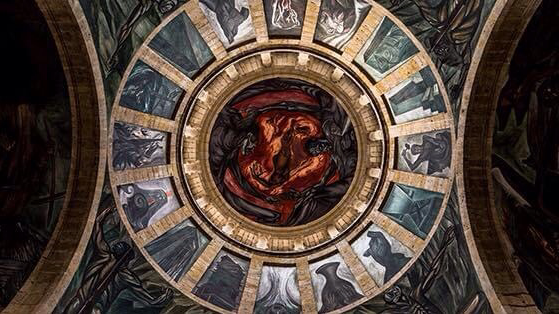
Instituto Cultural Cabañas
90 min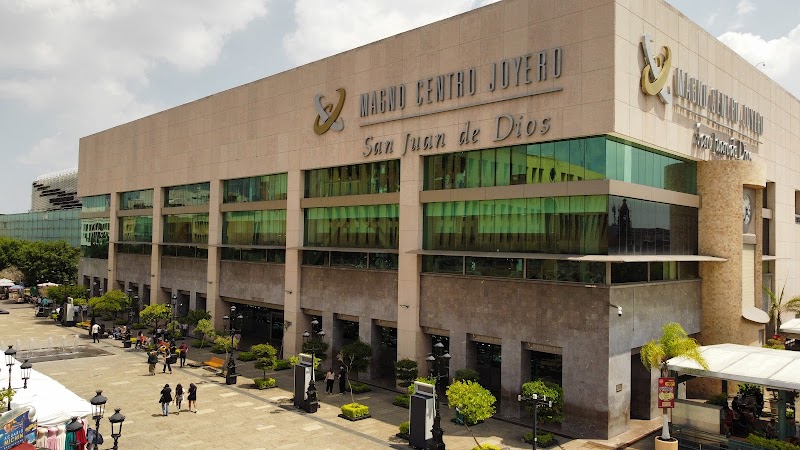
Mercado San Juan de Dios
120 minMoney-Saving Tips
- 1.Eat at markets and street stalls — a full meal costs $3-5 versus $15-20 at restaurants targeting tourists
- 2.Use public transport instead of Uber for longer distances — the Macrobús to the airport costs 50 cents versus $15 for a taxi
- 3.Buy tequila at local liquor stores, not distillery gift shops — same brands cost 60% less
- 4.Stay in Centro Histórico or Zona Rosa to walk to most attractions instead of paying for transport
- 5.Visit during shoulder season (May-September) for 40% cheaper hotels, just bring an umbrella
- 6.Negotiate at Tlaquepaque markets — starting prices assume you're a tourist
- 7.Drink at cantinas instead of hotel bars — beer costs $1.50 versus $5-7
- 8.Take the bus to Tequila town ($8) instead of organized tours ($50-80 per person)
Travel Tips
- •Learn basic Spanish phrases — English isn't widely spoken outside tourist areas
- •Carry cash — many restaurants and markets don't accept cards, especially for small purchases
- •Don't drink tap water, but ice in restaurants is usually fine since it's made from purified water
- •Uber drivers often don't speak English, so learn to say your destination in Spanish or show them on a map
- •Mariachi music starts late — Plaza de los Mariachis doesn't get busy until after 8 PM
- •Street food is generally safe from busy stalls with high turnover, avoid places with food sitting out
- •Tipping is expected — 10-15% at restaurants, 10 pesos for hotel housekeeping, round up taxi fares
- •Download offline maps — cell service can be spotty in some neighborhoods
- •Pack layers — mornings can be cool even when afternoons get warm
- •Altitude is 5,100 feet — you might feel winded your first day if coming from sea level