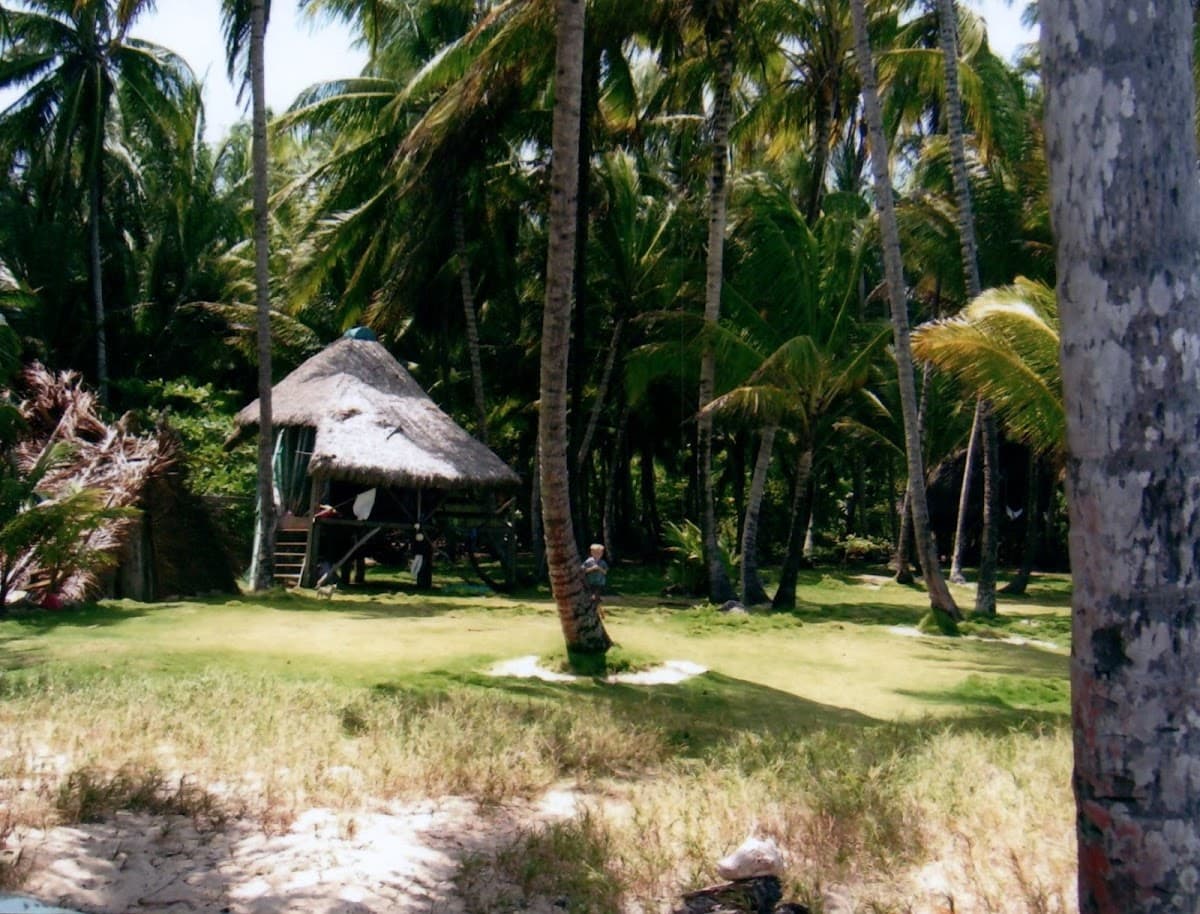
Little Corn Island
Caribbean paradise for digital detox and diving adventures
Little Corn Island sits 43 miles off Nicaragua's Caribbean coast like a secret someone forgot to tell the world about. No cars. No ATMs. No cell towers strong enough to ruin your vacation. Just 1.2 square miles of white sand beaches, coconut palms, and some of the clearest water you'll ever see. The island runs on island time, which means your biggest decision is whether to dive the coral reef in the morning or afternoon. And honestly? That's exactly the point.
Best Months
JAN · FEB · MAR · APR · DEC
~29°C · moderate crowds
Culture & Context
AFRO-CARIBBEAN NOT NICARAGUAN
Little Corn's culture has almost nothing in common with mainland Nicaragua. The island has a deep Afro-Caribbean identity, shaped by British colonization and Jamaican migration in the 19th century. Locals carry surnames like Quinn and Campbell, play more reggae than salsa, and speak an English-based Creole dialect that can throw off even native English speakers.
Slavery was abolished on the Corn Islands in 1843, and that history is still very much alive in community memory and annual celebration. Fishing, especially lobster, is the backbone of local life. The place runs on its own clock.
Meals come when they're ready. Boats leave when the sea says so. Pushing for speed or efficiency will only frustrate you.
The slower you move, the more the island gives back.
Local Customs
CLEAN DOLLARS, ISLAND PACE
Carry clean USD bills only. Locals and businesses will flat-out refuse torn, marked, or visibly worn notes. This is not negotiable..
Everything moves on foot. There are no cars, motorcycles, or any combustion engine vehicles on Little Corn. The main 'road' is a concrete footpath along the village waterfront.
Budget extra time to walk anywhere.. Plan your days around the electricity schedule. Power is typically off from 6 AM until around 2 PM.
Charge your devices overnight, not in the morning.. The panga ride from Big Corn is an open skiff over 8 miles of open ocean. Pack valuables in a dry bag.
You will get wet. Sitting at the back reduces impact from waves.. If you're hanging out late with the local party crowd, stay sharp.
The occasional petty theft on the island is almost always connected to late-night revelry, not random daytime crime.. Lobster is king here, but there are seasonal restrictions on lobster fishing to protect the reef. If it's off the menu somewhere, don't push for it..
Creole English is the first language. Spanish is widely spoken too. Don't assume everyone speaks mainland-style Spanish — the cultural identity here is Caribbean first, Nicaraguan second.
Safety
SMALL ISLAND, MINIMAL CRIME
Little Corn scores around 89/100 on traveler safety indexes, and that tracks with most firsthand accounts. It's a small, close-knit community of about 1,000 people, and genuine violent crime is extremely rare. That said, a few things are worth knowing.
Petty theft does happen, and it's almost always connected to late-night partying or leaving valuables visible and unattended on beaches. Lock things in your room or hotel safe. Don't leave your bag on the sand while you swim.
The island has had a historically thin police presence, so there's no 911 response in any meaningful sense. The remoteness is the real safety wildcard: getting seriously hurt here means a rough panga ride to Big Corn and then a 1.5-hour flight back to Managua.
Take water safety seriously, especially during snorkeling and diving. The panga itself can feel alarming in rough weather. If the sea is described as 'angry,' the boats don't run, and occasionally this lasts for days.
Build buffer days into your itinerary so a weather delay doesn't wreck your flight home.
Getting Around
BOATS THEN FEET ONLY
Getting here is a two-step, sometimes three-step process. Fly into Managua's Augusto Cesar Sandino International Airport (MGA). From there, catch a La Costeña domestic flight to Big Corn Island (RNI).
Flights run daily and take about 1 hour 20 minutes; expect to pay around $100 USD one way. The planes are small propeller aircraft carrying roughly 14 passengers, and La Costeña has strict luggage weight limits, so pack accordingly. From Big Corn Island, you take a panga (open speedboat) to Little Corn.
It runs twice daily, timed around the flight schedule, and costs $7–10 USD each way for a 30–60 minute crossing depending on sea conditions. Bring a dry bag for your gear. The ride can range from pleasant to genuinely harrowing depending on weather.
Budget travelers can skip the flight entirely: take an overnight bus from Managua's Mayoreo station to Rama (around $8), catch a ferry from Bluefields to Big Corn (about $12, roughly 6 hours), and then the panga. Total savings: significant. Total suffering: also significant.
On Little Corn itself, everything is on foot. No taxis, no bikes, no wheels of any kind. The concrete path through the village is the main artery.
The jungle path to Otto Beach takes about 30 minutes. End to end, the whole island takes under an hour to walk.
Useful Phrases
Little Corn Island Itineraries
View all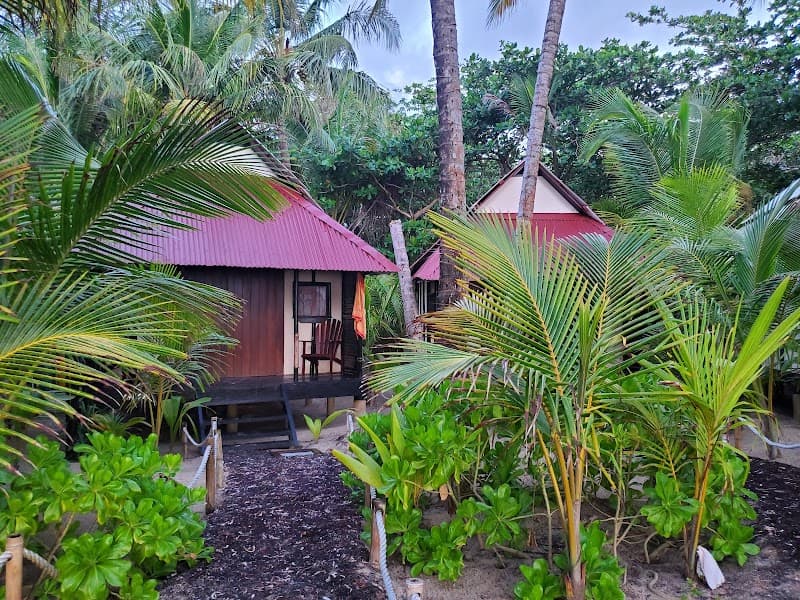
7 Slow Jungle-Sea Days on Little Corn Island
Week · $$$
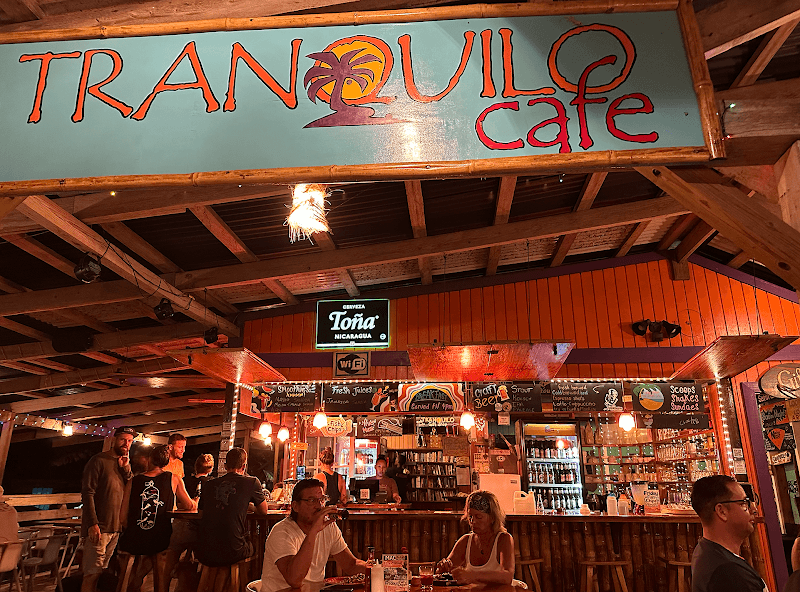
Seven Slow Days on Wild Little Corn Island
Week · $$$
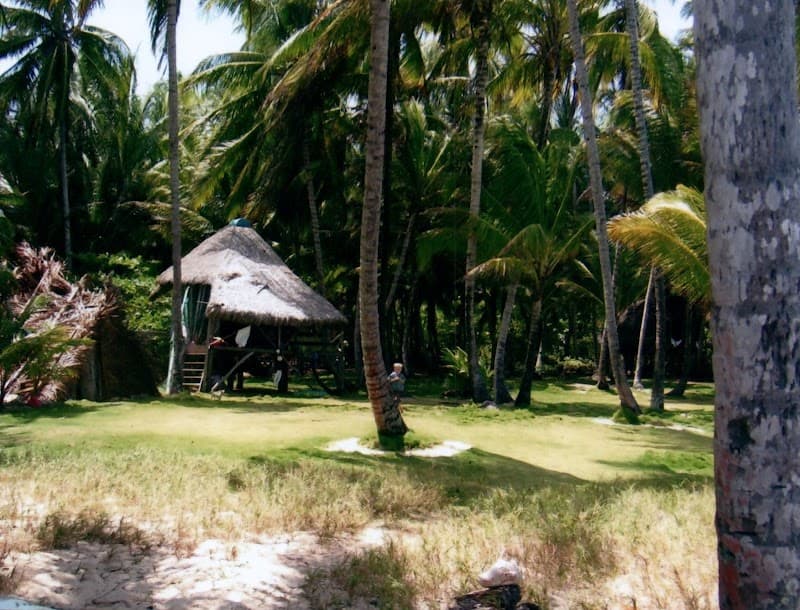
Jungle Shores & Coral Reefs on Little Corn Island
Weekend · $$$

Romantic Jungle-Island Week on Little Corn
Week · $$$
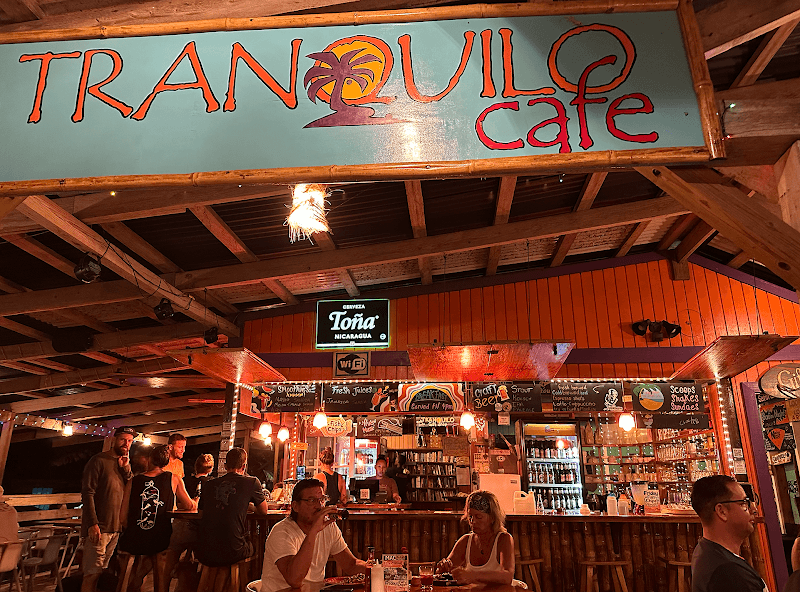
Little Corn Island: Jungle-Quiet Romance by the Sea
Weekend · $$$
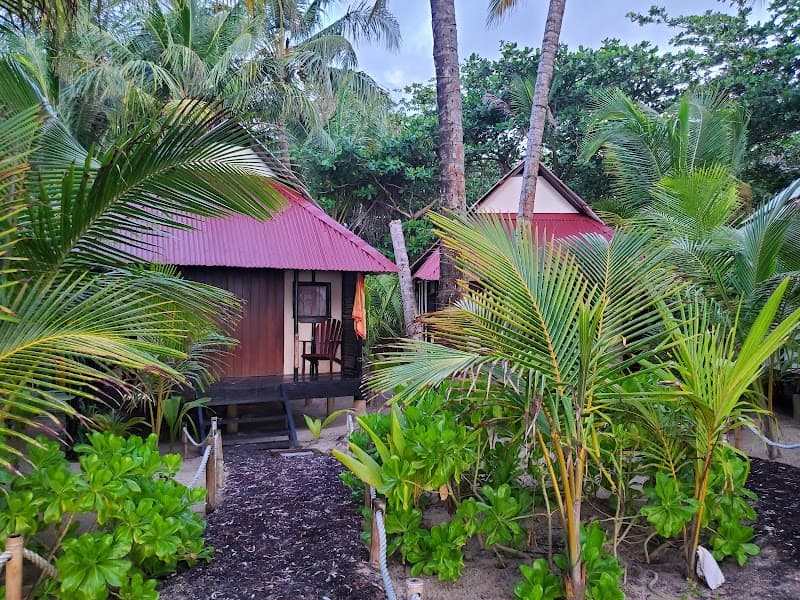
Jungle Shores & Coral Floors: 7 Days on Little Corn
Week · $$$
Things to Do in Little Corn Island
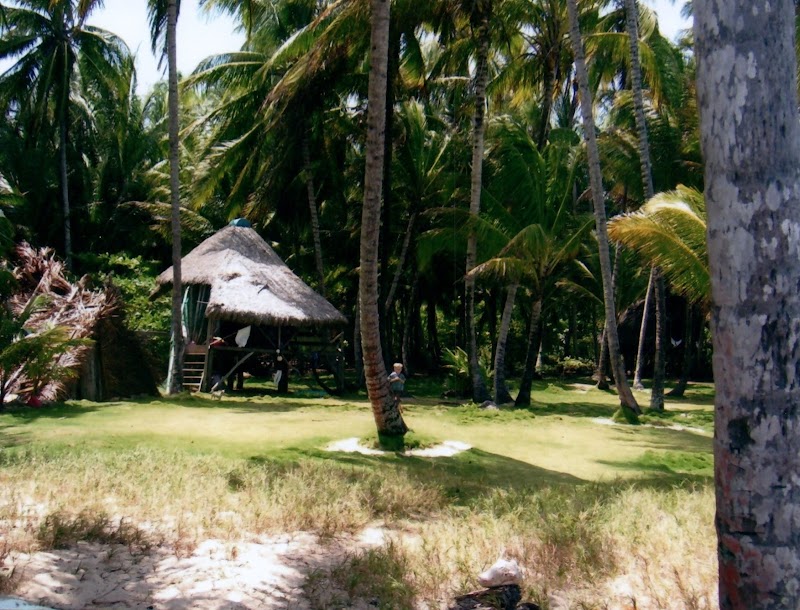
Village Orientation Walk
Village Path (Central Little Corn) · 60 min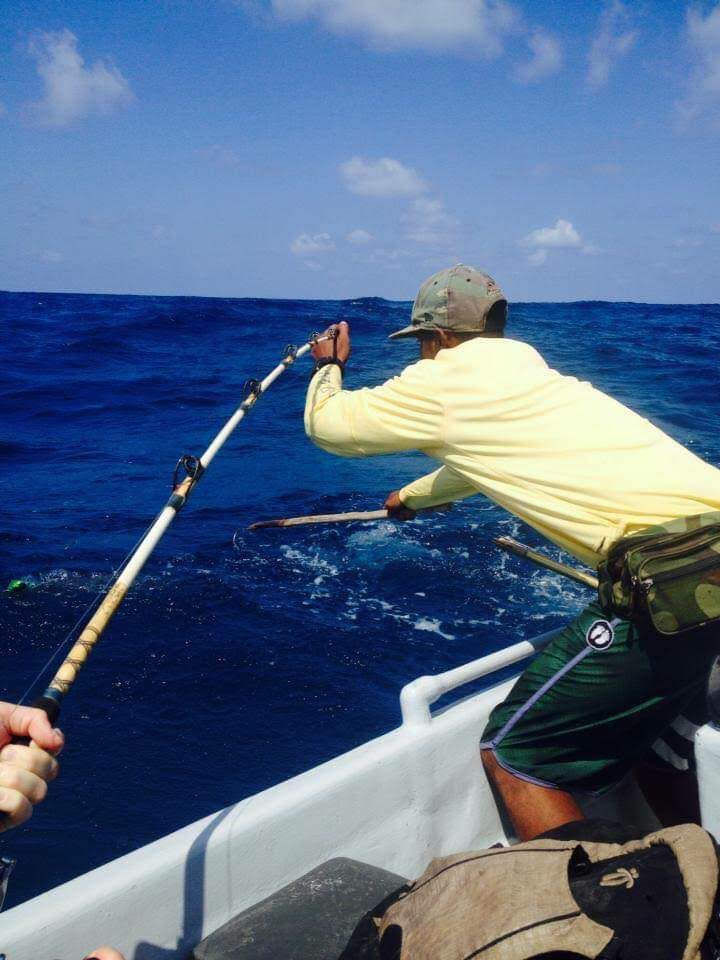
Little Corn Island Fishing and Snorkeling Tours
Village Pier & Offshore Reefs (East of Village) · 150 min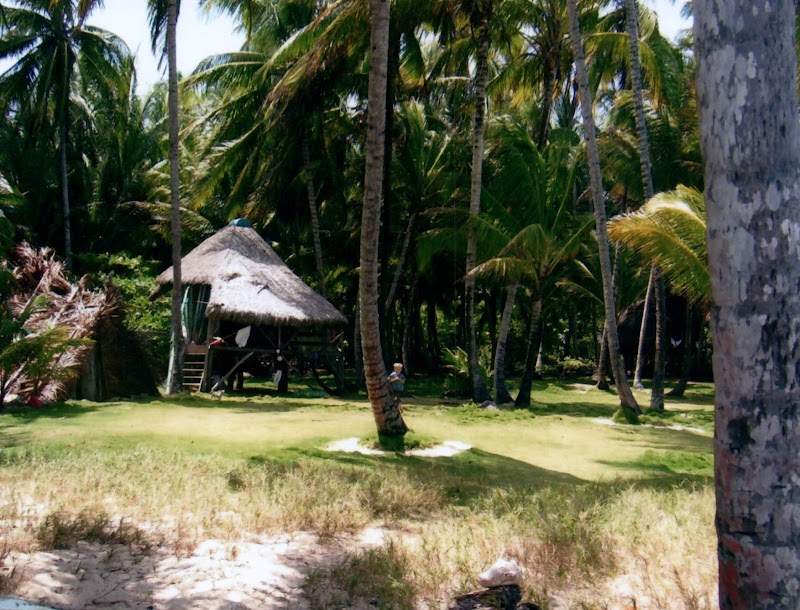
Village Orientation Stroll
Village Center · 90 minMoney-Saving Tips
- 1.Bring all the cash you'll need — no ATMs exist on the island and cards aren't accepted anywhere
- 2.Pack your own snorkeling gear to avoid $10/day rental fees and questionable equipment quality
- 3.Buy beer and snacks on Big Corn Island before taking the panga — prices are 30% higher on Little Corn
- 4.Book accommodations directly to avoid booking platform fees that can add $15-20 per night
- 5.Eat lunch at local spots like Carlitos ($10 for huge portions) instead of hotel restaurants ($20+ for similar meals)
- 6.Bring reef-safe sunscreen from home — the island's limited supply costs $15 for a small bottle
Travel Tips
- •Download offline maps before you go — cell service is spotty and WiFi exists only at a few hotels
- •Pack light in a waterproof bag — the panga boat ride can be wet and luggage transport is by wheelbarrow
- •Bring a headlamp or flashlight — streetlights don't exist and paths get dark after sunset
- •Pack insect repellent — sand flies come out at dawn and dusk, especially on the beach
- •Confirm panga boat times before traveling — schedules change based on weather and demand
- •Bring extra batteries for electronics — power outages happen regularly and charging options are limited
Frequently Asked Questions
Explore Little Corn Island
BUILD YOUR
LITTLE CORN ISLAND PLAN
Insider picks, smart timing, and a plan ready when you are.
Start Planning