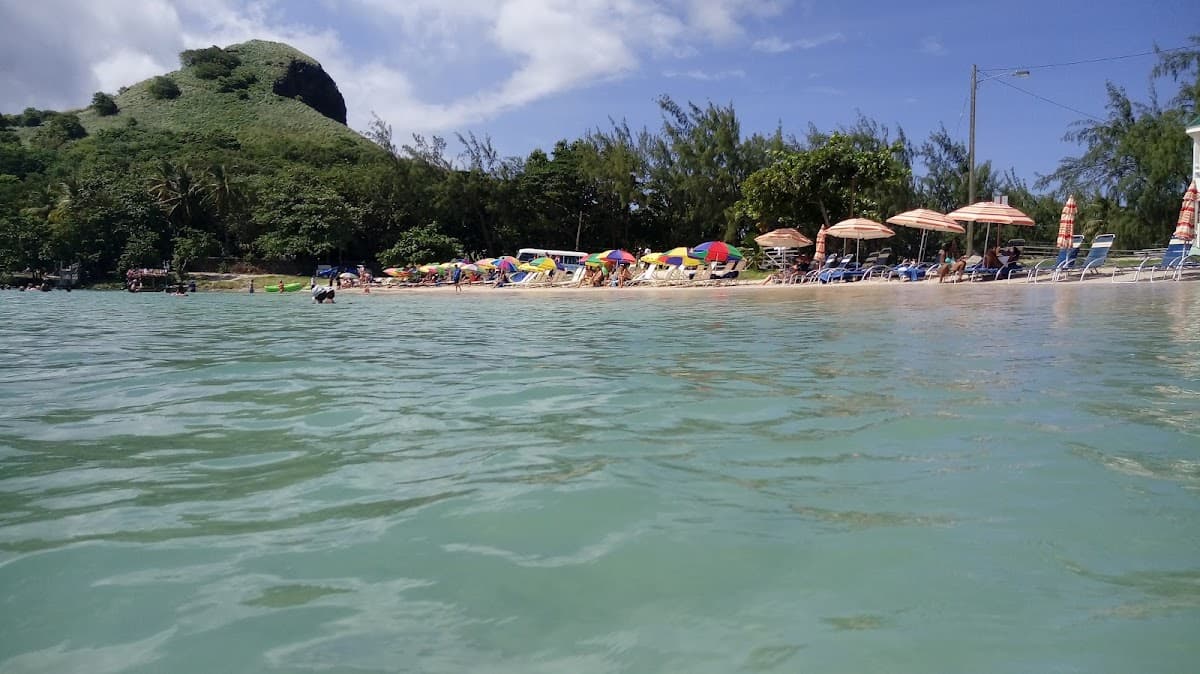
Saint Lucia
Dramatic Pitons rise from turquoise Caribbean waters
Those twin volcanic peaks jutting straight out of the Caribbean Sea? That's your first glimpse of Saint Lucia, and trust me, photos don't do the Pitons justice. This isn't your typical beach-and-buffet Caribbean destination. Saint Lucia serves up dramatic landscapes, world-class resorts tucked into jungle hillsides, and some of the most romantic sunsets you'll ever witness. The island manages to feel both luxurious and authentically Caribbean — you'll find five-star spas alongside local fish fries, and pristine beaches next to working banana plantations. And here's what surprised me most: despite being just 238 square miles, Saint Lucia packs in rainforest hikes, volcano tours, and snorkeling spots that rival anywhere in the region.
Culture & Context
FRENCH-BRITISH-CARIBBEAN BLEND
Saint Lucia sits in the eastern Caribbean and carries a genuinely complicated colonial history. The island changed hands between France and Britain fourteen times, which is why you get this fascinating collision of French-influenced Kwéyòl dialect, British-rooted institutions, and a proudly Caribbean identity layered on top of both. English is the official language, but Kwéyòl (also called Patwa) is the one people actually use at the rum shop, the market, and around the dinner table.
The island only became fully independent in 1979, and that newness of nationhood gives Saint Lucians a particular energy about their culture. They're protective of it, proud of it, and very willing to share it with visitors who show genuine curiosity. The two Nobel Laureates the island produced (Derek Walcott in Literature, Arthur Lewis in Economics) are a legitimate source of national pride.
You'll see Walcott's name on the central square in Castries. Same-sex activity was decriminalized in 2025, a significant legal shift, though social attitudes remain conservative outside of resort areas, especially in smaller towns.
Local Customs
ISLAND TIME & TI PONCHE
Dress codes are real here. Resorts and restaurants expect actual clothes. Walking through Castries or Soufrière in a swimsuit will get you turned away from shops and restaurants without a second glance.
Beachwear stays at the beach.. The Friday Night Jump-Up at Gros Islet is a weekly institution, not a tourist event. Locals eat barbecued chicken and fish, drink rum, and dance in the street.
Show up hungry and cash-ready. Credit cards are not the move at roadside stalls.. Island time is genuine and non-negotiable.
If someone says 'Mwen ka vini' (I'm coming), pour yourself a ti ponche. They might mean five minutes. They might mean two hours.
The locals joke about it themselves.. Ti ponche is the national drink. White rum, fresh lime, and cane syrup, served in a small glass.
It is strong, it is local, and ordering one signals that you actually know what you're doing.. The midday meal is the main event. Most local restaurants serve lunch but not dinner.
If you're eating local and cheap, get there between 11am and 1pm. After that, the food is gone.. Jounen Kwéyòl (Creole Heritage Day) falls in late October, culminating around October 25.
The whole island shows up in madras fabric, eats traditional food, and celebrates the language and culture that nearly got erased by colonial education systems. If you're there in October, go.. Liming is not laziness.
It's the Saint Lucian art of hanging out with no particular agenda. If someone invites you to lime, accept it. That's when the real conversations happen..
Public displays of affection between same-sex couples may attract unwanted attention outside of resort areas, even though the law changed in 2025. Discretion is advised in smaller towns and villages.
Safety
LEVEL 1, WATCH WINDING ROADS
Saint Lucia sits at Level 1 (Exercise Normal Precautions) in the US State Department's travel advisory system. That's as good as it gets internationally. For most visitors staying in Rodney Bay, Soufrière, or Marigot Bay, the trip will be entirely uneventful.
But here's the honest version: petty crime (bag snatching, pickpocketing) does happen in Castries, particularly at the market and around the cruise ship terminals. Violent crime is concentrated in specific local areas and rarely intersects with tourist zones. Don't walk alone at night in poorly lit areas anywhere on the island, and don't flash expensive electronics or jewelry.
Use licensed taxis (light blue plates, TX prefix) rather than accepting rides from strangers. The roads themselves are a legitimate hazard: winding mountain terrain, drivers who stop suddenly without warning, and speeding minibuses. Drive defensively and slow down on any mountain road.
Some beaches have dangerous riptides and no warning flag systems. Ask hotel staff or locals before swimming anywhere unfamiliar. Hurricane season runs June through November.
Saint Lucia sits south enough that direct hits are rare, but monitor forecasts during that window and carry solid travel insurance that includes medical evacuation. The main hospital is Owen King EU Hospital in Castries. For serious procedures, evacuation to a neighboring island or the US may be necessary.
Getting Around
MINIBUSES & MOUNTAIN TAXIS
Two airports serve the island. Hewanorra International Airport (UVF) in the south handles international flights from the US, UK, and Europe. George F.
L. Charles Airport (SLU) near Castries handles smaller regional flights. If you land at UVF and you're staying in the north, the taxi ride to Rodney Bay is about 90 minutes and costs $90-110 USD.
That's not a typo. The road connecting south and north winds through the mountains and is genuinely scenic but very slow. Some travelers opt for a water taxi or catamaran transfer instead, which is faster and more enjoyable.
Local minibuses (green plates, M prefix) run between major towns and are the cheapest way to move around. Flag one down at a marked stop or along the coastal road, confirm your destination before boarding, and pay in EC dollars. For independent exploration, renting a car works but comes with a mandatory local temporary driver's license (purchased at any rental office or the Transportation Office in Gros Islet).
Drive on the left. Seriously. And take the mountain roads at half the speed you think you need.
The roads are narrower and steeper than they look on any map.
Useful Phrases
Explore Cities
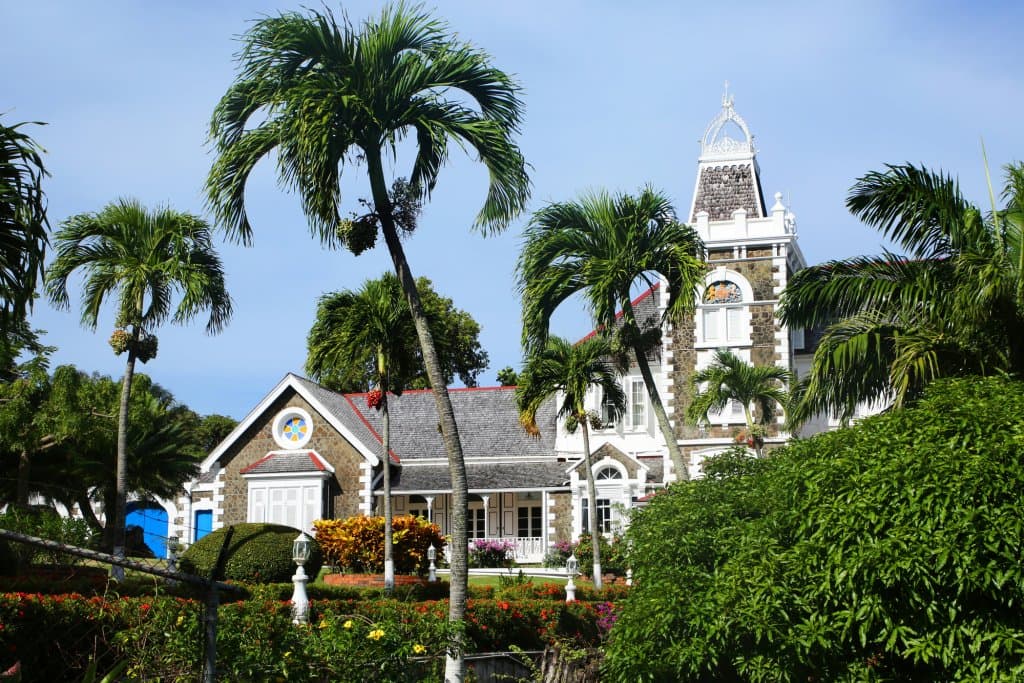
Explore the Region
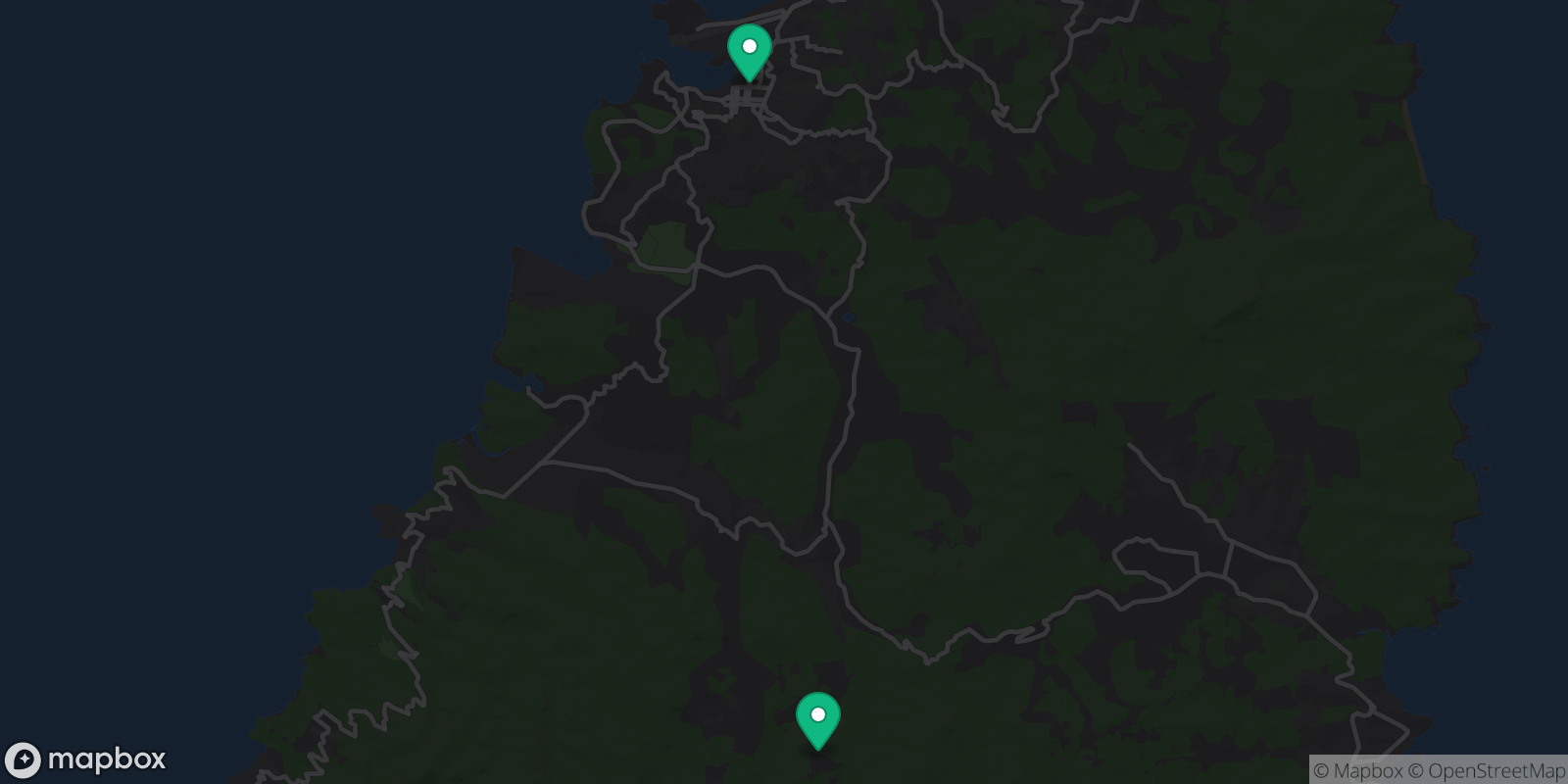
Saint Lucia Itineraries
View all
Seven Slow Days in Saint Lucia on a Shoestring
Week · $
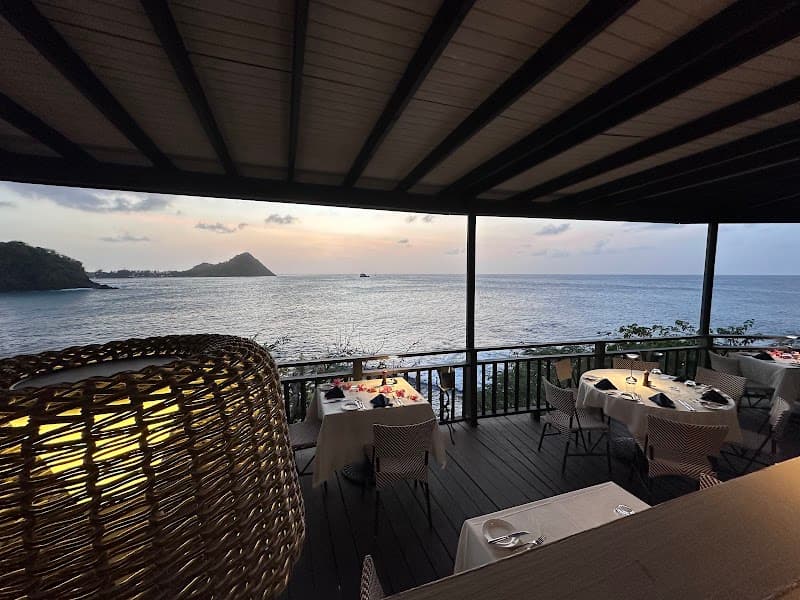
Nine Slow, Romantic Days in Saint Lucia
Weekend · $$$$
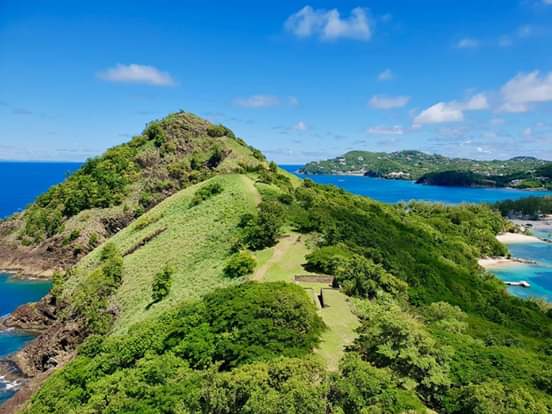
Saint Lucia North: Coastal Trails, Kayaks & Creole Flavors
Weekend · $$$
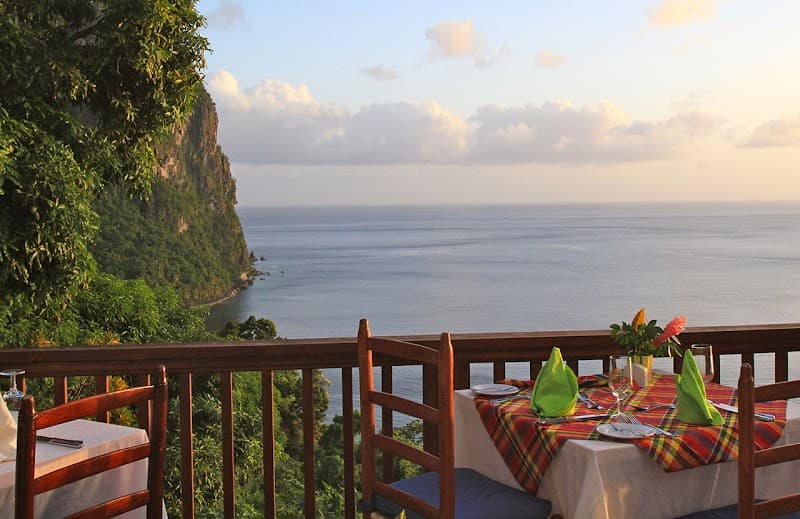
Romantic Pitons & Paradise: 7-Day St. Lucia Itinerary for Couples
Week · $$$
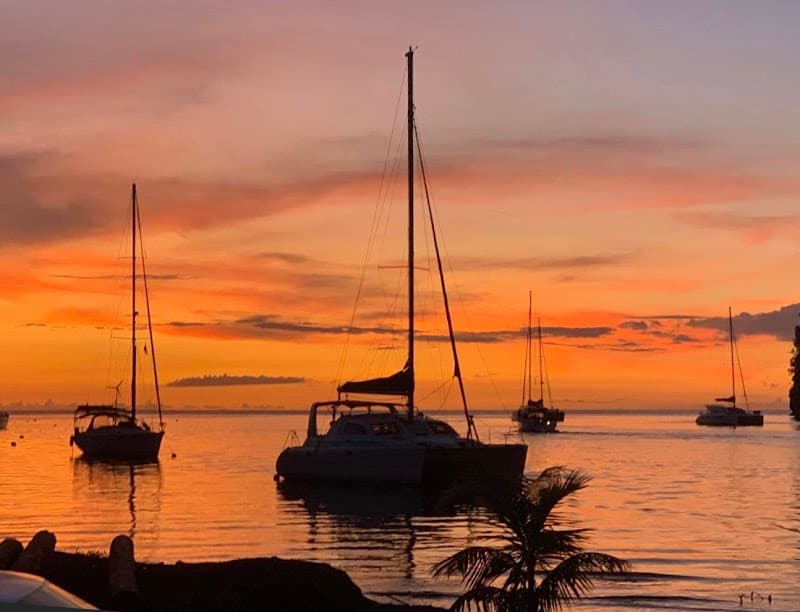
Saint Lucia: Volcanic Serenity & Caribbean Discovery
Week · $$$
Tropical Bliss: 7-Day Couples Retreat in Saint Lucia
Week · $$$
Money-Saving Tips
- 1.Book accommodations directly with hotels in September-October for the best rates — many offer 40% discounts during low season
- 2.Eat at local fish fries and street food stalls instead of resort restaurants to cut meal costs in half
- 3.Rent a car for 2-3 days only for exploring, then rely on hotel shuttles and taxis for airport transfers
- 4.Buy groceries at JQ Charles Supermarket in Rodney Bay if your accommodation has a kitchen — resort mini-bars are extremely expensive
- 5.Book catamaran tours directly at the marina rather than through your hotel to avoid 20-30% markup fees
Travel Tips
- •Pack reef-safe sunscreen — many beaches and marine parks ban chemical sunscreens to protect coral reefs
- •Bring cash in small bills for local vendors and taxis — many don't accept credit cards or give poor exchange rates
- •Download offline maps before exploring — cell service can be spotty in mountainous areas between towns
- •Book restaurant reservations early during peak season (December-April) as popular spots fill up quickly
- •Pack insect repellent for rainforest hikes and evening dining — mosquitoes are most active at dawn and dusk