St. Paul
Twin Cities sophistication with Victorian charm and cultural depth
St. Paul feels like Minneapolis's more refined older sibling. While Minneapolis gets the buzz, St. Paul keeps the soul. Here's a city where Victorian mansions line tree-canopied streets, where you can catch world-class theater one night and explore caves the next. The Mississippi River curves around downtown like a protective arm, and Summit Avenue stretches four miles of architectural eye candy that makes you want to slow down and actually look around. Sure, winters are brutal. But summer evenings on the Cathedral Hill neighborhood feel like stepping into a different century – the good parts, anyway.
Best Months
MAY – SEP
~24°C · high crowds
Culture & Context
HMONG HEARTLAND MIDWEST
St. Paul is Minnesota's capital city, and it carries itself differently than Minneapolis. It's smaller, older-feeling, and less aggressively trendy. The architecture leans Victorian and Baroque — locals sometimes call it 'the last city of the East' because early developers modeled it on Eastern U.S. city standards, with squares, towers, and elaborate stonework.
But the cultural story that really defines contemporary St. Paul is immigration. The city is home to the largest urban Hmong population in the United States, numbering over 94,000 people. The Hmong arrived largely as refugees following the Secret War in Laos, and Minnesota's strong social service networks — many rooted in Catholic and Lutheran charities — drew wave after wave of families. That history is palpable in the food along University Avenue, in the marketplaces, in the political class. In 2025, St. Paul elected Kaohly Her as its first woman and first Asian American mayor. She was born in the mountains of Laos and came to the U.S. as a refugee at age three.
Beyond the Hmong community, St. Paul has significant East African, Vietnamese, Karen (from Myanmar), and Latino populations. The Frogtown and Payne-Phalen neighborhoods reflect that diversity in their restaurants, markets, and community life. The Little Mekong District on University Avenue functions as a year-round Southeast Asian cultural hub.
Underneath all of this sits a Scandinavian-German-Irish Catholic foundation — the original settler community — whose influence shows up in the food culture (hot dish, lutefisk at Christmas), the communication style (Minnesota Nice, the indirect 'yeah no'), and a pervasive civic pride that doesn't need to shout about itself.
Local Customs
MINNESOTA NICE HOCKEY
Minnesota Nice is real but layered. Strangers will help you jump-start your car in a snowstorm without being asked. That same person might never actually invite you to hang out.
It's polite, warm on the surface, and can take a while to crack into genuine friendship. Don't confuse courtesy for closeness.. Winters are serious.
Mid-January temperatures regularly drop to -20°F with windchill. Locals dress in layers, keep jumper cables in their cars, and carry boots. If you're visiting in winter, so should you — especially for the Winter Carnival..
The State Fair in late August is treated as an almost-religious event. Over a million people attend across 12 days. Traffic within a mile of the fairgrounds grinds to a halt.
Plan around it or plan to be in it.. St. Paul and Minneapolis are twin cities but not the same place.
Locals are particular about this distinction. Don't mix them up in conversation — each has its own identity, sports teams, and culture.. Hockey is basically a civic religion.
High school hockey tournaments draw crowds that rival professional games. The Minnesota Wild at Grand Casino Arena is a major social event. If someone asks if you want to go to 'the game,' they probably mean hockey..
The Hmong community has fundamentally shaped St. Paul's culture, food, and politics. Hmong New Year at RiverCentre each fall, Hmongtown Marketplace, and Hmong Village are major cultural institutions — not tourist attractions for outsiders, but real pillars of community life.
Approach respectfully and with genuine curiosity.. Tipping is standard and expected at 18–20% at sit-down restaurants. Minnesotan politeness doesn't extend to stiffing servers..
People call carbonated drinks 'pop' here. Order a 'soda' and you'll get a mildly confused look followed by polite compliance.
Safety
SMART AWARENESS REQUIRED
St. Paul's crime rate runs higher than state and national averages, but lower than Minneapolis. The tourist-heavy areas — downtown, Grand Avenue, Summit Hill, Harriet Island, Como Park — are generally safe during the day and not heavily problematic at night either, though normal city awareness applies after dark.
Neighborhoods like Macalester-Groveland, Como Park, and Highland Park have notably low crime rates. Parts of the city's East Side and some areas north of downtown are higher-crime and worth avoiding if you're unfamiliar with the city — locals can give current guidance. The Frogtown neighborhood has a mixed reputation but is generally fine during daytime for food and market visits.
Pickpocketing isn't a major issue but common sense applies in crowds at festivals. The bigger seasonal hazard is weather: winters in St. Paul are genuinely brutal, with windchills regularly below -20°F and heavy snowfall. Watch for black ice. In summer, tornado watches are not uncommon on the Great Plains — know where to shelter. Tap water throughout the city meets or exceeds all safety standards.
Getting Around
METRO & BUS NETWORK
The Metro Green Line is your main tool. It connects downtown Minneapolis to downtown St. Paul along University Avenue, stopping at the University of Minnesota campus in between. Trains run frequently throughout the day. A single ride is $2, or just $0.50 if you're staying within the downtown St. Paul zone. A 7-day unlimited pass costs $24 — worth it if you're visiting for more than a couple of days. Pay with the Metro Transit app, a Go-To card, or exact cash change on buses.
The newer Gold Line (opened March 2025) runs between downtown St. Paul and Woodbury along the I-94 corridor, useful if you're coming from the eastern suburbs. The B Line connects St. Paul and Minneapolis along Lake Street, Marshall, and Selby Avenues (opened June 2025). Amtrak's Empire Builder stops at the beautiful Union Depot in Lowertown — the depot is worth a visit on its own for the architecture.
For getting around within St. Paul, the bus network is comprehensive but can be slow depending on route. Ride-share (Uber, Lyft) is reliable and reasonably priced. The Evie shared e-bike network covers many neighborhoods. Parking downtown is generally available but can be $15–25/day in ramps near popular venues. During major events at Grand Casino Arena or Harriet Island, budget extra time regardless of how you're traveling. One honest downside: St. Paul is less bikeable than Minneapolis in terms of infrastructure, though it's improving.
Useful Phrases
St. Paul Itineraries
View all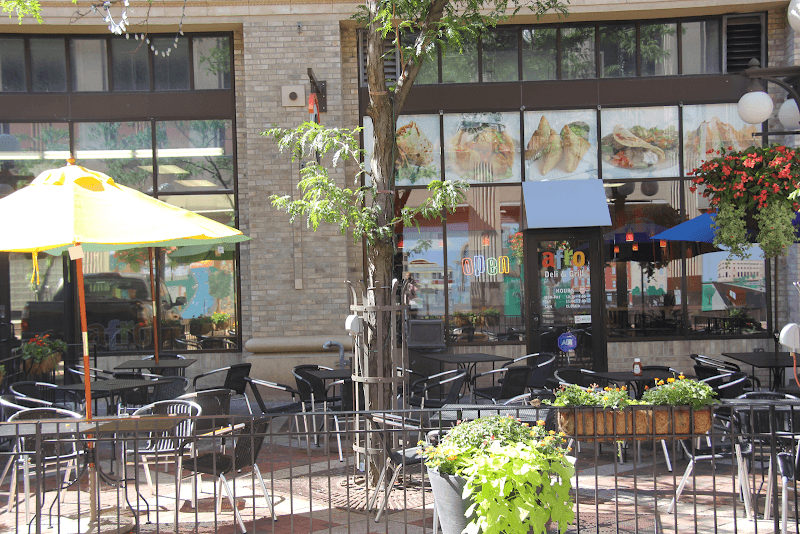
7 Jungly Days in St. Paul’s Green & Gritty Corners
Week · $$$
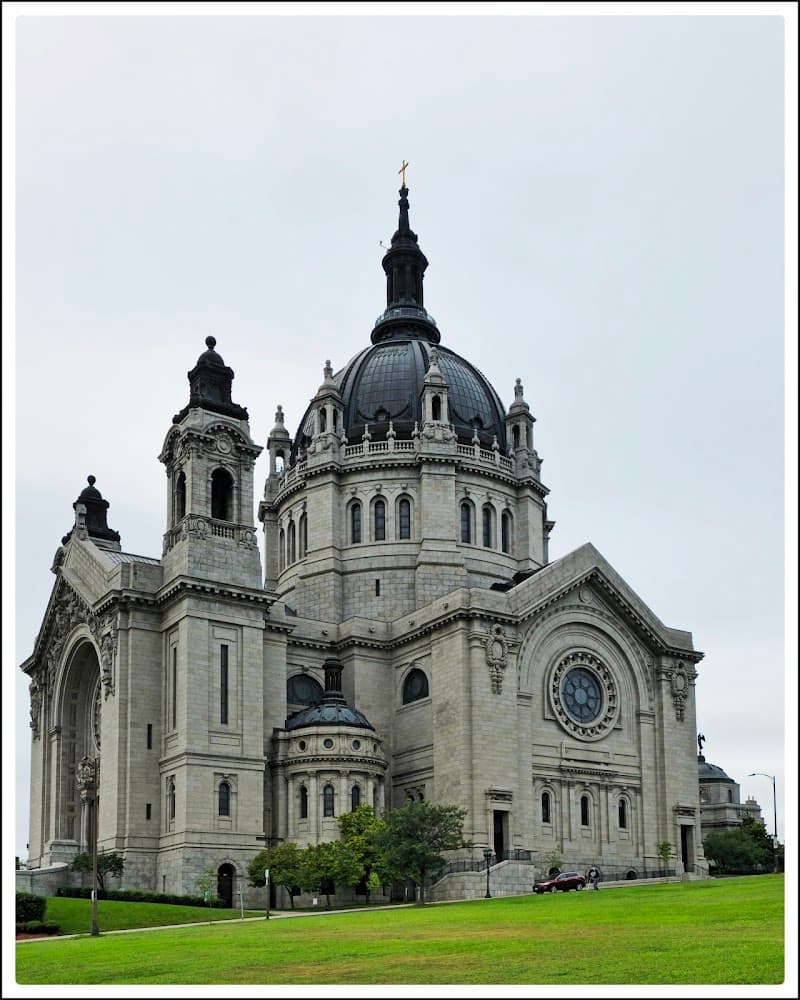
Three Easy Days in St. Paul: River Views, Gardens, and Historic Corners
Weekend · $$$
Wild Green Corners of Saint Paul: A 3-Day Escape
Day Trip · $$$
7 Days of Romantic St. Paul: Gardens, History, and Easy Wanders
Week · $$$

Romantic Riverfront Escape in Wild St. Paul
Weekend · $$$

Romantic St. Paul Weekend with Riverfront Greenery
Day Trip · $$$
Things to Do in St. Paul
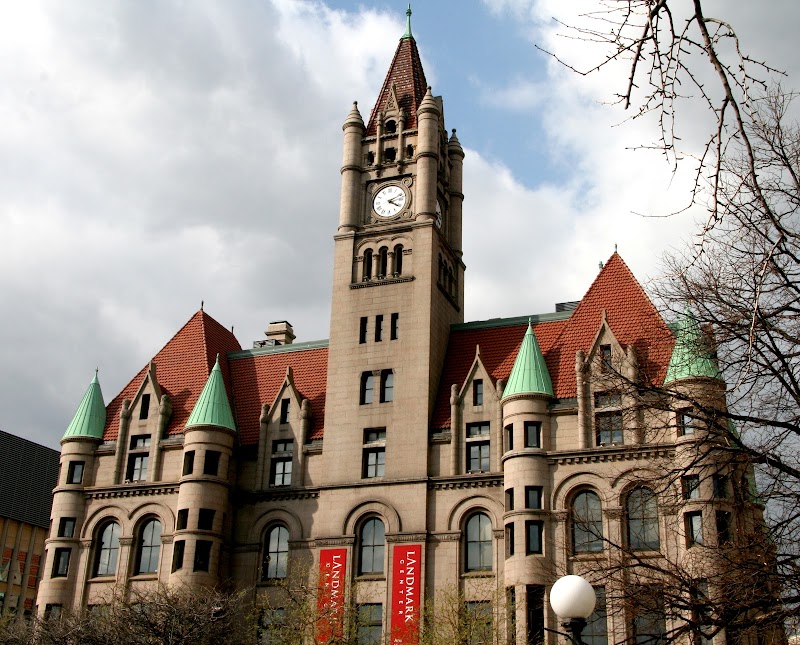
Rice Park and Landmark Center
Downtown / Lowertown · 90 min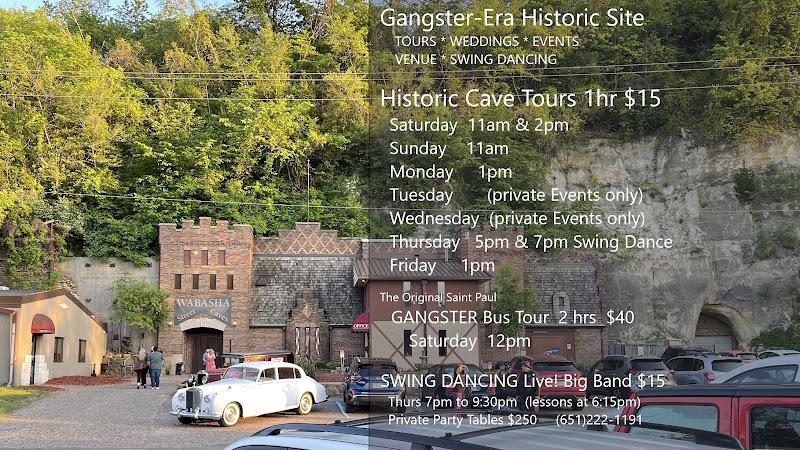
Wabasha Street Caves Tour
West Side / Downtown River Edge · 90 min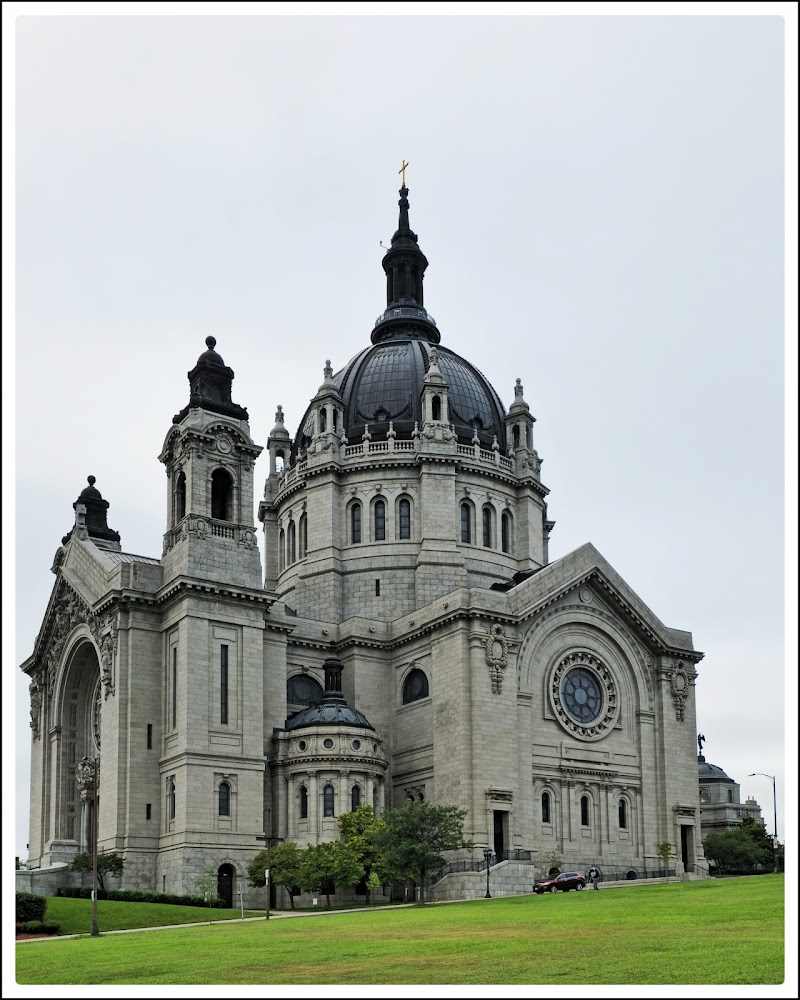
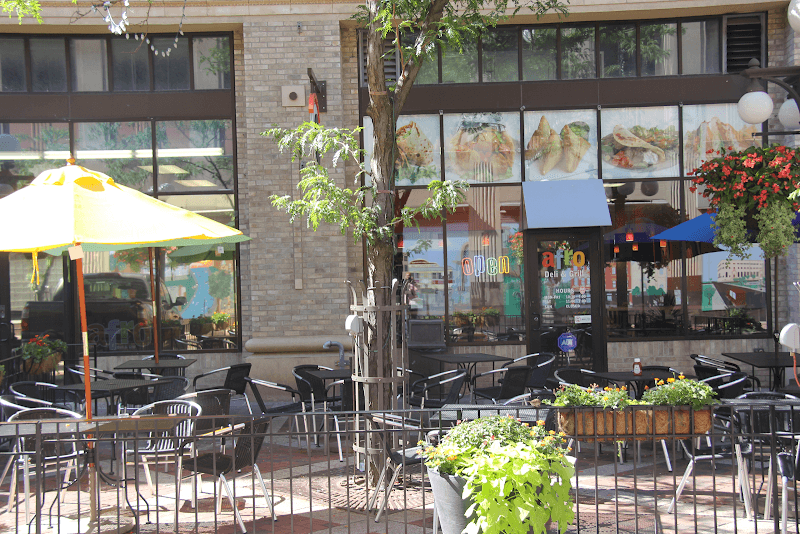
Cathedral of Saint Paul
Cathedral Hill · 90 minMoney-Saving Tips
- 1.Many museums offer free admission for Minnesota residents – if you're staying longer term, this can add up to significant savings
- 2.The Green Line light rail between St. Paul and Minneapolis costs just $2.50 during peak hours, much cheaper than parking in either downtown
- 3.Summit Avenue walking tours are free and self-guided – pick up a map at the visitor center rather than paying for organized tours
- 4.Happy hour at local breweries typically runs 3-6 PM with $1-2 off pints
- 5.The State Capitol offers free tours daily, and parking in the surrounding neighborhood is free on weekends
- 6.Many Grand Avenue shops offer student discounts – worth asking even if you're not currently enrolled
- 7.Como Park Zoo and Conservatory operates on suggested donations rather than fixed admission fees
- 8.Farmers markets accept cash only but prices are typically 20-30% lower than grocery stores for local produce
Travel Tips
- •Download the Nice Ride bike-share app – stations throughout the city make short trips easy and affordable
- •Street parking on Summit Avenue is free but limited to 2 hours during weekdays
- •The skyway system downtown connects major buildings but closes evenings and weekends
- •Como Park Zoo gets crowded on weekend afternoons – visit weekday mornings for a more relaxed experience
- •Grand Avenue shops typically close by 6 PM Monday-Wednesday, later Thursday-Saturday
- •The Cathedral of Saint Paul offers free tours but requires advance booking during peak season
- •Mississippi River Boulevard provides the best scenic driving route through the city
- •Union Depot has free Wi-Fi and comfortable seating if you need to work or wait between transportation
- •Most restaurants on University Avenue don't take reservations – arrive early or be prepared to wait
- •The Science Museum parking fills up quickly on weekends – arrive before 10 AM or use public transit