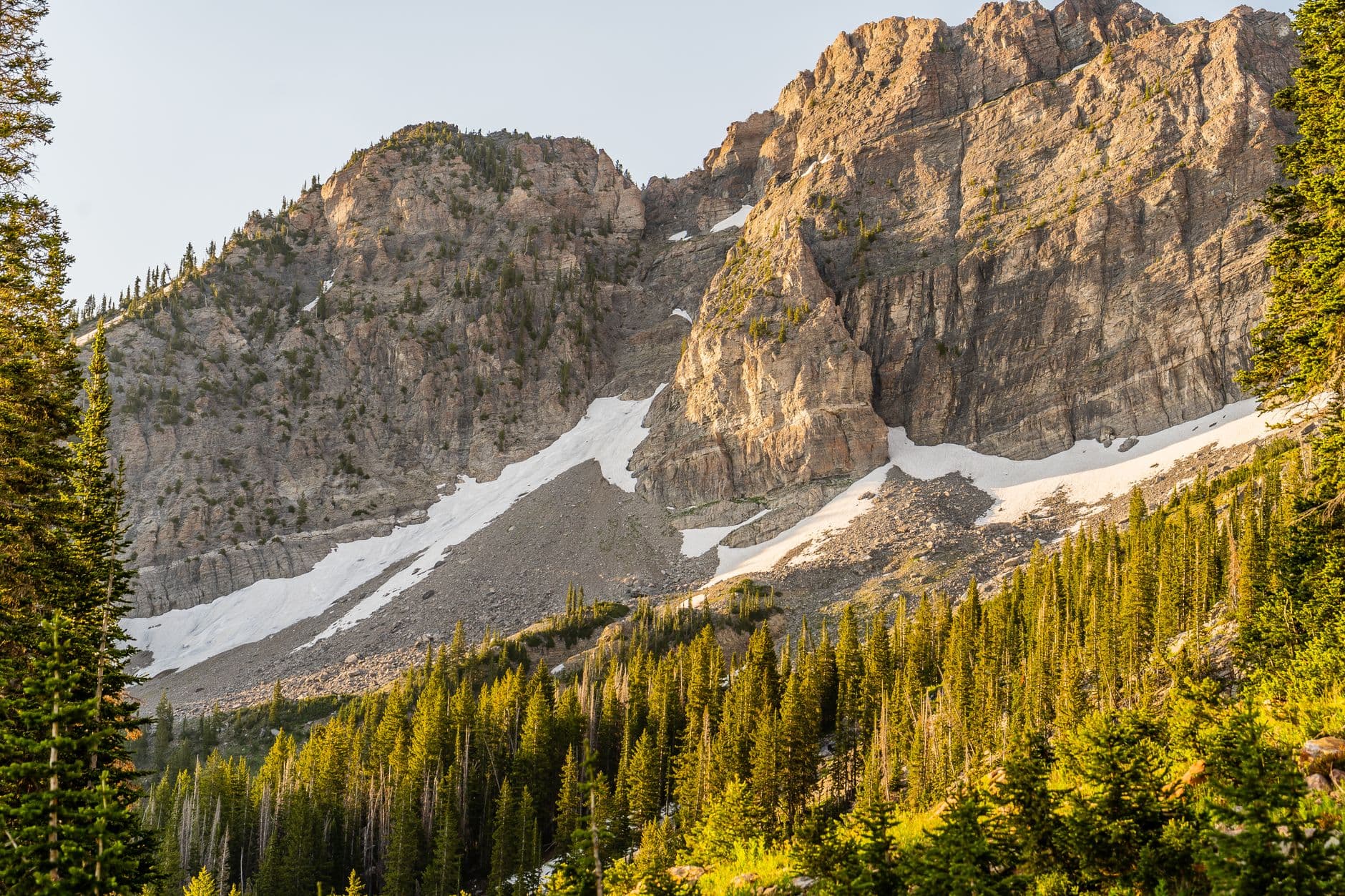
Alta
Arctic wilderness gateway for Northern Lights and midnight sun
Alta sits at 70 degrees north, making it one of Europe's most northerly cities and your gateway to the raw Arctic wilderness. This is where the Northern Lights dance overhead for months on end, where the midnight sun refuses to set in summer, and where Sami culture runs deep through reindeer herding traditions that stretch back millennia.
The Alta River cuts through town, famous worldwide for its salmon fishing. But Alta's real draw is its position as a launching pad for Arctic adventures. You're looking at snowmobile expeditions across frozen landscapes, dog sledding through silent forests, and some of the planet's most reliable Northern Lights viewing from October through March.
Look, Alta isn't going to win any beauty contests for its town center - much of it was rebuilt after WWII bombing. But step outside the city limits and you'll find yourself in landscapes that feel like another planet entirely. The Alta Museum houses the world's largest collection of prehistoric rock art, while the Northern Lights Cathedral's titanium spires catch the light like frozen aurora.
Best Months
JAN · FEB · JUN · JUL · NOV · DEC
~1°C · moderate crowds
Culture & Context
SKIERS ONLY, NO EXCEPTION
Alta sits at the top of Little Cottonwood Canyon, about 25 miles southeast of Salt Lake City, at roughly 8,500 feet. It started as a silver mining camp in the 1860s. By 1878 a fire had wrecked most of the town, an avalanche finished off more of it in 1885, and by the 1930s only one resident remained.
Then in 1937-38 it became Utah's first ski resort, and that transformation stuck. The mining legacy isn't just window dressing — Alta still has original cabin claims on the hillsides, and the Goldminer's Daughter lodge takes its name from the saloon that once stood in the same spot. The culture here is unapologetically ski-focused.
No snowboards, no exceptions. Courts have backed it up. If you show up with a single plank, staff will politely turn you around at the lift.
It's a polarizing policy, but it's also part of why regulars keep coming back — there's a specific kind of quiet intensity on these runs that you don't find at bigger, noisier resorts. The mountain averages around 550 inches of snow per year, one of the highest totals in the contiguous US. People plan their whole winters around that number.
Local Customs
SNOWBOARDS STRICTLY BANNED
Alta is skiers-only. No snowboards, split boards, snow bikes, ski blades, or snow skates are allowed on the mountain. This isn't a rumor or a rumor that gets ignored — lift attendants actively enforce it.
Snowbird, literally 1.5 miles down the road, welcomes snowboarders.. Interlodge is the protocol when UDOT conducts avalanche mitigation on SR-210.
Everyone must stay inside their lodging or vehicle — no exceptions. Violating it is a Class B misdemeanor carrying up to a $1,000 fine and possible jail time. More seriously, it forces emergency personnel under active avalanche paths to retrieve you and delays the canyon opening for everyone else..
No dogs allowed anywhere in Little Cottonwood Canyon, not even in cars. The whole canyon is part of Salt Lake City's protected culinary watershed. Rangers check at trailheads..
Parking reservations are required Friday through Sunday and on holidays from 8am to 1pm. Reservations drop every Sunday at 3pm. Set a phone reminder if you're planning a weekend visit — they go fast..
The UTA Ski Bus runs free for Ikon Pass holders, Alta season pass holders, and Ski Super Pass holders. Tap your pass and ride. It's genuinely the better option on storm days when the canyon gets backed up..
Swimming or wading in any creek or lake in the canyon is prohibited. Cecret Lake looks inviting. Don't do it — it's protected watershed and rangers will ticket you.
Safety
AVALANCHE ZONE, STAY ALERT
The canyon road (SR-210) has 64 identified avalanche slide paths, meaning more than half the road runs through active slide terrain. UDOT closed the canyon 34 times in the 2022-23 season alone. Closures happen overnight and sometimes mid-day without much warning.
Sign up for @udotcottonwoods and @udotavy alerts on X or Instagram, and check the Utah Avalanche Center (utahavalanchecenter.org) before any trip. When Interlodge is called, stay inside your building or car until cleared.
It is enforced. Getting caught outside is a Class B misdemeanor and a genuine safety issue for everyone in the canyon. For backcountry users: UDOT closes all LCC backcountry from approximately 8pm the night before planned avalanche mitigation work, with a typical all-clear around 8am.
On high-volume days, UDOT and local law enforcement can restrict uphill traffic entirely at the canyon mouth — check before you leave home. No dogs anywhere in the canyon. No swimming in Cecret Lake or any other creek or lake — it's protected watershed and rangers actively patrol.
At 8,500-10,000 feet elevation, altitude affects people more than they expect. Drink more water than you think you need, skip the extra drink at the Saloon the first night, and give yourself a day to adjust if you're coming from sea level.
Getting Around
BUS OR SHUTTLE REQUIRED
Alta sits at the end of SR-210 (Little Cottonwood Canyon Road), about 25 miles from Salt Lake City International Airport. From the airport, a private shuttle runs around $38 one-way or $74 round-trip; book it, because the canyon has zero gas stations and you do not want to run low on fuel during a multi-hour Red Snake backup. The UTA Ski Bus is the smart move on storm days.
Route CS1 runs from Midvale Fort Union TRAX station, and Route CS2 runs from the 6200 South Wasatch Park and Ride — both reach Snowbird and Alta. Route 994 departs Historic Sandy Station every 30 minutes starting at 6:01am. One-way fare is $5, or free if you tap an Ikon Pass, Alta season pass, or Ski Super Pass.
The last bus down from Goldminer's Daughter leaves at 6:09pm. Once you're in the canyon, the Town of Alta runs three free shuttle services daily, stopping every 30 minutes at major lodges and the Albion base area. No car needed once you're there.
If you drive, 4WD or AWD with snow tires (not just all-season) is strongly recommended. A traction law may be in effect going up and not in effect when you leave — or vice versa. Never enter the canyon with less than half a tank of gas.
Road closures for avalanche mitigation can last hours with no warning.
Useful Phrases
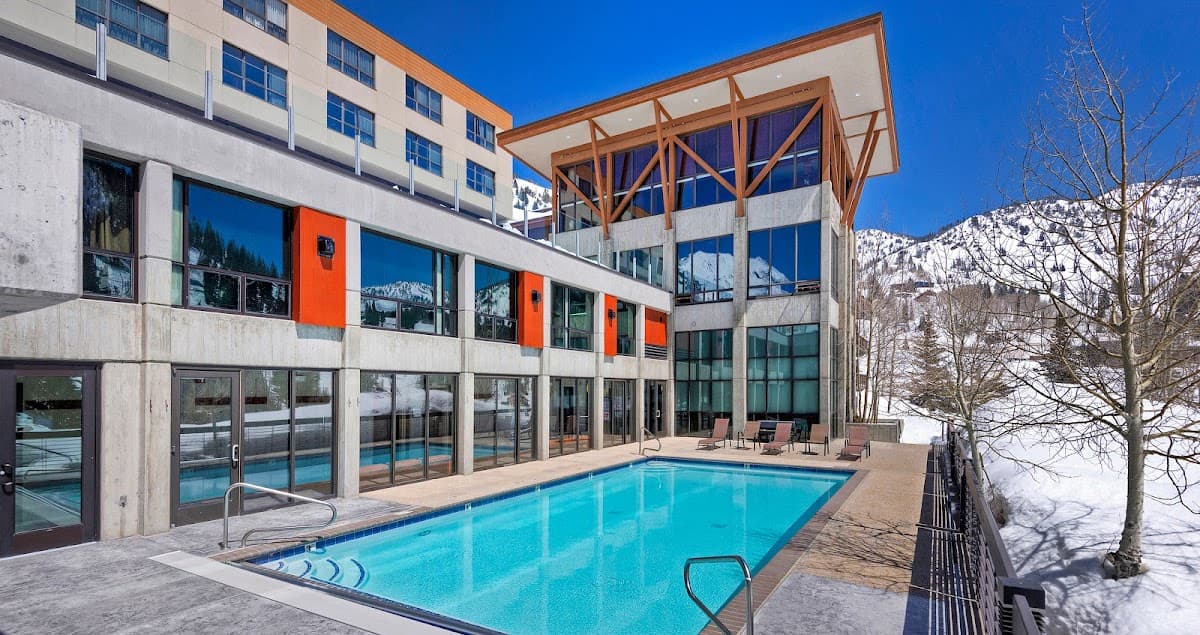
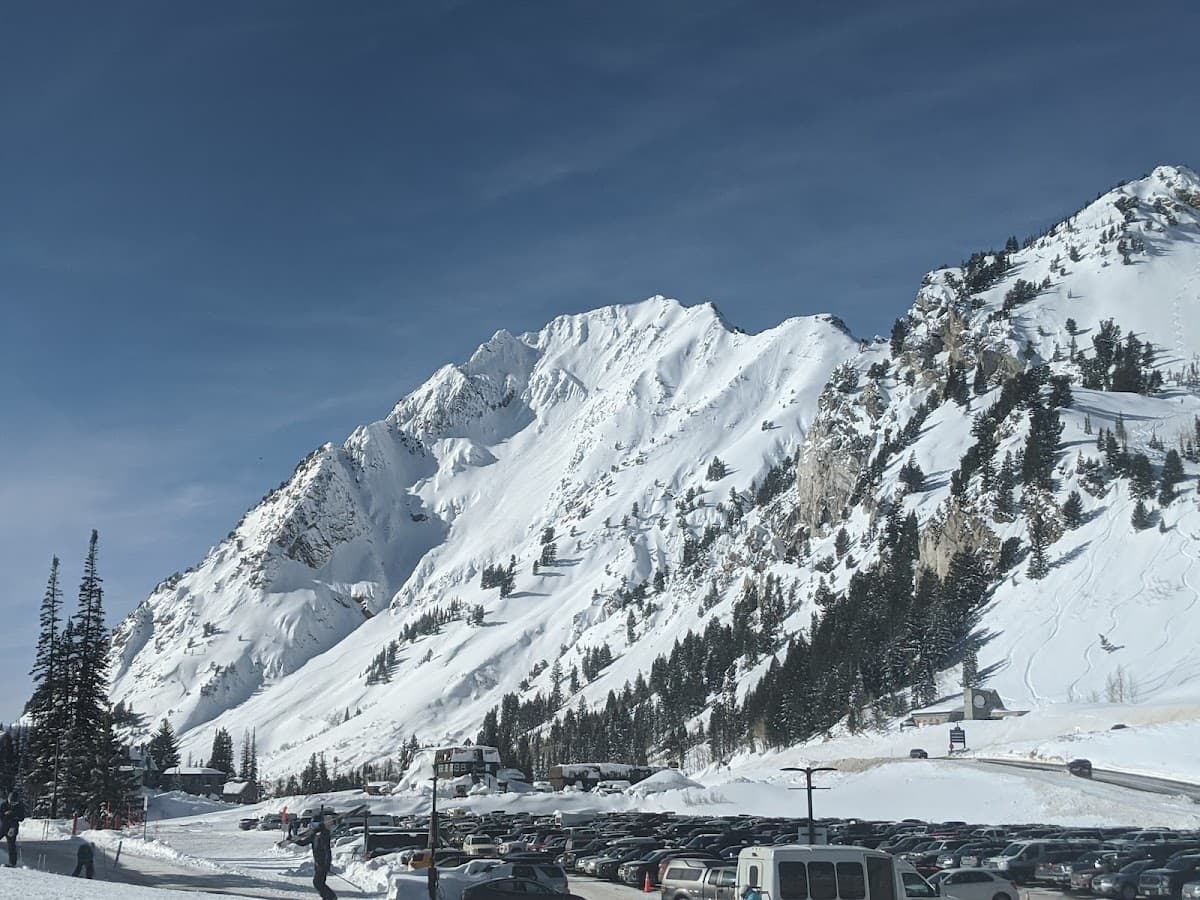
Things to Do in Alta
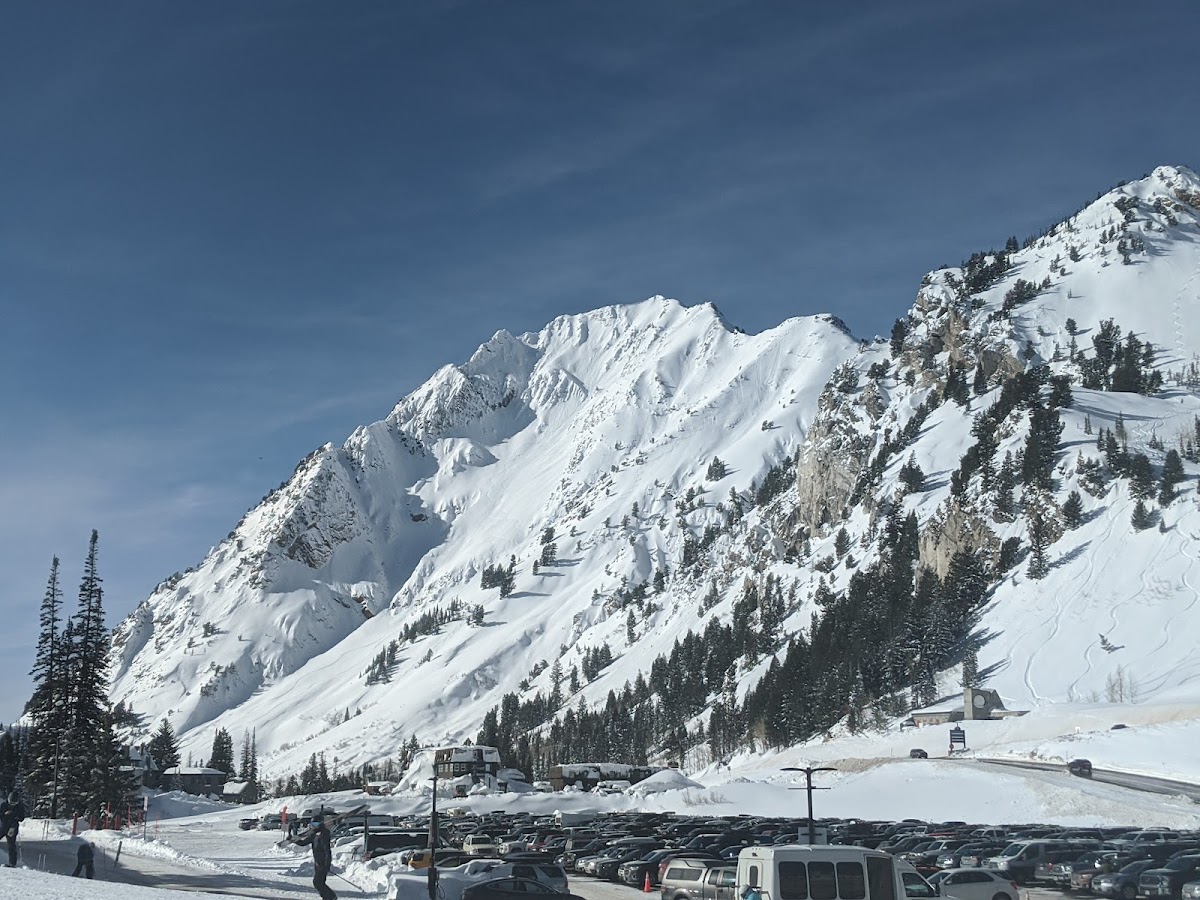
Alta Ski Area
480 min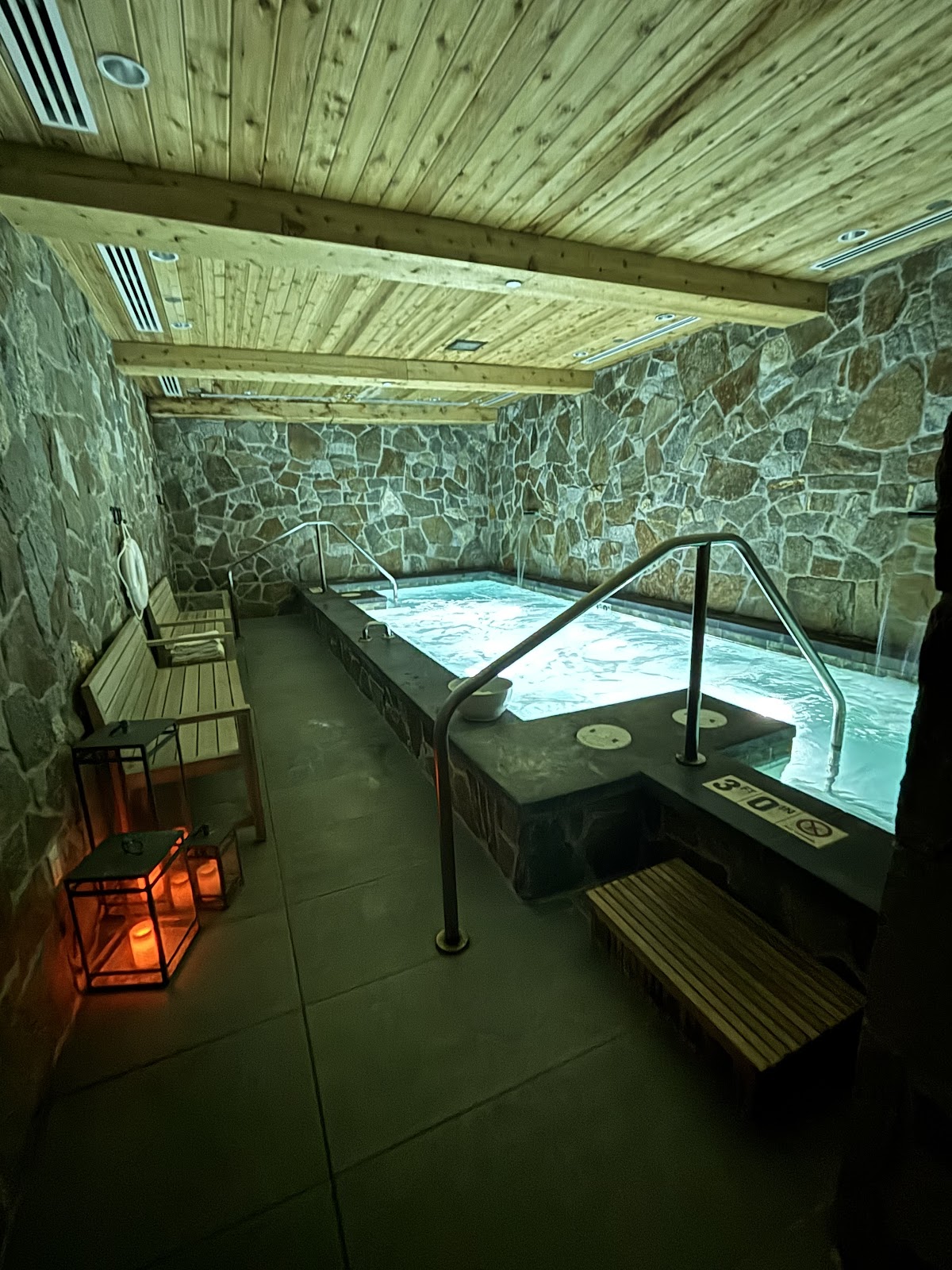
Stillwell Spa
120 min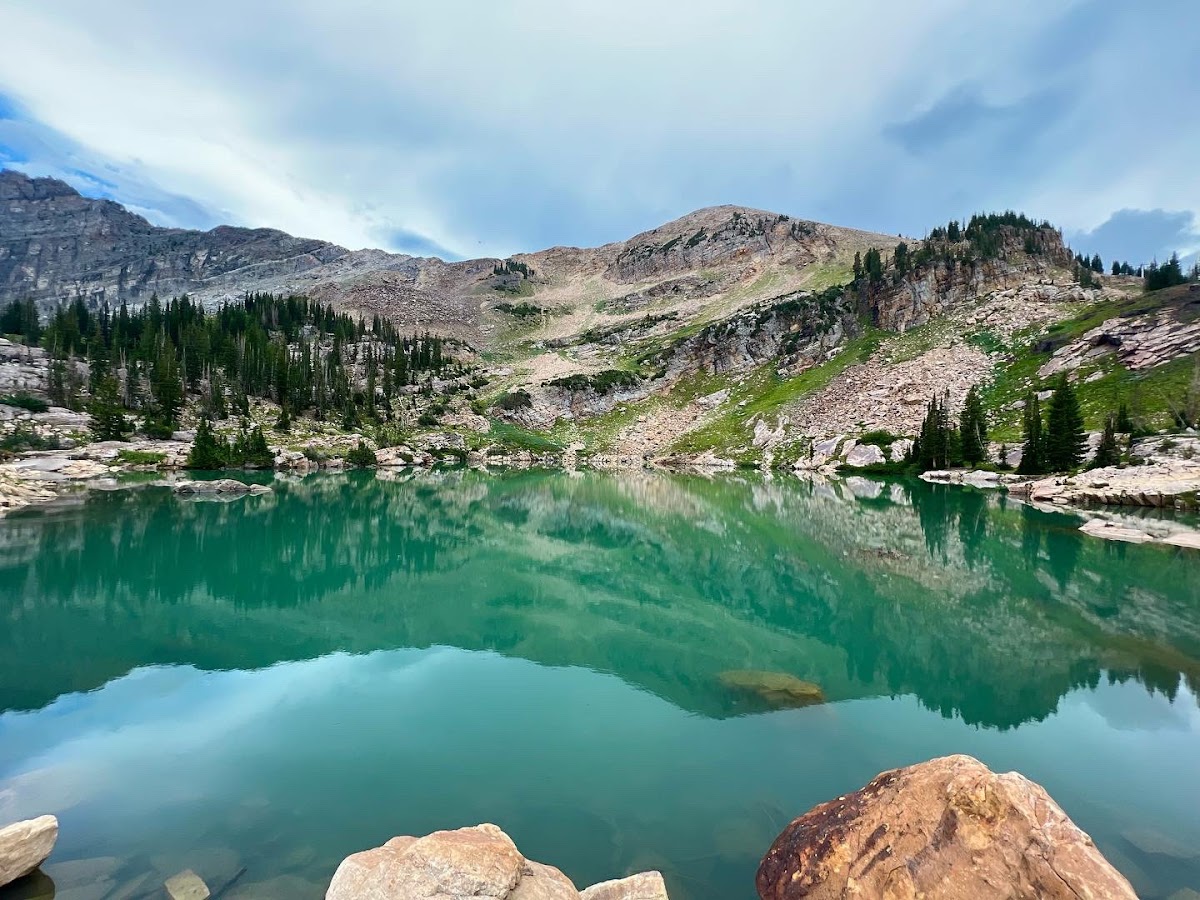
Cecret Lake Trail
180 minMoney-Saving Tips
- 1.Buy groceries at Rema 1000 or Kiwi supermarkets rather than tourist shops - prices drop by 30-40%
- 2.Book Northern Lights tours directly with operators instead of through hotels to save 200-300 NOK per person
- 3.Fish for your own salmon with a day permit (200 NOK) instead of buying at restaurants where it costs 400+ NOK per dish
- 4.Stay in wilderness lodges outside town - they often include meals and activities, making them better value than city hotels plus separate tour bookings
- 5.Visit during shoulder seasons (March or September) for 20-30% lower accommodation rates while still accessing main activities
- 6.Rent a car and self-drive to North Cape instead of taking organized tours - saves 800+ NOK per person
- 7.Buy alcohol at Vinmonopolet before dining out - restaurant markup on wine and beer is 200-300%
Travel Tips
- •Download the Aurora Forecast app and set alerts - Northern Lights activity can spike suddenly
- •Pack layers including thermal underwear - outdoor temperatures can swing 20 degrees between day and night
- •Bring a headlamp with red filter for Northern Lights photography - preserves night vision while adjusting camera settings
- •Book aurora wake-up calls at your hotel - many offer this free service during winter months
- •Learn basic Norwegian phrases - English isn't as widely spoken here as in southern Norway
- •Carry cash - some smaller tour operators and fishing guides don't accept cards
- •Check road conditions on vegvesen.no before driving - Arctic weather can close highways with little notice
- •Reserve restaurant tables in advance during Northern Lights season - limited dining options fill up quickly
- •Bring sunglasses for midnight sun season - 24-hour daylight causes serious eye strain without protection