Salt Lake City
Mountain gateway city blending outdoor adventure with urban culture
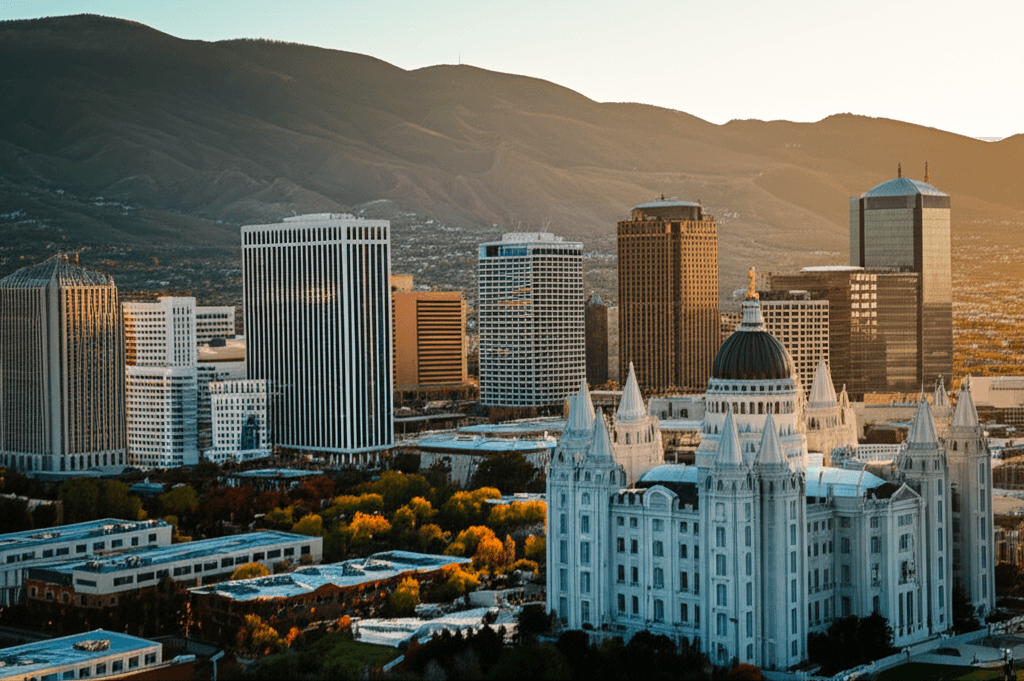
Salt Lake City hits different than most American cities. You've got world-class skiing 30 minutes away, craft breweries downtown, and the Great Salt Lake stretching to the horizon like an alien landscape. This isn't just a Mormon stronghold anymore — it's evolved into a proper outdoor adventure hub with surprising urban grit.
The city sits at 4,300 feet, surrounded by the Wasatch Mountains on one side and the Oquirrh Range on the other. Downtown feels compact and walkable, with wide streets laid out in a perfect grid system that makes navigation dead simple. The light rail connects you to the airport, ski resorts, and suburbs without needing a car.
But here's what surprises most visitors: Salt Lake City has serious food game now. The craft beer scene rivals Portland, thanks to relaxed liquor laws, and you'll find everything from Peruvian ceviche to authentic ramen in neighborhoods like Sugar House and The Avenues.
Best Months
JAN · FEB · APR · MAY · JUN · JUL · AUG · SEP · OCT · DEC
~19°C · moderate crowds
Culture & Context
TECH-BIOTECH WATERFRONT
San Francisco's South Beach and Mission Bay area is the city's newest, most planned neighborhood. It was literally a railroad yard until the late 1990s. Now it's plate-glass condos, biotech campuses, UCSF's medical complex, Oracle Park, and a waterfront trail that joggers treat like their personal highway.
The people who live here are overwhelmingly in tech or medicine. They're younger, they commute by Caltrain or Muni, and they're fine paying $14 for a cocktail. But here's the thing: the city is also doing something genuinely interesting in 2026.
Major SF restaurants are opening outposts down here (Breadbelly, Flour + Water Pizza Shop, and newcomer Casa Sofia just a block from Oracle Park), so the "fake neighborhood" critique is losing steam fast. The rest of San Francisco looks at Mission Bay as a kind of dollhouse version of itself. That's a little unfair.
It's clean, walkable, sunny more often than the foggy west side of the city, and a T-Third Muni ride from downtown. On game days, the energy around Oracle Park is legitimately great. Dungeeness crab sandwiches, garlic fries you can smell from outside, bay views from the upper deck.
And on non-game days, it's quiet enough that you can actually think.
Local Customs
BRING A JACKET ALWAYS
Never say 'Frisco' to a San Franciscan who grew up before 1990. Some people will visibly wince. The hip-hop community uses it freely, but read the room..
Bring a jacket everywhere, always. June gloom is real. The waterfront near Oracle Park gets wind off the bay that will catch you off guard at 3pm in August..
The Ferry Building Farmers Market on Saturday mornings is a genuine neighborhood ritual. Get there before 10am or the good stuff is gone.. Muni T-Third streetcar stops right at Oracle Park.
On game days, board before the 4th Street/King station or you're standing the whole way.. San Franciscans do not put 'the' before highway numbers. It's '101,' not 'the 101.
' Say 'the 101' and people will immediately clock you as an Angeleno.. Karl the Fog has his own social media presence. Locals genuinely affectionately track when he rolls in off the bay.
It's not just weather, it's a mood.. At SF Pride in late June, the Castro and Market Street fill up days in advance. Book accommodation months early and arrive well before the 10:30am parade start if you want a good spot..
Cash is mostly useless at Oracle Park. They're cashless. Same at most newer venues in the neighborhood.
Safety
SAFE EASTSIDE, AVOID WEST
South Beach and Mission Bay are among the safer parts of San Francisco. The waterfront, Oracle Park vicinity, and the UCSF Mission Bay campus area are all fine day and night. The situation changes once you head west into SoMa proper.
The 6th Street corridor between Market and Howard is a different city entirely — visible drug use, encampments, erratic behavior. It's not the kind of place to accidentally wander into after dark. Tourists generally don't need to go there.
The Tenderloin, north of City Hall, has similar dynamics. The advice from locals: stick east of 4th Street in SoMa, and you're fine. The Castro, North Beach, the Mission, and the waterfront neighborhoods are all comfortable.
Car break-ins are a known problem citywide. Do not leave anything visible in your car, including bags, cords, or anything that suggests there's something in the trunk. Seriously, nothing.
Empty car, no exceptions.
Getting Around
MUNI-CALTRAIN CONNECTED
Getting around the South Beach / Mission Bay area is actually pretty straightforward. The T-Third Muni Metro line runs right through it, stopping at Oracle Park and connecting north to the Central Subway toward Union Square and Chinatown. Caltrain terminates at 4th and King Street, one block from the water, making it easy to day-trip to the Peninsula or Silicon Valley.
For the wider city, BART covers downtown, the Mission, and SFO airport — a downtown BART station to SFO costs $10.55 each way. Since December 2025, you can tap any contactless credit or debit card directly on Muni and BART fare readers.
You don't need a Clipper card anymore for standard adult fares. Just tap your phone or card. One important heads-up: tag off when you exit BART and Caltrain, or you'll be charged the maximum fare.
Muni buses you only tap on. And delete the MuniMobile app if you have an old version — it can get you a fine in 2026. Use Clipper or tap-to-pay instead.
For World Cup match days at Levi's Stadium in Santa Clara, take VTA light rail to the Great America station adjacent to the stadium, or use the FIFA shuttle from downtown SF. Don't drive. Parking there starts at $203 with a pre-purchased pass and is not available day-of.
Useful Phrases
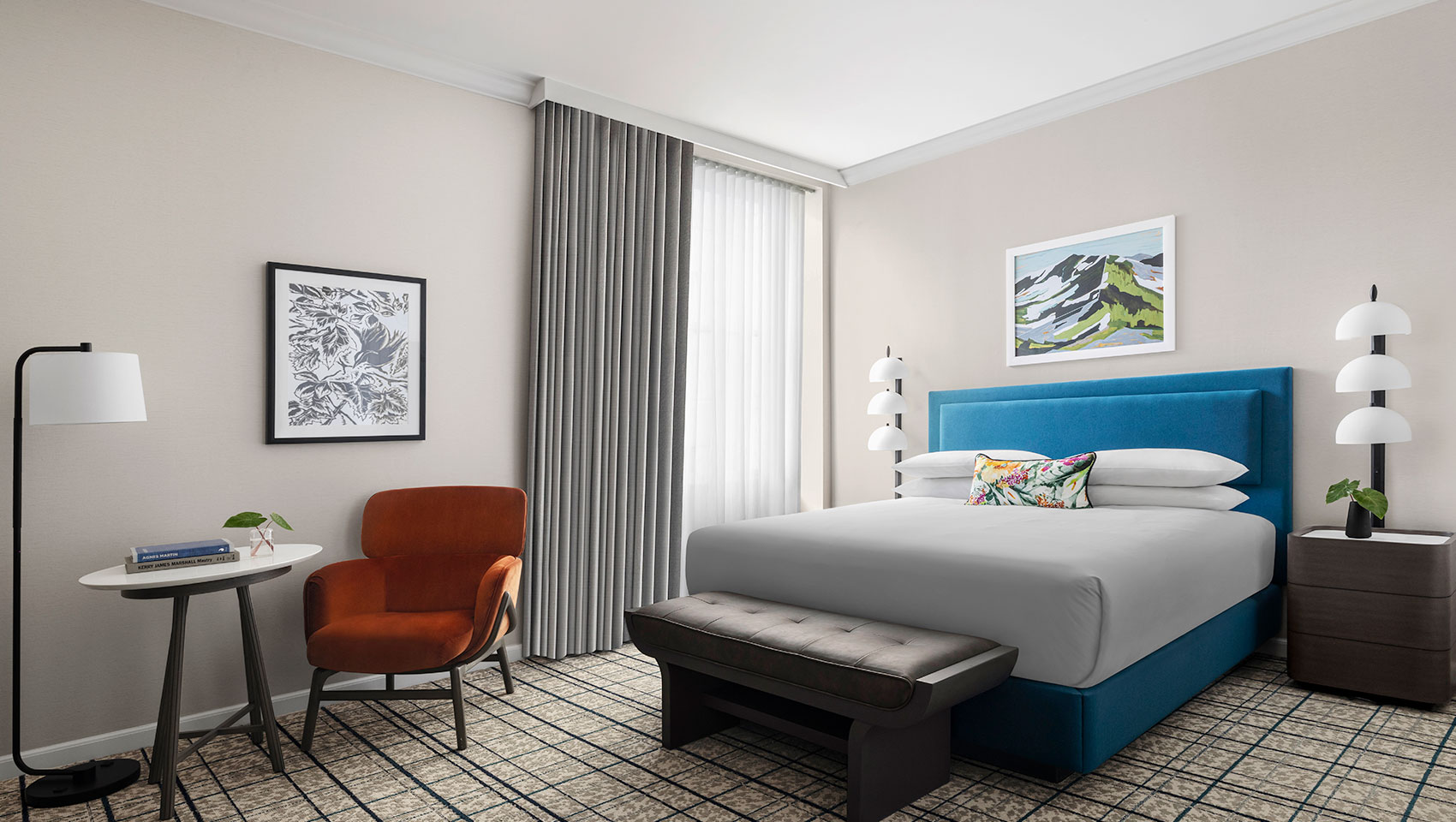
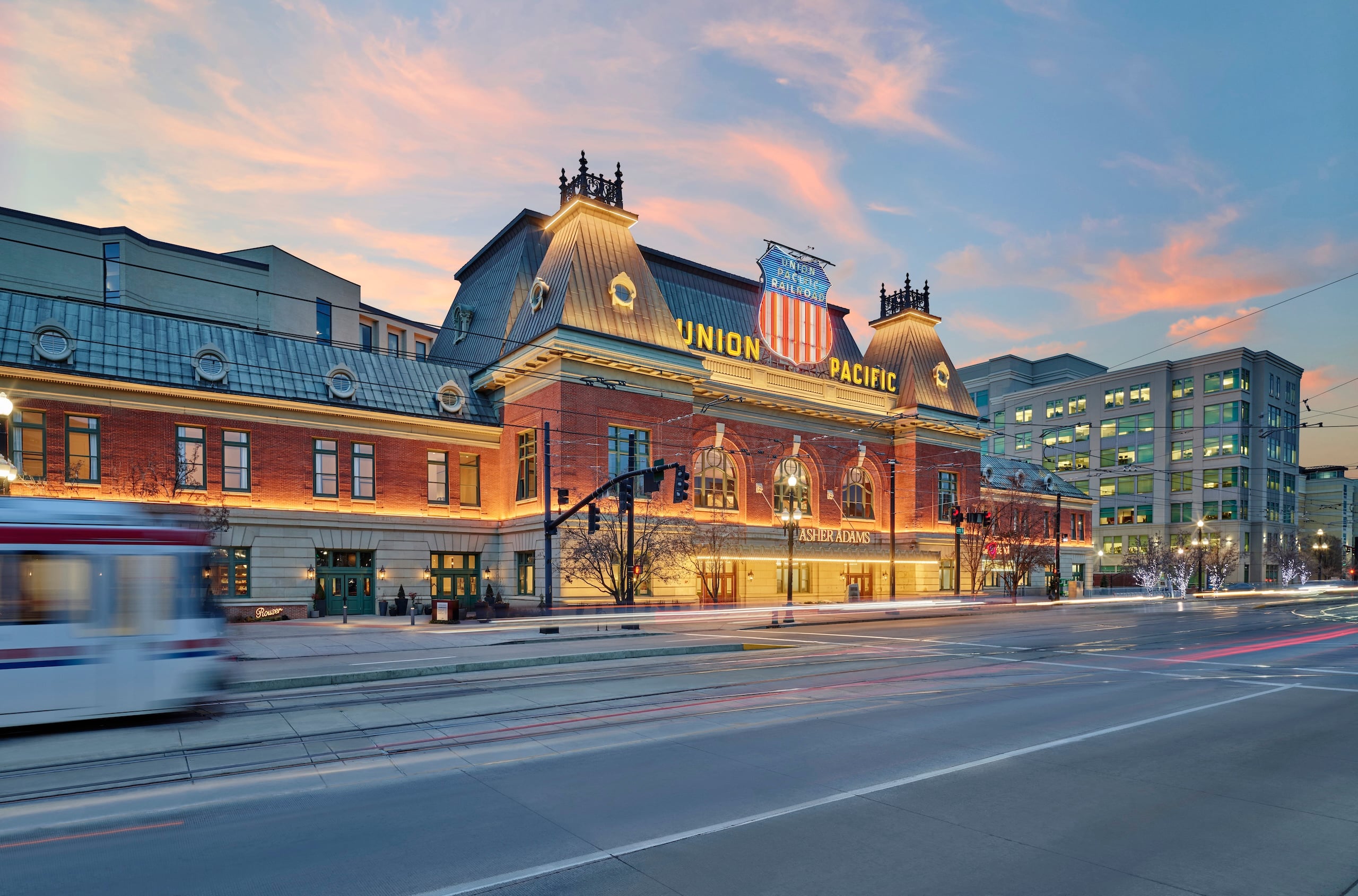
Where to Stay in Salt Lake City
3 recommended properties
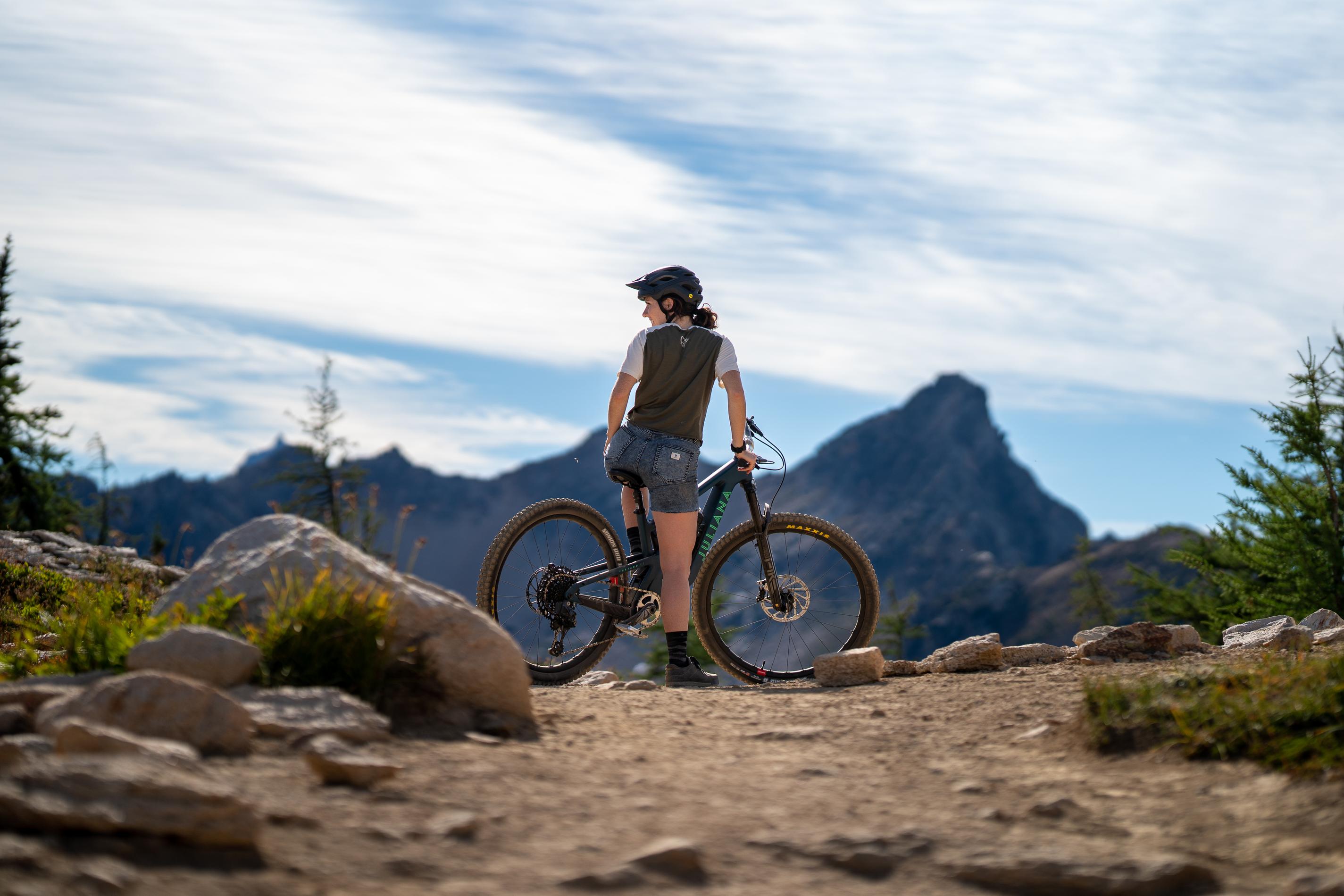
Things to Do in Salt Lake City
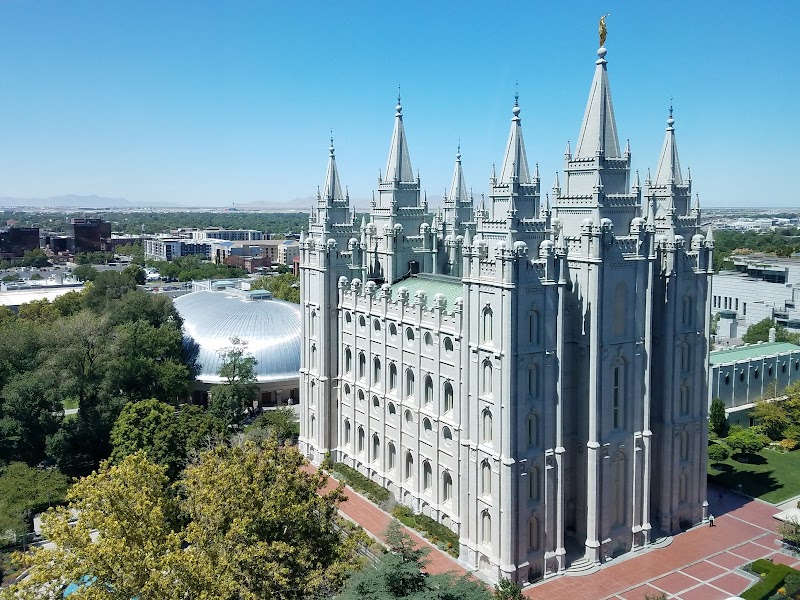
Temple Square
Downtown · 90 min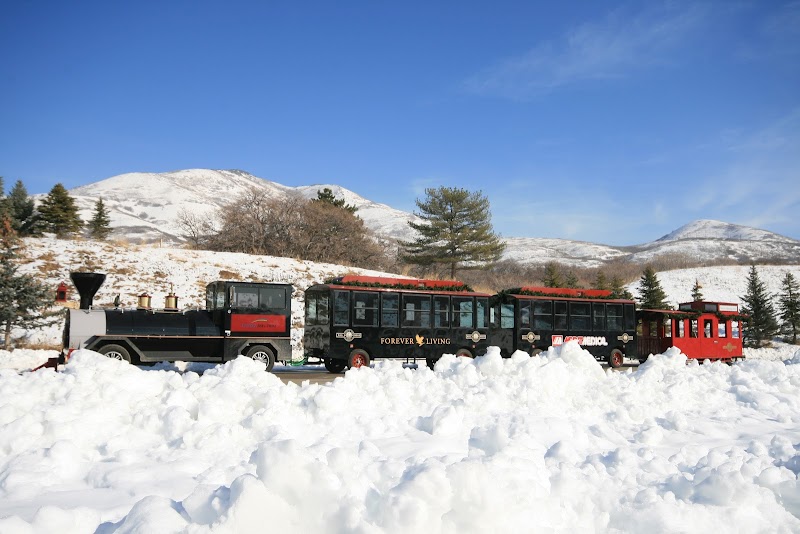
This Is The Place Heritage Park
Foothill / East Bench · 120 min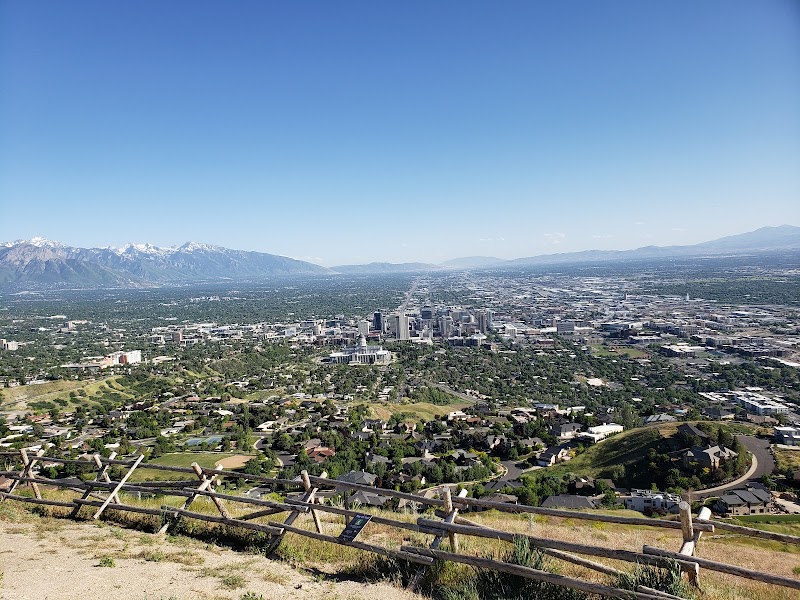
Ensign Peak Trail
The Avenues / Capitol Hill · 75 minMoney-Saving Tips
- 1.TRAX day passes cost $6.25 and cover all public transit — much cheaper than multiple Uber rides downtown
- 2.Happy hour runs 3-6 PM at most bars with $3 beer specials and half-price appetizers
- 3.City Creek Center offers free parking for the first two hours if you validate at participating stores
- 4.Hiking trails in the Wasatch Mountains are completely free with world-class views that rival paid attractions
- 5.Many museums offer free admission on the first Friday of each month for Utah residents
- 6.Grocery stores like Smith's and Kroger have significant savings with their free loyalty card programs
- 7.The Great Salt Lake beaches charge no entrance fees, unlike many state parks
- 8.Local food trucks offer $8-12 meals that compete with $20+ restaurant dishes
- 9.Ski resort parking costs $25+ per day, but some TRAX routes connect to resort shuttles during winter
Travel Tips
- •Download the TRAX app before arriving — mobile tickets are cheaper than buying at stations
- •Altitude affects alcohol tolerance at 4,300 feet — drink more water and pace yourself
- •The Great Salt Lake is 10 times saltier than the ocean — you'll float effortlessly but cuts will sting
- •Many restaurants close on Sundays due to local customs, so plan accordingly
- •Bring layers year-round — mountain weather changes quickly and temperature swings are dramatic
- •The grid street system uses Temple Square as the center point — all addresses reference this location
- •Ski resorts require reservations during peak season — book lift tickets online in advance
- •The dry climate causes dehydration faster than expected — carry water even for short walks
- •Some hiking trails close during fire season (usually July-September) so check conditions before driving to trailheads
- •Airport security lines move slowly during ski season — arrive 2 hours early for domestic flights
Frequently Asked Questions
Explore Salt Lake City
BUILD YOUR
SALT LAKE CITY PLAN
Insider picks, smart timing, and a plan ready when you are.
Start Planning