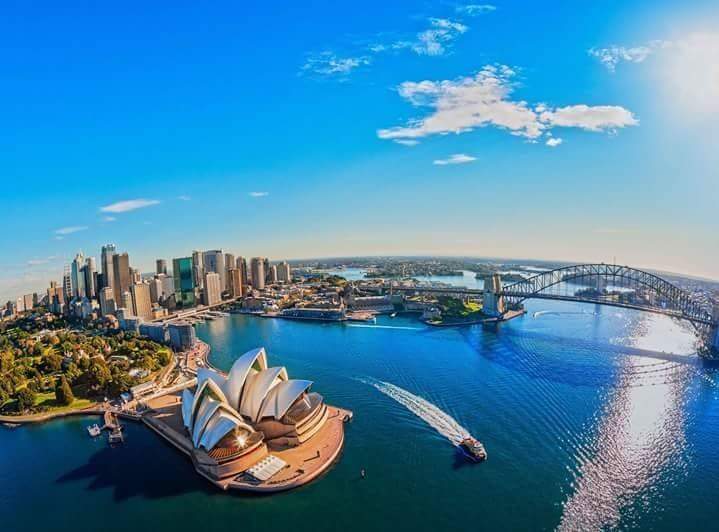
Sydney
Australia's dazzling harbor city where iconic landmarks meet beach culture
Sydney hits different than any other city. Sure, you've seen the Opera House in a million photos, but nothing prepares you for that first glimpse across the harbor. This is a city that somehow balances world-class culture with laid-back beach vibes, where you can catch a ferry to work past million-dollar yachts, then grab fish and chips on the sand. The harbor steals the show, but dig deeper and you'll find laneway bars in Surry Hills, weekend markets in Paddington, and some of the best Asian food outside of Asia. Sydney costs more than you'd like but delivers more than you'd expect.
Best Months
JAN · FEB · MAR · APR · SEP · OCT · NOV · DEC
~24°C · moderate crowds
Culture & Context
FIRST NATIONS & FOODIE
Sydney sits on Gadigal land, part of the broader Eora Nation. Most public events and venues open with an Acknowledgement of Country. This is standard practice across Australia and taken seriously — not a formality.
The Sydney Modern extension of the Art Gallery of NSW, which opened in December 2022, has a significant focus on the art of First Nations Australia and is worth visiting for that alone (free entry). Sydney is one of the most culturally diverse cities on earth, which plays out most obviously in the food. Chinatown and Haymarket, Cabramatta (Vietnamese), and Marrickville (Greek, Vietnamese, Lebanese) are living examples.
The city's social culture runs informal and egalitarian — Australians are famously suspicious of people who put on airs, and the quickest way to earn respect is to be direct, self-deprecating, and not take yourself too seriously. The 'tall poppy syndrome' is real: public bragging tends to get cut down fast. Summers are social, beach-focused, and genuinely hedonistic.
Winters are mild (rarely below 10°C/50°F in the city) and quieter, but Vivid Sydney in May–June is specifically designed to pull people outdoors during the cooler months.
Local Customs
SWIM BETWEEN FLAGS
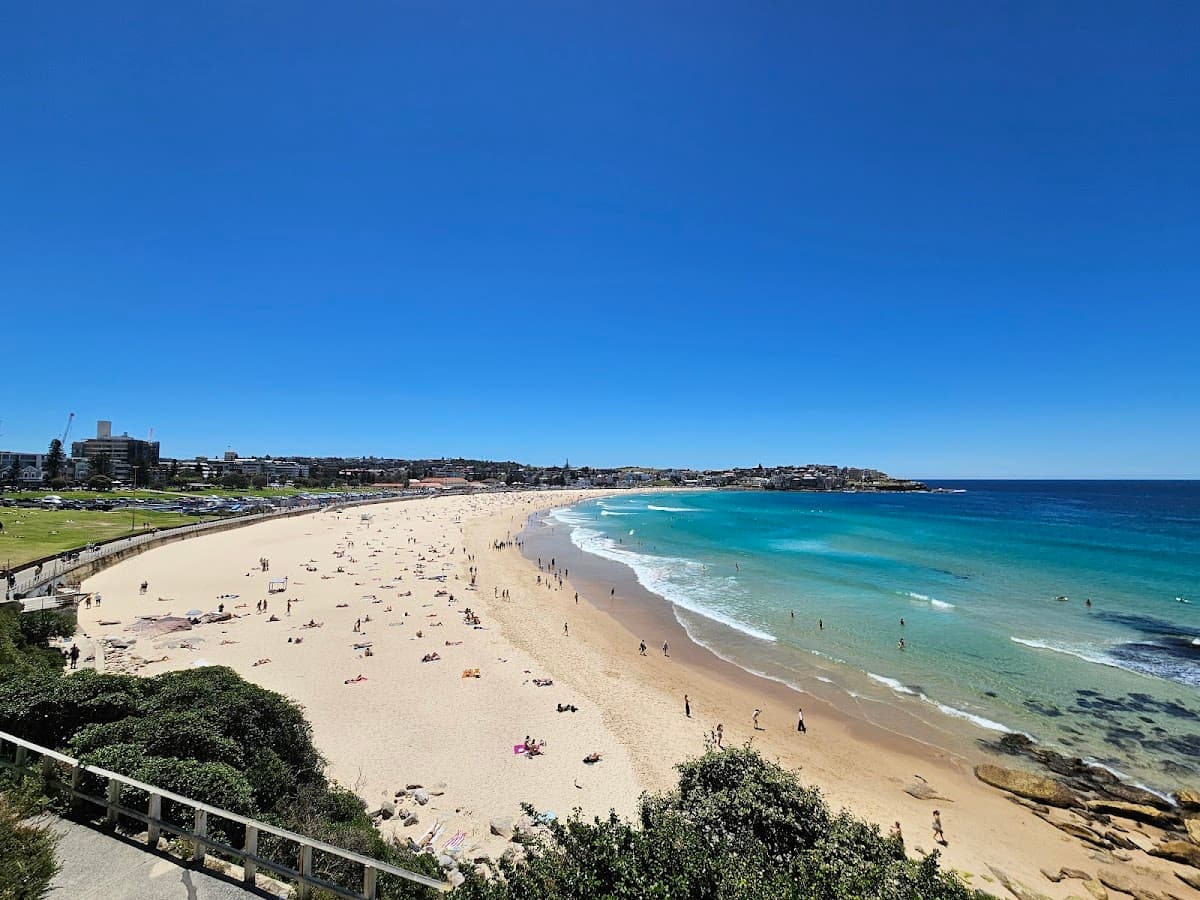
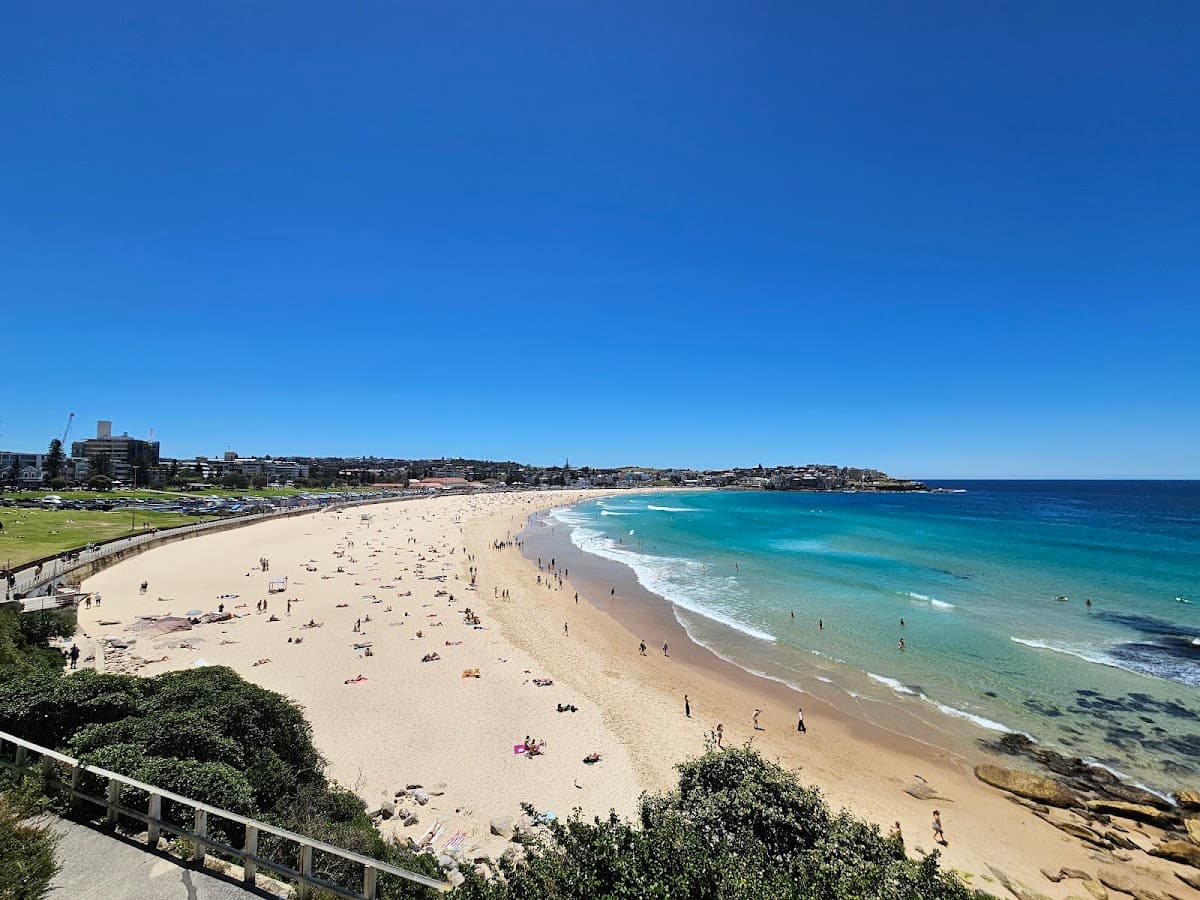
Always swim between the red and yellow flags on Sydney beaches. Surf lifesavers treat this as gospel and so should you. Rip currents are genuinely dangerous and the flags mark the patrolled safe zone..
Tipping is not the norm. Workers earn a high minimum wage, so there is no social obligation to tip 20% like in North America. Rounding up the bill or leaving a few coins for great service is appreciated but never expected..
Keep left. On escalators, footpaths, stairs — stick to the left and let people pass on the right. It is a real social rule and blocking the right side of an escalator will earn you death stares..
Declare everything at customs. Australia has strict biosecurity laws. Fresh fruit, meat, wooden items, and muddy hiking boots must be declared.
Failing to declare carries an on-the-spot fine starting at around A$3,000, and border agents take it seriously.. Recreational vaping is banned in Australia as of 2026. Do not pack disposable vapes.
Border authorities will confiscate them and you may face questioning.. No public drinking. Alcohol is banned in most Sydney parks, streets, and beaches under Alcohol Free Zone laws.
Fines are issued on the spot. The beach looks inviting for a cold beer but the rules are enforced.. Australians use first names in almost all situations — with colleagues, in shops, even with doctors.
Calling someone 'sir' or 'ma'am' in casual settings feels stiff and strange to locals.. Jaywalking is genuinely ticketed in Sydney. Police in the CBD do issue fines.
Cross at the lights and wait for the walk signal.. Sunscreen is non-negotiable. The UV index in Sydney reaches extreme levels even on cloudy days in summer.
Skin can burn in under 15 minutes. Pharmacies everywhere stock sunscreen and you will need it.. The 'shout' system at pubs works like this: someone in the group buys a round for everyone, then each person takes a turn buying.
Not participating in your round when it comes is considered rude.
Safety
VERY SAFE, WATCH SUN
Sydney is a genuinely safe city. It ranked 6th in the 2026 Berkshire Hathaway Travel Safe Cities Report, and violent crime affecting tourists has been declining. That said, it is still a major city.
Petty theft happens, especially around Circular Quay, Bondi Beach, and the Opera House where tourist crowds give pickpockets easy cover. Keep your bag zipped and in front of you in crowded spots. At night, parts of Kings Cross and Redfern see higher rates of petty crime and drunken behaviour.
Stick to well-lit and populated areas after midnight and you'll be fine. Watch your drinks in bars and clubs — drink spiking has been reported in nightlife venues, and overcharging by bartenders occurs at some establishments. The biggest actual danger in Sydney is the sun.
UV levels are extreme and skin burns faster than most visitors expect, even on overcast days. Pack SPF 50+. On beaches, riptides are serious.
Never swim outside the red and yellow flags, even if the waves look calm. Australia's emergency number is 000 for police, fire, and ambulance.
Getting Around
OPAL CARD EVERYWHERE
Sydney's public transport network covers trains, Metro, buses, ferries, and light rail. Here's the key 2026 update: you do not need to buy a physical Opal card. Your contactless credit or debit card, Apple Pay, or Google Pay works identically on every mode of transport, including all fare caps.
Just tap on and tap off with the same card or device every time. Switching between your physical card and phone wallet mid-journey will trigger a default (max) fare charge. The daily fare cap on weekdays is A$17.
80 — once you hit it, all further trips that day are free. The weekend cap (Friday–Sunday) drops to A$9.65.
Sundays are the sweet spot: a total-day cap of just A$2.80 lets you ride trains, ferries, and buses all over Greater Sydney for less than a cup of coffee. From the airport, the train takes 13 minutes to Central Station, but there is an additional A$16.
60 station access fee on top of the normal fare — this does not count toward your daily cap. Buses are cheaper from the airport but significantly slower. For Bondi Beach, take the Eastern Suburbs line to Bondi Junction, then bus 333 or 380 (30–40 min total from CBD).
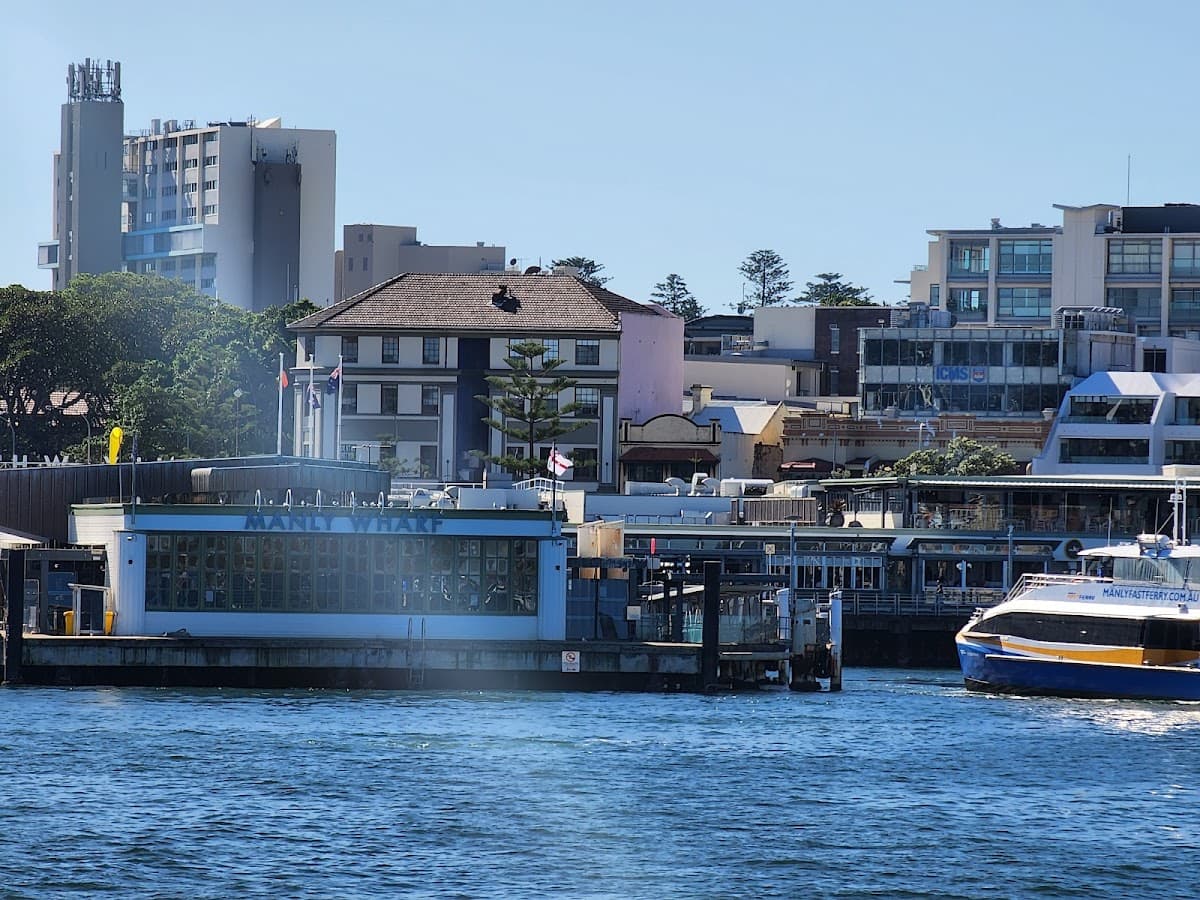
The Manly Ferry from Circular Quay is one of the world's great commutes — 30 minutes of harbour scenery for the price of a bus ride. Google Maps works well for journey planning in Sydney.
Useful Phrases
Explore Neighborhoods

Explore the Region
Sydney Itineraries
View all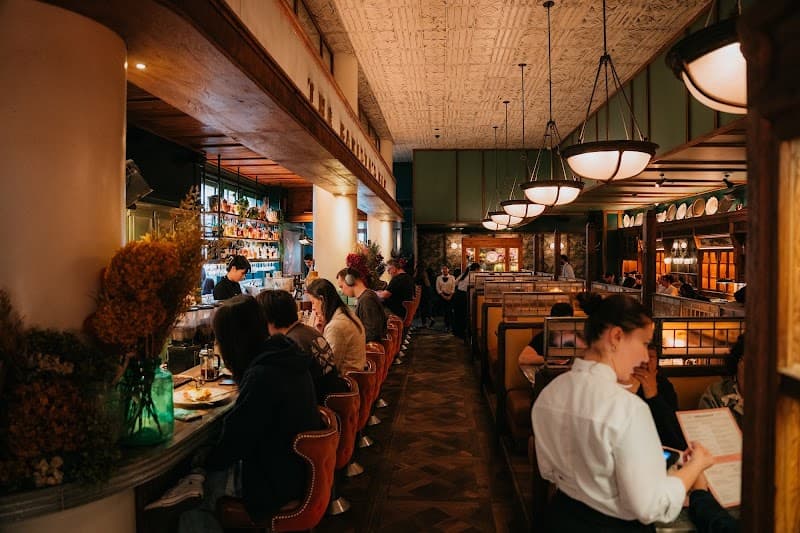
Sydney in 7 Days: Harbour, Beaches, Food, and Easy Adventure
Week · $$$
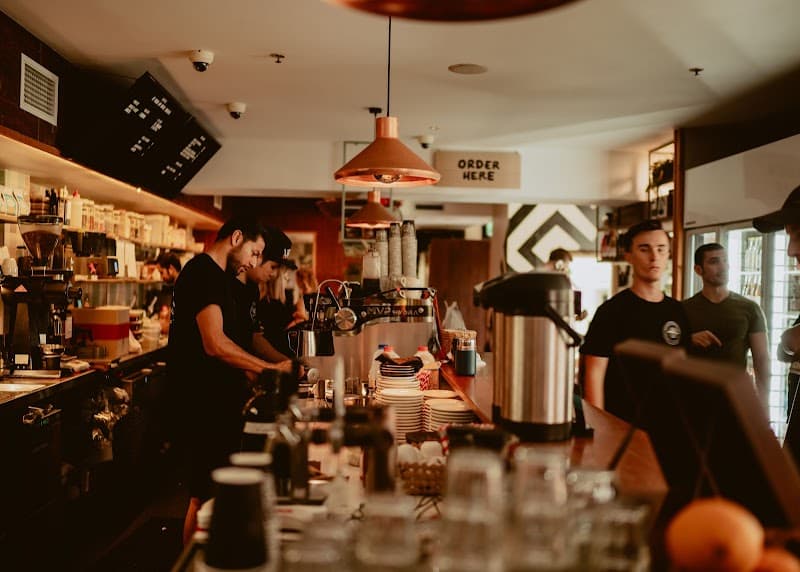
Six Days of Sydney: Harbours, Trails, Wildlife & Waves
Weekend · $$$
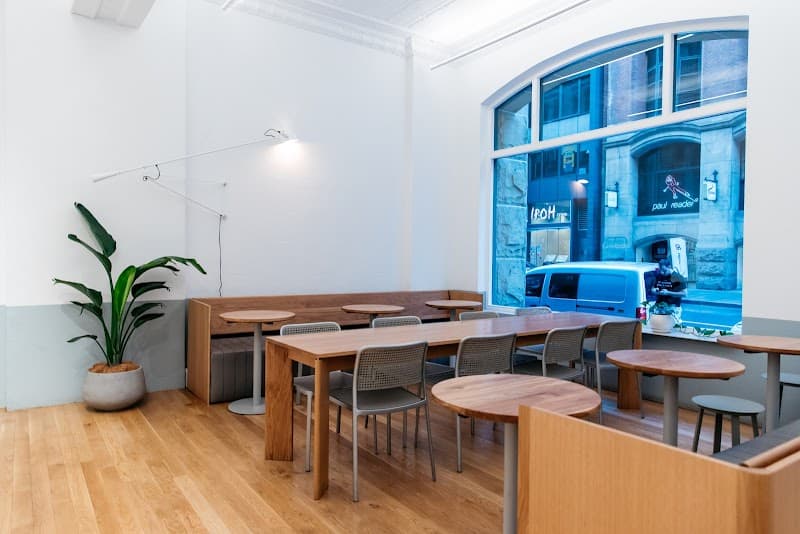
Soft Landings in Sydney: A Relaxed 3-Day Harbour Escape
Weekend · $$
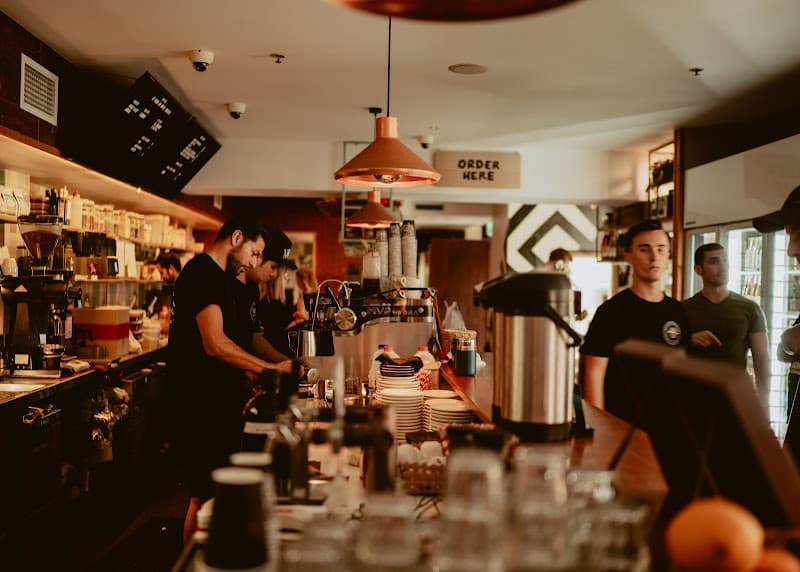
Slow & Sunny Sydney: A Relaxing Harbour Weekend
Weekend · $$$
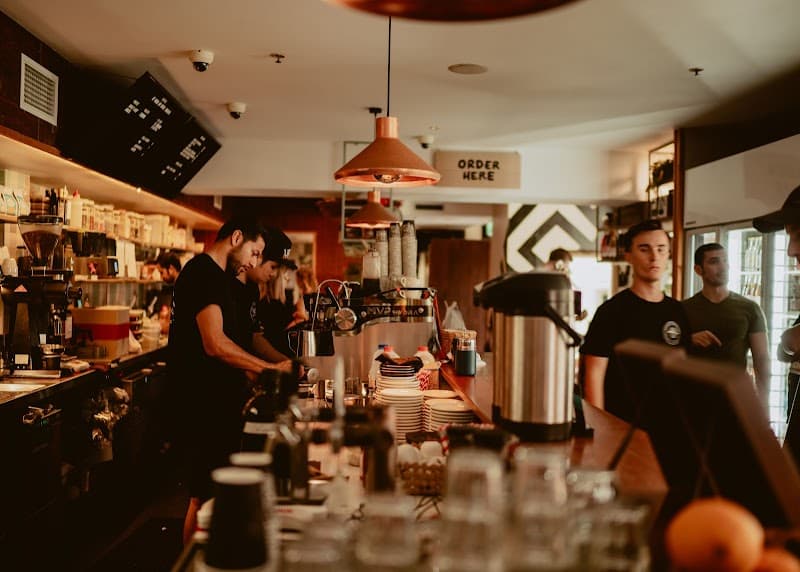
Sydney Adventure Weekend: Harbour, Trails & Hidden Beaches
Weekend · $$$
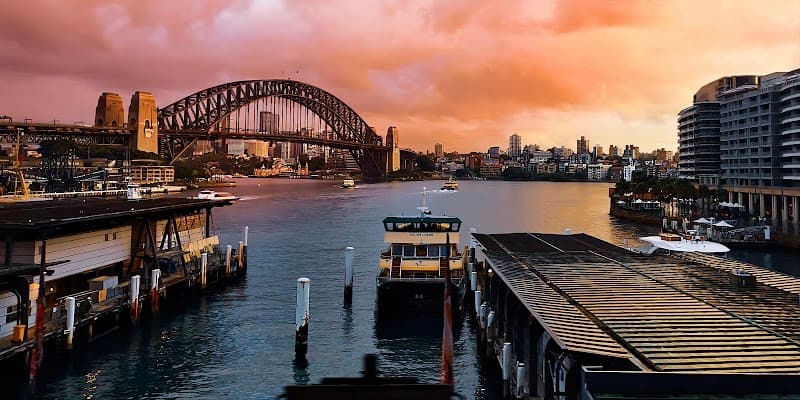
7 Wild Days in Sydney’s Harbours, Cliffs and Green Escapes
Week · $$$
Things to Do in Sydney
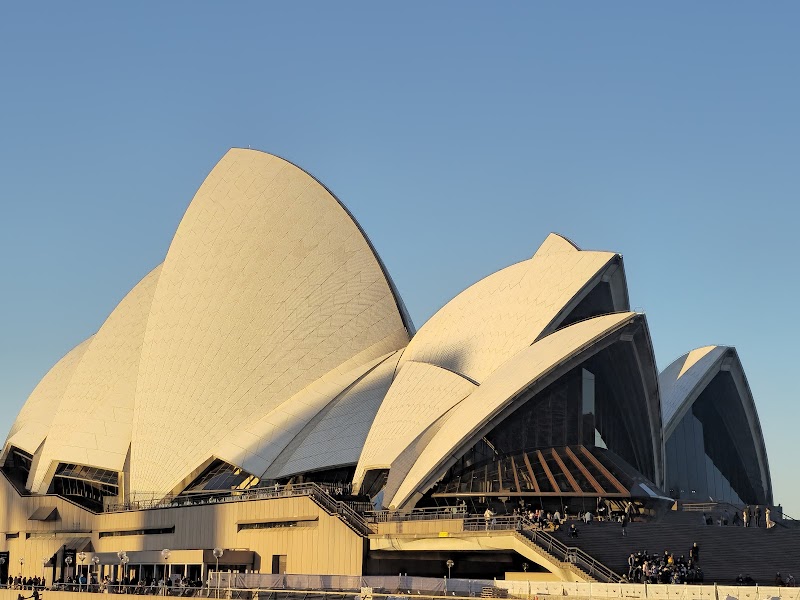
Circular Quay & Sydney Opera House Forecourt
Circular Quay · 90 min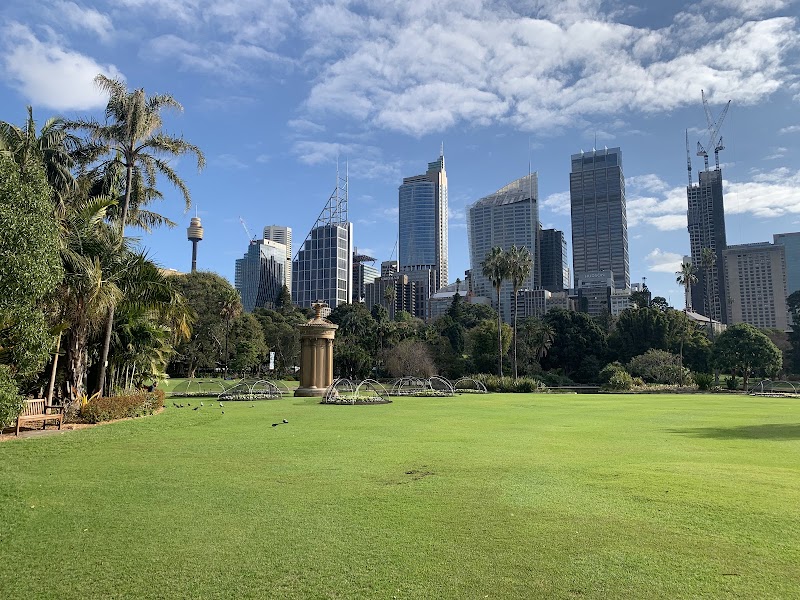
Royal Botanic Garden Sydney
Farm Cove / CBD · 90 min
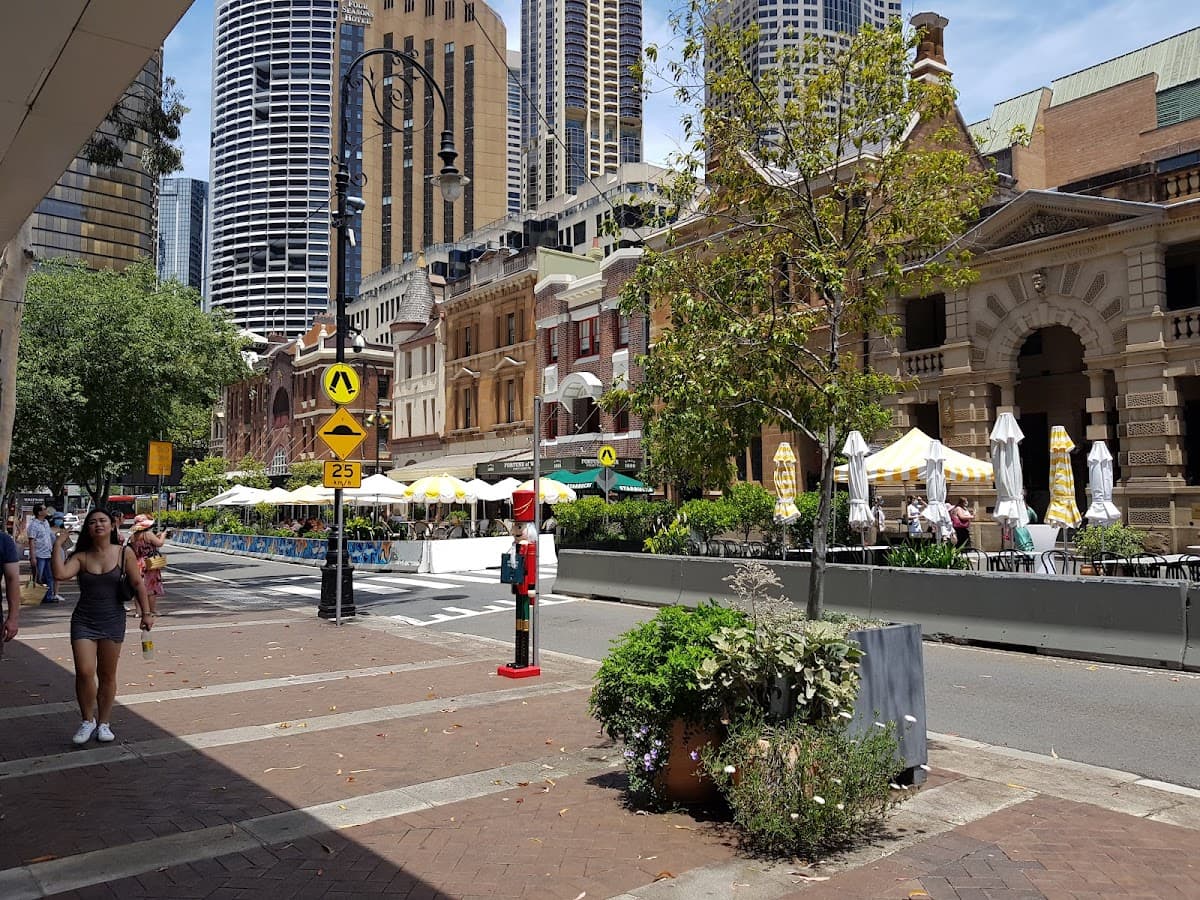
The Rocks Historic Precinct
The Rocks · 90 minMoney-Saving Tips
- 1.Buy an Opal card for public transport - daily caps at $16.80 save money on multiple trips
- 2.Happy hour at harbor-view bars runs 4-6pm with $12 cocktails instead of $18
- 3.Free walking tours of The Rocks run daily at 10:30am and 1:30pm
- 4.Wednesday night movies at outdoor cinemas cost $19 instead of weekend $28
- 5.Chinatown food courts serve authentic meals for $8-12 versus $25+ in tourist areas
- 6.BYO wine restaurants in Surry Hills charge $8 corkage instead of $15+ per glass markups
- 7.Free harbor views from Mrs Macquarie's Chair beat paid harbor cruises
- 8.Woolworths and Coles supermarkets cost 40% less than corner stores in tourist areas
Travel Tips
- •Download the TripView app for real-time public transport updates and trip planning
- •Book restaurant reservations 2-3 weeks ahead during summer (Dec-Feb)
- •Pack layers year-round - harbor breezes can drop temperatures 10 degrees
- •Tap on and off with Opal card even for short trips to avoid penalty fares
- •Sunscreen is essential even in winter - UV levels stay high year-round
- •Free WiFi available at all train stations, ferries, and major shopping centers
- •Tipping isn't expected but 10% appreciated for good service at restaurants
- •Beach flags indicate safe swimming areas - deadly currents exist outside flagged zones