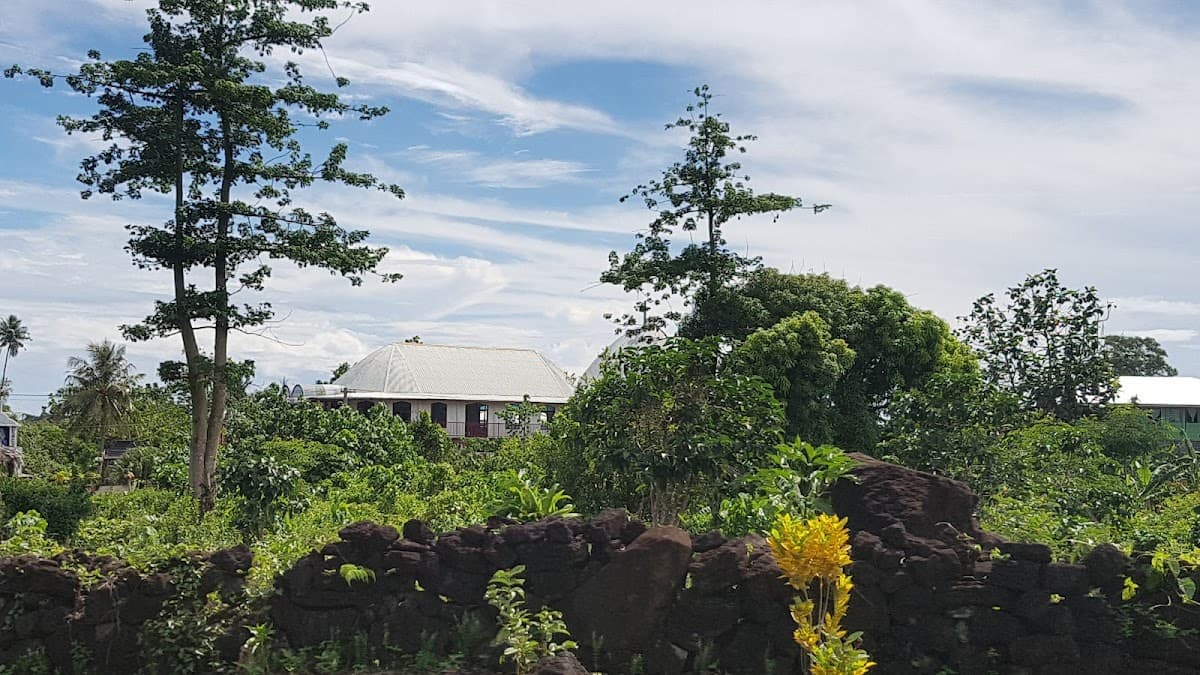
Samoa (Savai'i)
Untouched Polynesian paradise with volcanic wonders and authentic culture
Savai'i isn't just Samoa's biggest island—it's the one that time forgot. While Upolu gets the tourists, Savai'i keeps the soul of old Polynesia alive. Here, volcanic craters hold ancient rainforests, blowholes shoot water 60 feet into the air, and village life moves at the pace of coconut palms swaying in trade winds. You won't find resort chains or cruise ship crowds. Instead, you'll discover lava fields that look like alien landscapes, beaches where your footprints might be the only ones, and a culture so authentic that Sunday church services still stop the entire island. This is Samoa as it was meant to be experienced—raw, real, and absolutely mesmerizing.
Best Months
MAY – OCT
~26°C · moderate crowds
Culture & Context
POLYNESIAN CRADLE, SACRED TRADITION
Savai'i is historically called the "Cradle of Polynesia." Many Polynesian legends trace the origin of Pacific peoples back to a homeland called "Hawiki," widely believed to be Savai'i. The island runs on fa'a Samoa, the Samoan way, a 3,000-year-old cultural framework built around family (aiga), respect for elders, community obligation, and deep Christian faith.
About 98% of Samoans identify as Christian. Every few miles, another church appears on the roadside. This isn't incidental; it shapes the rhythm of every day on the island.
The village chief system (matai) is still active and real. Villages govern themselves. Most land, beaches, and lagoons are customary family or village property, not public land.
Tipping is not expected but is appreciated. Haggling is not customary. The island feels, in many ways, like a guest in someone's village rather than a tourist in a resort.
That's the point. Respect that distinction and you'll be welcomed warmly.
Local Customs
SA CURFEW, SACRED PROTOCOL
The Sa (sacred) evening prayer curfew operates in most villages, usually between 6-7pm, and lasts 10-20 minutes. A bell or conch shell marks the start. Stop walking, stop driving, stay quiet until the third bell signals the end.
Non-negotiable, and locals take it seriously.. Sunday is the National Day of Rest. Shops, fuel stations, tours, and most attractions close.
Resorts and restaurants stay open. Move slowly and quietly through villages. Don't expect anything to run on schedule..
Almost every beach, lagoon, cave, or waterfall you want to visit is on customary (family or village) land. Pay the entry fee, usually ST$2-10. Wait for a local if no one is around.
Don't just walk in.. Remove shoes before entering any fale (traditional house). When sitting on the floor, cross your legs or tuck them to the side.
Pointing your feet at someone is disrespectful.. Dress modestly outside resort and beach areas. Women should cover knees and shoulders in villages.
Men need pants or a lavalava at churches. Always carry a lavalava to wrap over beach clothes when heading into any village.. Ask permission before photographing people, especially in villages or at intimate sites.
It's genuinely expected, not just polite theater.. If you're offered kava (called 'ava), accept with both hands, say 'Manuia' before drinking, and toss a little on the floor mats before returning the cup.. Tipping is not expected but welcomed.
Haggling is not a custom here.. Avoid public displays of strong emotion, including losing your temper. It's considered deeply inappropriate in village settings.
Safety
GENERALLY SAFE, RESPECT HAZARDS
Savai'i is generally safe with low violent crime rates. Petty theft does happen, particularly in less-watched areas, so secure your valuables and don't leave gear unattended on the beach. Residential break-ins are increasing across Samoa generally.
Pay with cash where possible and don't carry your entire budget in one place. Stray dogs are common in rural villages and can be aggressive; have a stick handy on walks. The blowholes at Alofaaga (and others around the island) are the most underestimated physical danger on the island.
The lava shelf footing is slippery and waves sweep in unexpectedly. Never stand between the opening and the sea. The entire island sits in a seismically active zone.
Know the tsunami evacuation routes from wherever you're staying, especially at beach fales. Cyclone season runs November to April. Women traveling solo may encounter some low-level harassment and verbal attention in certain areas; it's uncommon but worth knowing.
Medical facilities on Savai'i are limited. The closest hospital is at Safotu village for the north-coast area. Serious medical situations mean a ferry back to Apia.
Get comprehensive travel insurance before you go. Public hospitals require cash or an insurance guarantee letter upfront.
Getting Around
FERRY & CAR ESSENTIAL
The only way to reach Savai'i is the ferry operated by Samoa Shipping Corporation, departing from Mulifanua Wharf on Upolu. Adult tickets run around 12 tala one-way. The large ferry takes about 1 hour 15 minutes; the smaller vessel runs 1 hour 45 minutes.
Ferries run daily with limited Sunday sailings. Check the schedule in advance as it shifts. Once on the island, one well-paved road circles the entire coastline.
Local buses are brightly colored, loud, and have no windows by design. Fares max out at ST$7 to the northwest. But buses depart from the Salelologa wharf and market with no fixed stops elsewhere.
Flag them down. They fill up fast and can be irregular. For seeing the island properly, rent a car.
Around 130 tala per 24 hours from accommodation. You need a temporary Samoan driver's license (obtained from rental companies, the Tourism Authority, or the Land Transport Authority). Driving is on the left.
Watch for children, pigs, and the occasional stray volleyball in villages. Speed limits are low. Taxis are available but have no meters, so agree on the price before getting in.
From the ferry wharf to the Savaiian Hotel area runs about 15 tala. Samoa Airways also flies from Apia to Savai'i if you'd rather skip the ferry.
Useful Phrases
Money-Saving Tips
- 1.Ferry tickets cost less when purchased at the wharf rather than online—save about $3 per person
- 2.Beach fales often negotiate weekly rates that cut daily costs by 30-40%
- 3.Salelologa Market on Saturdays offers the cheapest fresh food and local crafts
- 4.Hitchhiking is culturally acceptable and can save significant transport costs
- 5.Sunday umu feasts provide authentic cultural experiences and full meals for around $25
- 6.Local fishing boats sometimes take tourists for much less than official charters—ask at the wharf
- 7.Buying kava in bulk from villages costs half what resorts charge
- 8.Shared bathroom fales cost $20-30 less per night than private facilities
Travel Tips
- •Bring reef-safe sunscreen—the sun reflects intensely off volcanic black sand beaches
- •Pack insect repellent for village visits, especially during evening kava ceremonies
- •Download offline maps before arriving—cell service is spotty outside main villages
- •Respect Sunday as a day of rest—most businesses close and villages observe quiet time
- •Learn basic Samoan greetings like 'talofa' and 'fa'afetai'—locals genuinely appreciate the effort
- •Bring cash—few places accept cards and ATMs are limited to Salelologa
- •Pack a waterproof bag for ferry crossings during rough weather
- •Dress modestly when visiting villages—shoulders and knees should be covered
- •Check ferry schedules daily as they change with weather and mechanical issues
- •Bring your own snorkeling gear—rental options are extremely limited
Frequently Asked Questions
Explore Samoa (Savai'i)
BUILD YOUR
SAMOA (SAVAI'I) PLAN
Insider picks, smart timing, and a plan ready when you are.
Start Planning