Riyadh Province
Saudi Arabia's modern capital region blending tradition with futuristic ambition
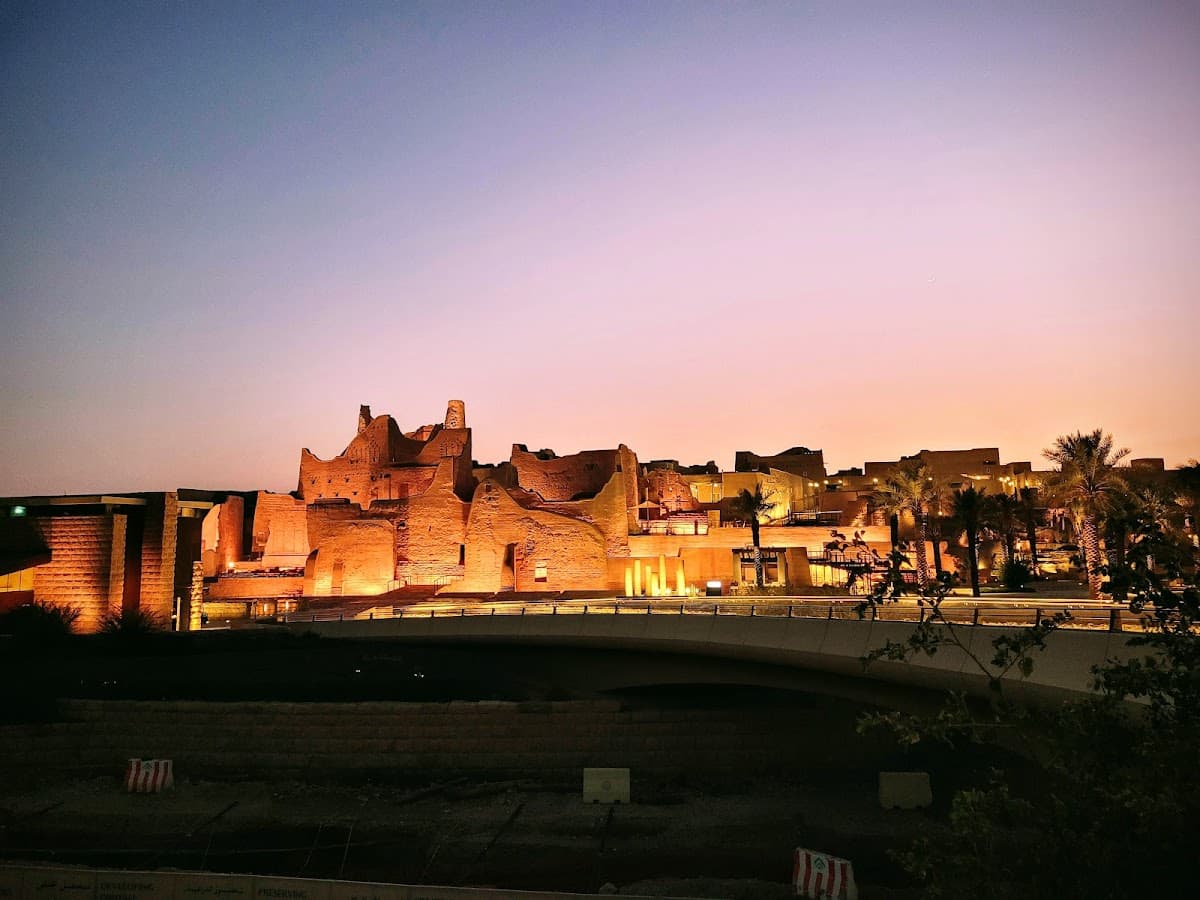
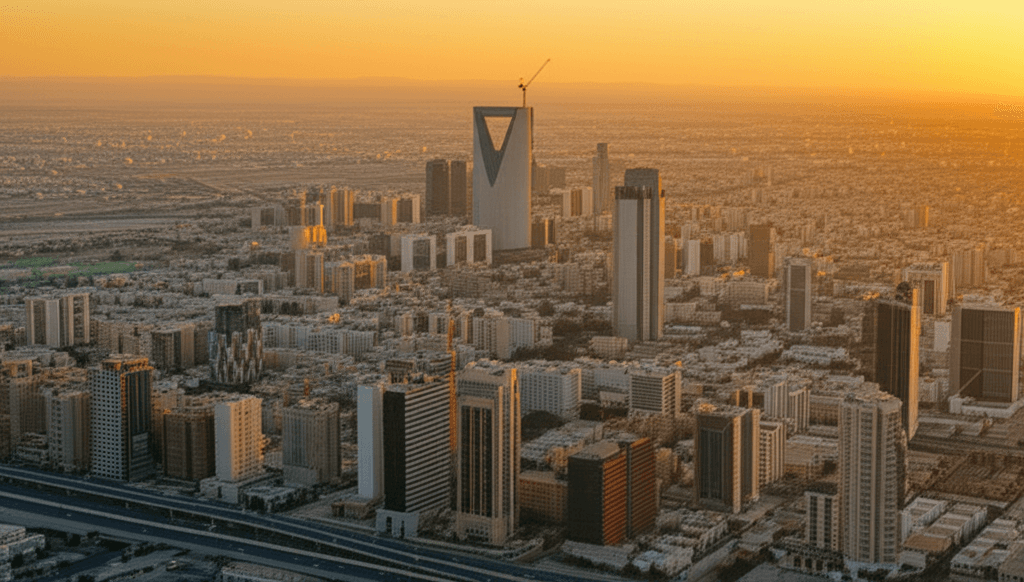
Riyadh Province isn't just Saudi Arabia's capital region — it's the kingdom's beating heart, where glass towers pierce the desert sky and ancient mud-brick palaces tell stories of dynasties past. The capital city pulses with ambition, hosting diplomatic summits by day and rooftop parties by night. But look beyond Riyadh's gleaming business district and you'll find Diriyah's UNESCO ruins, the Edge of the World's dramatic cliffs, and traditional souks where frankincense still perfumes the air. This is Saudi Arabia at its most complex — deeply traditional yet racing toward a vision of 2030 that promises to reshape the Middle East. The desert heat is fierce, but the hospitality runs deeper.
Culture & Context
ISLAMIC RHYTHMS, MODERN VISION
Riyadh runs on Islamic rhythms, full stop. Five prayer times shape every day, and shops (including malls) pause for roughly 20-30 minutes each time. The longest gap is Friday's congregational prayer, from around noon to 2 PM.
Plan your museum visits and shopping accordingly. Alcohol is completely banned with zero exceptions for tourists. That's not changing.
The work week runs Sunday through Thursday, with Friday and Saturday as the weekend. And the city is genuinely transforming under Vision 2030. International artists headline concerts, women drive and travel independently, and cinemas are packed.
But conservative norms still hold in public spaces. The contrast can feel jarring in a way that's fascinating rather than frustrating, if you approach it with curiosity. Hospitality is genuine and deep-rooted.
If someone offers you Arabic coffee and dates, take them. Shake the cup gently side to side when you've had enough or the refills won't stop.
Local Customs
RIGHT HAND, PRAYER PAUSES
Always use your right hand for eating, handing over money, and greetings. The left hand is considered unclean in Islamic tradition.. Shops and restaurants close during each of the five daily prayer times, typically for 20-30 minutes.
Download a prayer time app before you arrive.. Modest dress is expected in public. Women should cover shoulders and knees.
The abaya is no longer mandatory for non-Saudi women, but loose, conservative clothing is still the norm.. Never photograph people, especially women, without explicit permission. Government buildings and military sites are strictly off-limits for cameras..
Public displays of affection are not acceptable, even for married couples. This includes kissing, hugging, and holding hands.. When invited to a Saudi home, remove your shoes at the door.
You will be offered Arabic coffee and dates. Refusing is considered impolite unless you have an allergy.. Pointing directly with your finger is considered rude.
Use your whole hand or chin to gesture instead.. Elderly people receive deep respect. Stand when an older person enters a room and greet them first..
During Ramadan, do not eat, drink, or smoke in public during daylight hours. This applies to all visitors, Muslim or not.. Al-Ardah, the traditional sword dance from the Najd region, is a significant cultural performance.
If you see it at a cultural event, it is a gesture of honor and celebration.
Safety
GEOPOLITICAL RISK ZONES
Riyadh has genuinely low violent crime rates and is considered physically safe for day-to-day life. Pickpocketing is uncommon compared to major European cities. That said, 2026 brings a specific regional warning worth taking seriously.
Following US-Iran hostilities that began in late February 2026, the U.S. State Department ordered non-emergency government employees to leave Saudi Arabia and issued a Level 3 'Reconsider Travel' advisory, citing ongoing threats of Iranian drone and missile attacks.
Australia's Smartraveller also advises 'Reconsider Travel' ahead of the Hajj 2026 season. Check your own government's current advisory before booking. The biggest day-to-day physical danger is traffic.
Driving in Riyadh is aggressive, speed limits are frequently ignored, and fatal road accidents are common. Use Uber or Careem rather than street taxis, always wear a seatbelt in the back seat, and cross roads with caution. Legally: alcohol possession carries severe penalties, social media posts critical of the government or its leaders can result in arrest (even posts made before your visit or outside the country), and exit bans are a real phenomenon that can trap people for years over unresolved civil disputes.
Keep your passport secure, carry ID at all times, and avoid political commentary online during your stay. Tap water is desalinated and technically safe but locals and most visitors drink bottled water.
Getting Around
METRO & UBER ESSENTIAL
The Riyadh Metro is the headline infrastructure story of the past few years. Six lines, 85 stations, 176 kilometers of track. It's modern, air-conditioned, and genuinely affordable.
A monthly pass costs around SAR 170. The Blue Line (Line 1) runs north-south along Olaya Road, connecting KAFD in the north to the southern districts, which is the most useful corridor for most visitors. The Red Line (Line 2) runs east-west through the city center.
But Riyadh is still a car city at heart. Most expat families and many neighborhoods simply aren't walkable from any station. Uber, Careem, and Bolt are all operational and reliable.
Never get into an unlicensed taxi, especially at the airport. Prices in apps are fixed and transparent. King Khalid International Airport handles all international arrivals and is well-connected to the city.
The best time to travel: November through February, when temperatures drop below 25°C and outdoor exploration is actually pleasant. Summer (May-September) sees temperatures regularly exceeding 40-50°C. Most of the city's life moves indoors during those months.
Useful Phrases
Explore Cities
Explore the Region
Money-Saving Tips
- 1.Book hotels during summer months (May-September) for rates 40-50% lower than winter peak season
- 2.Eat at Al-Zal Market food courts where authentic kabsa costs 35 SAR versus 120+ SAR at tourist restaurants
- 3.Use Riyadh Metro day passes (20 SAR) instead of taxis for central city travel - saves 100+ SAR daily
- 4.Shop at traditional souks in Al-Malaz for spices and textiles at fraction of mall prices
- 5.Join group tours to Edge of the World (300 SAR per person) rather than private 4WD rental (800+ SAR daily)
- 6.Visit free attractions like King Abdullah Park and Imam Turki bin Abdullah Grand Mosque
- 7.Buy SIM cards at airport for 50 SAR versus 150+ SAR hotel roaming charges
Travel Tips
- •Download offline maps - GPS can be unreliable in desert areas around Edge of the World
- •Dress conservatively even in modern areas - long sleeves and pants required for both men and women
- •Carry cash - many traditional markets and local restaurants don't accept cards
- •Learn basic Arabic greetings - locals appreciate the effort and service improves noticeably
- •Plan indoor activities during midday heat (11 AM - 4 PM) from April through October
- •Book restaurants in advance during weekends - Riyadh's dining scene gets packed Thursday-Friday nights
- •Respect prayer times - many shops close for 20-30 minutes five times daily
- •Keep your phone charged - ride-sharing apps are essential for getting around efficiently
Frequently Asked Questions
Explore Riyadh Province
BUILD YOUR
RIYADH PROVINCE PLAN
Insider picks, smart timing, and a plan ready when you are.
Start Planning