Roatán
Caribbean diving paradise with pristine reefs and beaches
Roatán hits different. This 30-mile sliver of Caribbean paradise sits 40 miles off Honduras' coast, surrounded by the world's second-largest coral reef. The diving here? Absolutely world-class. But here's what travel guides won't tell you — it's not just about what's underwater.
Above the surface, you'll find white sand beaches that actually live up to the photos, jungle-covered hills perfect for zip-lining, and a laid-back island culture that makes you forget your phone exists. The locals speak English (thanks to British colonial history), the weather stays perfect year-round, and you can snorkel with whale sharks without breaking the bank.
Look, Roatán isn't completely undiscovered anymore. Cruise ships dock at Coxen Hole three days a week, and West Bay Beach gets crowded around noon. But venture beyond the obvious spots — like the mangrove tunnels at Arch's Iguana Farm or the local joints in French Harbour — and you'll find the real magic.
Best Months
JAN · FEB · MAR · APR · MAY · DEC
~29°C · high crowds
Culture & Context
GARIFUNA HERITAGE MASTERPIECE
Roatán sits 40 miles off Honduras's north coast and genuinely feels like a different country from the mainland. Its DNA is a mashup: British colonial history, Garifuna Afro-Caribbean culture, English Caribbean Creole, and Honduran Spanish, all layered on top of each other. Locals often switch between English Creole and Spanish mid-sentence without thinking about it.
English is widely spoken because the island spent time under British rule, so getting around without Spanish is totally manageable. But learning a few words earns you real goodwill. The Garifuna people, whose language, music, and dance UNESCO declared a Masterpiece of Intangible Human Heritage, arrived on April 12, 1797, exiled from St.
Vincent by British colonial forces. Their stronghold is Punta Gorda, a protected community on the northeast coast where property cannot be sold outside the Garifuna community. And here's the thing about timing: cruise ships dock at Mahogany Bay and Coxen Hole multiple times a week, flooding West Bay with day-trippers from around 10 AM to 3 PM.
Prices tick up, beach chairs disappear, and dive boats get crowded. Plan around that window and you'll have a much better island experience.
Local Customs
HONOR GARIFUNA TIME & CULTURE
Hora Catracha (Honduran time) is real and applies to everything from restaurant service to tour pickup. Build buffer time into your day and don't take it personally.. Greet with a handshake first.
Close friends and family do the cheek-kiss, but wait for locals to set the tone on that one.. Cover up when walking through Coxen Hole, Punta Gorda, or any non-beach village. Beachwear is for the beach; wearing a bikini top into a local market reads as disrespectful..
Use reef-safe, oxybenzone-free sunscreen. The reef is the island's entire economic engine. Locals and dive operators notice, and some shops actively sell alternatives if you forget at home..
Always negotiate and confirm taxi fares before getting in. Agree on the price upfront, no exceptions. Unlicensed taxis are common around the cruise port and they will charge whatever they think they can get..
On cruise ship days (check the Coxen Hole and Mahogany Bay schedules), West Bay beach prices for loungers, drinks, and food can jump noticeably. Go early or wait them out.. If you visit Punta Gorda during the Garifuna Festival (April 12), arrive early to get a spot for the boat reenactment of the original arrival.
The drumming and dancing later in the day draws a crowd that fills the small village quickly.
Safety
TOURIST ZONES VERY SAFE
Roatán is a genuine exception to Honduras's broader safety reputation. The US State Department rates Honduras at Level 3 (Reconsider Travel), but that rating is aimed squarely at the mainland cities. On Roatán, the tourist zones (West End, West Bay, Sandy Bay) are well-policed with dedicated tourism officers, and violent crime against visitors is rare.
The realistic risks are petty theft on the beach and getting overcharged by an unlicensed taxi driver. Don't leave your phone on your towel when you swim. Don't walk down isolated stretches of beach after dark, specifically the far end of West Bay past the last resort.
Mosquitoes are the underrated hazard: dengue is active in 2026, carried by day-biting mosquitoes, so apply high-DEET repellent continuously throughout the day, not just at dusk. Sand fleas (locally called no-see-ums) are a real menace at sunset. Rub baby oil or a specialized repellent on your feet and ankles before walking the beach at golden hour or you'll be itching for two weeks.
Don't drink the tap water, even for brushing teeth in budget accommodation. Bottled water is cheap and everywhere.
Getting Around
WATER TAXIS & FLIGHTS
Flying direct into Roatán International Airport (RTB) is the cleanest option. Connecting through San Pedro Sula (SAP) or Tegucigalpa on domestic carriers like EasyFly Honduras or CM Airlines adds about 30 minutes of flight time. The alternative is the Galaxy Wave ferry from La Ceiba on the mainland: two departures daily, roughly one hour crossing, and tickets run about $48-64 USD round trip.
Book ahead for holiday weekends and Semana Santa because they sell out fast. The first departure tends to have calmer seas than the afternoon run. On the island itself, shared taxis called colectivos run between Coxen Hole, West End, and West Bay for a few dollars per ride.
Water taxis between West Bay and West End operate 24 hours, cost a couple of dollars, take five minutes, and beat the 20-minute winding road trip every single time. Look for pickup at Infinity Bay Dock or Foster's Dock. Renting a car (around $40-80 per day) is worth it if you want to reach the East End: Camp Bay, Punta Gorda, the mangrove tunnels in Jonesville.
Just don't drive after dark.
Useful Phrases
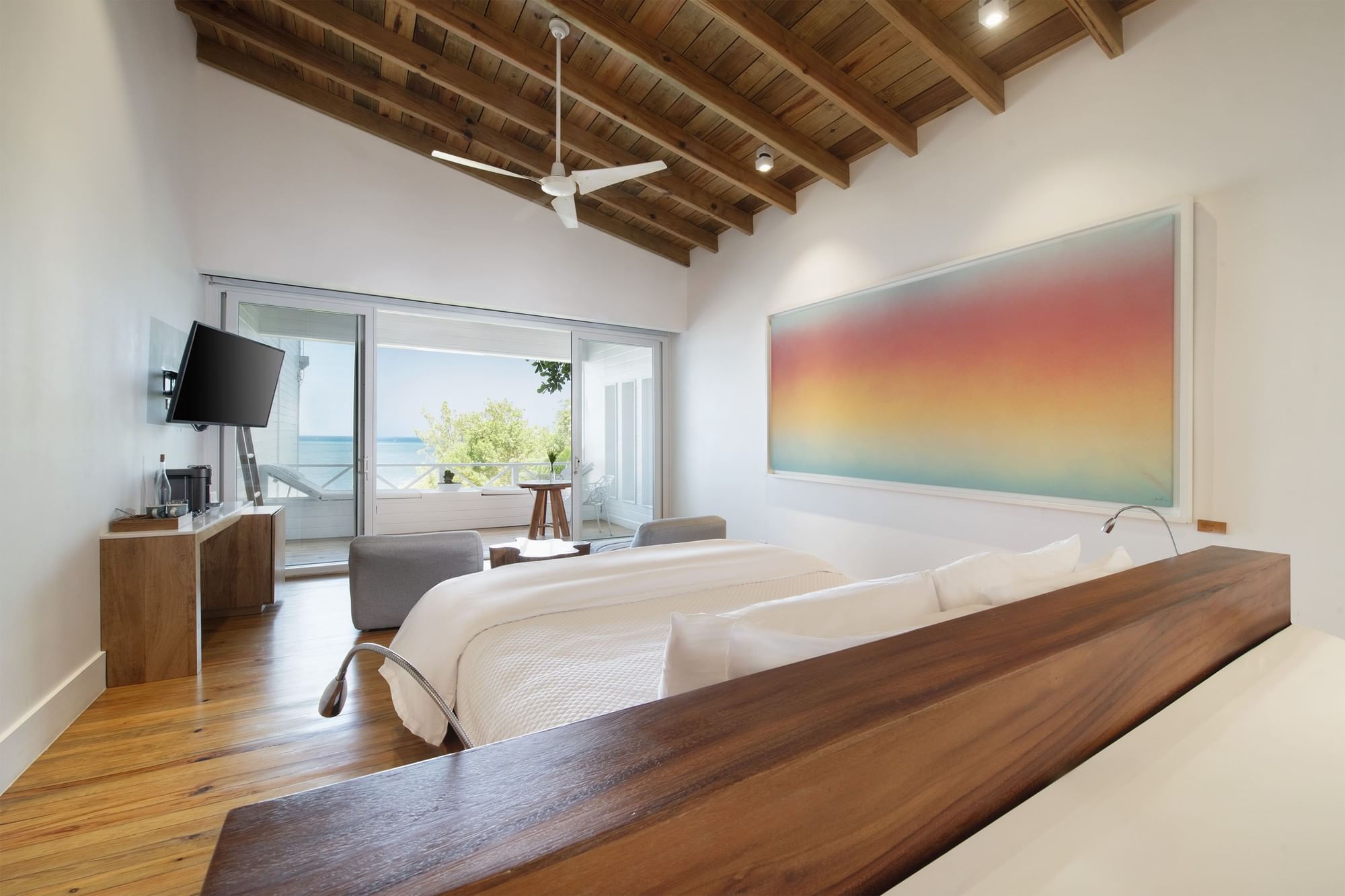
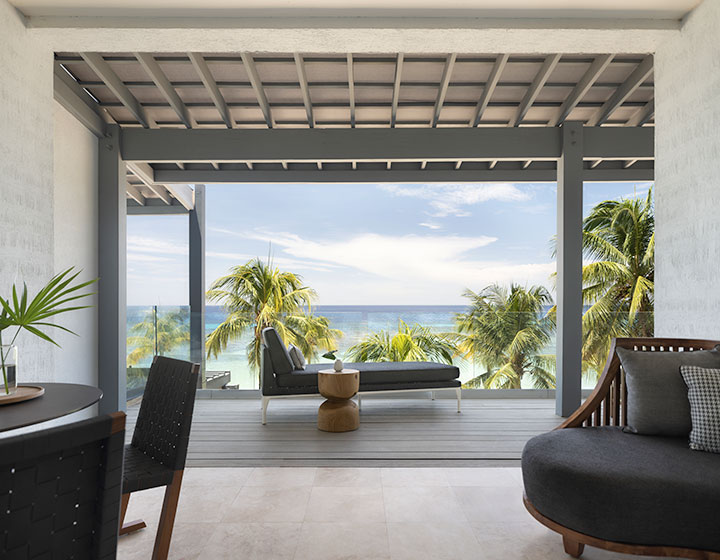
Where to Stay in Roatán
2 recommended properties
Money-Saving Tips
- 1.Skip resort restaurants and eat at local spots like Ibagari or beach barbecues — you'll save 50% and get better food
- 2.Book accommodation directly with hotels to avoid booking fees, especially during low season when they're eager to negotiate
- 3.Buy snorkel gear at the local shops in Coxen Hole for $25 instead of renting daily at $15
- 4.Take water taxis between West End and West Bay ($3) instead of expensive resort shuttles ($15)
- 5.Visit during shoulder season (May-June, November) for 40% lower hotel rates and uncrowded dive sites
- 6.Stock up on groceries at Eldon's Supermarket in French Harbour — resort convenience stores charge triple
- 7.Join group dive trips instead of private charters to cut costs from $120 to $45 per person
Travel Tips
- •Bring reef-safe sunscreen — regular sunscreen is banned at most dive sites and marine parks
- •Pack a light rain jacket for afternoon showers, especially May through November
- •Download offline maps before arriving — cell service gets spotty outside main tourist areas
- •Bring cash in small bills — many local restaurants and taxi drivers can't break $50s or $100s
- •Book dive trips 2-3 days in advance during peak season to secure spots on the best boats
- •Learn basic Spanish phrases even though English is widely spoken — locals appreciate the effort
- •Keep your passport handy — some dive shops require it for certification courses and equipment rental