
Saint Martin
Caribbean paradise where French elegance meets Dutch charm
Saint Martin pulls off something most Caribbean islands can't: being two countries at once without losing its soul. The French side serves you wine with lunch and calls it Saint-Martin. Cross an invisible border to the Dutch side (Sint Maarten) and suddenly there's duty-free shopping and casinos. But here's what makes this 37-square-mile island special — it doesn't feel gimmicky. The French bring their café culture and Michelin-worthy restaurants. The Dutch contribute their relaxed attitude and tax-free prices. And both sides share some of the Caribbean's most stunning beaches, from the clothing-optional Orient Bay to the jet-watching spectacle at Maho Beach.
Best Months
JAN · FEB · MAR · APR · DEC
~29°C · high crowds
Culture & Context
TWO NATIONS, ONE ISLAND
Saint Martin is the smallest landmass in the world shared by two sovereign nations, with 37 square miles split between France (north) and the Netherlands (south). No border wall, no checkpoint, no passport required to cross between them. Just a sign on the road and a noticeable shift in atmosphere.
The French side (Saint-Martin) runs at a slower, more European pace. Patisseries, open-air markets with French cheeses, wine shops, and a general sensibility that Sunday lunch is sacred. The euro is official and the cultural references are Parisian, even if the weather is Caribbean. Grand Case has repeatedly earned its reputation as one of the top dining destinations in the entire region.
The Dutch side (Sint Maarten) is busier and more commercial. Casinos, duty-free shopping on Front Street in Philipsburg, beach bars that stay open until 3am, and a cruise port that delivers thousands of day-trippers on big-ship days. The currency is US dollars and the vibe is more resort-and-party than bistro-and-market.
The island's Creole dialect, often just called "Saint Martin English," pulls from French, Dutch, African languages, and Caribbean patois. It's warm, expressive, and deeply local. Hearing "Wha yuh sayin'?" at a market stall and knowing how to answer it is one of those small things that genuinely changes how locals interact with you.
The island was also severely impacted by Hurricane Irma in 2017, and reconstruction shaped a lot of the current infrastructure. Some neighborhoods are noticeably newer than others. The resilience that rebuilt the island is part of its character now.
Local Customs
SAY BONJOUR ALWAYS
On the French side, always say bonjour when entering any shop, restaurant, or business. Not doing so reads as rude, not just forgettable. This isn't a tourist tip — it's how things actually work here..
The island has no physical border between the French and Dutch sides. You cross freely by car with no checkpoint. The change is cultural and monetary, not bureaucratic.
Euro on the north side, US dollars on the south, though USD is accepted almost everywhere on both sides.. Taxis are not metered on either side of the island. Drivers carry a government-issued rate sheet, so ask to see it if the fare seems off.
Tipping is expected and appreciated, especially for longer rides or airport runs.. Buses here are privately owned minivans. They have no printed schedule.
Between 7am and 8pm they run fixed corridors, but you wave them down from the roadside and they stop pretty much anywhere. The Marigot to Grand Case stretch runs roughly every 15 minutes during the day. After dark, buses basically disappear and you're calling a taxi..
Don't leave anything visible in a parked car. Beach parking lots are the most targeted spots for break-ins. Phones, bags, and cameras left on seats are regularly taken.
This is genuinely the most common issue visitors face.. Ask before photographing locals, especially in markets and village settings. Most people are friendly about it if you ask first.
Just walking up and sticking a camera in someone's face without asking is a bad call.. The island runs on its own time. Restaurants, in particular, don't rush you.
A two-hour dinner is normal and expected. Fighting it just stresses everyone out, including you.. US dollars are the everyday currency on the Dutch side.
On the French side the euro is official, but US dollars are accepted in most tourist-facing spots at rough exchange rates. If you want a fair exchange, pay in euros on the French side.
Safety
WATCH YOUR CAR
Saint Martin has a low violent crime rate in tourist areas, and both French and Dutch police operate on their respective sides. The most common issues are pickpocketing, vehicle break-ins, and bag theft from beach parking lots. These happen regularly enough that it's worth taking seriously.
Practical rules: never leave anything visible in a parked car, especially at beach lots. Don't flash expensive jewelry or large amounts of cash. Avoid walking alone after dark in poorly-lit stretches of Cole Bay, Dutch Quarter, and Sucker Garden. These aren't tourist areas and incidents do happen there.
Taxis: on the Dutch side, licensed taxis have plates starting with TAXI. Newer drivers sometimes don't know the official rate changes that kick in at 10pm and midnight, so it helps to download the current official tariff sheet or screenshot it before going out at night.
For the SXM Festival specifically: the organizers advise not drinking and driving, leaving your car at Happy Bay and grabbing a cab home if needed. It's solid advice. The winding roads and night driving on an unfamiliar island are not ideal after a long beach party.
Getting Around
RENT A CAR
Car rental is the most flexible option and runs $40–80 per day depending on the vehicle. Most rental agencies cluster near Princess Juliana Airport (SXM) on the Dutch side. The island is only 37 square miles, so you can drive end-to-end in about 20 minutes in light traffic. That said, traffic near the Sandy Ground and Simpson Bay drawbridges can back up significantly during boat crossings, so check bridge schedules on arrival.
Public minibuses run fixed corridors for $1–3 per ride between 7am and 8pm. No timetables exist. They're frequent on the Philipsburg to Maho corridor mid-morning, less predictable on the Marigot to Grand Case stretch. Wave them down from the roadside. After 8pm, they essentially stop running.
The SXM Taxi App, launched in 2025, works like a rideshare app. You see the driver's name, plate, and fare estimate before confirming. It covers both sides of the island. Coverage gets thin at remote beaches like Baie Rouge, where wait times can stretch. There is no Uber on the island; too many livelihoods depend on the traditional taxi system.
For airport arrivals, either pre-book a driver (many have WhatsApp), use the taxi dispatcher at the airport exit, or walk 100 meters to the main road for a minibus. The bus won't drop you at your hotel, though.
Useful Phrases

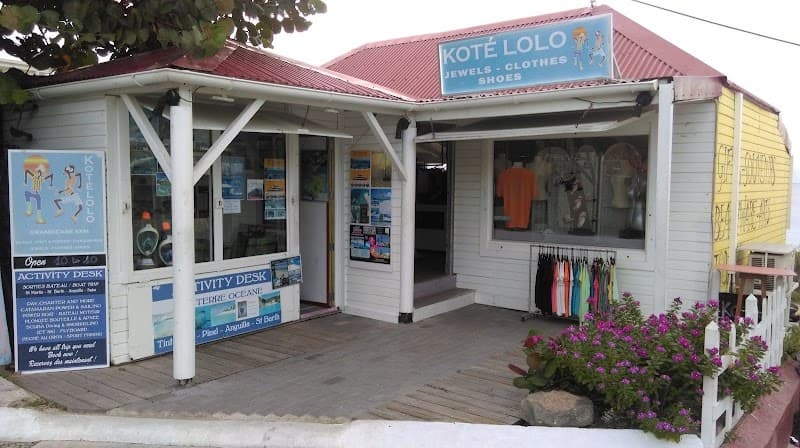
Things to Do in Saint Martin
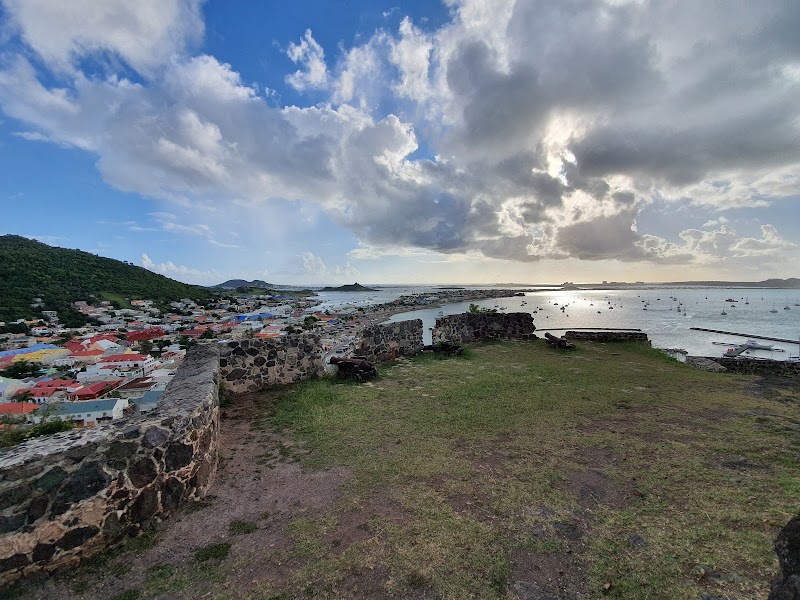
Fort Louis Viewpoint
Marigot (French Side) · 60 min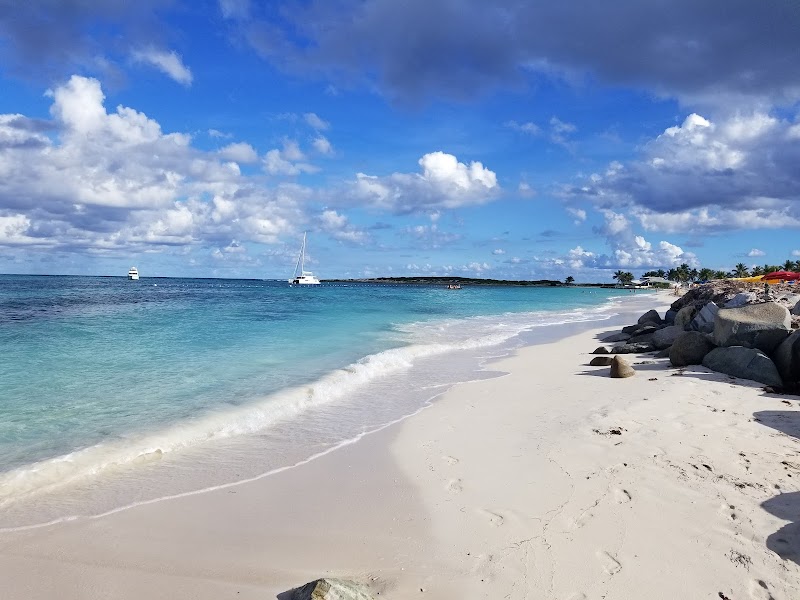
Orient Bay Beach Lounger Day
Orient Bay (French Side) · 180 min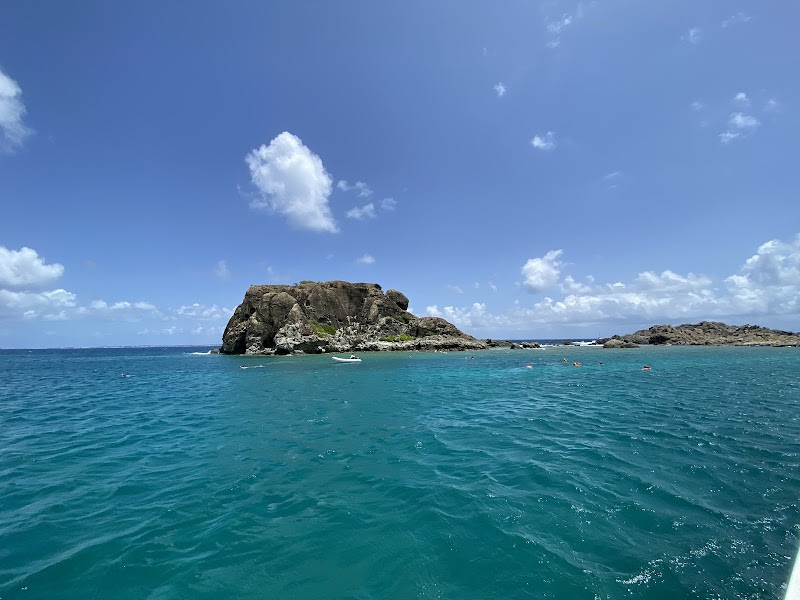
Creole Rock Snorkeling Trip
Simpson Bay departure / Creole Rock (off Grand Case) · 210 minMoney-Saving Tips
- 1.The euro is used on the French side, US dollars on the Dutch side, but most places accept both currencies
- 2.Duty-free shopping on the Dutch side can save 20-30% on jewelry, electronics, and alcohol
- 3.Restaurants on the French side automatically add 15% service charge - check your bill before tipping
- 4.Rental cars are cheaper when booked online in advance rather than at the airport
- 5.Beach chairs and umbrellas typically cost $15-25 per day at resort beaches
- 6.Happy hour at most bars runs 4-6 PM with drinks 30-50% off regular prices
- 7.Grocery shopping on the French side (Carrefour) is significantly cheaper than resort mini-markets
Travel Tips
- •Download offline maps - cell service can be spotty in remote beach areas
- •Pack reef-safe sunscreen - many beaches prohibit regular sunscreen to protect coral
- •The border between French and Dutch sides is unmarked - watch for speed limit sign changes
- •Wednesday through Friday see the heaviest cruise ship crowds in Philipsburg and Marigot
- •French side restaurants often close 2-6 PM, so plan lunch before 2 PM or after 6 PM
- •Bring a waterproof phone case - many of the best snorkeling spots require swimming to reach
- •Airport beach (Maho) plane schedules are posted at Sunset Beach Bar - time your visit for the big jets
Frequently Asked Questions
Explore Saint Martin
BUILD YOUR
SAINT MARTIN PLAN
Insider picks, smart timing, and a plan ready when you are.
Start Planning