El Calafate
Gateway to Patagonia's most spectacular glacial wonders
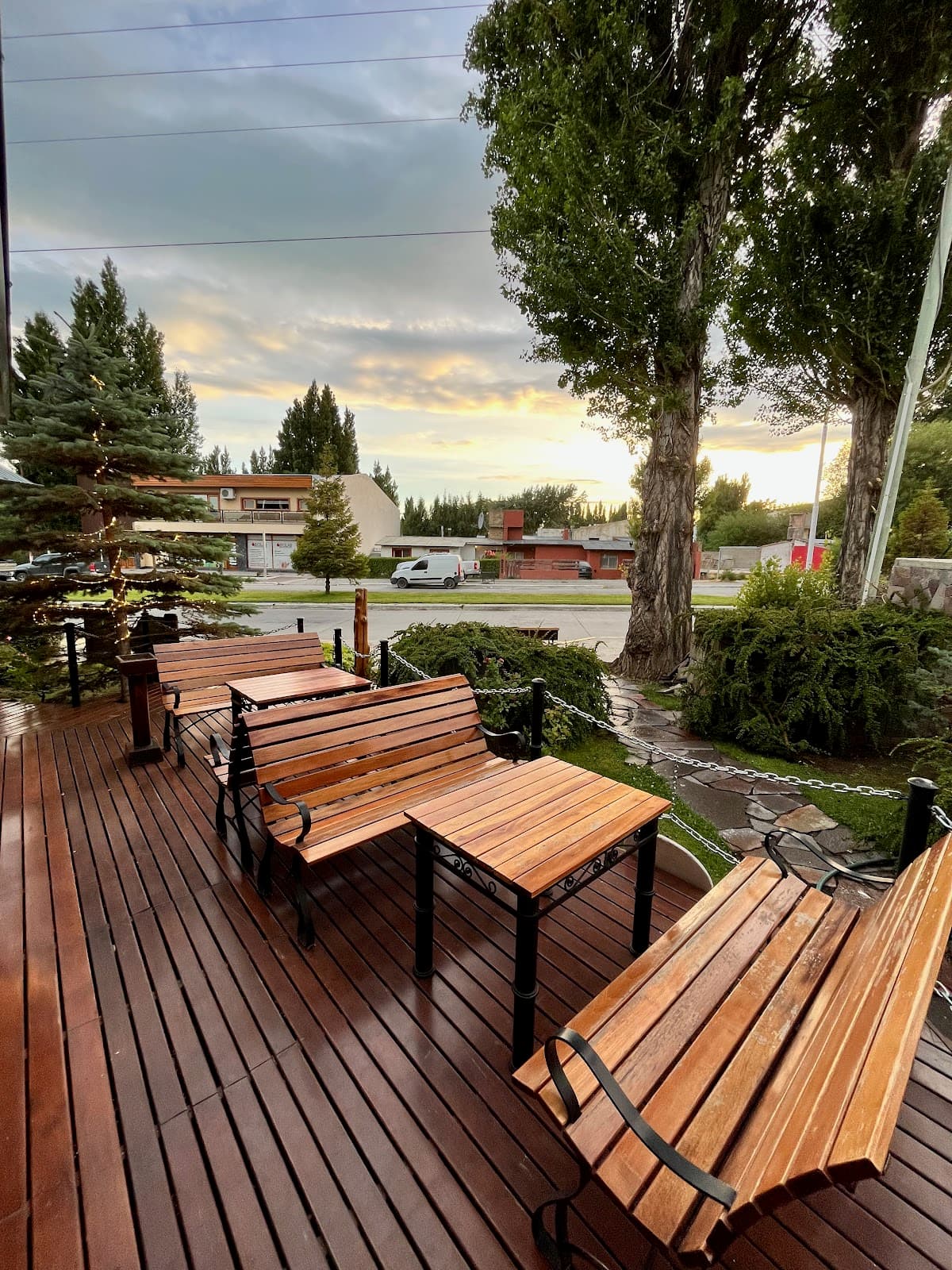
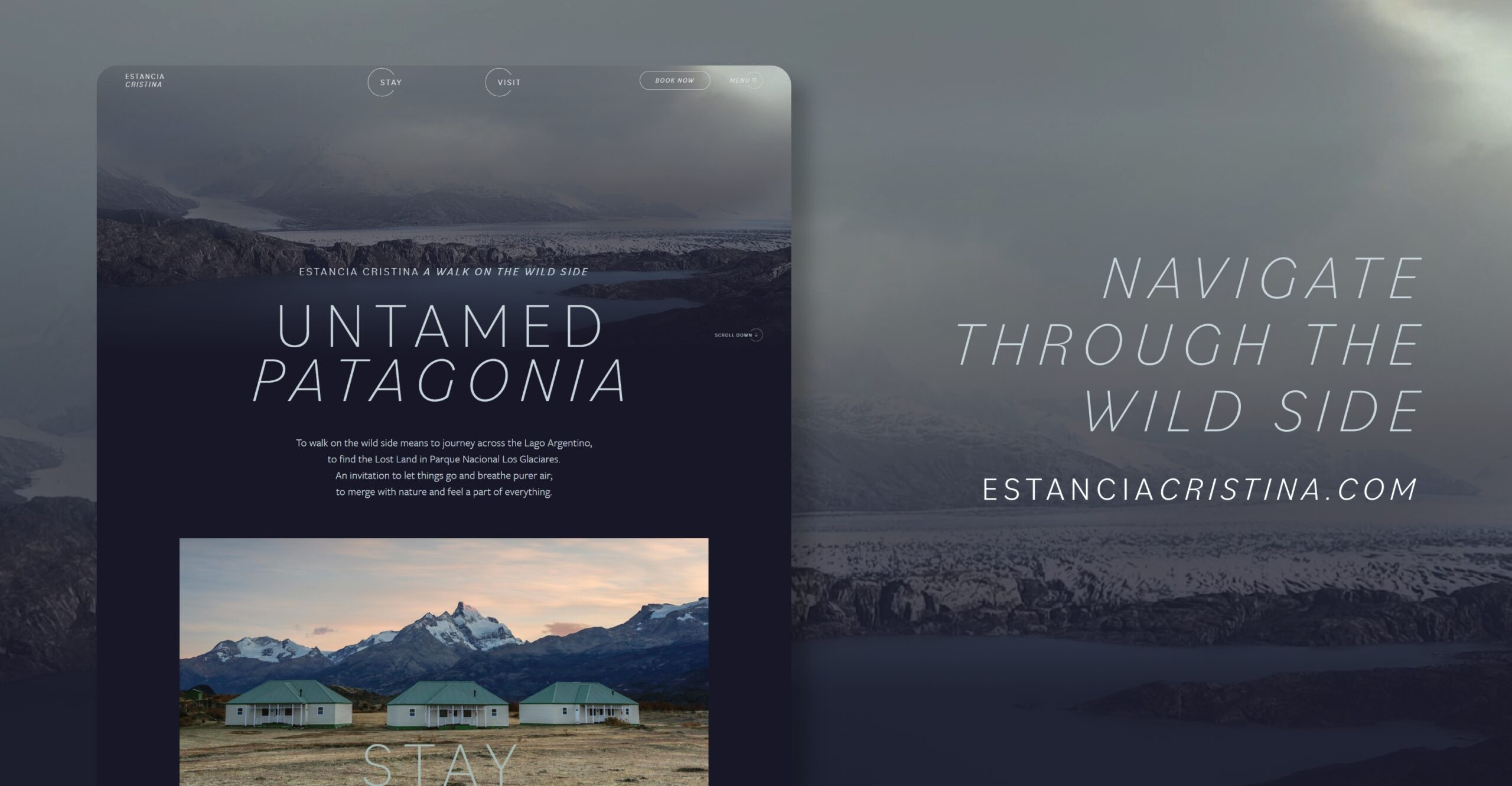
El Calafate sits on the edge of Argentina's Patagonia like a frontier town that never quite decided what it wanted to be. One minute you're walking down dusty Avenida del Libertador past wool shops and tour offices, the next you're staring at a wall of ancient blue ice that groans and cracks like the earth is splitting open. This small town of 22,000 exists for one reason: it's your launching pad to see Perito Moreno Glacier and the wild expanse of Los Glaciares National Park. The town itself won't win any beauty contests, but step outside and you're in one of the planet's last great wilderness areas where condors circle overhead and glacial lakes stretch to snow-capped peaks on the horizon.
Best Months
JAN · FEB · MAR · OCT · NOV · DEC
~18°C · high crowds
Culture & Context
GLACIER TOWN, LOCAL SOULS
El Calafate takes its name from a thorny shrub (Berberis buxifolia) covered in dark blue berries that grows all over Patagonia. Local legend says whoever eats a calafate berry will return one day. It sounds like a tourist gimmick but locals genuinely believe it.
The town sits on land historically inhabited by the Tehuelche people, skilled hunters who tracked guanaco across the steppe for thousands of years. Modern El Calafate didn't really exist until the late 1800s, and it only turned into a proper tourist destination in the 1990s. Today tourism is essentially the whole economy.
That shapes the vibe. This isn't a place with deep cultural layers to peel back. It's a functional, well-run launchpad for one of the world's most dramatic natural landscapes.
People are friendly but busy. Dinner doesn't start until 9pm at the earliest — showing up at 7pm means sitting alone in an empty restaurant. The asado tradition is serious here, especially the Patagonian lamb slow-roasted on a cross over open flame.
Mate is everywhere. Try it at the history museum café, where it's actually served — most restaurants don't offer it.
Local Customs
LATE DINNERS, CASH TIPS
Dinner starts late. Kitchens rarely get going before 8:30pm and the real dinner rush is 9-10pm. Showing up at 7pm is fine if you want the place to yourself, but don't be confused when staff seem surprised..
Tip 10% at restaurants — in cash. You cannot add a tip to a credit card bill, so carry ARS pesos for this purpose. Don't tip taxi or remis drivers, that's not the custom here..
Eat the calafate berry. It's on menus everywhere as sorbet, jam, alfajores, and even beer. Locals take the legend seriously — eat it and you'll return to Patagonia..
The park entrance fee (~$23 USD) must be paid in ARS cash on arrival at Los Glaciares National Park. Cards are not accepted at the gate. Sort out your cash before leaving town..
Weather dressing is taken seriously. Locals will look at you sideways if you show up at the glacier in jeans and a light jacket. Layer up, bring a waterproof outer layer, sunglasses, and sunscreen — the sun reflecting off ice burns fast..
Book glacier tours in advance during peak season (Dec-Feb). Tours sell out. Don't assume you can walk into an agency the morning of..
As of May 28, 2025, Argentina requires all foreign non-resident travelers to show valid travel insurance with comprehensive coverage, a return ticket, and an accommodation booking at entry. This is enforced at immigration.
Safety
SAFE, BUT WEATHER BITES
El Calafate is about as safe as small tourist towns get. Travelers consistently rate it the most comfortable place in Argentina for personal safety — far lower stress than Buenos Aires. The real risks here are environmental, not criminal.
Weather at the glacier turns fast. Patagonian wind is aggressive and unpredictable. Temperatures inside Los Glaciares National Park can be significantly colder than in town.
Bring a proper waterproof layer regardless of what the morning looks like in town. For glacier trekking, follow guide instructions and wear the crampons they provide — no exceptions. Medical resources in El Calafate are limited.
The town has a hospital, but for anything serious you'd need evacuation to Buenos Aires. Travel insurance with evacuation coverage is now legally required for foreign non-residents entering Argentina (as of May 2025). Buy it before you travel, not at the airport.
Petty theft is not a significant concern in El Calafate, but the usual precautions apply in crowded festival situations — don't leave packs unattended, keep your phone in your pocket in busy spots during Fiesta del Lago.
Getting Around
FLY IN, WALK AROUND
Flying is the only practical option from outside Patagonia. Comandante Armando Tola International Airport (FTE) sits 21km east of town. Aerolíneas Argentinas, FlyBondi, and JetSmart fly daily from Buenos Aires (both EZE and AEP), with additional connections from Ushuaia and Bariloche.
Book well in advance for Dec-Feb — flights fill up fast and prices spike. From the airport, your only options are a taxi/remis (~$23 USD) or a pre-booked private transfer. There is no airport bus.
Once in town, everything central is walkable. The bus terminal is one block up the hill from Av. del Libertador, with a walkway connecting them.
For the glacier and park, you have two choices: a shuttle bus from the terminal (buy tickets in advance — return journey costs around $30-35 USD) or a guided tour with hotel pickup included. There is no regular city bus network within town. Remis are the local private car option — book via WhatsApp, your accommodation will have a number.
For getting to El Chaltén (great day trip, 3-4 hours north on Route 23), several bus companies run daily services from the terminal. Same for Puerto Natales, Chile (gateway to Torres del Paine). Renting a car opens up the region considerably but check that your vehicle handles rough steppe roads and that you're comfortable with the police checkpoint on Route 11 between the airport and town.
Useful Phrases
El Calafate Itineraries
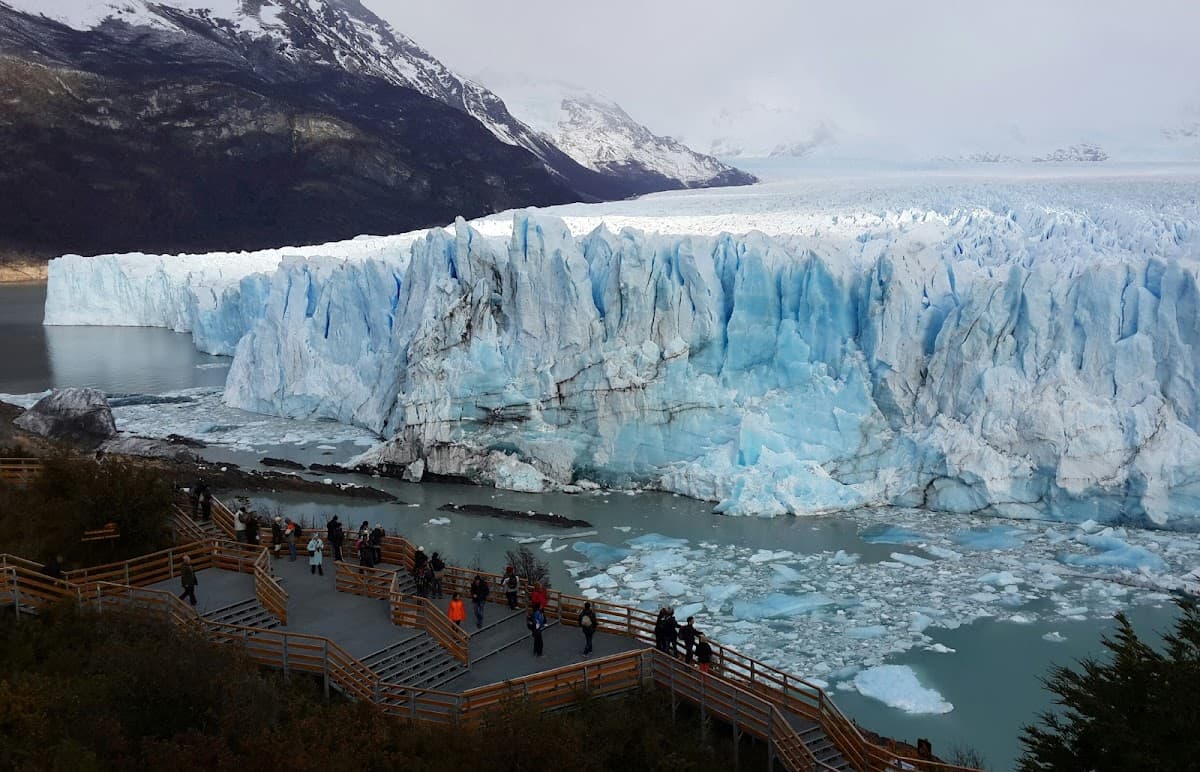
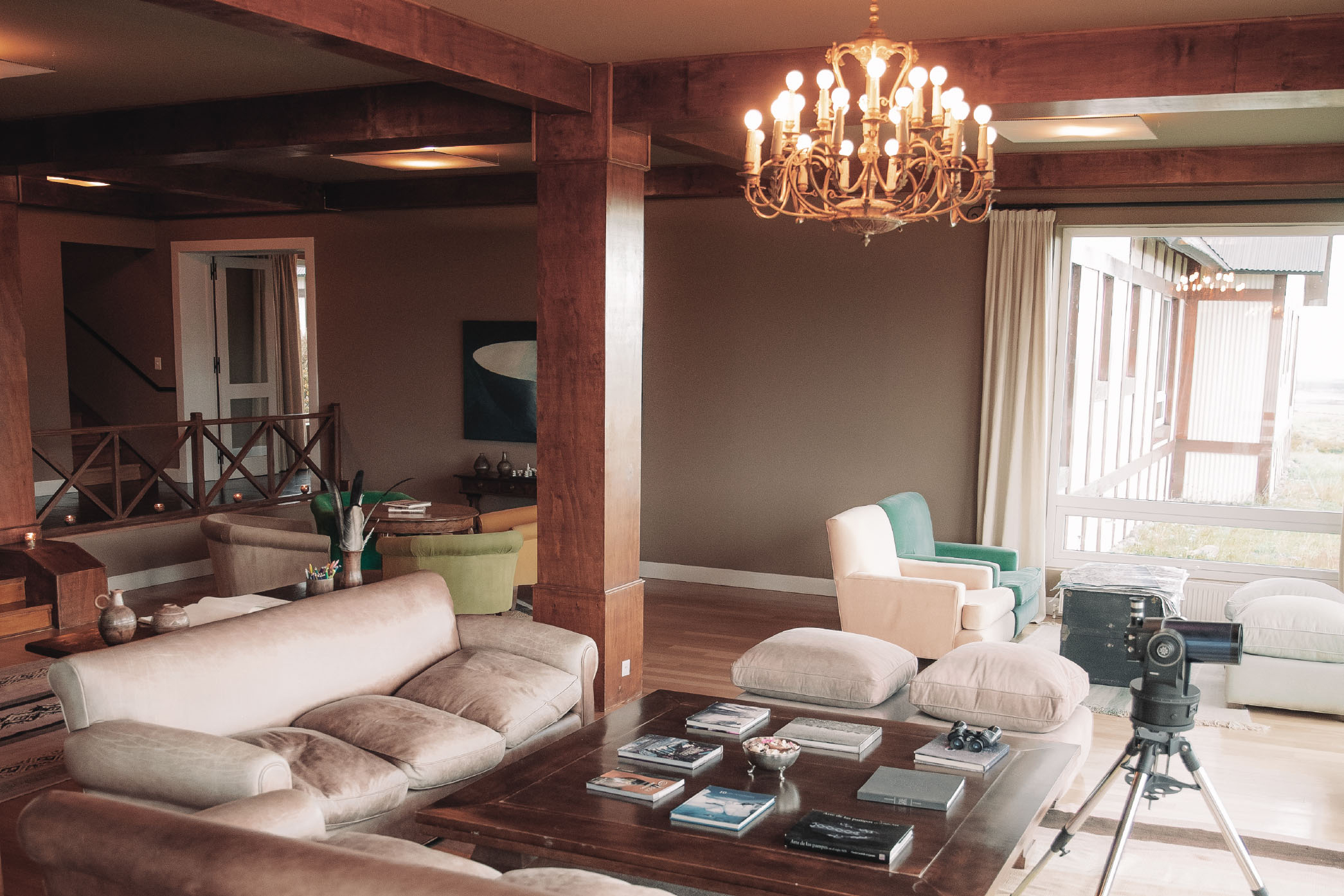
Where to Stay in El Calafate
2 recommended properties
Things to Do in El Calafate
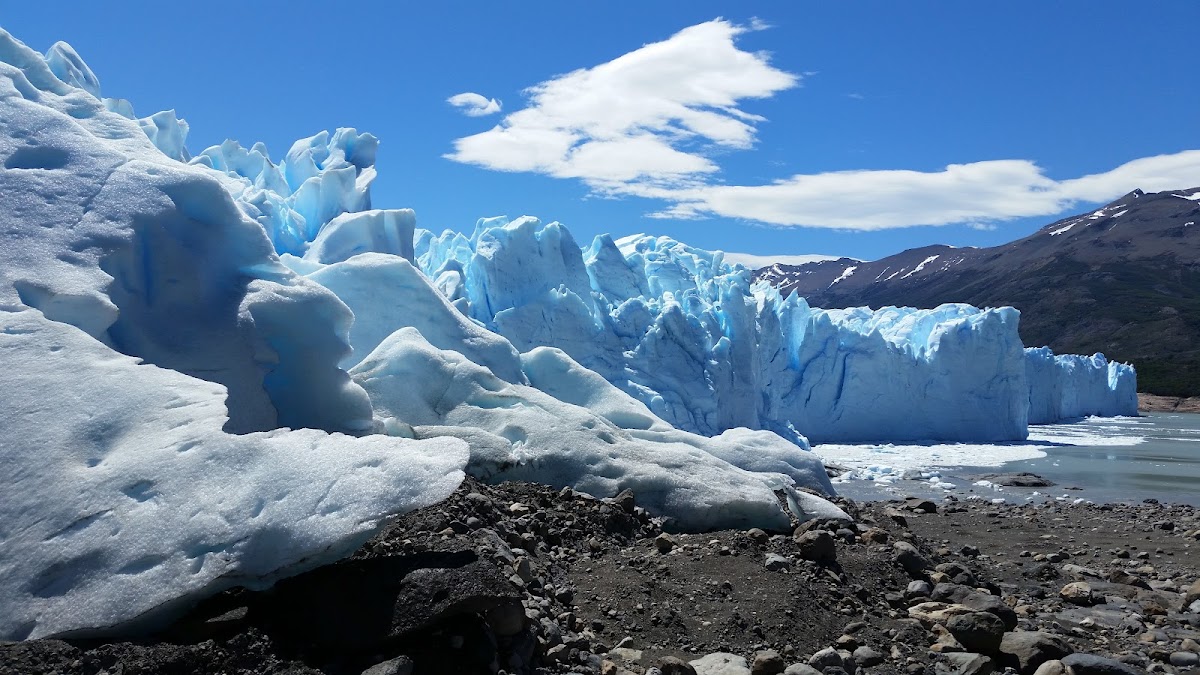
Pasarelas Perito Moreno (Walkways)
Los Glaciares National Park · 180 min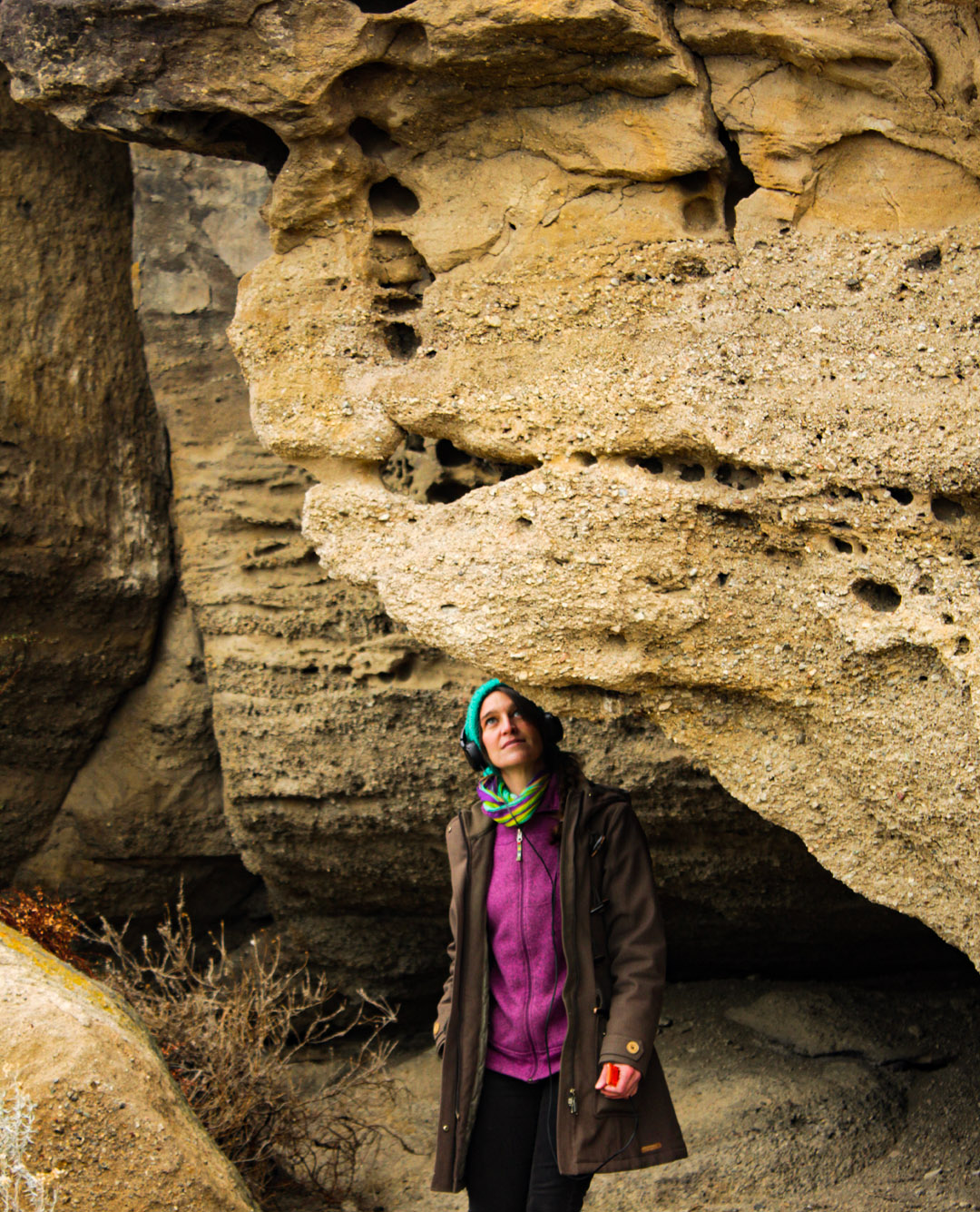
El Calafate City Tour and Walichu Caves
Walichu Caves · 240 min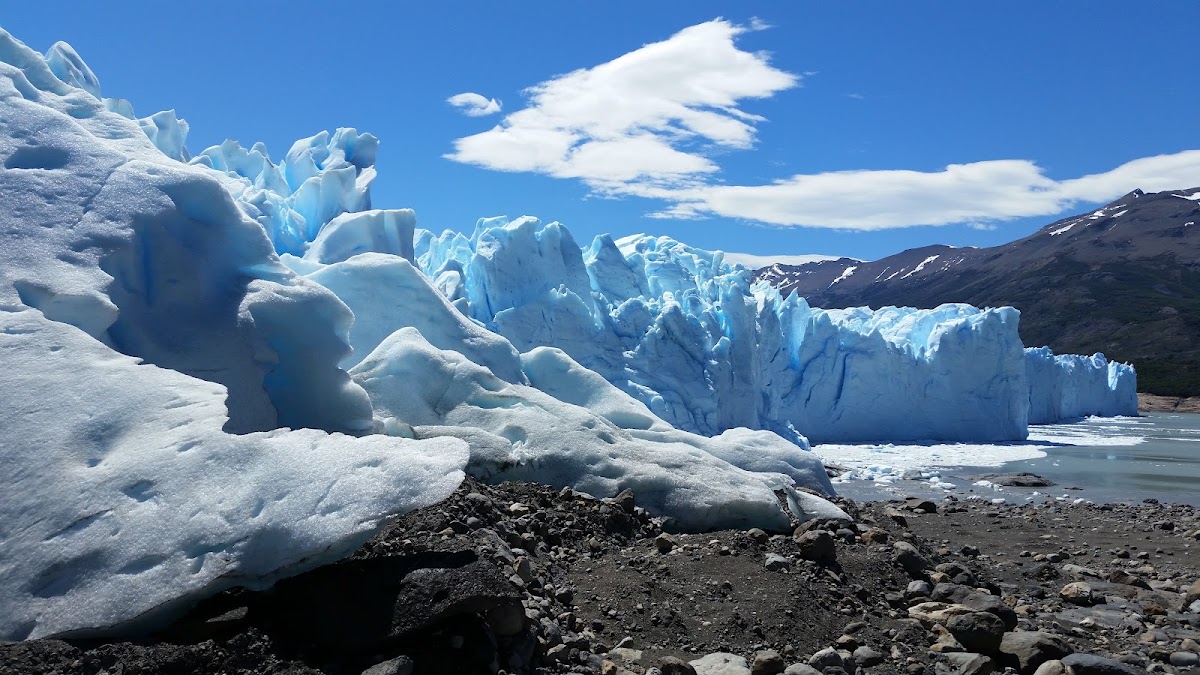
Perito Moreno Glacier with Mini Trekking
Los Glaciares National Park · 360 minMoney-Saving Tips
- 1.Book glacier tours directly through operators like Hielo y Aventura instead of hotel concierges to save 20-30%
- 2.Eat lunch at local parrillas away from Avenida del Libertador – places like Don Pichon charge half the price of tourist restaurants
- 3.Buy groceries at Supermercado El Pingüino for picnic supplies rather than eating every meal out
- 4.Visit during shoulder season (November or March) for 40% lower accommodation rates than peak summer
- 5.Fill up your rental car in El Calafate before day trips – gas stations near the glacier charge premium prices
- 6.Book accommodation with kitchen facilities to save on expensive restaurant meals
- 7.Look for package deals that combine glacier tours with ice trekking or boat trips for better value than booking separately
Travel Tips
- •Pack serious wind protection – Patagonian gusts can knock you over even on sunny days
- •Bring sunglasses and sunscreen – glacier reflection intensifies UV exposure significantly
- •Download offline maps before heading to remote areas where cell service disappears completely
- •Book popular tours like ice trekking 2-3 days in advance during peak season
- •Carry cash – many smaller restaurants and shops don't accept credit cards
- •Dress in layers you can add or remove quickly as weather changes throughout the day
- •Start glacier visits early morning for best lighting and fewer crowds on the walkways
- •Rent a car if visiting multiple glaciers or estancias – tour schedules can be restrictive
- •Check wind conditions before booking boat tours – high winds can cancel trips last minute