Ushuaia
End of the World Gateway to Antarctica
Welcome to the literal end of the world. Ushuaia sits at the bottom of Argentina, squeezed between the Beagle Channel and snow-capped mountains that look like they're straight out of Patagonia (because they are). This is where South America runs out of land, where penguins outnumber people, and where half the visitors are catching boats to Antarctica.
The city itself? Think colorful houses climbing up hillsides, king crab the size of dinner plates, and that crisp mountain air that makes you want to hike everything in sight. Sure, it's remote—getting here takes commitment. But that's exactly why it works. You're not just visiting another city; you're standing at the edge of everything, looking south toward the white continent.
Culture & Context
WORLD'S PENAL EDGE
Ushuaia sits at the southern tip of Argentina's Tierra del Fuego island, on the shore of the Beagle Channel with the Andes piling up right behind it. Locals call it "El Fin del Mundo" (The End of the World), and that's not just marketing. The city spent decades as a penal colony, shipping Argentina's most dangerous criminals to the literal edge of the continent.
That history is everywhere. The old prison still stands, now converted into a cluster of museums. Today the city of roughly 80,000 people runs on two things: Antarctic cruise departures and year-round adventure tourism.
But here's the thing — most visitors pass through in 48 hours on the way to a ship. The people who actually stick around discover an oddly warm, community-minded place where first-generation locals are still figuring out what Ushuaia even is. Many residents' parents came down from northern Argentina looking for work and better wages.
Wages here are higher than the national average because of the city's remoteness, but so are prices — goods arrive by truck over hundreds of kilometers or by boat, making costs 40–60% higher than Buenos Aires. The Yamana (Yagán) indigenous people lived here for thousands of years. Their story is told at the Museo del Fin del Mundo on Maipú, not far from the port.
It's worth an hour of your afternoon.
Local Customs
KISS, TIP CASH, LAYER UP
Greet people with a single kiss on the cheek — even strangers you're being introduced to. It's standard across Argentina, and skipping it reads as cold.. Tip in cash, always.
About 10% in restaurants is the norm, and tips cannot be added to a credit card receipt. Pull out pesos.. Mate tea is a whole social ritual.
If someone offers you the gourd, accept it. Don't thank them until you want to stop drinking — saying 'gracias' mid-rotation signals you're done.. Don't order salmon in Ushuaia.
The fishing and tourism industries jointly pushed to ban salmon farming from the Beagle Channel. Ordering it at a restaurant supports the exact thing locals fought against. Order the king crab (centolla) or merluza negra instead..
Pay national park entry fees in Argentine pesos cash. Credit cards are not accepted inside Tierra del Fuego National Park, and US dollars won't help you there.. To ride city buses, you need a SUBE card — a rechargeable transit card.
Pick one up and load it at shops marked as 'Puntos SUBE'. Tell the driver your destination when you board.. Weather can flip from sun to sleet to sun again in a single morning.
Locals layer aggressively and never leave home without a waterproof outer layer. Neither should you.
Safety
VERY SAFE, EXTREME WEATHER
Ushuaia is genuinely safe. Crime rates are low — lower than most Argentine cities by a significant margin. Petty theft like pickpocketing is rare but worth being aware of in crowded port areas when cruise ships disgorge passengers. No specific neighborhoods to avoid.
The real safety concerns are environmental. Weather flips without warning — sunshine to sudden snow is a real scenario any month of the year. Always check conditions before heading into Tierra del Fuego National Park or on any trail. Tell someone where you're going. Trails beyond the main tourist routes lose cell signal quickly. Bring layers, waterproofs, and more food and water than you think you need.
Emergency number is 911, but English-language support is only available in Buenos Aires — not in Ushuaia. Download Google Translate for offline use and have your accommodation's address written in Spanish. The water is safe to drink from the tap.
Getting Around
FLY IN, WALK AROUND
Fly in. Seriously — that's the move. Ushuaia's airport (USH, Malvinas Argentinas Airport) has daily direct flights from Buenos Aires Jorge Newbery (Aeroparque), run mostly by Aerolíneas Argentinas. Flight time is 3.5 hours. Only one daily flight departs from Ezeiza International. You can also fly direct from Córdoba or El Calafate. Overland is possible but brutal — there's no direct bus from Buenos Aires, you have to cross into Chile and back into Argentina via ferry across the Strait of Magellan. From Punta Arenas, Chile, it's a 10-hour bus ride with border crossings. Don't do it unless you genuinely want the journey to be the experience.
Inside the city, you don't need a car to get around the center. The bus network runs on a SUBE card (rechargeable transit card, buy it at shops marked "Puntos SUBE"). Bus fares are almost nothing — about $0.15 per ride. Taxis and Uber are both available and easy to find, with a typical city trip running around $6. Maipu Street has a small taxi stand near the tourist port.
For day trips to Tierra del Fuego National Park, the End of the World Train, or the ski resorts at Cerro Castor, you'll need a tour, private transfer, taxi, or rental car. Shuttle buses run on fixed schedules from the port to major trailheads. Many tour operators include hotel pickup. Renting a car makes financial sense if you're staying more than 5 days and planning multiple excursions — individual tours add up fast.
Useful Phrases
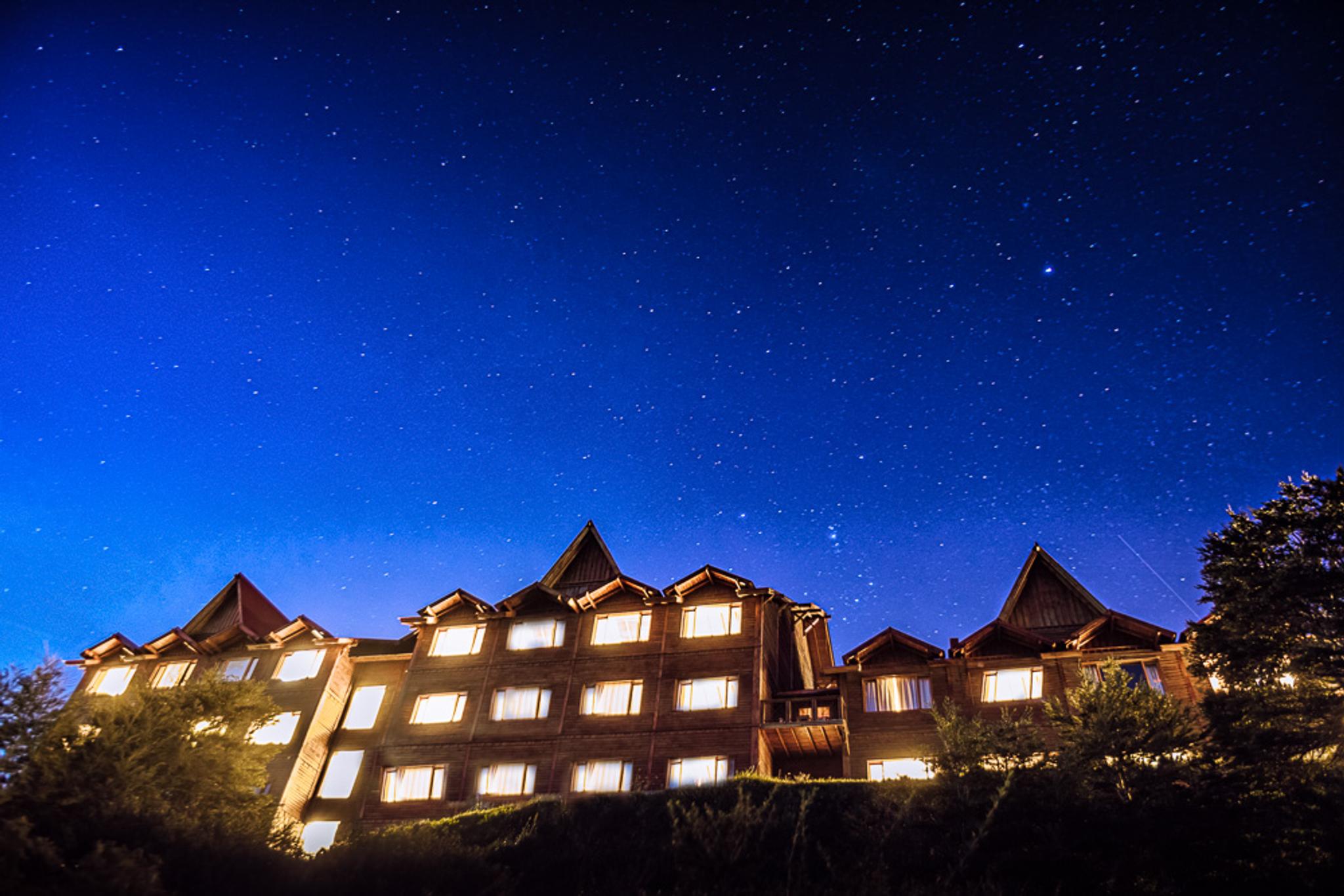
Where to Stay in Ushuaia
1 recommended properties
Money-Saving Tips
- 1.Book Antarctica cruises directly with operators in Ushuaia for last-minute deals—you can save 30-50% but need flexible dates
- 2.Eat lunch at local parrillas instead of tourist restaurants near the port to cut meal costs in half
- 3.Buy groceries at Supermercado La Anónima rather than convenience stores—prices drop significantly
- 4.Stay in residential neighborhoods above downtown for cheaper accommodations with better views
- 5.Take the local bus to Tierra del Fuego National Park instead of organized tours to save $30-40 per person
- 6.Visit during shoulder season (November or March) for 40% lower hotel rates while weather stays decent
Travel Tips
- •Pack layers even in summer—weather changes fast and wind off the Beagle Channel cuts through everything
- •Book accommodations months ahead for December-February visits as the city only has about 100 hotels total
- •Bring US dollars or euros for better exchange rates than using ATMs, which charge high fees
- •Download offline maps before exploring—cell service gets spotty outside town
- •Check Antarctica cruise availability before booking flights—last-minute cruise deals require flexible travel dates
- •Rent a car for national park visits if you want flexibility, but book early as rental agencies are limited
- •Try king crab at lunch when prices are lower than dinner menus at the same restaurants