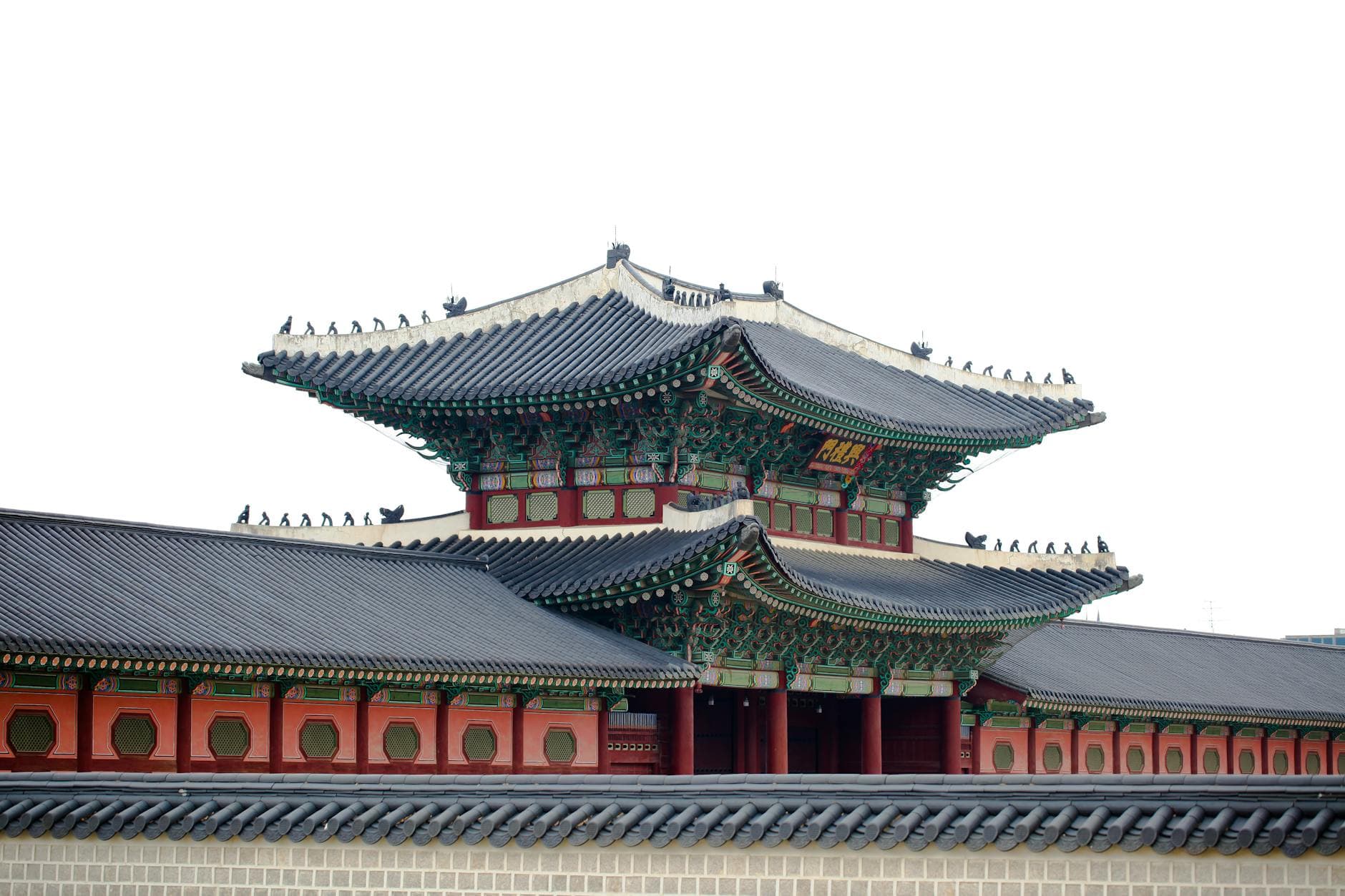
South Korea
Ancient traditions blend seamlessly with cutting-edge modern innovation
South Korea hits different. One minute you're slurping steaming bowls of kimchi jjigae in a centuries-old hanok village, the next you're dodging holographic advertisements in Gangnam's glass towers. This isn't just another Asian destination — it's a country that's figured out how to honor its 5,000-year history while building the future.
Seoul alone could keep you busy for months. But venture beyond the capital and you'll find Buddhist temples carved into misty mountains, volcanic islands with black sand beaches, and coastal cities where fresh seafood meets centuries-old brewing traditions. The food scene here doesn't just rival Tokyo or Bangkok — it's rewriting the rules entirely.
Here's what makes Korea special: locals actually want to help you navigate their country. Street food vendors will teach you how to properly eat hotteok. Subway station attendants speak enough English to point you toward the right platform. And that famous Korean hospitality? It's real, even if it comes wrapped in initial shyness.
Explore Destinations
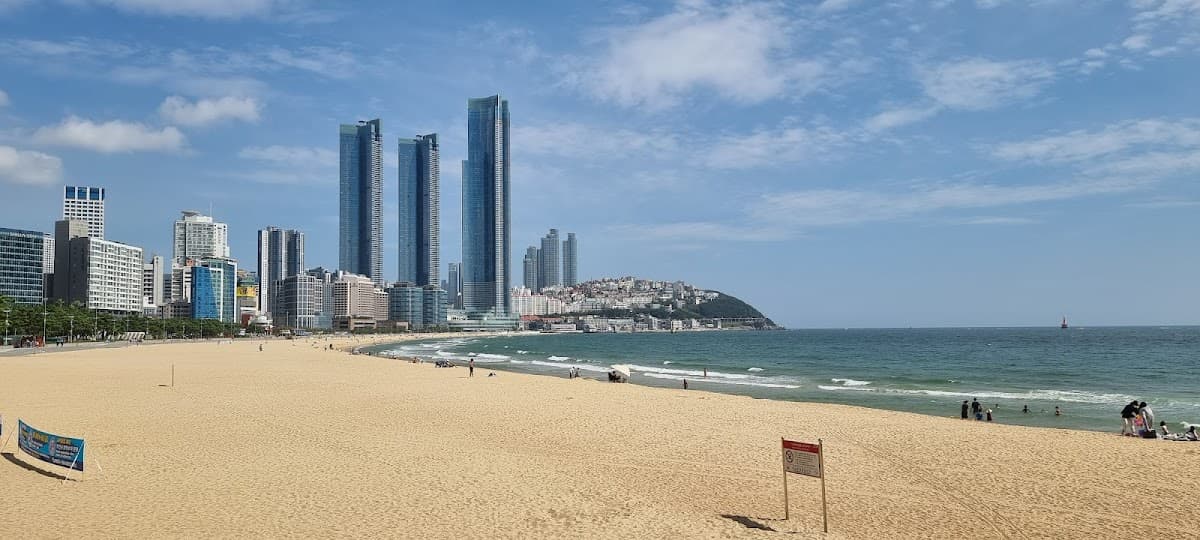

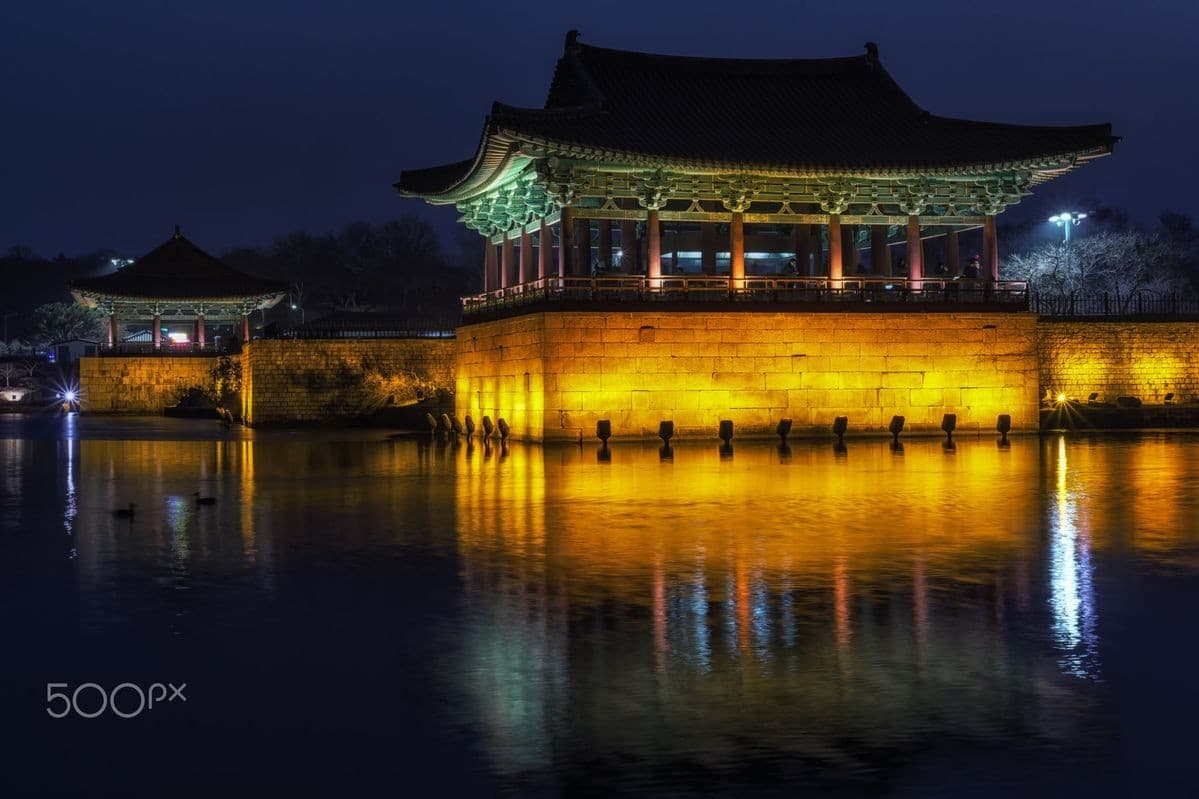
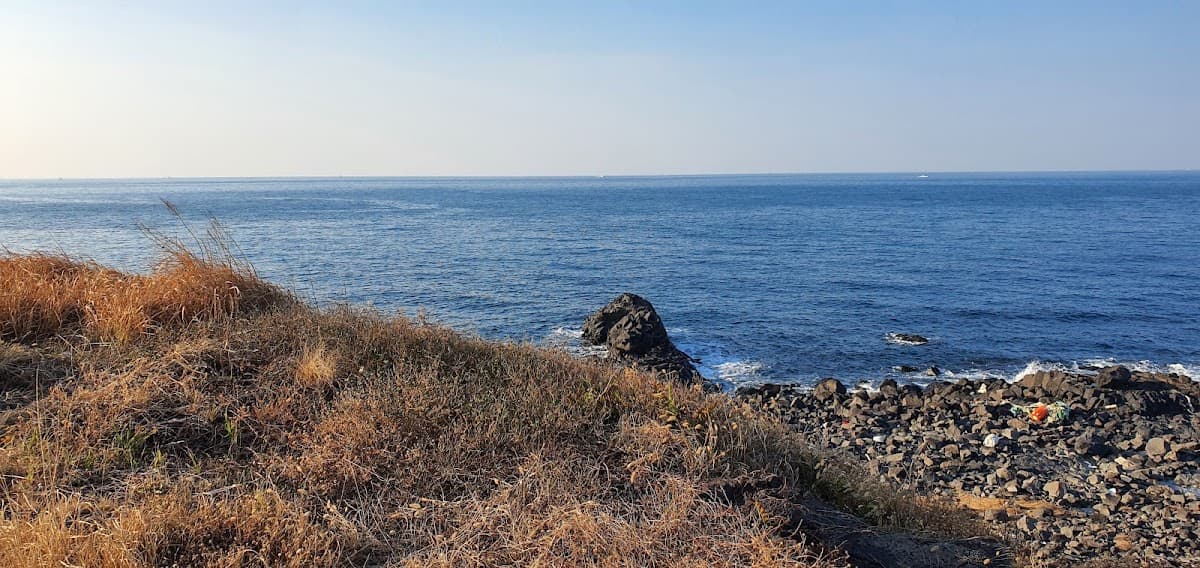
Explore the Region
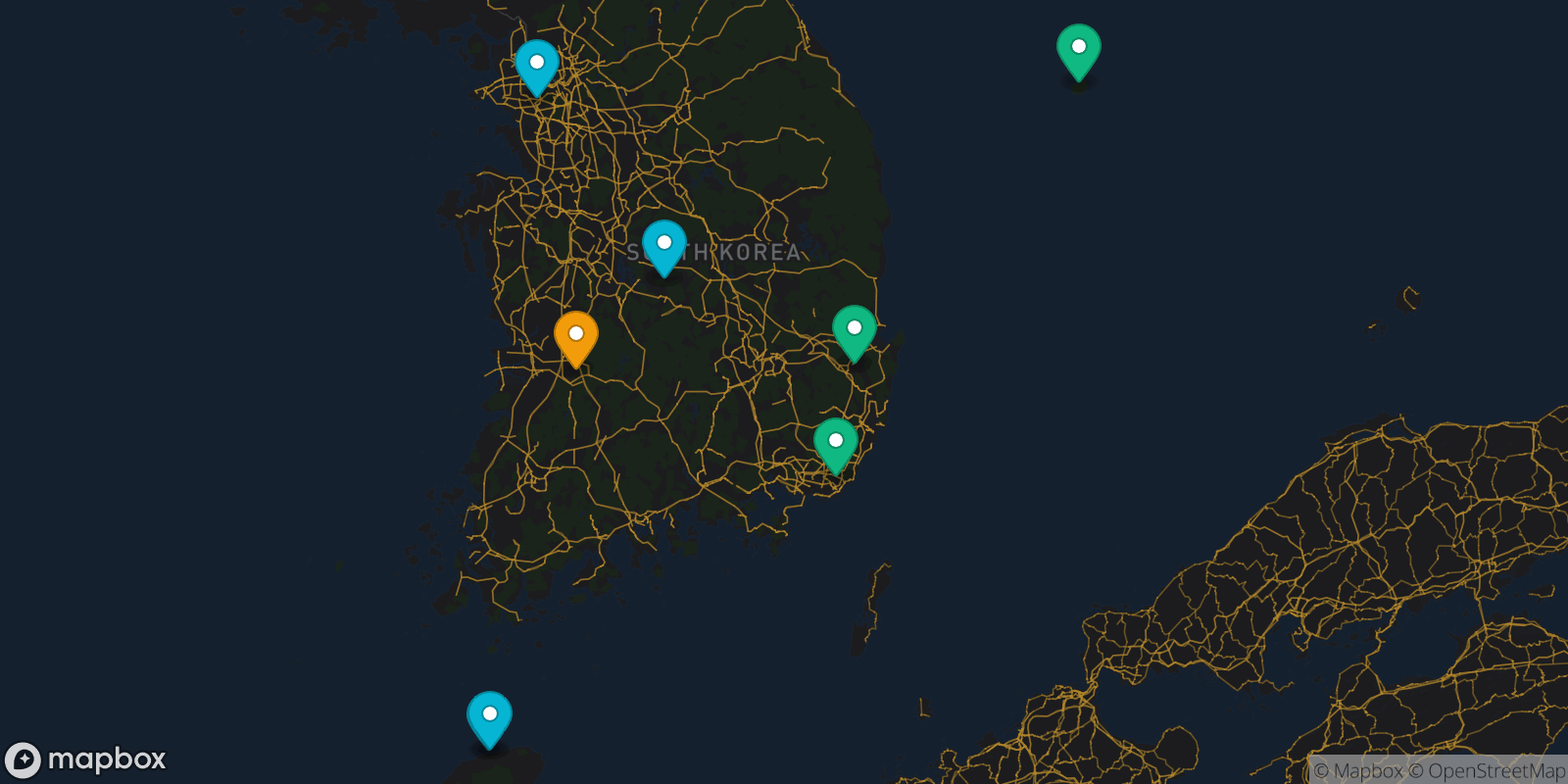
South Korea Itineraries
View all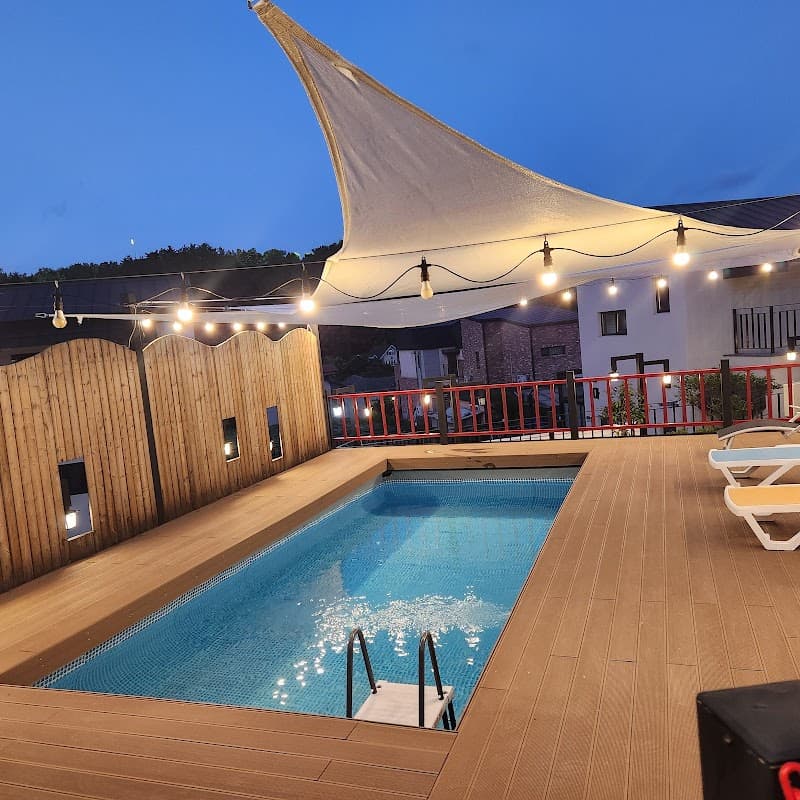
Slow Days in Gyeongju: Silla History, Green Hills & Calm Nights
Week · $$$
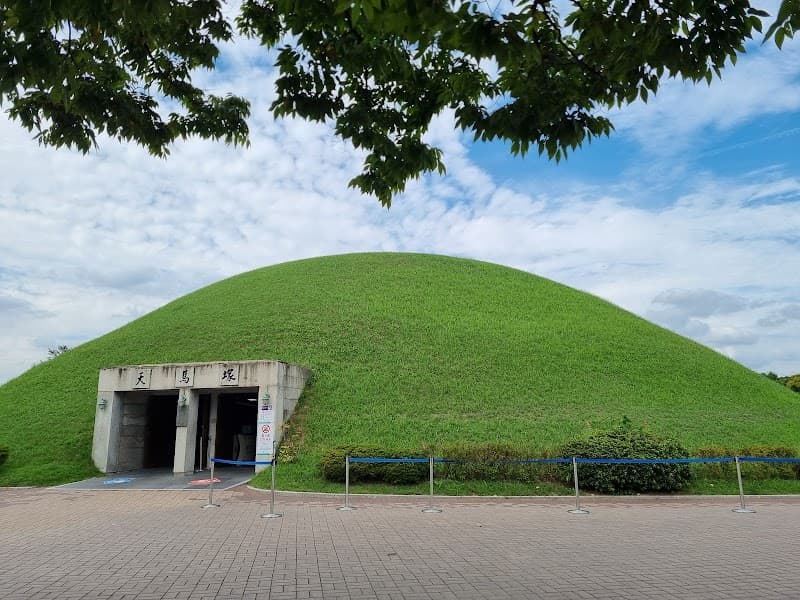
Three Slow Days in Gyeongju’s Green Ancient Kingdom
Weekend · $$$
Family-Friendly Seoul Kickoff Day
Weekend · $$$

Seven Thrilling Days in Dynamic Seoul
Weekend · $$$

Seoul Thrills & Tastes: 5 Days of Urban Adventure
Weekend · $$
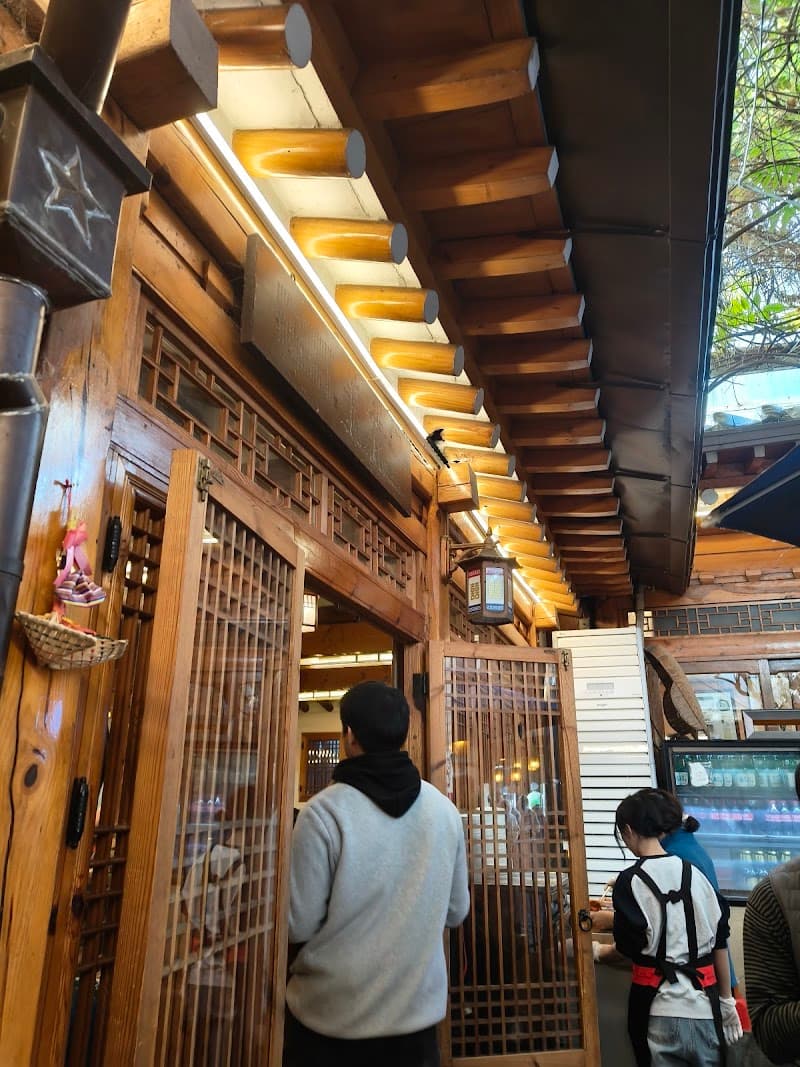
Seoul in 7 Days: Palaces, Markets, Style, and Night Energy
Week · $$$
Money-Saving Tips
- 1.Buy a T-money card for Seoul's public transport — it works on subways, buses, and some taxis, plus you get small discounts on fares
- 2.Eat at university areas like Hongdae and Sinchon where student-friendly prices mean ₩5,000 meals instead of ₩15,000 tourist trap portions
- 3.Book KTX bullet train tickets 1 month ahead for 50% discounts, or take slower Mugunghwa trains that cost half the price but add 2-3 hours
- 4.Skip hotel breakfast buffets (₩25,000+) and hit convenience stores for triangle kimbap, banana milk, and coffee for under ₩3,000 total
- 5.Download apps like Coupang or Market Kurly for grocery delivery to your accommodation — cooking simple meals saves serious money
- 6.Visit department store food courts in basement levels for quality meals at local prices, not tourist markups
- 7.Buy cosmetics and skincare at Olive Young or Lalavla instead of airport duty-free shops — prices are 30-40% lower
- 8.Use free WiFi everywhere instead of buying local SIM cards — Korea has the world's most comprehensive free internet coverage
- 9.Book jimjilbangs (Korean spas) for overnight stays in expensive cities like Seoul — ₩12,000 gets you sleeping space, showers, and saunas
- 10.Shop at traditional markets like Namdaemun or Dongdaemun after 8 PM when vendors start offering end-of-day discounts
Travel Tips
- •Download Papago translator app — it works offline and handles Korean text better than Google Translate, especially for menus and signs
- •Remove shoes when entering homes, temples, and some traditional restaurants — look for shoe racks or slippers by the entrance
- •Bow slightly when greeting older people or receiving business cards — use both hands to accept cards and read them before putting away
- •Pack layers for extreme temperature swings — Seoul can hit -15°C in winter and 35°C in summer with high humidity
- •Bring cash for traditional markets, street food, and smaller restaurants — many places still don't accept cards despite Korea's digital reputation
- •Learn basic chopstick etiquette — don't stick them upright in rice bowls (funeral ritual) or pass food chopstick-to-chopstick
- •Book temple stays in advance through templestay.com — these overnight experiences at Buddhist temples fill up quickly, especially in fall
- •Carry tissues and hand sanitizer — public restrooms often lack paper towels and soap, though toilet paper is usually provided
- •Download KakaoMap instead of Google Maps — it works better for navigation and shows real-time bus arrivals in English
- •Respect photography rules at palaces and temples — some areas prohibit photos, and always ask before photographing people in traditional dress