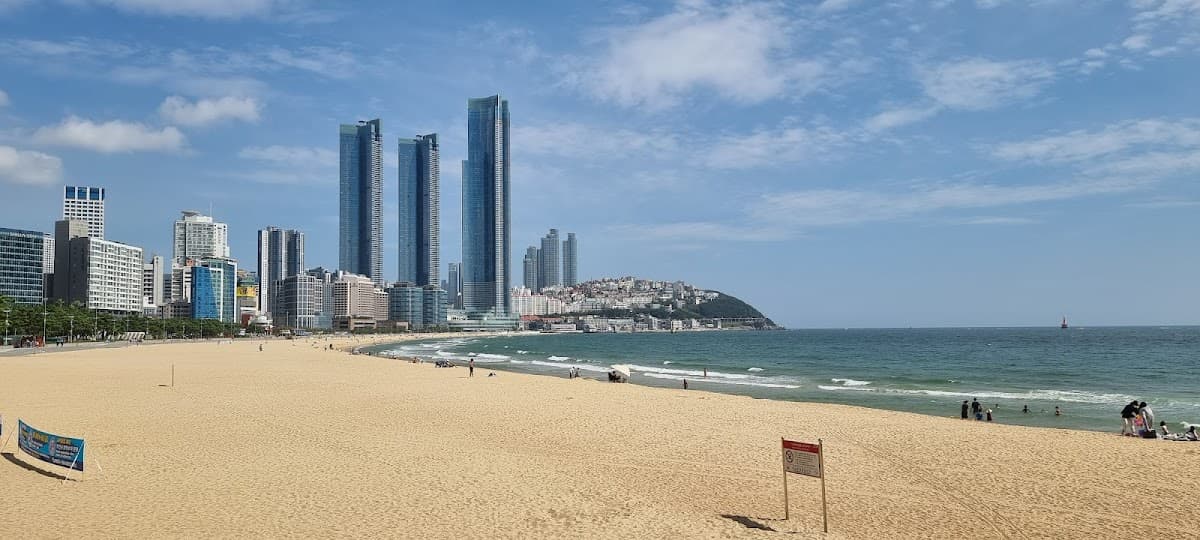
Busan
Korea's coastal metropolis blending beaches with urban energy
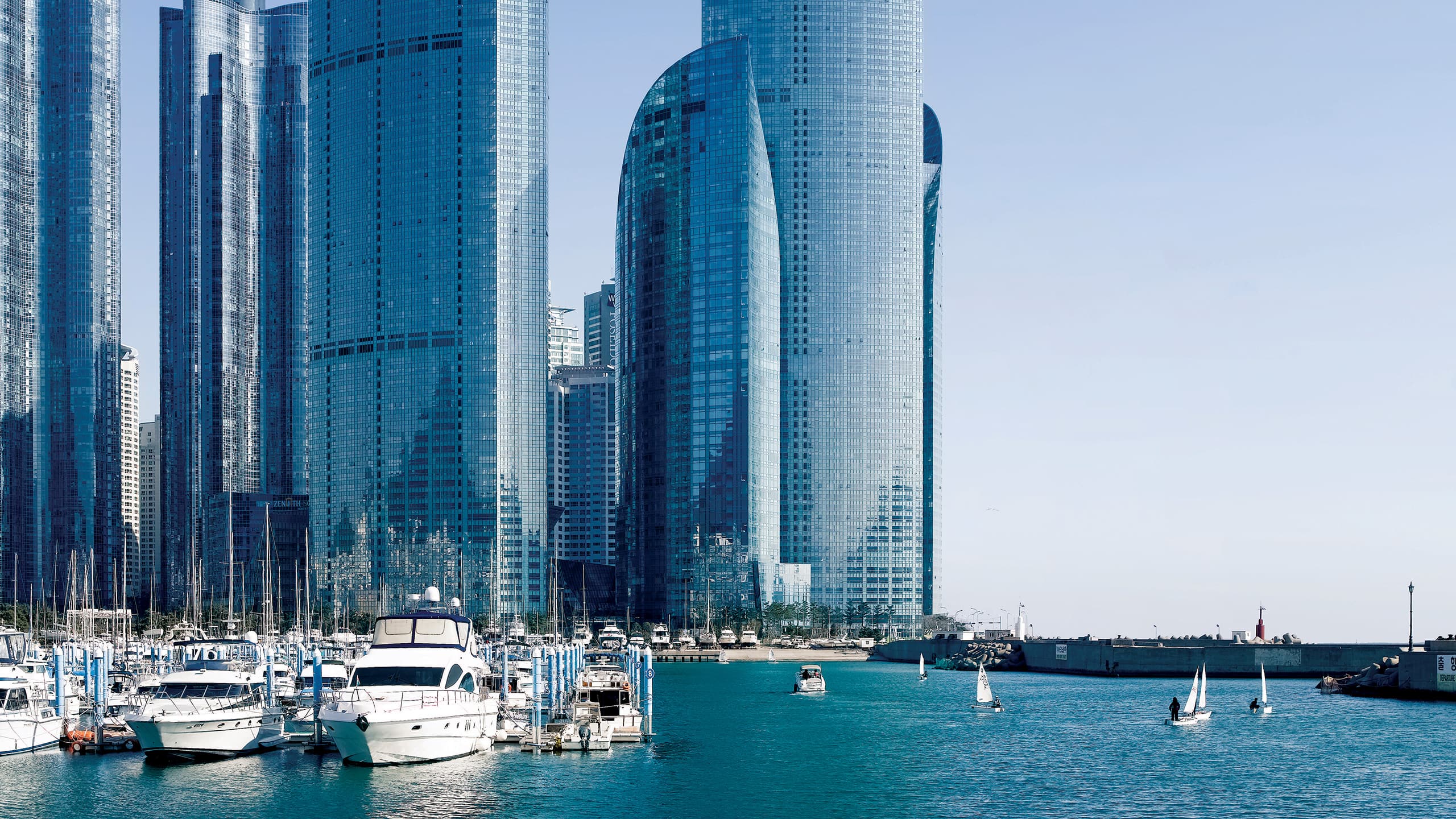
Busan hits different than Seoul. Korea's second city sprawls along the southern coast, where mountains crash into the sea and traditional markets sit next to gleaming skyscrapers. You'll find some of Asia's best beaches here, plus food scenes that'll ruin you for Korean BBQ anywhere else. The city moves at its own pace — faster than a beach town, more relaxed than the capital. And here's the thing: most international travelers skip it entirely, which means you get to experience Korea without the crowds.
Best Months
APR · MAY · JUN · SEP · OCT · NOV
~21°C · high crowds
Culture & Context
GRITTY PORT CITY SPIRIT
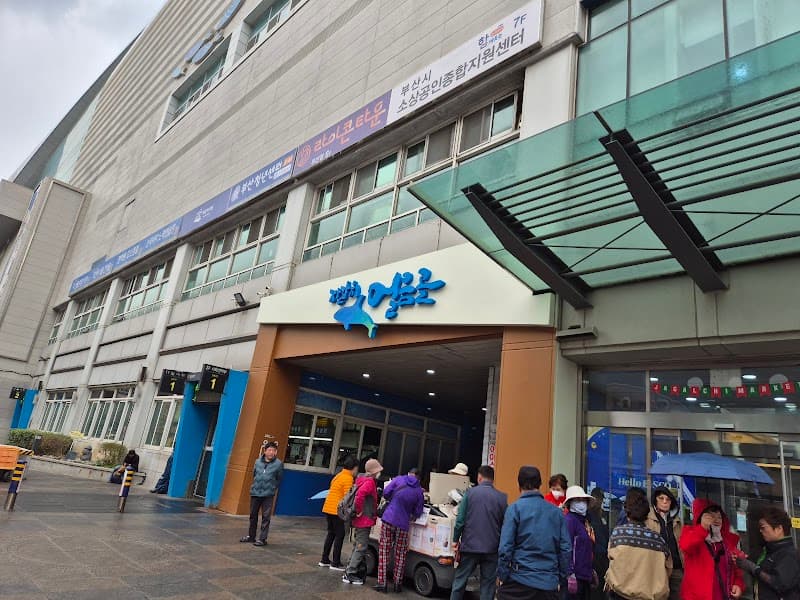
Busan has a reputation for being rougher around the edges than Seoul, and that's actually a feature. It's a port city built on mountains — literally. Neighborhoods stack up steep hillsides, fishing boats still work the harbor, and the grandmothers at Jagalchi Market have been gutting fish since before you were born.
The Korean War shaped this place. Gamcheon Culture Village was a refugee settlement. That history is baked into the streets.
Busanites tend to be more direct and loud than Seoulites, which some people find refreshing. The city has a strong working-class identity alongside its new glitzy hotels and convention centers. Both exist here without apology.
Local Customs
NO TIPS, REMOVE SHOES
No tipping — it's not expected anywhere, and some locals will find it awkward or politely refuse it. Service charges are included in menu prices.. Remove your shoes when entering traditional accommodations, guesthouses, or homes.
Look for the step at the entrance — that's your cue.. At meals with Koreans, wait until the eldest person at the table starts eating before you dig in. It's a small thing that gets noticed..
When visiting temples like Beomeosa or Haedong Yonggungsa, dress modestly and keep your voice low. These are active places of worship, not just photo backdrops.. Haggling is fine at traditional markets like Jagalchi or Gukje Market.
At fixed-price shops and restaurants, it's not done.. On the subway escalators, stand on the right and walk on the left. Getting this wrong during rush hour will earn you silent irritation from commuters..
Cash is king at smaller street stalls and markets. Cards are accepted almost everywhere else, but keep some won on you. ATMs marked 'Global' at CU, GS25, and 7-Eleven convenience stores accept foreign cards — withdrawal fees are roughly $2.
64–$4.59 USD.
Safety
VERY SAFE, STAY AWARE
Busan is very safe. South Korea consistently ranks among the OECD countries with the lowest crime rates, and that shows on the ground — subway stations are well-lit with CCTV coverage, and you can walk home late without the anxiety that follows you in many major cities. That said, a few practical things: most taxi drivers don't speak English, so have your destination written in Korean or pulled up on a map to show them.
Petty theft isn't common, but crowded summer beaches (Haeundae in August especially) draw enough tourists that normal bag-awareness applies. Emergency numbers: 112 for police, 119 for fire and ambulance. Korean hospitality is real — locals will go out of their way to help confused-looking tourists, even with a language barrier.
Getting Around
METRO & BUS NETWORK
Busan has four subway lines plus the Gimhae Light Rail and the Donghae Line. Line 1 (orange) covers old city centers: Busan Station, Nampo-dong, Seomyeon, and Dongnae. Line 2 (green) handles the eastern tourist corridor: Seomyeon, Gwangalli, and Haeundae.
Those two lines get you to about 90% of what you want to see. Get a T-money card immediately — it works on subways, buses, and even convenience stores. Single rides cost about 1,300 KRW ($1 USD) with the card.
A 1-day unlimited pass costs 5,000 KRW and makes sense if you're covering a lot of ground. The metro runs from approximately 5am to midnight. Buses fill the gaps for hillside and coastal spots the subway doesn't reach — Gamcheon Culture Village (buses 1-1, 2, or 2-2 from Toseong Station), Taejongdae, and Huinnyeoul Culture Village all require a bus.
Fares are around 1,300 KRW for city buses. Do NOT use Google Maps for bus navigation in Korea. Download Naver Map or KakaoMap before you land — they show real-time bus locations, arrival countdowns, and the correct exits to use at large stations.
Taxis start at 4,800 KRW ($3.20 USD) and are metered. They're fine for short trips or late nights after the subway closes.
Gimhae International Airport connects to central Busan (Sasang Station) via the Gimhae Light Rail, then transfer to Line 2 for most tourist areas. The whole journey takes 30–60 minutes depending on your destination.
Useful Phrases
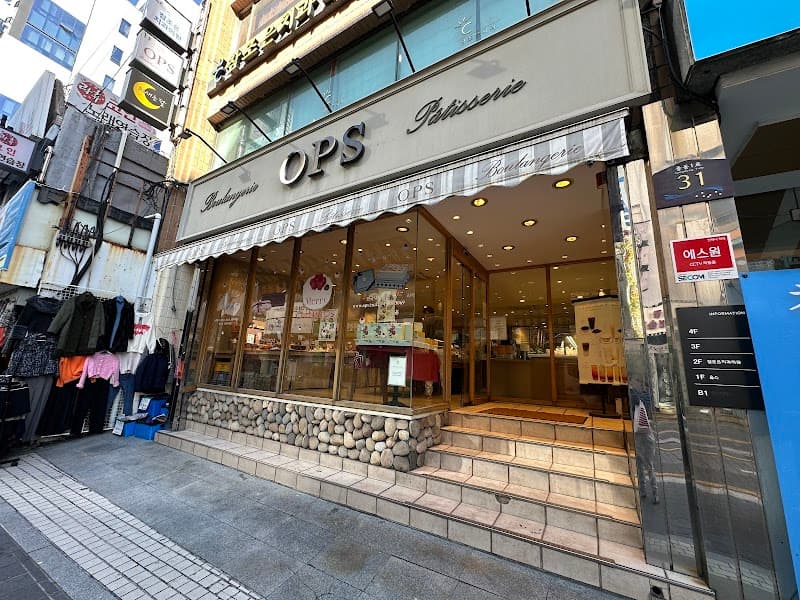
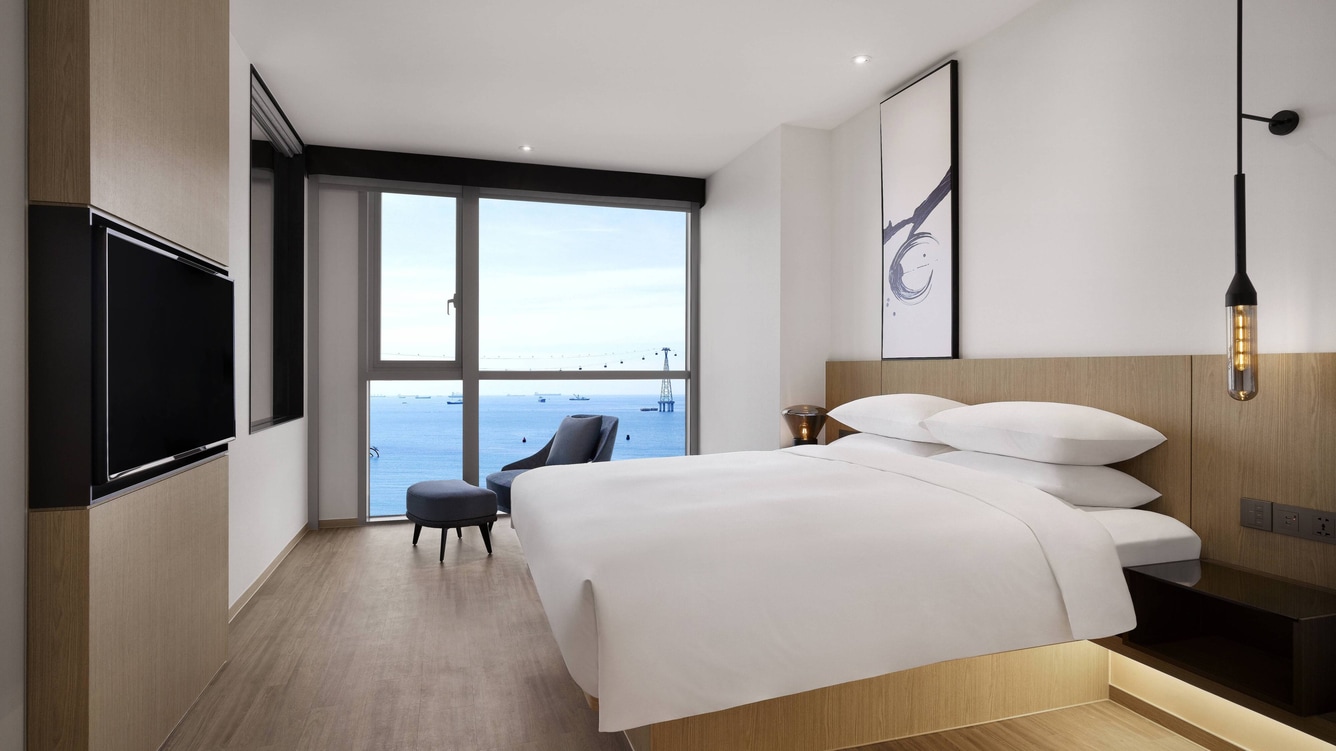
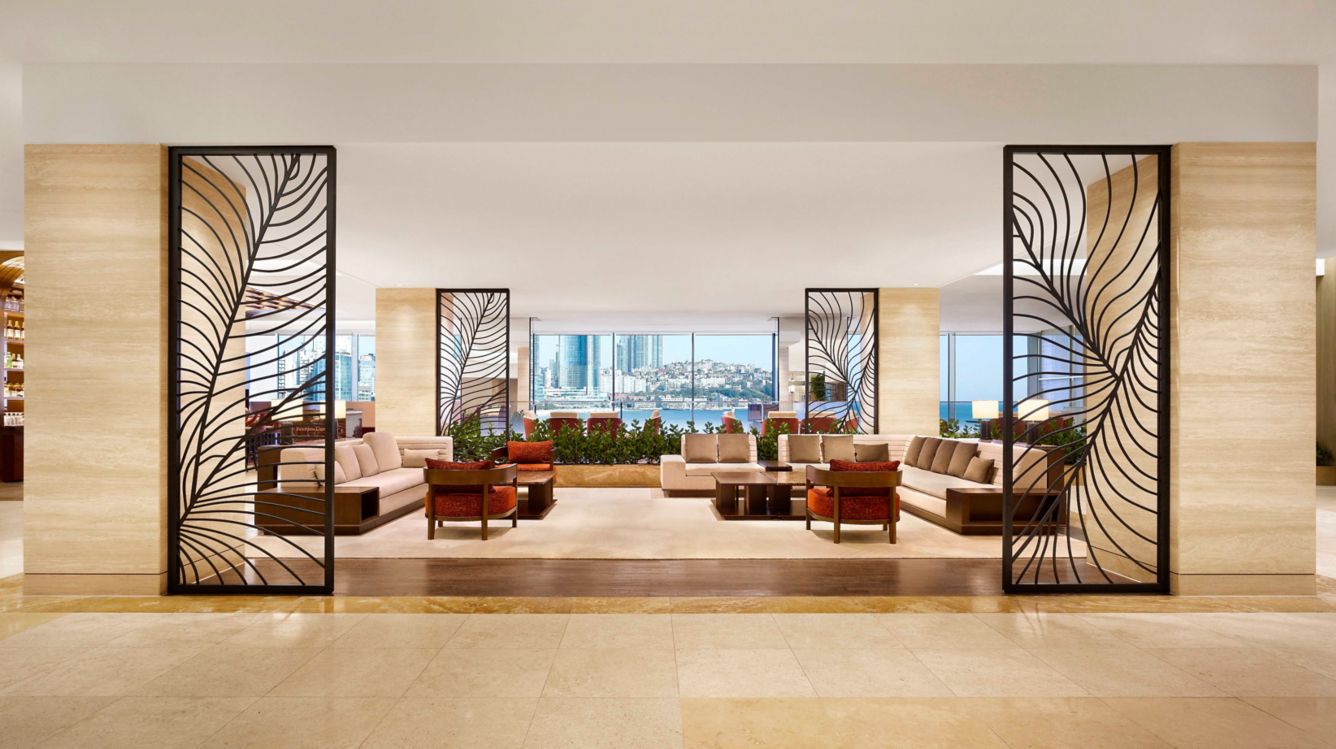
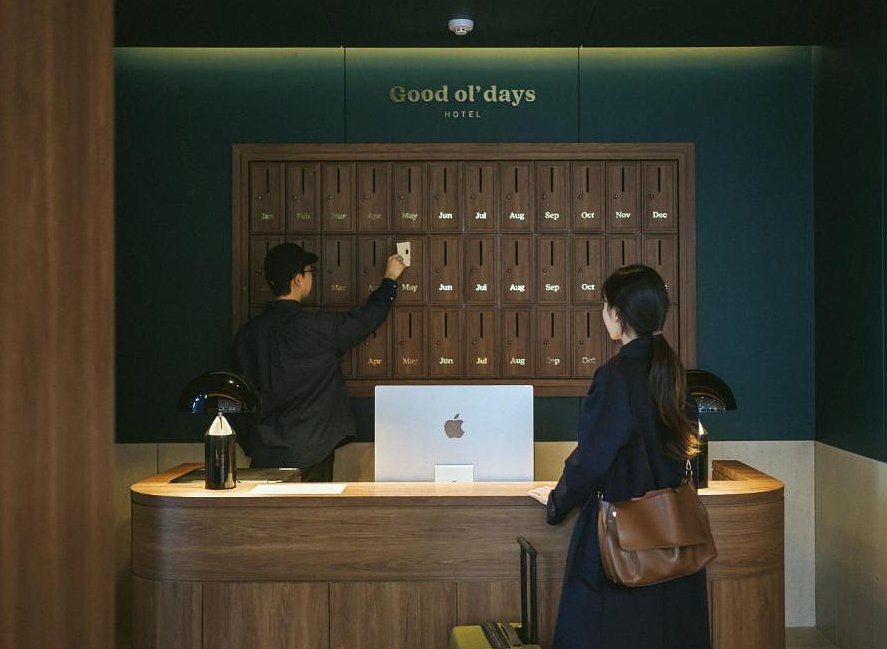
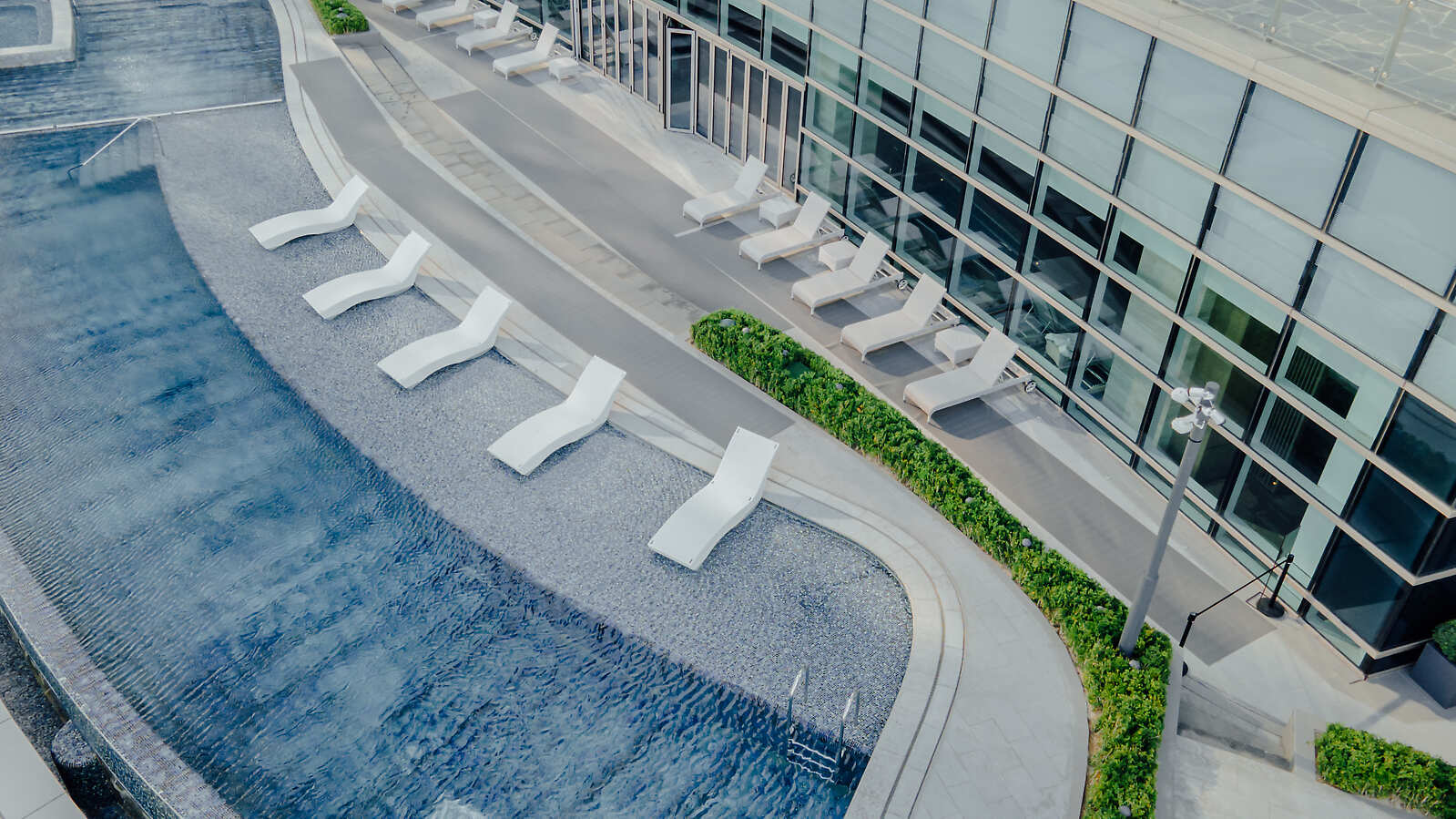
Where to Stay in Busan
7 recommended properties
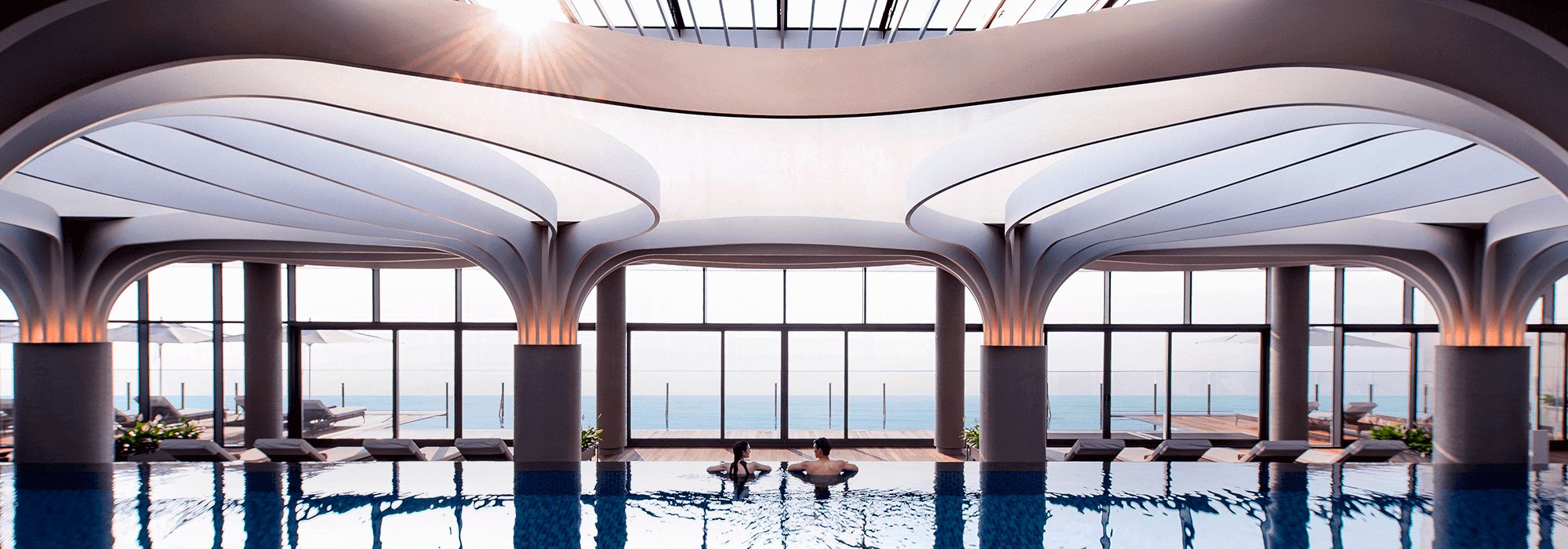

Things to Do in Busan
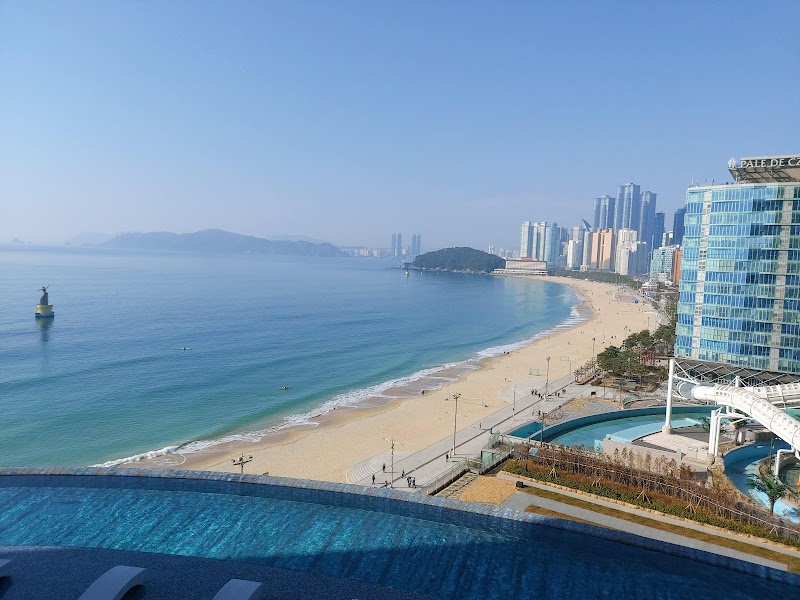
Haeundae Beach
Haeundae · 120 min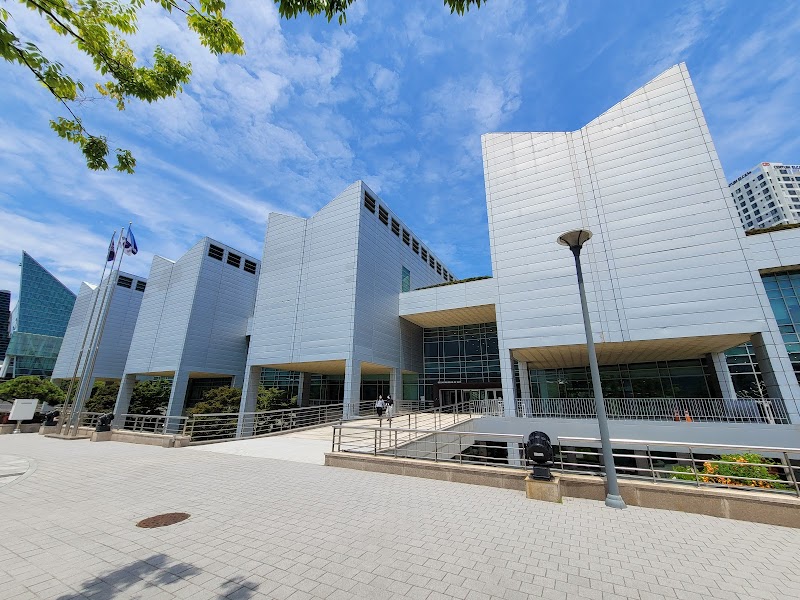
Busan Museum of Art
Centum City · 120 min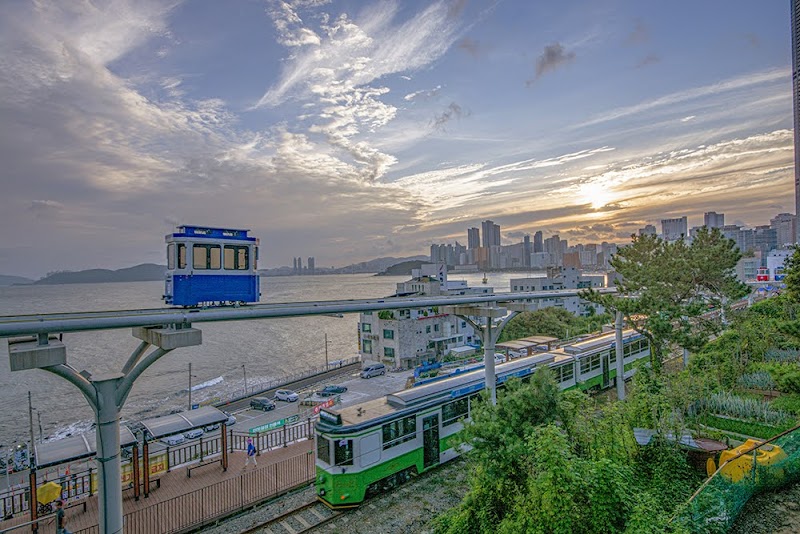
Haeundae Dalmaji-gil Road (Evening Walk)
Haeundae · 60 minMoney-Saving Tips
- 1.Buy a WOWPASS card at the airport — it works for subway, buses, and shopping with better exchange rates than credit cards
- 2.Eat at markets instead of restaurants near tourist areas. Jagalchi Fish Market meals cost half what you'd pay in Haeundae
- 3.Stay in Gwangalli instead of Haeundae for 30% cheaper hotels with the same beach access
- 4.Convenience store alcohol costs a fraction of bar prices — most karaoke rooms let you bring your own drinks
- 5.KTX train tickets to Seoul cost 59,800 won, but booking 28 days ahead drops the price to 42,900 won
- 6.Many temples offer free cultural programs. Beomeosa Temple runs free meditation sessions every Saturday morning
- 7.Street food vendors near subway stations charge locals prices. Walk 2 blocks from tourist areas and save 2,000-3,000 won per meal
Travel Tips
- •Download the Citymapper app for Busan — it shows real-time subway delays and the fastest routes between neighborhoods
- •Learn basic Korean numbers to bargain at markets. Vendors appreciate the effort and often give better prices
- •Carry cash for street food and small restaurants. Many places still don't accept cards, especially in traditional markets
- •Book accommodations early for summer visits. Korean families book beach hotels months in advance for vacation season
- •Pack layers even in summer — air conditioning in subways and buildings runs arctic cold
- •Avoid driving unless you're comfortable with aggressive traffic. Korean drivers rarely yield and parking is expensive
- •Try local specialties like milmyeon and ssiat hotteok that you can't find elsewhere in Korea
- •Check festival calendars before visiting. Busan hosts major events like the International Film Festival that book up the city
- •Respect photography rules at temples and traditional sites. Many places prohibit photos inside buildings
- •Learn subway etiquette — let passengers exit before boarding and give up priority seats to elderly riders