Hiroshima
7 Wild-Green Days in Hiroshima & Miyajima
River forests, island shrines, green escapes and gentle city nights
Planning a trip to Hiroshima?
A week-long solo journey through Hiroshima’s lush riversides, serene gardens, and forested islands, with every day kept simple, walkable, and stress-free. You’ll balance powerful history, quiet nature, and jungle-like scenery while eating at reliably halal-friendly spots and staying in nature-leaning, good-value hotels.
Highlights
Spend unhurried time at Peace Memorial Park and Museum, learning Hiroshima’s story at a gentle pace.
Wander Itsukushima Shrine’s torii gate and cedar-covered hills that feel like a sea-side jungle.
Follow leafy riverside walks and small neighborhood parks that quietly surround the city center.
Stroll through a historic brewery district of white-walled storehouses and mossy temple corners.
Explore Hiroshima Castle’s moat-side woods and Shukkei-en’s dense mini landscapes of bridges and pines.
Enjoy easygoing evenings in compact bar streets and lantern-lit alleys without intense crowds.
Where to Stay
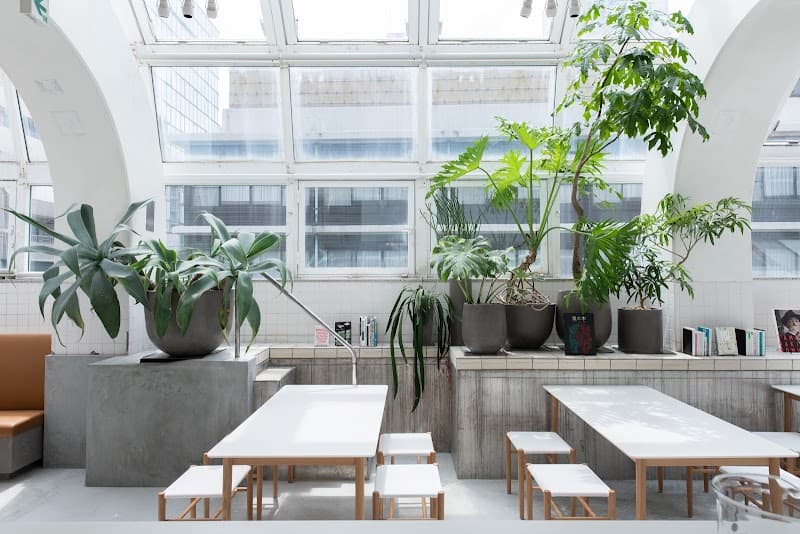
KIRO Hiroshima by THE SHARE HOTELS
Design-focused hotel with lots of wood, plants, and a relaxed lounge area, located on a quiet street a short walk from Peace Park and Hondori.
$90-130/night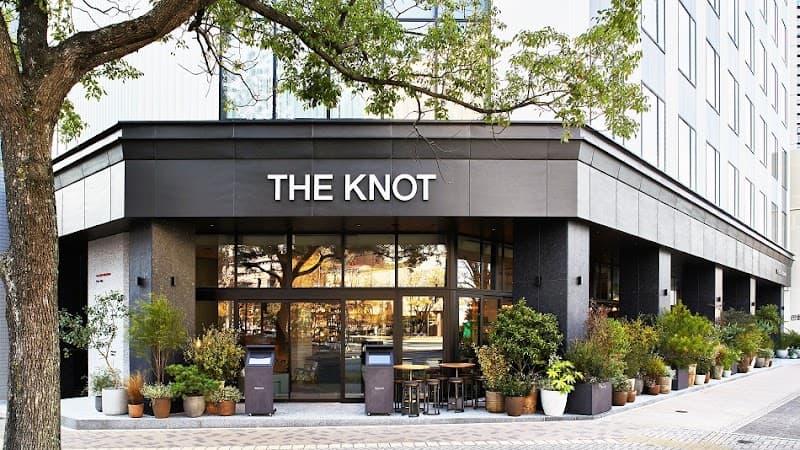
The Knot Hiroshima
Modern mid-range hotel featuring warm wood decor, some greenery, and a rooftop lounge with views over Peace Boulevard and trees.
$80-120/night
RIHGA Royal Hotel Hiroshima
Large, comfortable hotel near Hiroshima Castle and green spaces, with higher floors offering expansive views over rivers and wooded areas.
$100-150/nightGood to Know
Staying Strictly Halal in Hiroshima
Rely on explicitly halal or Muslim-run spots (Ali’s Halal Kitchen, Pakistani/Indian/Nepali places) for meat, and default to vegetarian dishes elsewhere while asking staff clearly: “no meat, no fish, no alcohol, please.” Carry a small card in Japanese explaining your halal requirement to show in restaurants.
Cash, IC Cards, and Budgeting
Many mid-range places accept cards, but keep some yen cash for small temples, local cafés, and trams. Load an IC card (like Suica) at Hiroshima Station for tap-on tram/bus rides and small purchases, and aim for about $40–60 per day for food and local transport on a moderate budget.
Simple Transit Strategy
Cluster your days: Peace Park + downtown on foot, Shukkeien + Castle by short tram rides, and use JR trains only for Miyajima (Miyajimaguchi Station) and Saijo. Screenshot or save offline tram maps so you’re never dependent on mobile data.
Temple & Shrine Etiquette
At shrines, bow once at the torii gate, avoid walking directly in the center, cleanse hands and mouth lightly at the water pavilion if you wish, and keep your voice low. At temples, follow posted rules and avoid photographing people in prayer without permission.
Pacing Emotional Intensity
The Peace Museum can be emotionally heavy; schedule it earlier in the day and follow it with a walk in Peace Park or along the river to decompress. Don’t feel obliged to see every exhibit—take pauses as needed.
Reading Japanese Food Labels
On packaged foods, avoid items listing 肉 (meat), 鶏 (chicken), 豚 (pork), 牛 (beef), 酒 or みりん (alcohol), and だし (dashi, often fish-based). Safe bets are plain nuts, fruit, unflavored yogurt, and clearly labeled vegetarian snacks.
What to Pack for ‘Jungle Wild’ Days
Bring light, breathable clothing, a compact umbrella, comfortable closed shoes with good grip for forest temples and slopes, and a small daypack for water and snacks. In warmer months, a hat and insect repellent help when walking wooded areas like Mitaki-dera and Momijidani Park.
Solo Safety and Night Atmosphere
Hiroshima is generally very safe, even at night; stick to lit main streets like Hondori and central riversides, and trust your instincts if a small alley feels too quiet. Keep your passport photo and hotel address offline on your phone in case you lose connectivity.
Your Week Itinerary
Hiroshima Peace Memorial Park
Walk the tree-lined park, see the Cenotaph, Children’s Peace Monument, and views of the Atomic Bomb Dome across the river.
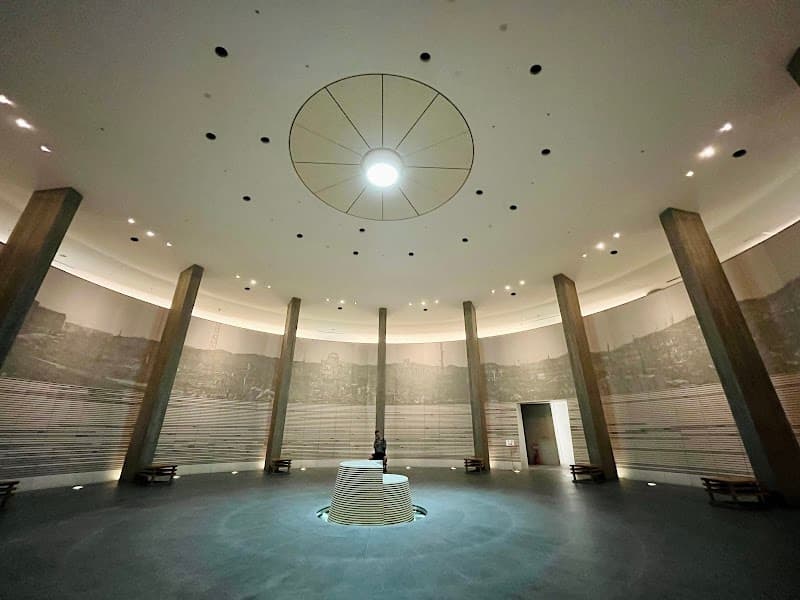
2h · FreeHiroshima Peace Memorial Museum
Exhibits detail the events of August 6, 1945 and Hiroshima’s path to peace; go slowly and take breaks as needed.
2h · $2-3
Nawab Hiroshima
Indian restaurant with clearly labeled halal chicken and lamb curries plus vegetarian options; avoid alcohol and pork items and request halal meat.
1h · $12-20 per person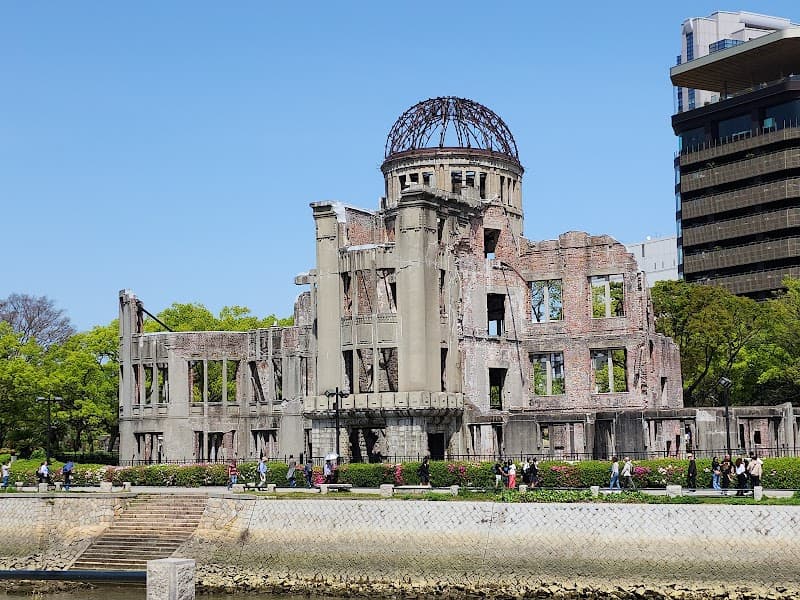
Atomic Bomb Dome (Genbaku Dome)
Circle the preserved dome ruins and walk along the Motoyasu River’s leafy paths nearby.
45m · Free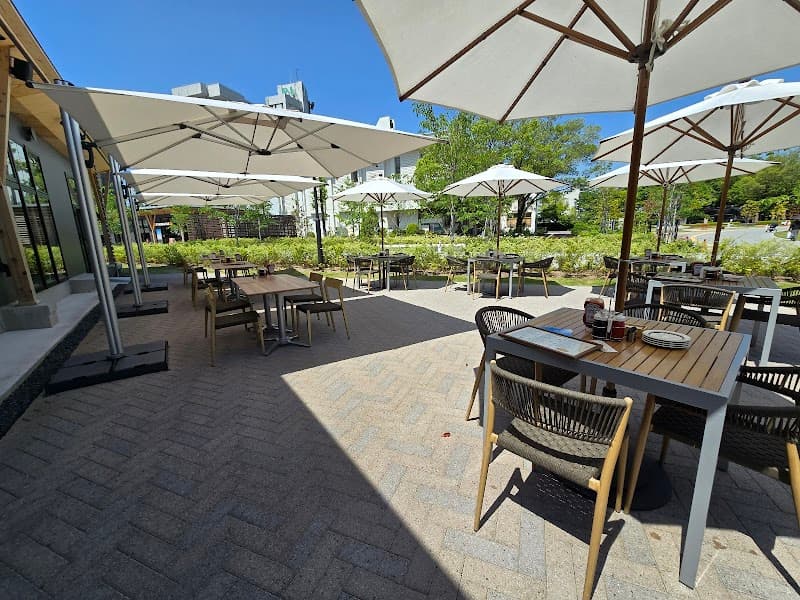
Khana Pina Hiroshima
Pakistani/Indian spot offering halal chicken, mutton, and many vegetarian curries—order chicken karahi or dal with naan and confirm halal meat.
1h 15m · $15-25 per personHalal Bakery & Café (near Hiroshima Station, check local listing)
Small bakery/café run by Muslims (or clearly marked halal) offering halal pastries, sandwiches, and coffee/tea—stick to labeled halal items.
30m · $6-12 per person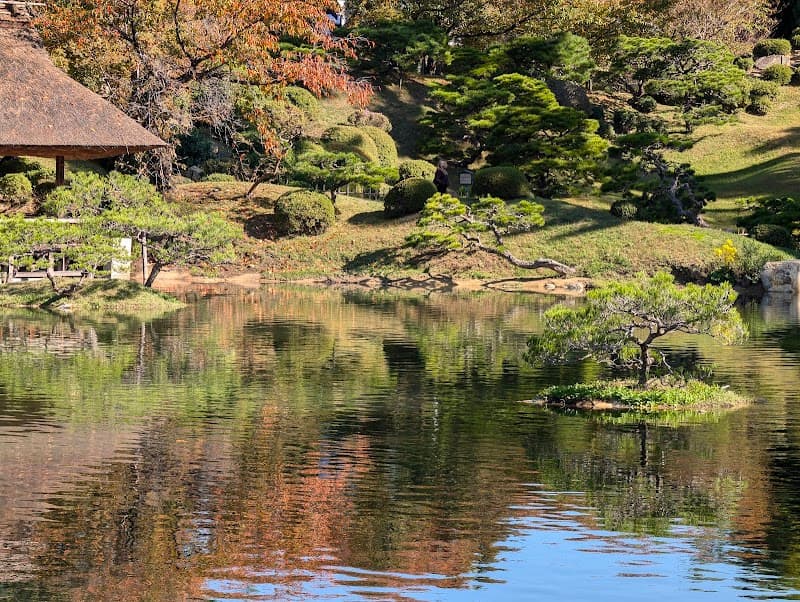
Shukkeien Garden
Loop the pond through miniature valleys, bamboo groves, mossy stones, and tiny bridges that feel like compact jungle scenes.
1h 30m · $2-3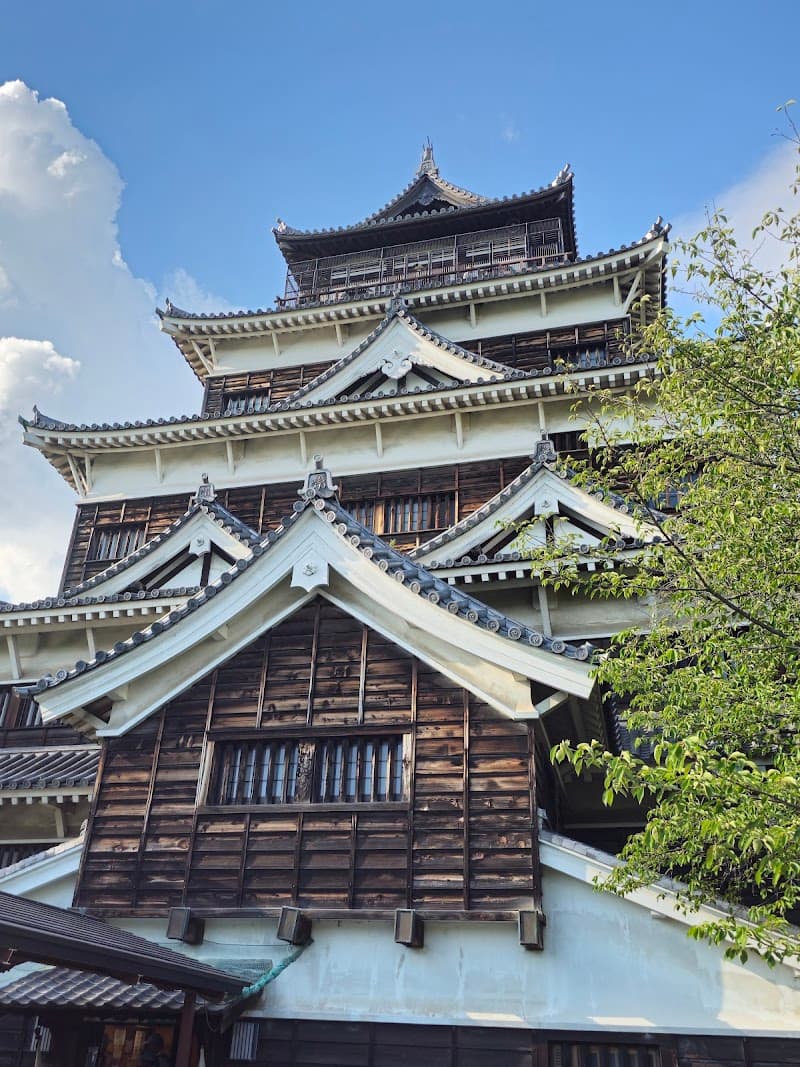
Hiroshima Castle & Castle Park
Visit the reconstructed castle keep (interior exhibits) and stroll the surrounding moat, woodland paths, and shrine tucked in the trees.
2h · $2-3
Namaste Himal Hiroshima
Nepali/Indian restaurant serving halal chicken and lamb dishes and plenty of vegetarian plates—ask for halal meat and try the tandoori chicken or vegetable thali.
1h · $12-20 per personKyobashi River Promenade & Greenbelt Walk
Follow the riverside paths lined with trees and small parks, watching boats and city reflections as the light softens.
1h · FreeSultan Hiroshima
Turkish/Middle Eastern restaurant with halal kebabs, chicken, and lamb—order mixed grill or chicken doner and confirm halal meat; avoid alcohol.
1h 15m · $15-25 per person30 activities across 7 days
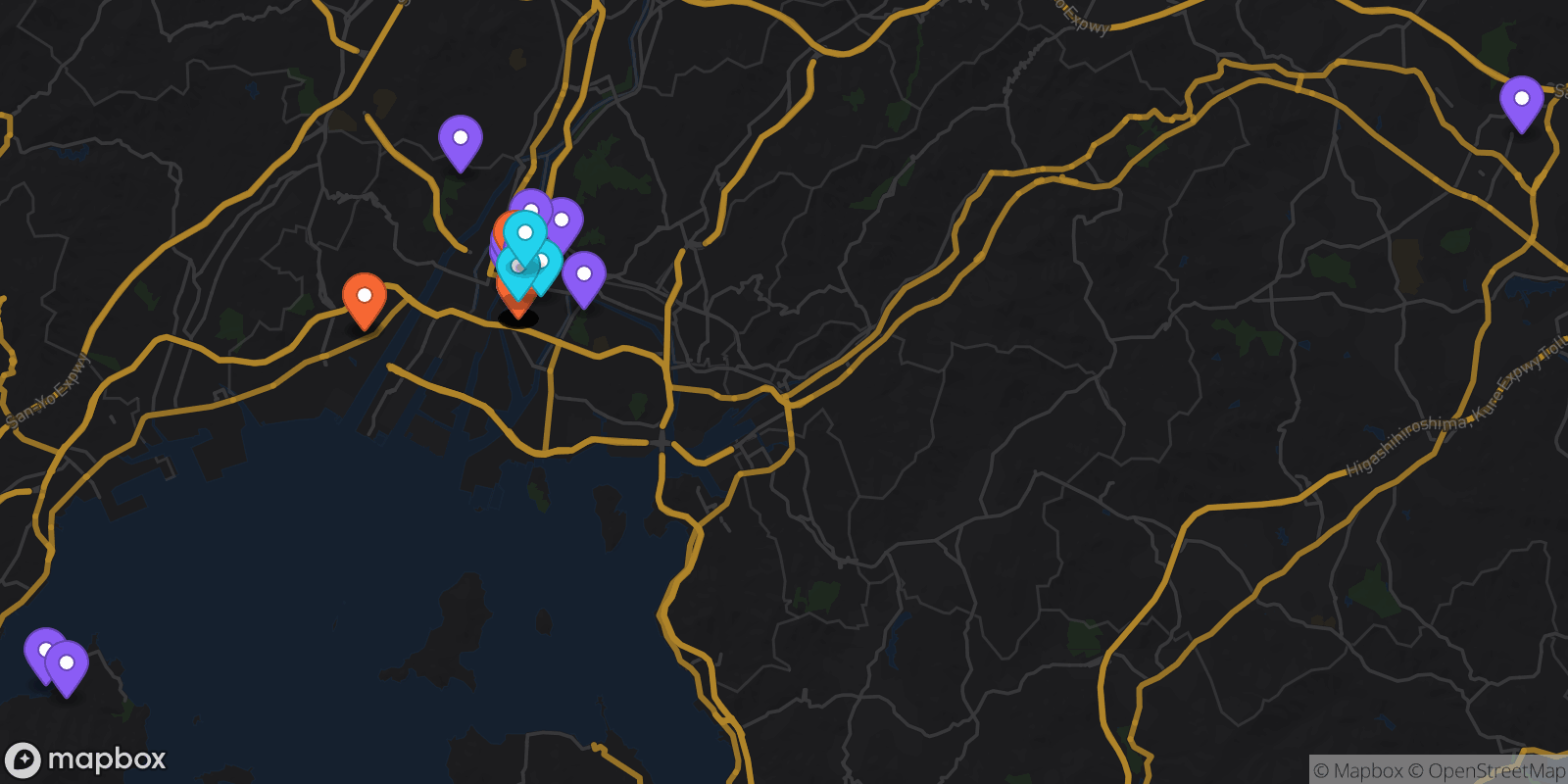
Map