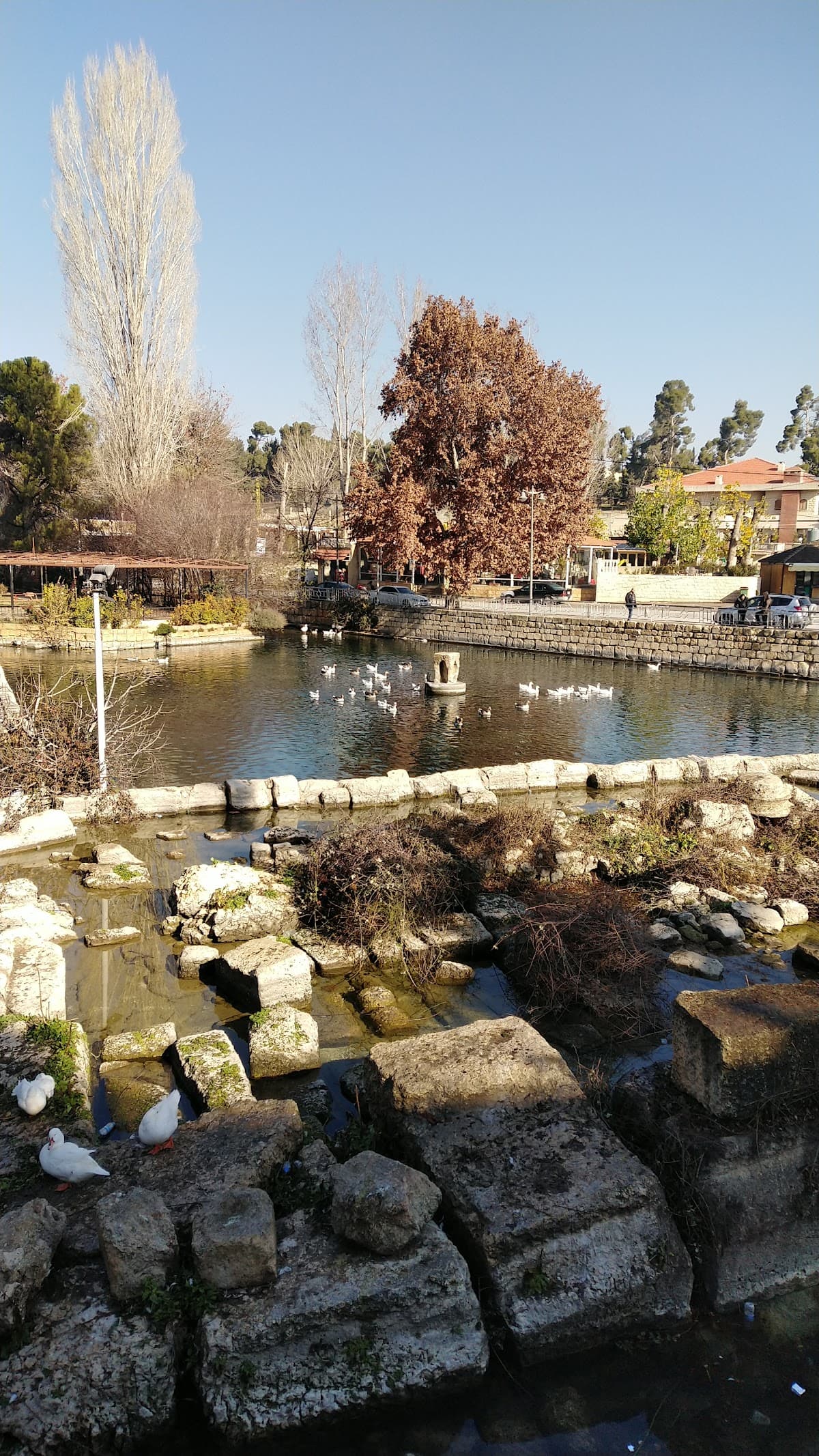
Baalbek in February
Not the best time
Still winter weather with fewer tourists means cheaper prices but tough conditions. The temples look dramatic in stormy light, but you'll spend more time dodging puddles than appreciating architecture.
Weather
February stays cold and wet, though slightly less miserable than January. Morning frost gives way to afternoon drizzle, and the ancient stones stay slippery well into the day. Cloud cover dominates, with maybe one or two clear days per week.
12°C high3°C low10 rain days
Crowds & Cost
low crowds
~$48/day average
February Tips
- •Waterproof boots are essential - the temple complex turns into a mud pit
- •Visit midday when temperatures peak, avoiding early morning and evening
- •Book accommodations with reliable heating systems
All Months
April through June gives you perfect weather and the valley at its greenest. Temperatures hover around 70-75°F, wildflowers carpet the mountainsides, and you can explore the temples without melting. September and October offer similar conditions with the bonus of harvest season — wineries buzz with activity, and restaurants feature fresh grape dishes. Summer gets brutal. July and August see temperatures climb past 95°F, and the temple stones become too hot to touch comfortably. But if you must visit in summer, go early morning or late afternoon. Winter brings occasional snow and temperatures that can drop to 40°F. The temples look dramatic against snow-capped mountains, but many mountain roads become impassable. Spring also means longer days — sunset doesn't come until after 7 PM in May, giving you extra time to explore. Avoid major Islamic holidays when domestic tourism spikes and accommodation becomes scarce.
Baalbek Scores
Solo
6/10
Couples
5/10
Families
6/10
Adventure
4/10
Budget
7/10
Luxury
3/10
BUILD YOUR BAALBEK PLAN
Insider picks, smart timing, and a plan ready when you are.