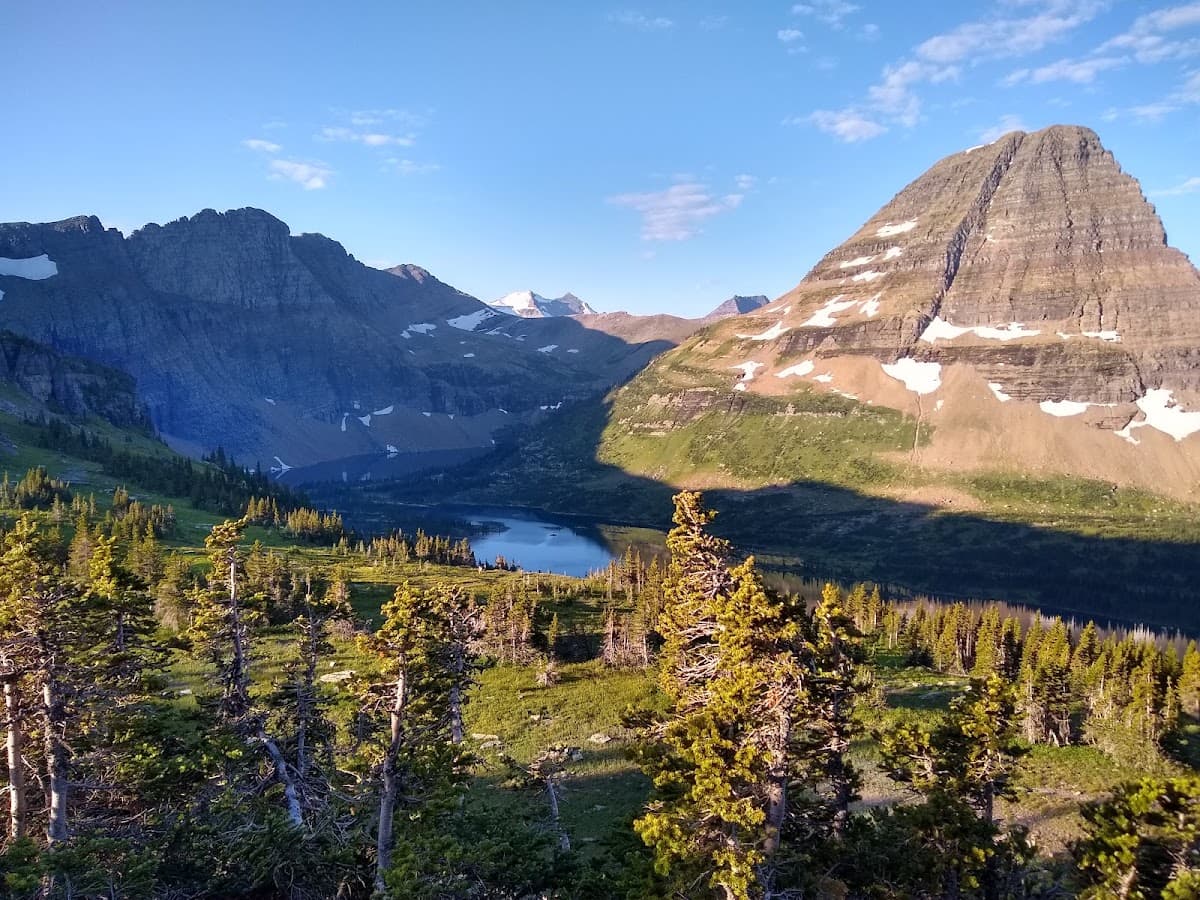
Glacier National Park in March
Not the best time
March teases spring's arrival but delivers mostly mud and unpredictable weather. You'll get glimpses of the park's potential, but it's still largely inaccessible.
Weather
Winter begins its slow retreat but snow still dominates the landscape. Temperatures start climbing above freezing during sunny days, though nights remain cold. Snowmelt creates muddy, slippery conditions on accessible trails.
1°C high-10°C low9 rain days
Crowds & Cost
low crowds
~$95/day average
March Tips
- •Waterproof boots are essential for muddy, slushy conditions
- •Wildlife viewing improves as animals become more active
- •Some lower elevation trails start becoming accessible
All Months
July through September is prime time, but each month brings trade-offs. July means wildflowers exploding across alpine meadows, but also peak crowds and $400-per-night hotel rates in nearby Whitefish. August offers the most reliable weather — warm days, cool nights, and all high-elevation trails finally snow-free. But this is also when every family in America decides to visit. September is the sweet spot: fewer crowds, golden aspen trees, and elk bugling season. Just know that snow can hit the high country any time after Labor Day. June is tricky — the Going-to-the-Sun Road usually doesn't fully open until late in the month due to snow removal. Many high-elevation trails stay buried under 10 feet of snow well into July. Winter visits are possible but require serious preparation; only the first few miles of park roads stay plowed, and temperatures regularly hit -20°F.
Glacier National Park Scores
Solo
8/10
Couples
8/10
Families
7/10
Adventure
10/10
Budget
5/10
Luxury
4/10
BUILD YOUR GLACIER NATIONAL PARK PLAN
Insider picks, smart timing, and a plan ready when you are.