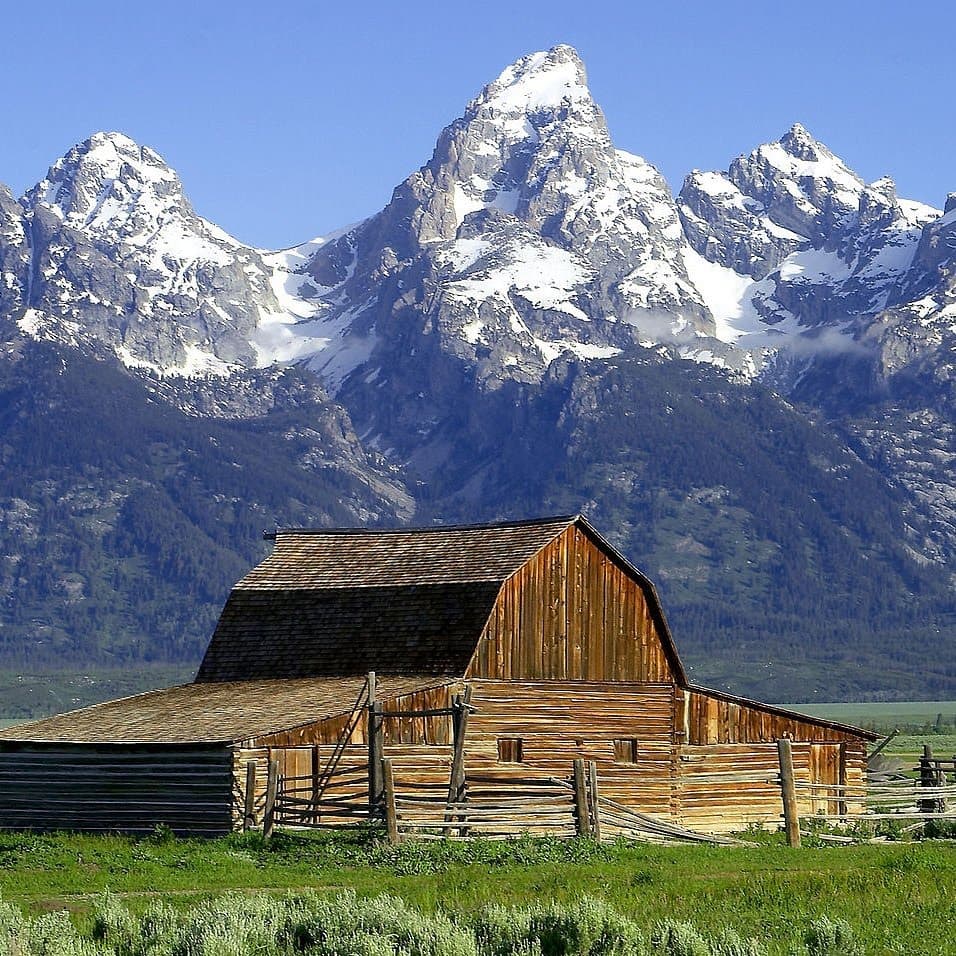
Grand Teton National Park in January
Not the best time
January is for hardcore winter enthusiasts only. The park is largely inaccessible and brutally cold, but Jackson Hole's ski slopes keep the area expensive.
Weather
January dumps serious snow on the Tetons - we're talking 2-3 feet regularly. Temperatures plummet to brutal lows, often hitting -20°C at night. The park essentially hibernates under a thick white blanket.
-7°C high-18°C low3 rain days
Crowds & Cost
low crowds
~$180/day average
January Tips
- •Most park roads close except the one to Taggart Lake trailhead
- •Bring serious winter gear - frostbite is a real danger here
- •Jackson Hole ski season is peak, so lodging costs stay high despite park access being limited
All Months
June through September is your window, but each month serves up something different. June brings wildflowers and snow-capped peaks, but also muddy trails and lingering snow at higher elevations. Some alpine lakes stay frozen into July.
July and August deliver peak conditions — all trails accessible, warmest weather, and those perfect bluebird days that make you want to quit your job and become a mountain guide. But you'll share the experience with everyone else who had the same idea. Expect crowds and book accommodations months ahead.
September is the sweet spot for many. Cooler temperatures, fewer crowds, and aspen trees turning gold against the granite peaks. The weather can be unpredictable — you might get snow or you might get 70-degree days. Pack for both.
Winter transforms the park into a cross-country skiing and snowshoeing paradise, but most roads close and services shut down. Only the most dedicated (or crazy) visitors venture in from December to March.
Grand Teton National Park Scores
Solo
8/10
Couples
8/10
Families
6/10
Adventure
10/10
Budget
5/10
Luxury
7/10
BUILD YOUR GRAND TETON NATIONAL PARK PLAN
Insider picks, smart timing, and a plan ready when you are.