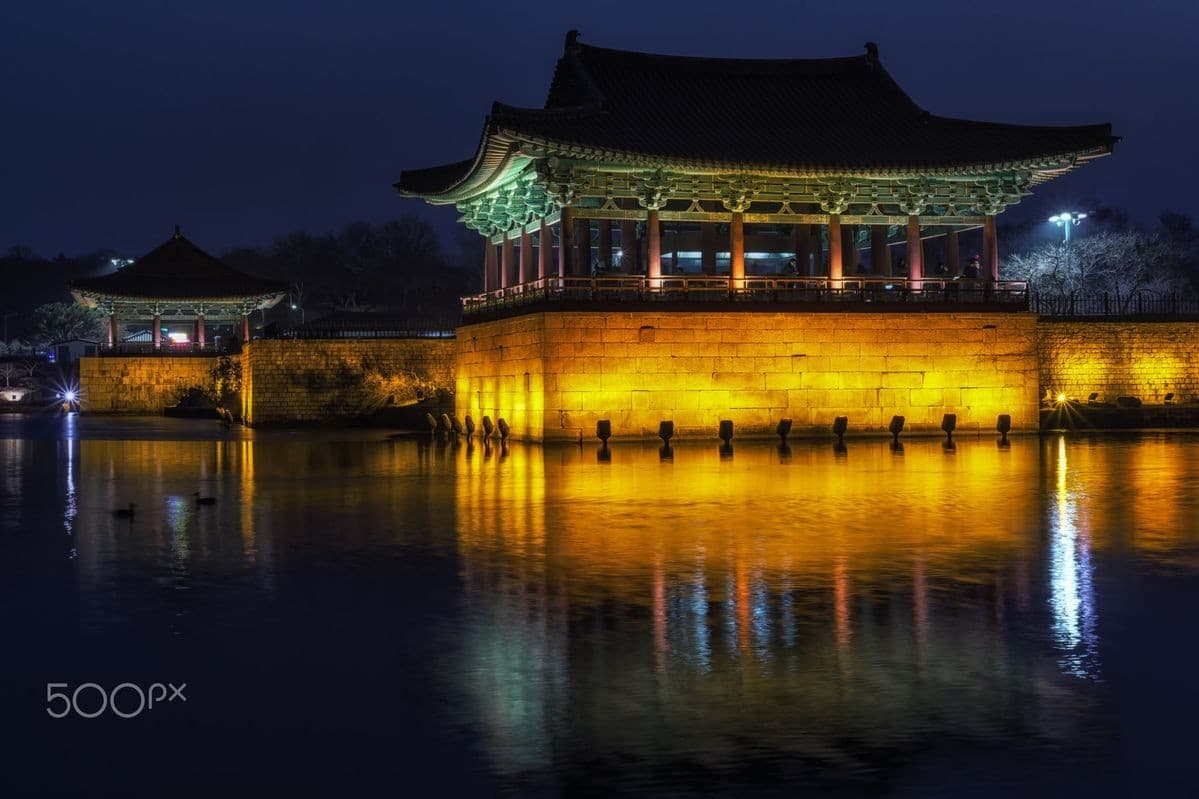
Gyeongju in June
Not the best time
Monsoon season makes outdoor sightseeing miserable with constant rain and oppressive humidity. Crowds thin out for good reason - this is when locals avoid tourist sites too.
Weather
June marks the start of monsoon season with heavy, prolonged downpours that can last for days. Humidity soars above 80%, making even short walks feel exhausting. When it's not raining, temperatures climb uncomfortably high with little relief.
28°C high18°C low12 rain days
Crowds & Cost
moderate crowds
~$82/day average
Events & Festivals
- •Memorial Day
- •Early monsoon season begins
June Tips
- •Pack serious rain gear - cheap umbrellas will break in monsoon winds
- •Indoor activities become crucial; plan museum visits for rainy days
- •Book accommodations with good air conditioning well in advance
All Months
April and May bring cherry blossoms to temple grounds. Bulguksa Temple looks like a postcard when pink petals frame the ancient pagodas. But expect crowds — Korean families flock here for spring picnics.
September through November offers the best weather. Autumn maples turn Namsan Mountain into a natural art gallery. October temperatures hover around 20°C — perfect for temple hiking. Plus, you'll have sites mostly to yourself after summer tourists leave.
Winter can be magical if you don't mind cold. Snow-covered burial mounds in Tumuli Park look otherworldly. But many outdoor sites feel harsh when temperatures drop below freezing. Indoor museums become your best friend.
Avoid July and August. Humidity makes temple climbing miserable, and monsoon rains can flood hiking trails. If you must visit in summer, start your temple visits at 6 AM before the heat hits.
Korean holidays like Chuseok (autumn harvest festival) bring massive domestic crowds. Hotels book solid and prices double. Check the lunar calendar before booking.
Gyeongju Scores
Solo
8/10
Couples
7/10
Families
7/10
Adventure
5/10
Budget
7/10
Luxury
5/10
BUILD YOUR GYEONGJU PLAN
Insider picks, smart timing, and a plan ready when you are.