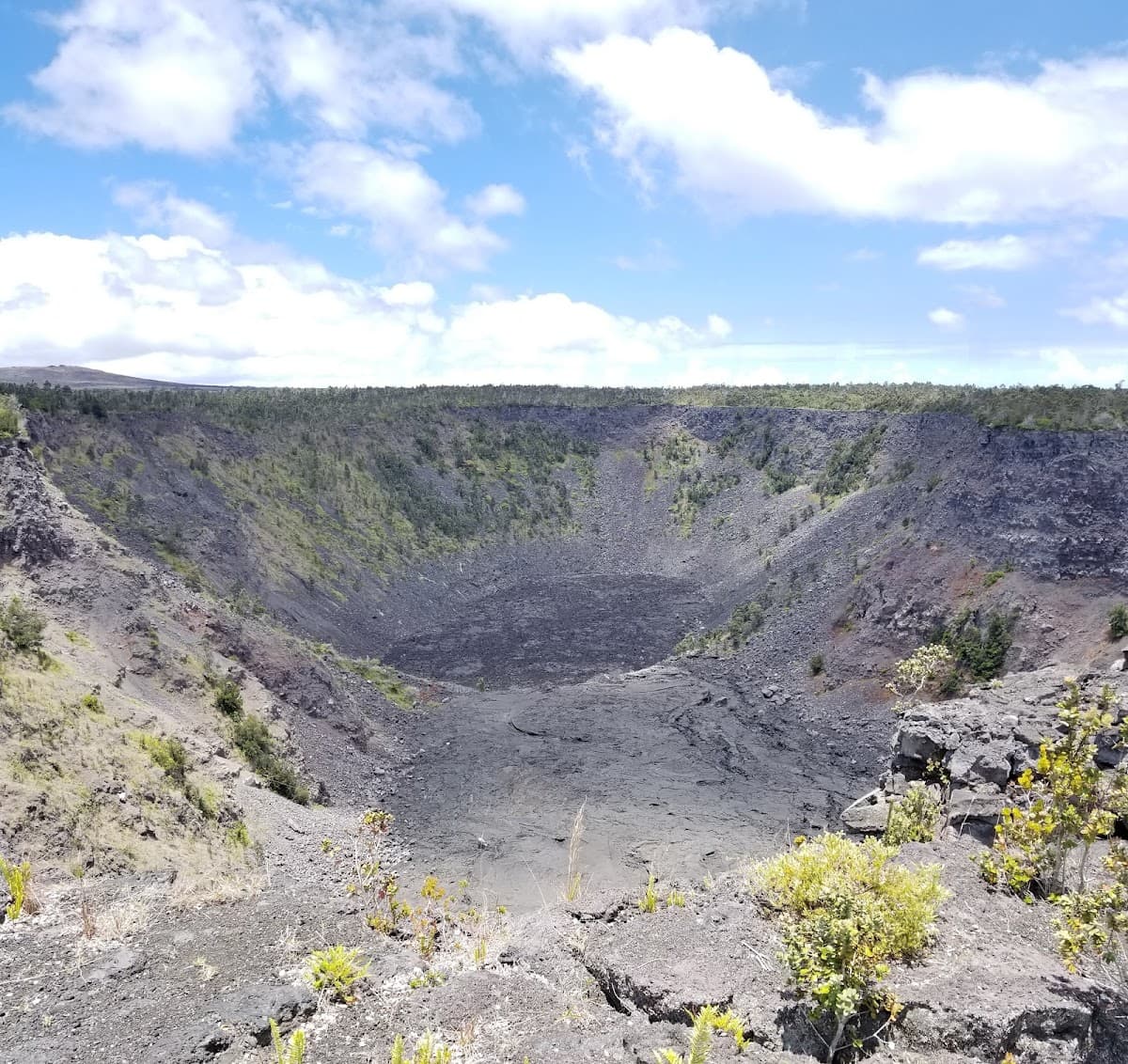
Hawaii Volcanoes National Park
Hawaii Volcanoes National Park in January
Not the best time
January isn't ideal for Hawaii Volcanoes National Park. Consider a different month.
All Months
April through June and September through November offer the sweet spot – fewer crowds and better weather. Summer brings families and higher temperatures, while winter means more rain and occasional snow at elevation.
But here's what really matters: volcanic activity. Kilauea doesn't follow a schedule. Some years bring spectacular lava fountains and flows. Others are quiet periods with just the crater glow. Check the USGS Hawaiian Volcano Observatory website before your trip for current activity levels.
Early morning visits beat the crowds and often provide clearer views. The crater glow is most dramatic just after sunset, around 6-7 PM depending on season. Weekdays are noticeably less crowded than weekends.
Rain can happen any time, but it's heaviest from November through March. The trade winds usually clear things up by afternoon, so don't let morning clouds discourage you.
Hawaii Volcanoes National Park Scores
Solo
8/10
Couples
7/10
Families
8/10
Adventure
8/10
Budget
6/10
Luxury
5/10
BUILD YOUR HAWAII VOLCANOES NATIONAL PARK PLAN
Insider picks, smart timing, and a plan ready when you are.